



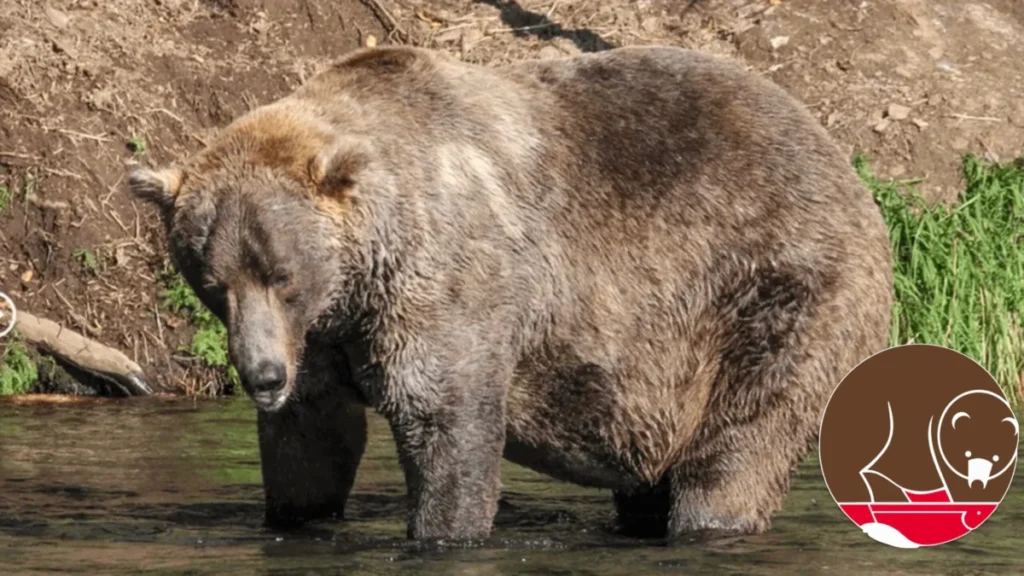
As millions of online spectators tune in to cast their votes in the annual celebration of ursine abundance known as Fat Bear Week, a parallel movement is unfolding far beyond the digital voting brackets. While audiences marvel at the staggering transformations of brown bears (Ursus arctos) gorging on sockeye salmon along the Brooks River, conservationists are harnessing this unprecedented global attention to address critical funding shortfalls, political pressures, and industrial threats facing Alaska’s protected lands.
The intersection of internet culture, wildlife education, and direct environmental stewardship has transformed a localized park service novelty into a major catalyst for conservation fundraising. With vital federal resources shifting and looming industrial proposals threatening the surrounding watershed, the fate of the bears has become inextricably linked to a broader fight for ecological preservation.
The Genesis and Legacy of Fat Bear Week
Fat Bear Week began in 2014 as a modest, single-day social media event dubbed Fat Bear Tuesday, conceived by park rangers and naturalists at Katmai National Park and Preserve. The inaugural tournament pitted two formidable brown bears against one another: Bear #410, an elder female, and Bear #480, an iconic male who would come to be known simply as Otis. Otis secured the very first title, establishing a legacy of calm determination that would capture the public imagination for over a decade.
Otis went on to claim the championship crown three more times—in 2016, 2017, and 2021. Long before his death in 2024, the aging bear became a symbol of resilience within the Katmai ecosystem. Unlike younger, more dominant bears who could easily command prime fishing spots at Brooks Falls, Otis relied on patience, experience, and stealth, often waiting out competitors in harsh conditions.
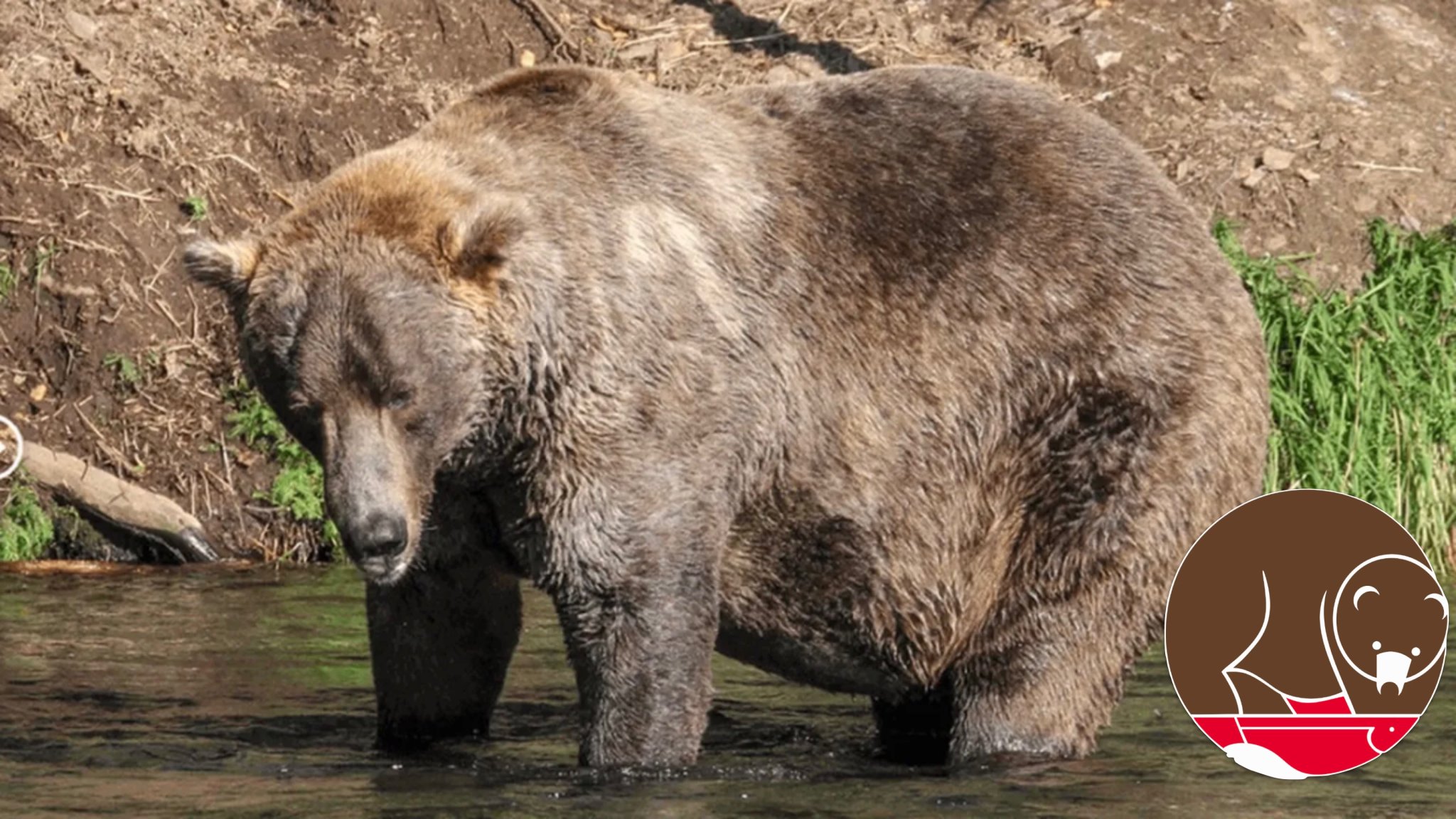
Former National Park Service ranger and explore.org naturalist Mike Fitz notes that Otis served as an extraordinary ambassador for his species. His methodical fishing style and tranquil demeanor provided a calming presence for viewers worldwide, helping millions of people develop a personal connection to the Brooks River and recognize the complex ecological dependencies of the Bristol Bay region. Candice Rusch, Director of New Media for explore.org, recalls a poignant moment in October 2021 when a severe snowstorm drove most other bears away from the river. True to form, Otis remained, calmly sitting in the accumulating snow and successfully catching fish, cementing his legendary status in the annals of bear cam history.
Financial Realities and the Otis Fund
The immense popularity of Fat Bear Week—which frequently experiences record-breaking voter turnouts that stress online voting platforms—has provided a vital financial lifeline through the Katmai Conservancy’s Otis Fund. Named in honor of the four-time champion, the fund directly supports scientific research, conservation initiatives, and educational outreach programs within Katmai National Park and Preserve.
This private fundraising mechanism has become increasingly critical as public funding structures fluctuate. Spanning over four million acres of wild rivers, volcanic landscapes, and rugged coastline, Katmai remains one of the most sparsely funded units within the National Park System relative to its vast geographic scope and ecological importance.
Broader fiscal pressures have exacerbated these challenges. Recent government spending reports indicate substantial reductions in federal allocations for park infrastructure and maintenance projects outside the Washington, D.C. capital region. According to fiscal analyses from the previous budgetary cycle, discretionary spending on regional national parks experienced a steep downward trajectory, resulting in hundreds of millions of dollars in localized funding cuts across the Pacific West region.
Furthermore, administrative shifts have placed severe pressure on federal land management agencies. Park staff reductions and policy friction have left many national parks operating with depleted full-time workforces. In this climate of operational uncertainty, philanthropic efforts like the Otis Fund provide essential budgetary relief, enabling rangers and conservationists to maintain foundational park operations, monitor wildlife populations, and sustain public programming.

To maximize this impact, streaming partner explore.org committed to matching every donation made to the Otis Fund up to $350,000 during the tournament window running through October 3. These targeted fundraising drives have demonstrated remarkable success; previous campaigns easily met their financial goals, securing hundreds of thousands of dollars contributed by thousands of international supporters.
The Looming Threat of the Pebble Mine
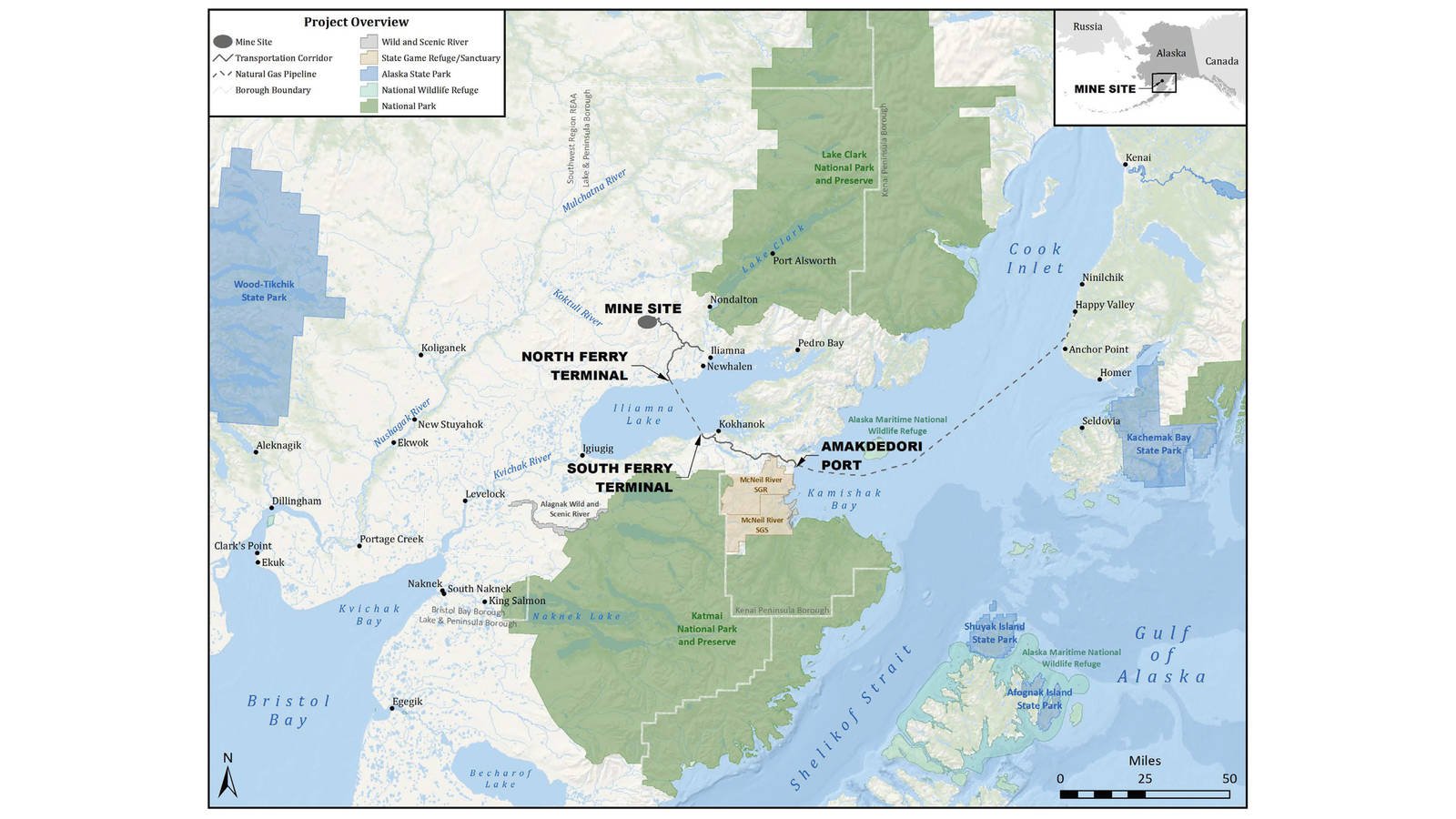
While internal operational funding remains a pressing concern, external environmental threats pose an even graver existential challenge to the Katmai ecosystem and the broader Bristol Bay watershed. Approximately 100 miles away from Katmai, the long-contested proposal for the Pebble Mine project continues to cause alarm among conservationists, scientists, and commercial fishing advocates.
The proposed large-scale, open-pit copper and gold mine threatens to disrupt the headwaters of the Kvichak and Nushagak Rivers within neighboring Lake Clark National Park and Preserve. These pristine river systems serve as the primary lifeblood of Bristol Bay, feeding the world’s largest wild sockeye salmon run. This prolific marine migration provides the high-calorie diet that allows brown bears to accumulate the necessary fat reserves to survive winter hibernation.
Environmental assessments conducted by federal agencies, including the U.S. Army Corps of Engineers and the Environmental Protection Agency (EPA), have consistently highlighted the severe risks associated with the industrial development. Phase-one blueprints for the Pebble Mine project outline an expansive excavation site featuring an open pit measuring one mile wide and a quarter-mile deep, a footprint that would permanently alter or destroy thousands of acres of wetlands and dozens of miles of crucial salmon-spawning streams.
Additionally, the operational plan entails the generation of over one billion tons of tailings—toxic processing residue containing heavy metals and sulfide minerals—which would be stored behind high-risk retention dams within the watershed. Independent scientific evaluations, including landmark assessments by the EPA, have previously warned that large-scale mining operations within the Bristol Bay deposit area carry a high probability of causing irreversible damage to one of the planet’s last remaining intact, fully functioning salmon ecosystems.
Beyond its ecological value to apex predators like brown bears and a diverse array of avian and mammalian wildlife, the Bristol Bay watershed sustains the traditional lifeways of Indigenous communities who have inhabited the region for millennia. It also anchors a multi-billion-dollar commercial fishing industry that drives the regional economy and supports thousands of jobs.
Implications for the Future of Conservation
The convergence of viral digital events and serious environmental advocacy highlights a modern paradigm in wildlife conservation. By bridging entertainment and education, initiatives like Fat Bear Week successfully mobilize a global constituency that transcends geographical boundaries. Millions of individuals who may never physically visit Alaska are empowered to contribute directly to the preservation of public lands through targeted philanthropic vehicles like the Otis Fund.
However, conservation experts emphasize that private donations, while vital for bridging immediate resource gaps, cannot fully substitute for robust public funding and permanent legislative protections. As administrative priorities shift and industrial pressures persist around protected public lands in Alaska, the ongoing mobilization of public awareness serves as both a shield and a spotlight.
The crowning of each year’s Fat Bear Week champion marks more than just a lighthearted conclusion to a seasonal competition; it reaffirms public investment in the health of intact natural ecosystems. By drawing millions of eyes to the rushing waters of the Brooks River, Fat Bear Week ensures that the fate of Otis’s descendants—and the magnificent wilderness they call home—remains a matter of global public concern.