


Paleontologists have described a newly discovered species of theropod dinosaur that pushes the boundaries of anatomical diversity within the Therizinosauria clade. Unearthed in the Lower Cretaceous Yixian Formation of northeastern China, the specimen—named Kayrasaurus changliensis—represents the largest known member of its lineage, surpassing previous records by a considerable margin. Described in a study published in The Journal of Systematic Paleontology by researchers Chun-Chi Liao, William J. Freimuth, Lindsay E. Zanno, and Xing Xu, the find provides critical insights into the evolutionary adaptations, ecological roles, and physiological variations of late Mesozoic herbivores.
The discovery highlights the remarkable anatomical plasticity of therizinosaurs, a group of theropod dinosaurs conventionally associated with flesh-eating lineages such as Tyrannosaurus rex but which notably evolved a herbivorous diet. While therizinosaurs are globally famous for possessing what are widely considered the longest claws of any creature in Earth’s history—clocking in at over three feet in length—Kayrasaurus changliensis introduces a new dimension of physical scale and dental specialization to the clade.
Main Facts of the Discovery
The fossilized remains of Kayrasaurus changliensis were recovered from the Yixian Formation, a geological treasure trove located in northeastern China between Beijing and North Korea. Known colloquially among paleontologists as a "dinosaur Pompeii" due to the exceptional preservation of feathered and soft-tissue remains, the Yixian Formation has consistently yielded pivotal specimens from the Early Cretaceous period, dating roughly between 125 and 113 million years ago.
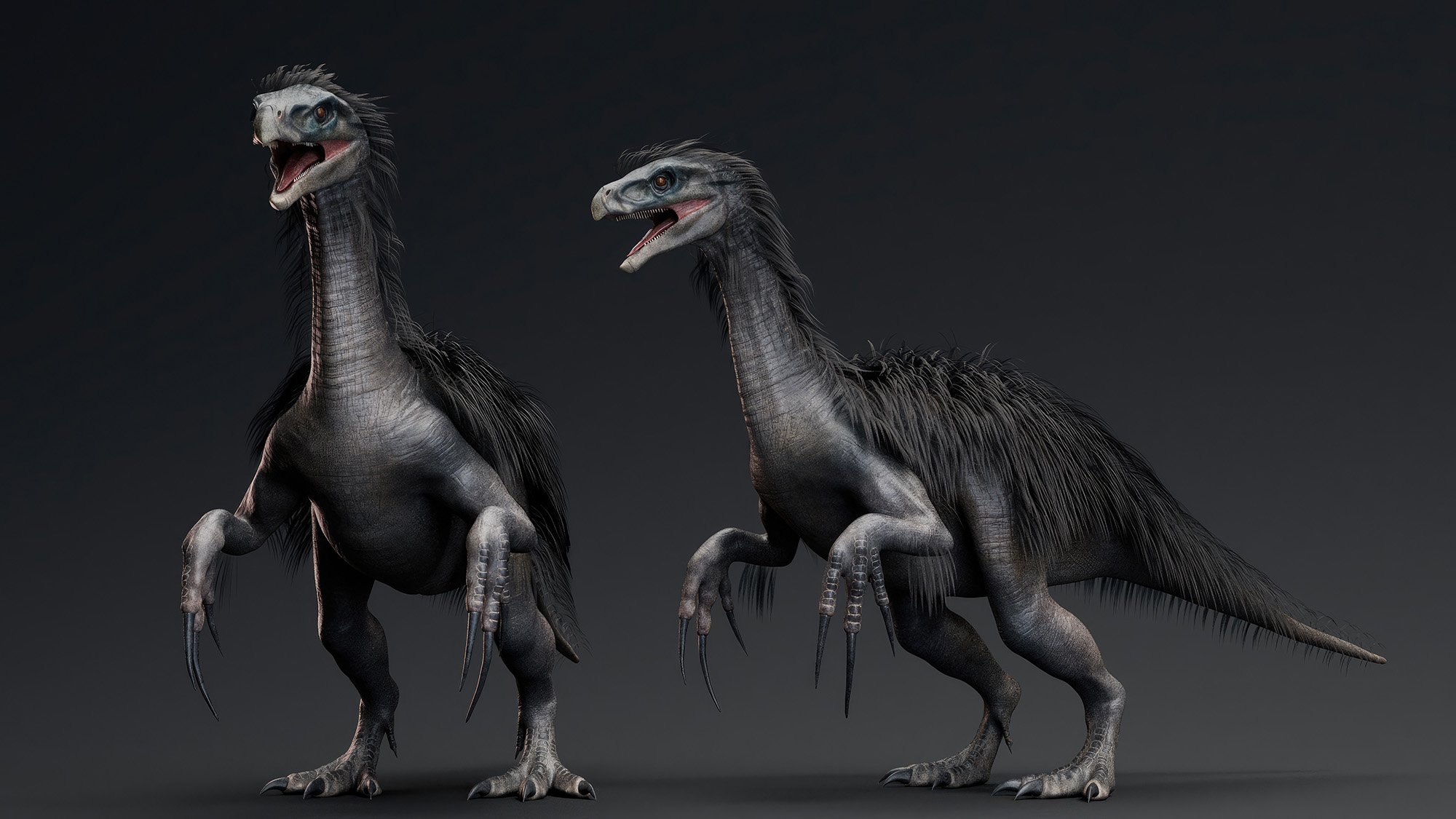
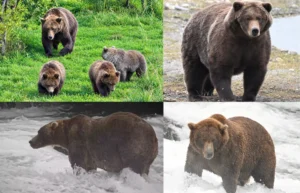
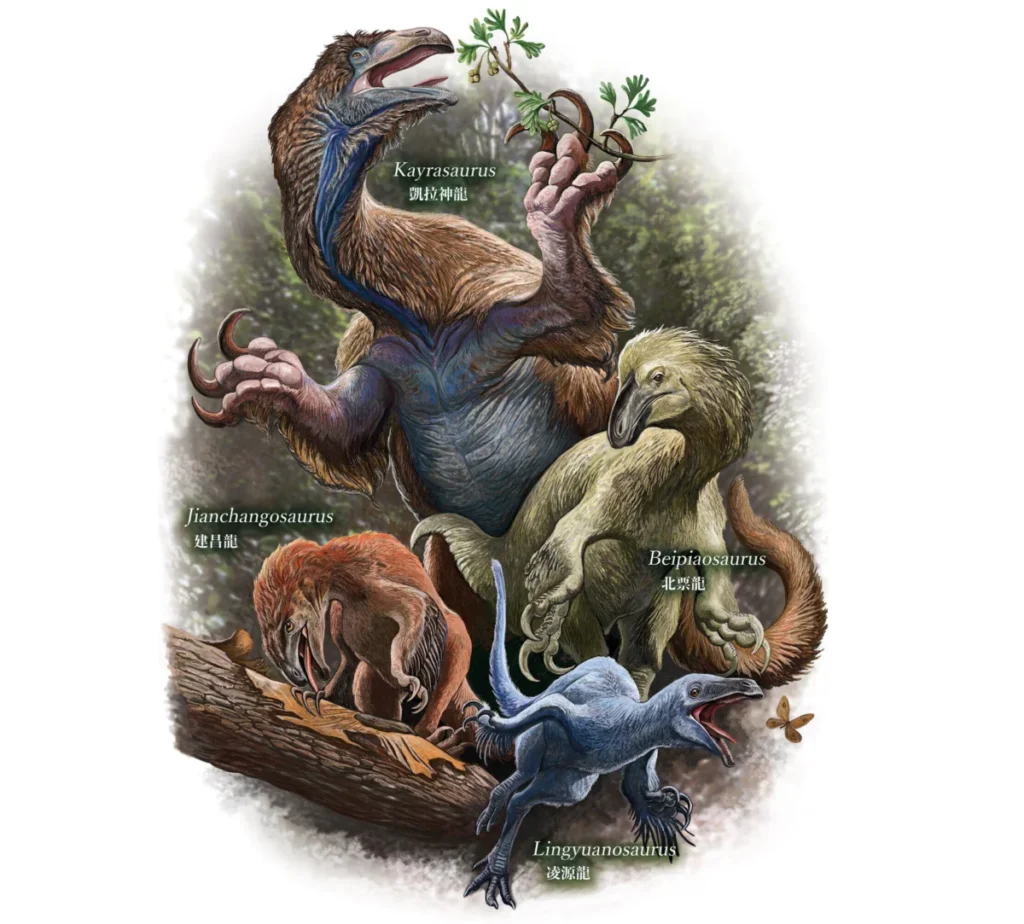
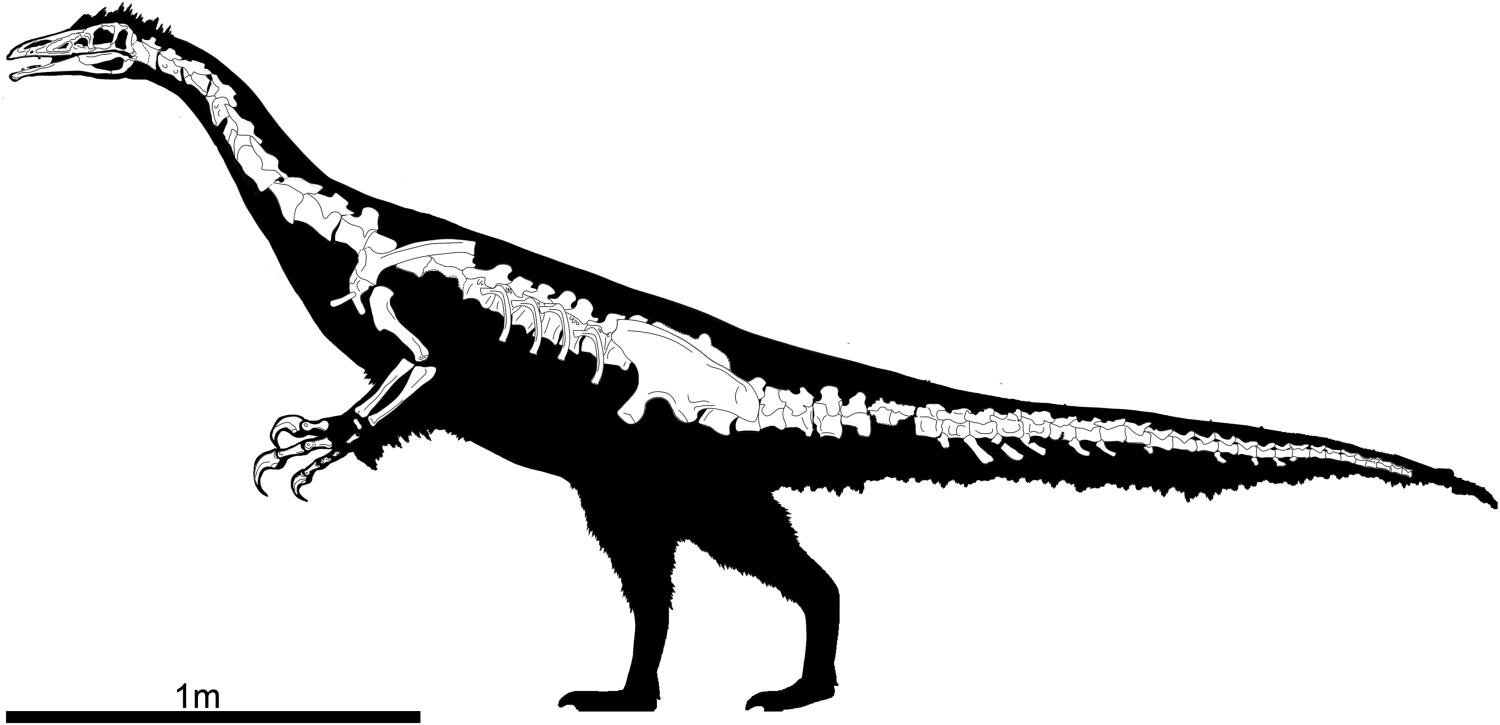
Analysis of the nearly complete skeletal specimen indicates that K. changliensis was an exceptionally robust animal. Researchers estimate that the subadult individual weighed between 250 and over 600 pounds, placing it on par with an adult male grizzly bear. Measuring nearly 12 feet in length—roughly the size of a small moving truck—the animal was approximately 1.6 times larger than the second-largest known Chinese therizinosaur, Beipiaosaurus inexpectus. Because osteological analysis confirmed that the recovered specimen was still actively growing at the time of its death, fully mature adults would have attained even greater dimensions.
Morphologically, K. changliensis adhered to the general silhouette shared by its relatives: a long neck, a relatively small head, a bipedal stance, a prominent potbelly, and diminutive forelimbs armed with oversized claws. However, its cranial and dental architecture set it apart starkly from other known theropods.
Chronology and Background of Therizinosaur Research
The evolutionary history of Therizinosauria spans a significant portion of the Cretaceous period. Originating by at least the Early Cretaceous, therizinosaurs successfully navigated terrestrial ecosystems for tens of millions of years, culminating as some of the final non-avian dinosaurs before the catastrophic Cretaceous-Paleogene extinction event wiped out the clade approximately 66 million years ago.
For decades, early discoveries of therizinosaur remains—frequently consisting of isolated, colossal claws—baffled early researchers, who initially misidentified them as giant marine reptiles or bizarre edentulous creatures. As more complete skeletons emerged from regions such as the Gobi Desert in Mongolia and the Liaoning Province in China, consensus shifted. Paleontologists recognized therizinosaurs as specialized theropods that transitioned from ancestral carnivory to dedicated herbivory.
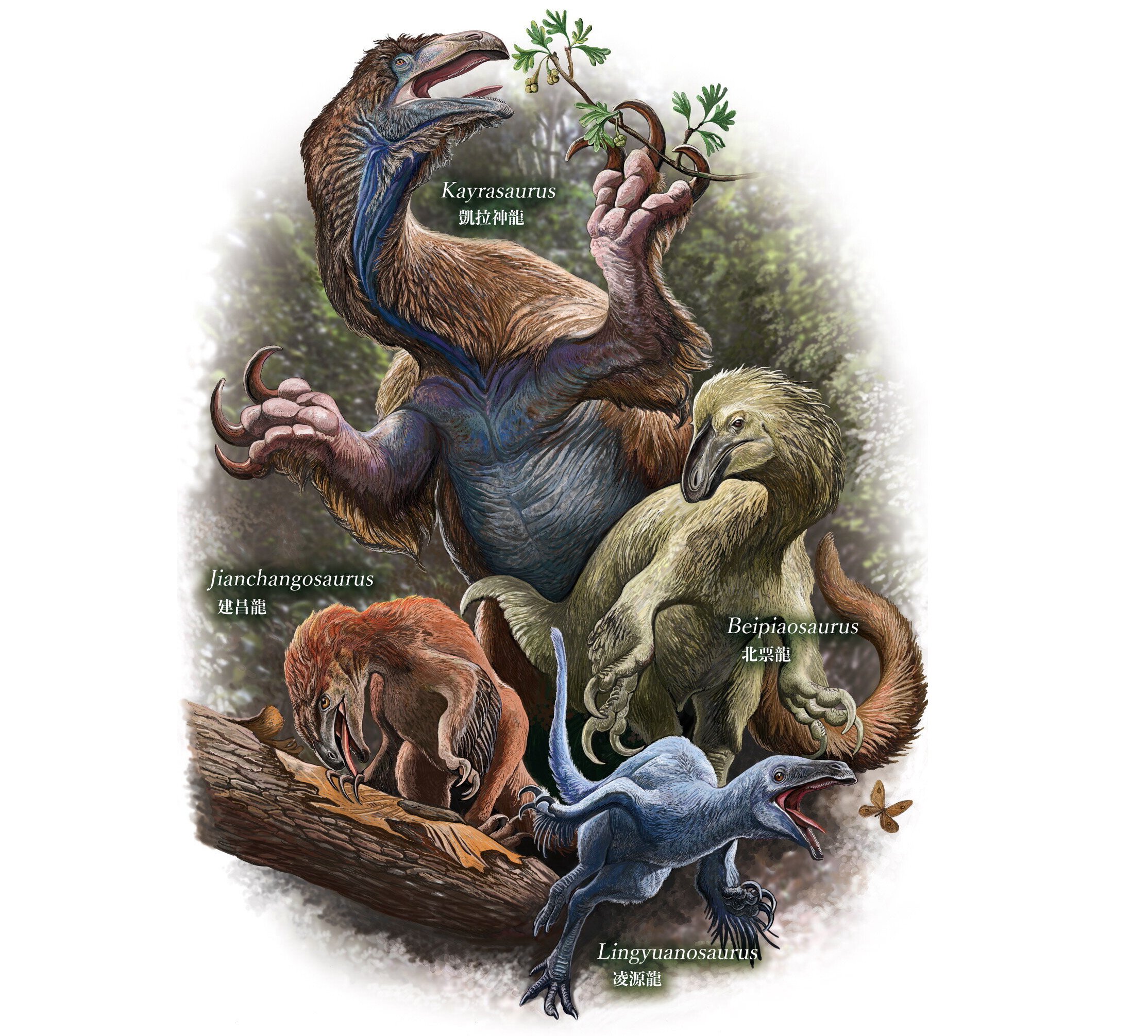
The publication of the Kayrasaurus changliensis description in The Journal of Systematic Paleontology represents the culmination of meticulous fossil preparation and comparative phylogenetic analysis. The research team evaluated the specimen against a comprehensive matrix of theropod traits, confirming its status as a distinct genus and species that occupied a unique ecological niche during the early stages of therizinosaur diversification.
Anatomical Specializations and Dental Anomalies
One of the most striking aspects of Kayrasaurus changliensis is its dentition and jaw structure. While many advanced therizinosaurs ultimately evolved completely toothless beaks, K. changliensis retained a dense battery of small, tightly packed teeth configured with a pronounced underbite.
The fossil evidence reveals an asymmetry in dental distribution: the lower jaw harbored 45 teeth, while the upper jaw contained 32. In contrast, no other large-bodied therizinosaurus has been documented with more than 40 teeth in either the upper or lower jaw. This elevated tooth count suggests a dietary processing mechanism tailored to tough, fibrous vegetation.
Furthermore, the cranium and mandible featured specialized fenestrae, or natural openings. The lower jaw exhibited a distinct triangular side opening, while the upper jaw possessed an enlarged opening situated close to the snout. While the biomechanical or physiological purpose of these cranial openings remains under investigation, researchers suggest they may have served to lighten the skull while accommodating complex jaw-muscle attachment sites required for powerful processing of plant matter.
Supporting Data and Ecological Implications
The discovery of K. changliensis alters previous assumptions regarding the physical limits and locomotory styles of early therizinosaurs. With its heavier, more heavily built skeletal frame, K. changliensis was markedly less agile than its sleeker, running-adapted contemporaries.
While smaller therizinosaurs likely relied on speed to evade contemporaneous apex predators such as large dromaeosaurs, K. changliensis traded cursorial efficiency for sheer mass and processing power. Its anatomical suite indicates a lifestyle optimized for sustained foraging and robust mechanical digestion rather than rapid flight or evasion.
Despite possessing formidable claws and a robust bite, paleontological consensus strongly reinforces that K. changliensis was strictly herbivorous. The structure of its jaw joints, tooth wear patterns, and the arrangement of its tooth rows align closely with those found in recognized plant-eating dinosaur clades. Popular depictions in media—such as aggressive predatory encounters featured in cinematic franchises—run counter to the biological reality that these animals were specialized consumers of leaves, branches, and other high-fiber flora.
Broader Impact and Future Research Directions

The addition of Kayrasaurus changliensis to the fossil record enriches scientific understanding of ecosystem dynamics in the Yixian Formation. During the Early Cretaceous, this region supported a diverse, multi-tiered flora that included early angiosperms (flowering plants), conifers, and ferns. The presence of a massive, specialized herbivore like K. changliensis demonstrates that ecological niches involving high-volume plant consumption were already well-established and occupied by diverse clades early in the Cretaceous.
Researchers emphasize that ongoing excavations in northeastern China will be crucial for uncovering additional material, including fully mature adult specimens, which will allow for ontogenetic studies tracking how the animal’s physical proportions changed from youth to adulthood. By continuing to examine the unique cranial openings, dental morphology, and post-cranial skeleton of K. changliensis, paleontologists hope to unravel the broader evolutionary pressures that drove some of history’s most unusual carnivorous ancestors to evolve into gentle, albeit bizarrely armed, giants of the ancient forest canopy.