



Quebec’s institutes of higher education currently find themselves at the epicenter of a multifaceted crisis that transcends campus boundaries, challenging the province’s long-standing model of academic development. As the October 5, 2026, provincial election approaches, the role of universities—once considered the undisputed engines of the Quiet Revolution—is being re-evaluated through the lenses of fiscal austerity, immigration reform, and the preservation of the French language. While these debates often appear disjointed, they converge on a singular, existential question: what is the fundamental mission entrusted to universities by Quebec society?

The historical narrative often cites the 1960s as the "Big Bang" of Quebec’s modern university system. The creation of the Ministry of Education in 1964, following the recommendations of the Parent Commission, transformed higher education from a cloistered, religious-led privilege into a public pillar of modernization. However, contemporary scholars argue that this view is reductionist. Sociologist Louis Maheu, professor emeritus at the Université de Montréal, contends that the infrastructure of modernization was already taking root in the 1920s and 30s through the efforts of figures like Marie-Victorin, who established the foundations for scientific inquiry long before the state formalized its control. The current tensions are therefore not merely modern squabbles, but symptoms of a deepening disconnect between the state’s historical reliance on universities and the contemporary pressures of a globalized, demographic-sensitive society.
A Chronology of Expansion and Integration
The evolution of the university system in Quebec can be broken down into three distinct phases:
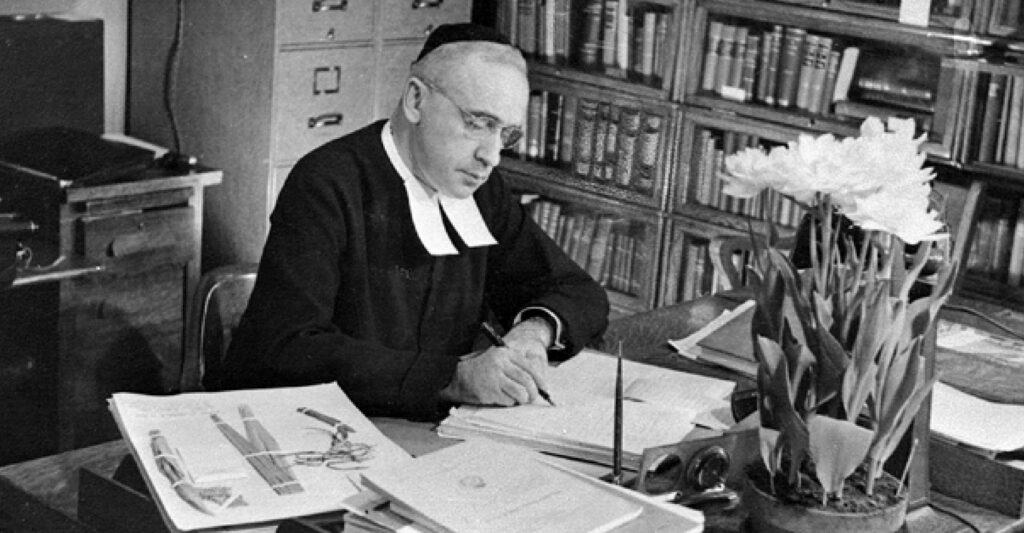
- The Foundation (1920–1959): Marked by the rise of scientific research and the intellectual groundwork laid by individuals such as Pierre Dansereau and Jacques Rousseau. The "Prix David" played a crucial role in enabling Quebec’s brightest minds to study in Europe, importing intellectual capital back into the province.
- The Quiet Revolution and Democratization (1960–1980): The rapid expansion of the Université du Québec (UQ) network was designed to democratize access for francophones who had been historically marginalized. During this era, universities served as the primary vehicle for social mobility and the creation of a new francophone professional elite.
- The Era of Innovation and Economic Utility (1981–2020): Following the technological shift of the 1980s, the mission of the university began to pivot toward "innovation." Governments began to view universities as essential contributors to regional economic competitiveness, leading to an increase in industry partnerships and applied research.
Today, we have entered a fourth, arguably more precarious phase: the era of the "politicized institution." Universities are no longer just sites of learning; they have become battlegrounds for the management of immigration, housing, and national identity.
Data and Disparities: The "Quiet Crisis"
Despite the successes of the post-1960s expansion, a "quiet crisis" persists. Statistical evidence highlights a lingering gap in educational attainment between Quebec and its neighbors. As of 2020, data indicates that only 38 percent of Quebecers aged 25 to 44 held a university degree, compared to 44 percent in Ontario. This 6-point disparity is particularly pronounced among francophone Quebecers, suggesting that while the UQ network succeeded in providing geographic access, it has struggled to reach parity in high-level credentialing.
The financial underpinnings of this crisis are equally stark. Universities are currently navigating a landscape of frozen tuition fees, fluctuating government subsidies, and a massive reliance on international student tuition to bridge budget deficits. The introduction of government-imposed quotas on international students—a measure framed as a solution to the housing crisis—has created a direct conflict between the government’s migration strategy and the financial autonomy of institutions like McGill, Concordia, and the Université de Montréal.
The Institutional Friction: Immigration and Autonomy
The current provincial election campaign has brought these tensions to the surface. For the Coalition Avenir Québec (CAQ) and the Parti Québécois (PQ), the university system is increasingly viewed as a tool for demographic engineering. By capping international student numbers, the government aims to alleviate pressure on housing markets and preserve the linguistic landscape of Montreal.
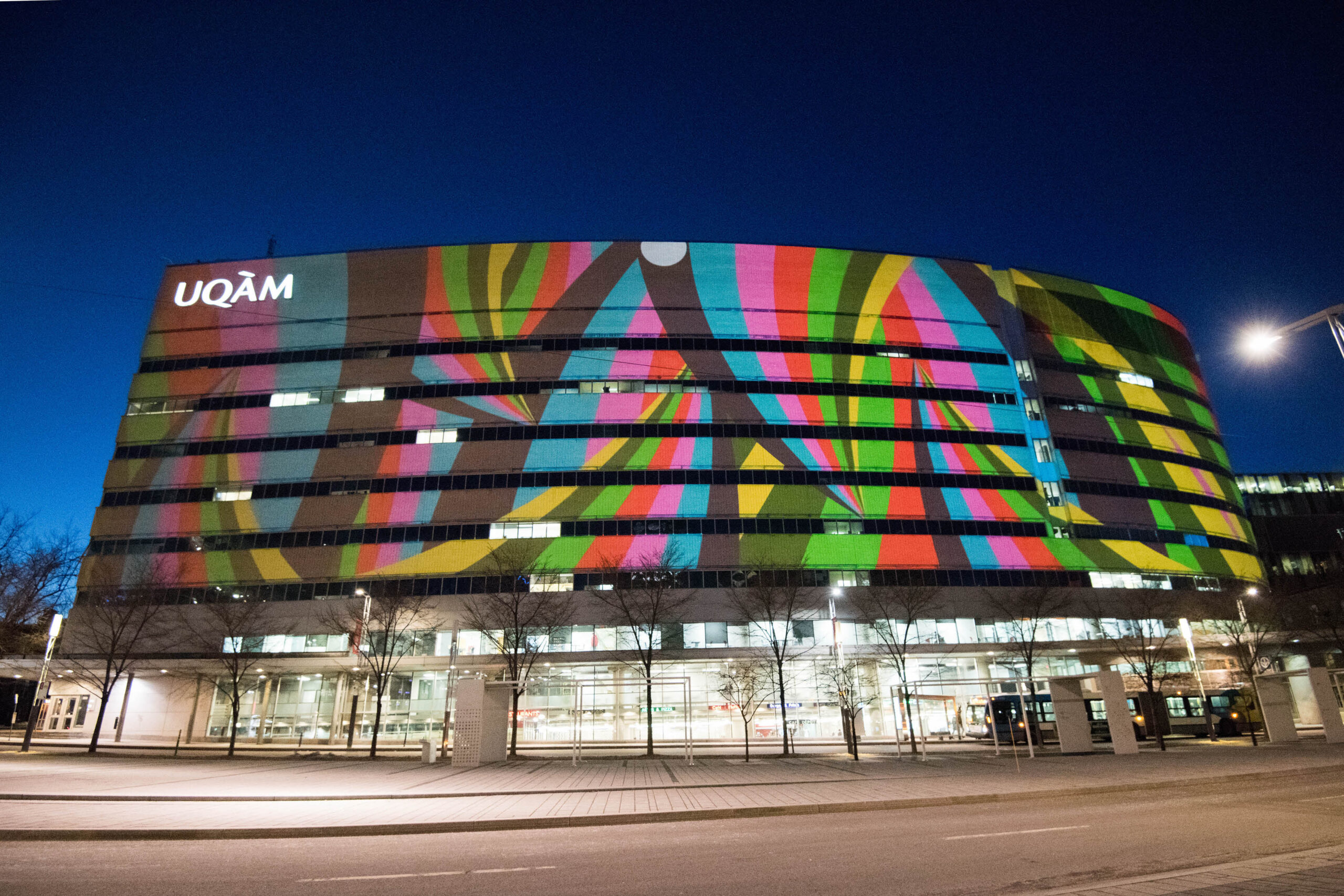
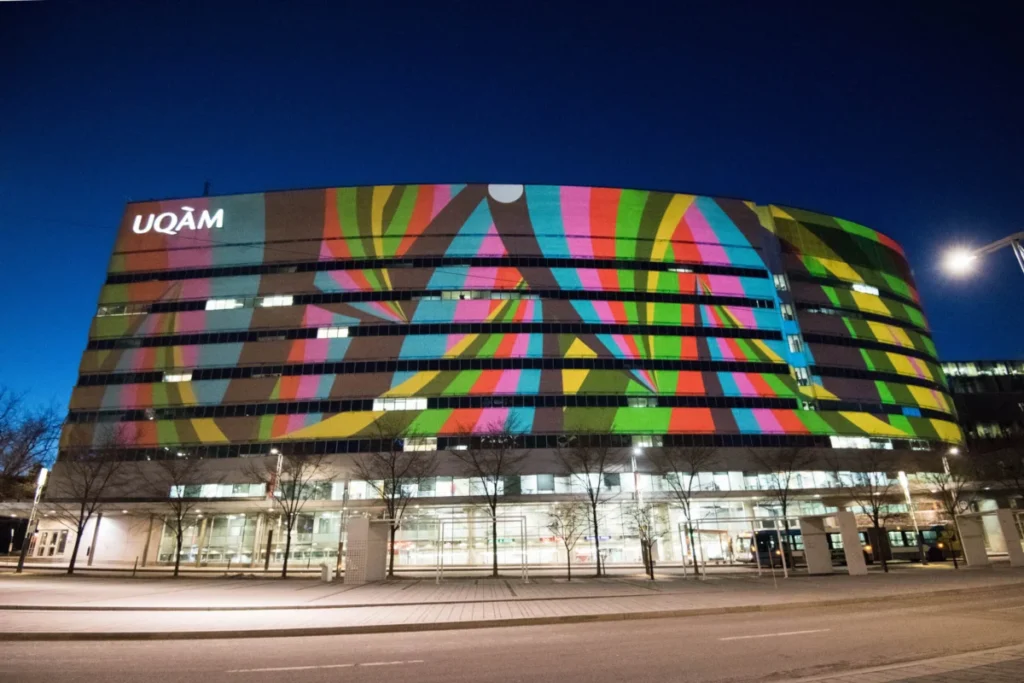
However, academics and university administrators argue that this policy risks decoupling the university from its global mandate. Historian of science Yves Gingras of the Université du Québec à Montréal (UQAM) has been vocal in his critique: "It was a major error to tie universities to immigration policy objectives. A university’s mission is to teach, conduct research, and serve society—it is not to manage immigration."
This sentiment is echoed by the administrative leadership of various institutions, who contend that the current political rhetoric threatens to undermine Quebec’s ability to attract top-tier global talent. If universities are forced to operate primarily as political instruments rather than intellectual hubs, the quality of research and the competitiveness of the provincial economy may suffer in the long term.
Broad Implications: The Future of the Quebec Model
As the political debate intensifies, the lack of a clear, coherent strategy for higher education remains a point of concern for policy analysts. Political scientist Daniel Béland of the McGill Institute for the Study of Canada notes that while parties are quick to mention education in their platforms, they rarely distinguish between the distinct needs of the K-12 system and the complexities of higher education.
The implications of this neglect are significant:
- Brain Drain Risks: If funding remains stagnant and international enrollment is restricted without a corresponding increase in domestic public investment, Quebec risks losing its most promising researchers to provinces or countries with more robust support systems.
- Economic Stagnation: The transition from a "knowledge economy" to a "managed economy" could inhibit the innovation that the province has prioritized since the 1990s.
- Democratic Engagement: Historically, universities in Quebec have been hotbeds of political discourse. By centralizing control and limiting institutional independence, the province may unintentionally dampen the very democratic aspirations that the Quiet Revolution was designed to foster.
The Path Forward: A Call for Long-Term Strategy
The central challenge for the next government will be to reconcile the immediate, often populist, demands of the electorate with the long-term strategic needs of the academic sector. As Dr. Maheu asks, "Do we want to set ourselves up for fifty years of progress, or merely manage the pressures of the next five?"
The current landscape suggests that without a fundamental shift in how the state views its academic institutions, the friction will only increase. Whether the solution lies in increased public funding to compensate for the loss of international tuition revenue, or a restructuring of the research mandate, the debate is no longer optional.
Ultimately, the university system stands as a mirror to Quebec’s own identity. If the province views itself as an open, modern, and competitive society, its universities must be empowered to operate as autonomous, high-level institutions. If, however, the focus remains on short-term demographic and linguistic containment, the province risks stalling the engine of progress that has defined its last sixty years. As voters head to the polls on October 5, they are casting a vote not just for a party, but for the definition of the intellectual and social future of Quebec. The degree to which the next administration prioritizes the university as a strategic asset rather than a political variable will likely determine the province’s trajectory for the remainder of the 21st century.