



Traditional photography, frequently constrained by standard 3:2 aspect ratios, often struggles to encapsulate the true, expansive majesty of monumental geography. Sweeping valleys, towering mountain ranges, sprawling metropolitan skylines, and vast night skies demand a wider perspective to convey their physical scale and atmospheric depth. Panoramic photography bridges this gap, allowing visual artists to freeze time across a broader field of view and present viewers with an immersive window into the natural and built environments.
The Epson International Pano Awards has established itself as the preeminent global platform celebrating this specialized art form. Now in its 17th consecutive year, the competition draws entries from every corner of the globe, showcasing everything from the glacial fjords of Iceland and the rolling dunes of Chile to the vertical geometry of New York City and Shanghai. For 2026, the contest received an extraordinary 4,084 submissions submitted by professional and amateur photographers representing 93 distinct countries. The sheer volume and international diversity of the entries underscore the growing popularity and technical evolution of panoramic photography in the digital age.
The Pinnacle of Global Landscape Photography: Daniel Viñé Garcia Takes Top Honors
At the center of this year’s accolades is Spanish landscape and aerial photographer Daniel Viñé Garcia, whose exceptional portfolio and stunning single-image captures earned him the prestigious title of Open Photographer of the Year, alongside the Open Aerial winner and RAW Planet Award for his breathtaking image titled “The Sleeping Giant.”
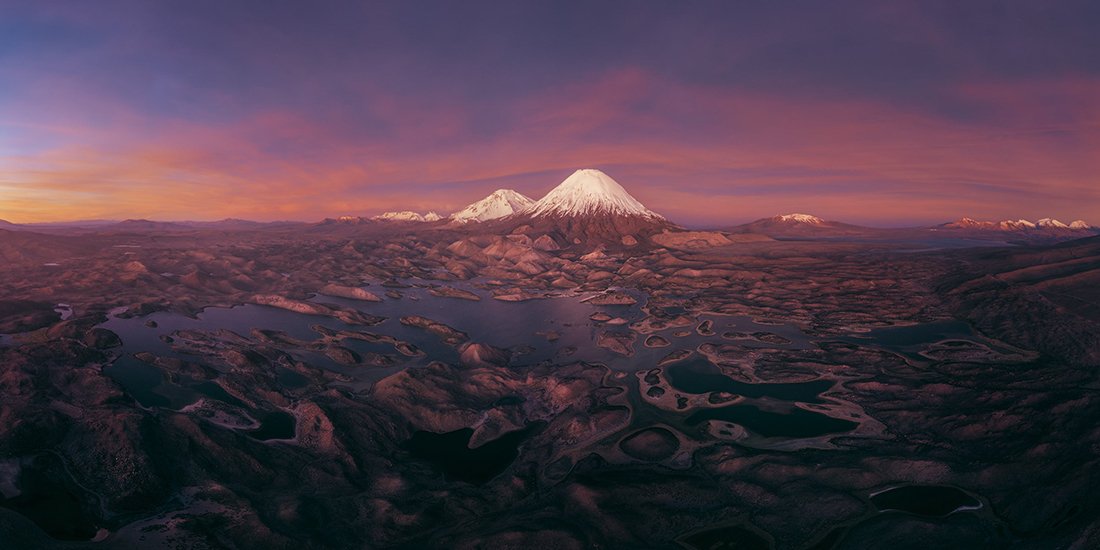
Garcia’s winning entry captures the haunting, ethereal beauty of the Parinacota Volcano in Chile, a towering stratovolcano situated on the border of Bolivia and Chile within Lauca National Park. Standing at an elevation exceeding 6,300 meters, the volcano features a striking, nearly symmetrical snow-covered cone that immediately invites comparisons to iconic peaks like Japan’s Mount Fuji. Flanked by its sister giant, Pomerape, which reaches over 6,200 meters, the duo forms one of the most visually compelling high-altitude vistas in South America.
To secure the shot, Garcia undertook a rigorous logistical challenge. High-altitude landscape photography requires extensive preparation, physical endurance, and precise timing. After allowing ample time for proper physical acclimatization, Garcia spent three grueling days and nights camping at roughly 4,500 meters above sea level. This endurance strategy was designed to ensure he could capture the landscape under optimal environmental conditions, free from unpredictable weather shifts.
The winning photograph was ultimately captured during the fleeting, dramatic moments of dusk. Following a final, vivid burst of natural sunlight, the entire high-altitude ecosystem transitioned into deep, saturated magenta hues. This atmospheric shift enveloped the dormant volcanic peaks and the surrounding high-altitude Andean lakes in a moody, otherworldly atmosphere. Technically, the base image began as a complex 360-degree aerial panorama constructed from 33 individual high-resolution exposures. Garcia later meticulously refined the framing from this expansive master file to focus the final composition tightly on the volcanoes, the shifting light, and the sweeping geometry of the altiplano landscape.
Global Excellence Across Open and Amateur Categories
Beyond the grand prize, the 17th edition of the competition highlighted remarkable talent across multiple specialized brackets, demonstrating the versatility of panoramic mediums across both natural ecosystems and human-made environments.
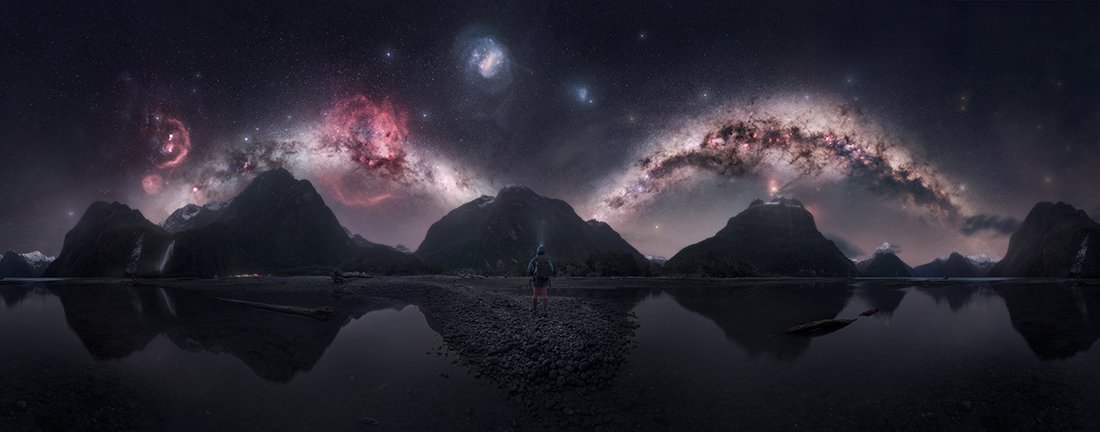
In the Open Nature/Landscape category, Spanish photographer Mikel Iraeta secured top honors with his mesmerizing composition “Double arch on Milford Sound,” captured against the dramatic, glacier-carved backdrop of New Zealand’s Fiordland National Park. The image brilliantly pairs the stark verticality of Mitre Peak with the sweeping, luminous band of the Milky Way, emphasizing the harmonious interplay between terrestrial majesty and celestial phenomena.

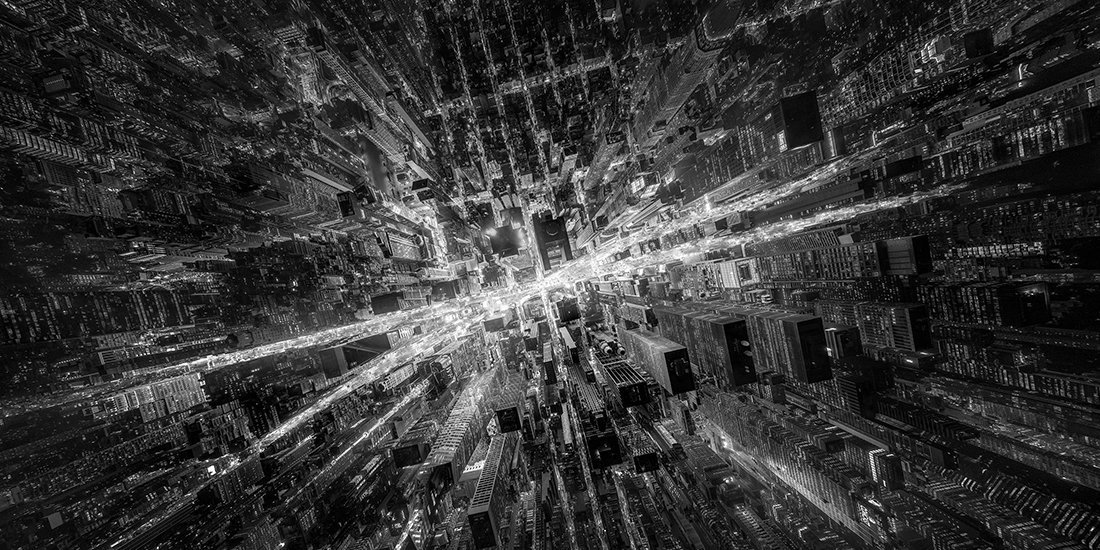
Meanwhile, the Open Built Environment category was won by Xuecheng Liu for his striking urban composition “Center of the Cosmos,” which captures the dizzying grid layout and architectural density of New York City. By utilizing advanced panoramic framing techniques, Liu transformed familiar urban corridors into a geometric tapestry that reflects the relentless pulse of modern human civilization.
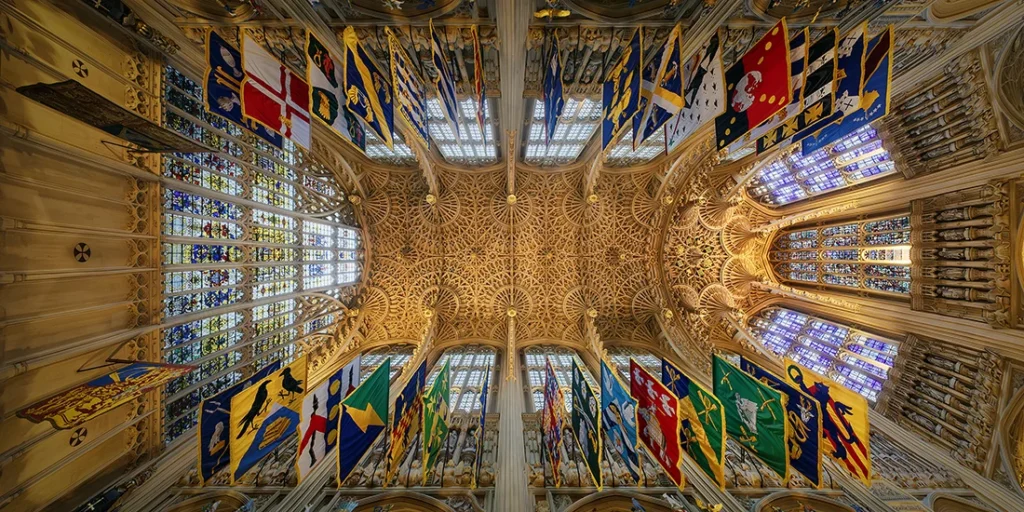
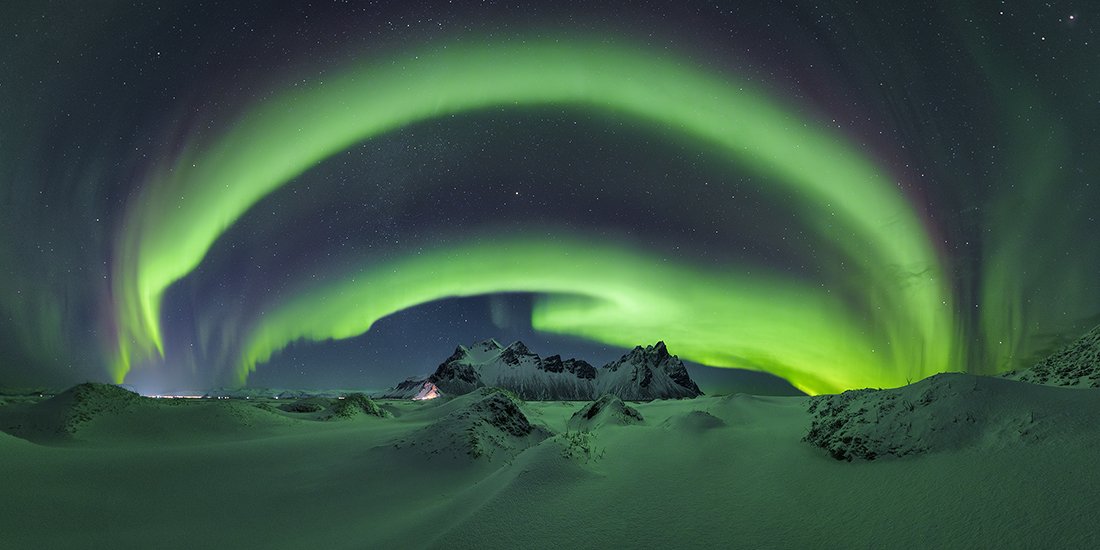
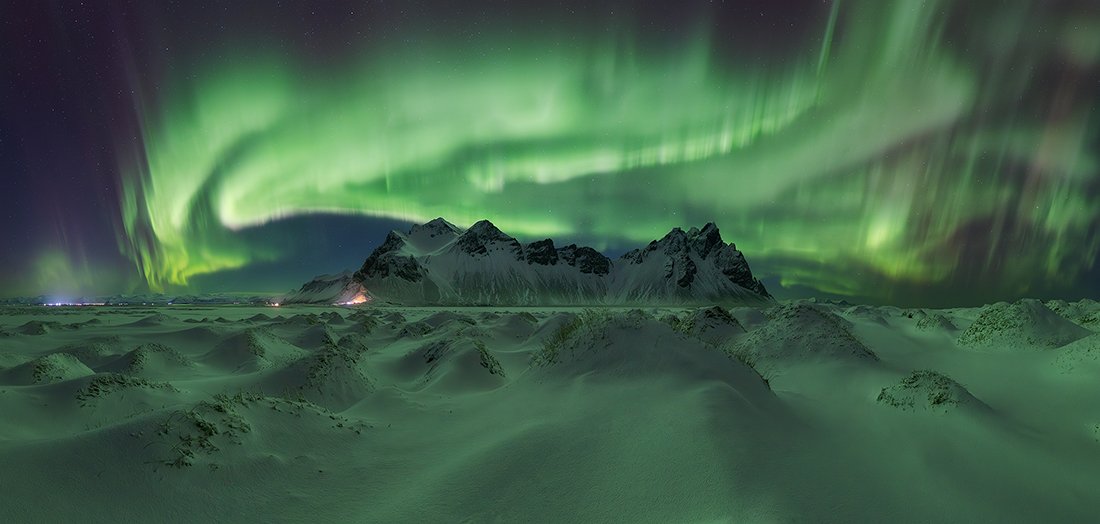
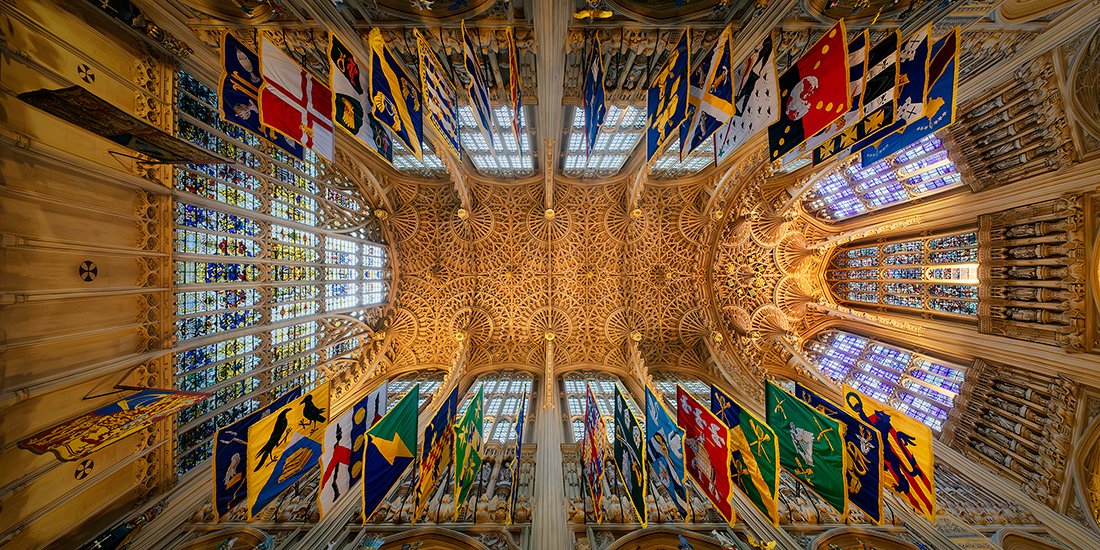
The amateur division demonstrated an equally high caliber of technical skill and artistic vision. Tomás Sánchez Ruiz claimed the title of Amateur Photographer of the Year, driven by his stunning coastal and architectural works. His winning amateur nature piece, “Double Arch Over Stokksnes,” captures the brooding, snow-dusted slopes of the Vestrahorn mountain in Iceland beneath a swirling canopy of green aurora borealis. Ruiz also secured accolades for his interior architectural panorama of London’s historic Westminster Abbey, proving his mastery across divergent photographic disciplines.
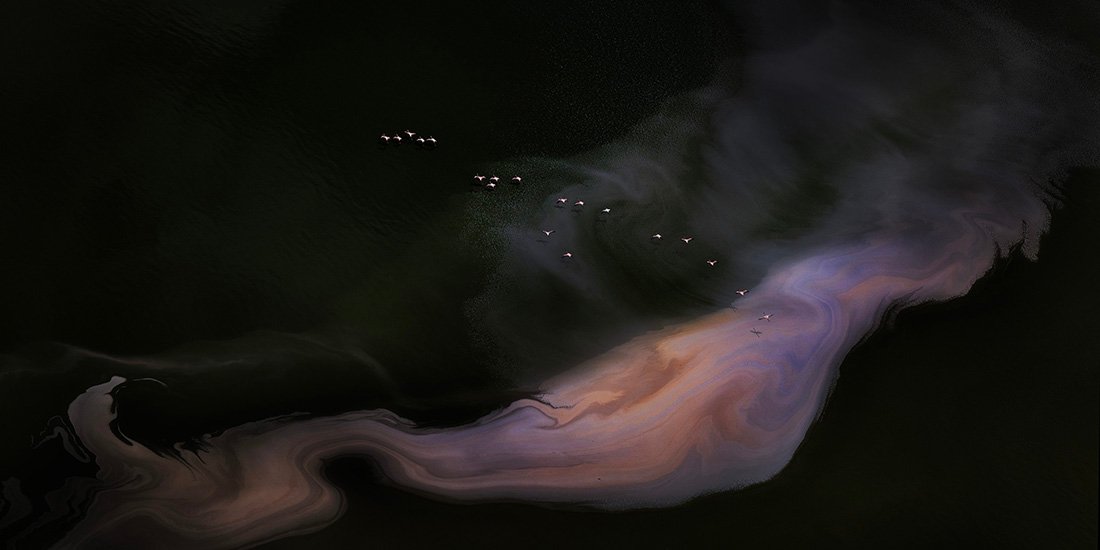
Additional category winners included Xuejun Long, who took the Amateur Aerial prize for “Journey of Life,” an abstract, pink-hued aerial exploration of Kenya’s Lake Magadi populated by flocks of migratory birds. Sebastián Cantos Navalon captured the Amateur Built Environment award with “Stairs from Earth to Heaven,” an intricate vertical panorama highlighting the dizzying, hypnotic geometry of a modern architectural staircase in Valencia, Spain.
Technical Innovations and Special Recognition Awards

The Epson International Pano Awards evaluates submissions not only on artistic merit and emotional resonance, but also on technical execution, stitching precision, and post-processing restraint. As camera sensors evolve and drone technology becomes increasingly sophisticated, the boundaries of what is possible in panoramic capture continue to expand.

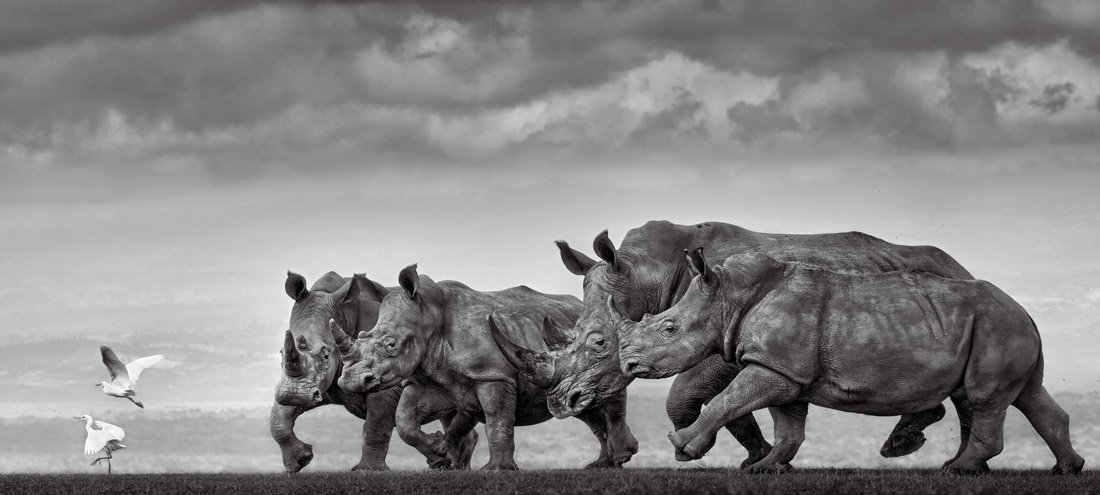
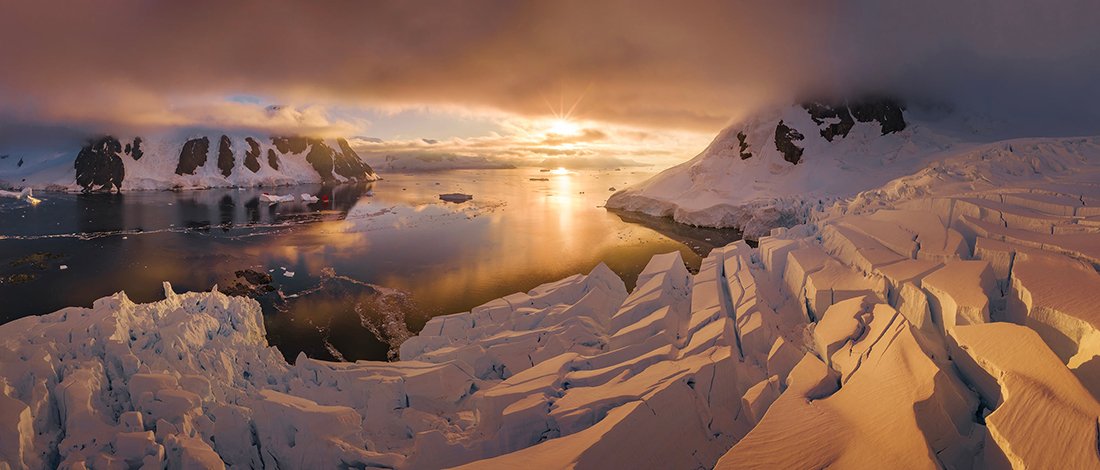
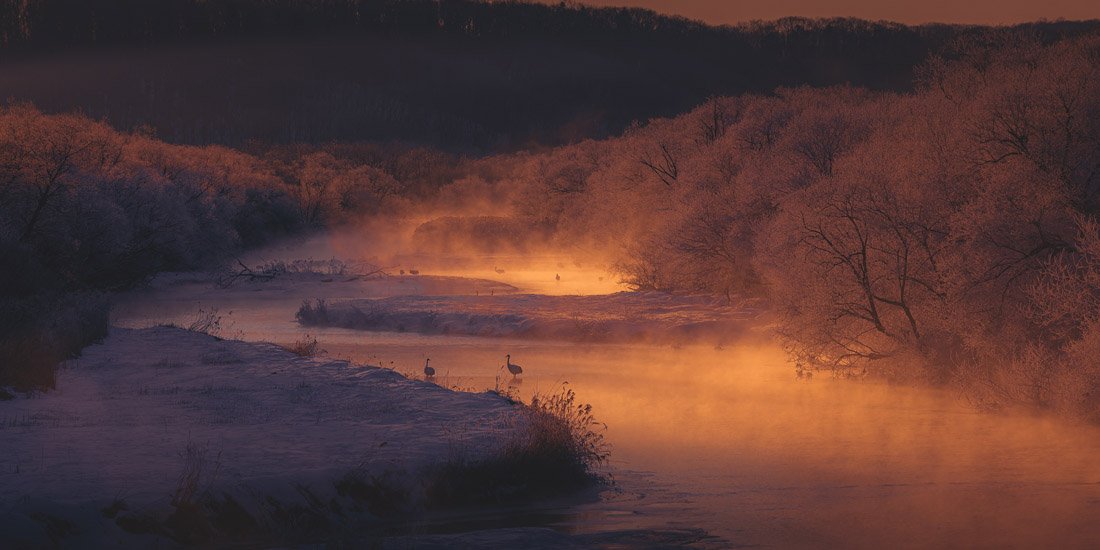
Among the special prizes awarded this year, the Epson Digital Art Prize was presented to Preeti and Prashant Chacko for their dynamic Kenyan wildlife panorama titled “The Rugby Players,” featuring a spirited interaction between rhinoceros and local birdlife in Nyeri. The Curator’s Award was given to Max Terwindt for “Antarctic Nights,” a serene exploration of twilight across the glacial expanse of the southernmost continent.
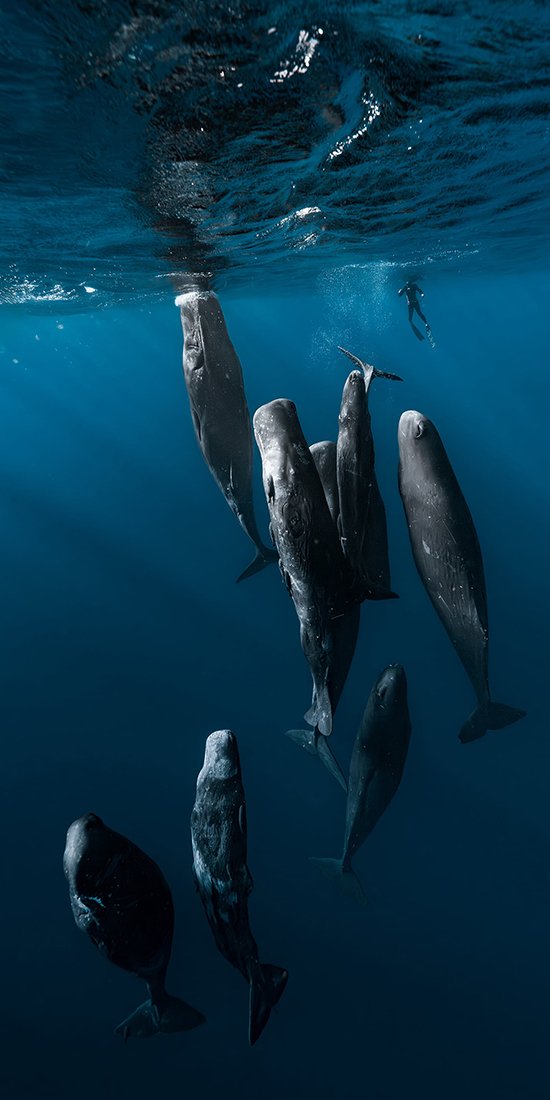
Technical excellence was further celebrated through specialized sub-categories. Szabi Nemeth claimed the award for the Highest Scoring Vertical Image with “Between Giants,” an intimate underwater capture from the Indian Ocean in Mauritius that places a lone diver in scale-defying proximity to a pod of majestic marine mammals. In the digital scale arena, Vitaly Golovatyuk earned the Highest Scoring Gigapixel Image for “X marks the spot in Shanghai,” a monumental, hyper-detailed urban stitch capturing the complex road networks and commercial infrastructure of China’s most populous city.
The Broader Implications of Panoramic Preservation
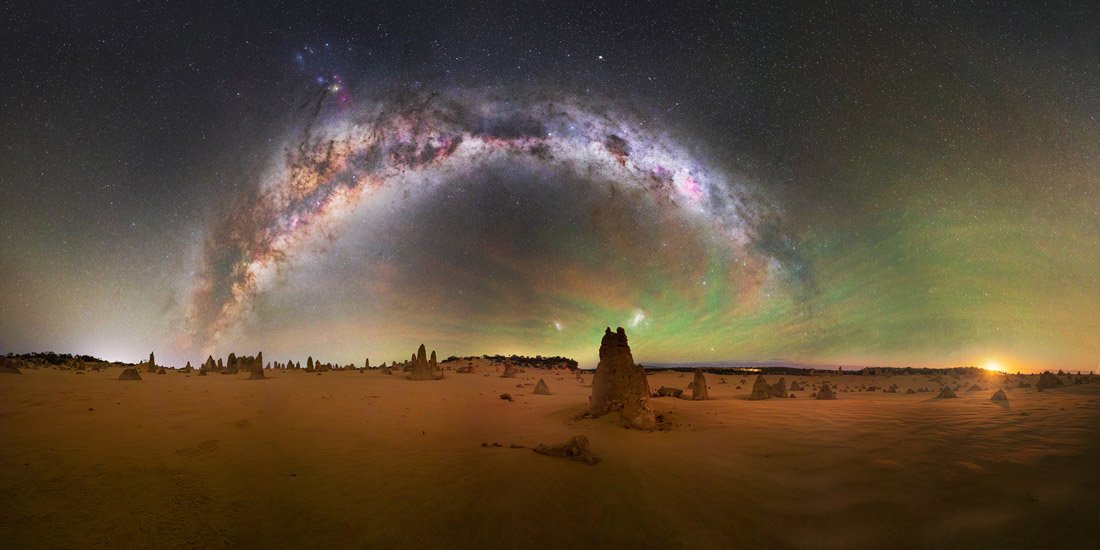
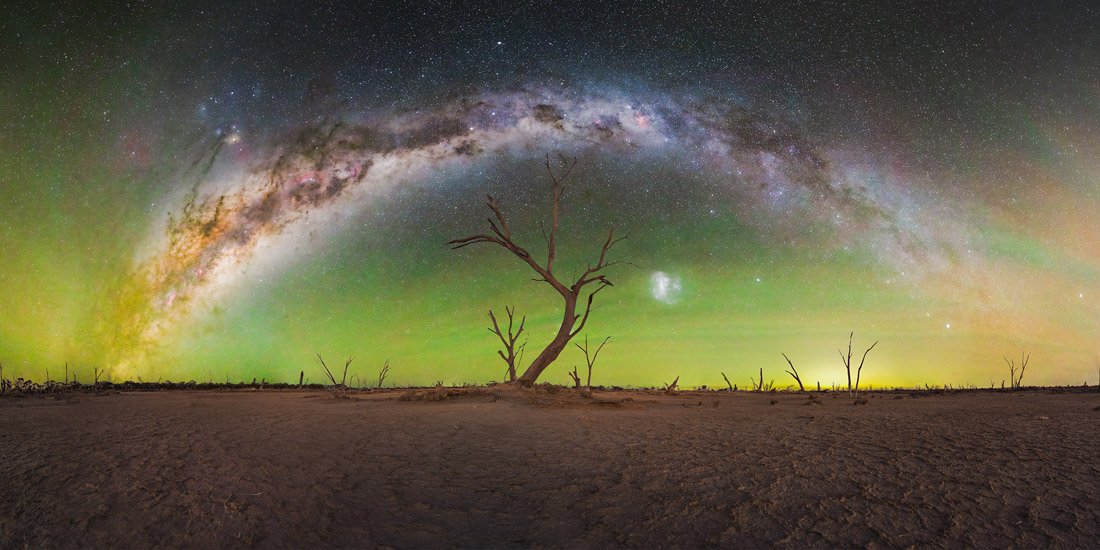
While competitions like the Epson International Pano Awards celebrate technical mastery and aesthetic beauty, they also serve a broader cultural and environmental function. Many of the winning and finalist images—ranging from the melting glacial fjords of Greenland to the fragile high-altitude ecosystems of the Chilean altiplano and the remote salt lakes of Western Australia—document landscapes undergoing rapid ecological transformation.
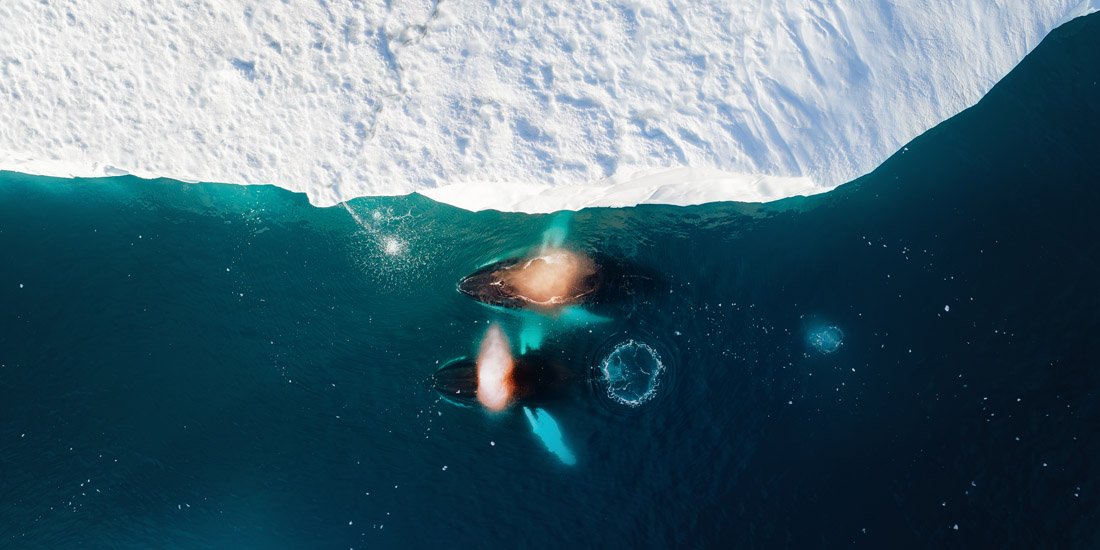
By presenting these environments in immersive, panoramic formats, photographers provide viewers with a deeper connection to places they may never visit in person. This expanded visual scope fosters environmental awareness and a greater appreciation for the geographical diversity of our planet. The ability to capture a 360-degree vista or a hyper-detailed gigapixel landscape transforms a photograph from a simple recording of a scene into a comprehensive historical record of Earth’s evolving topography.
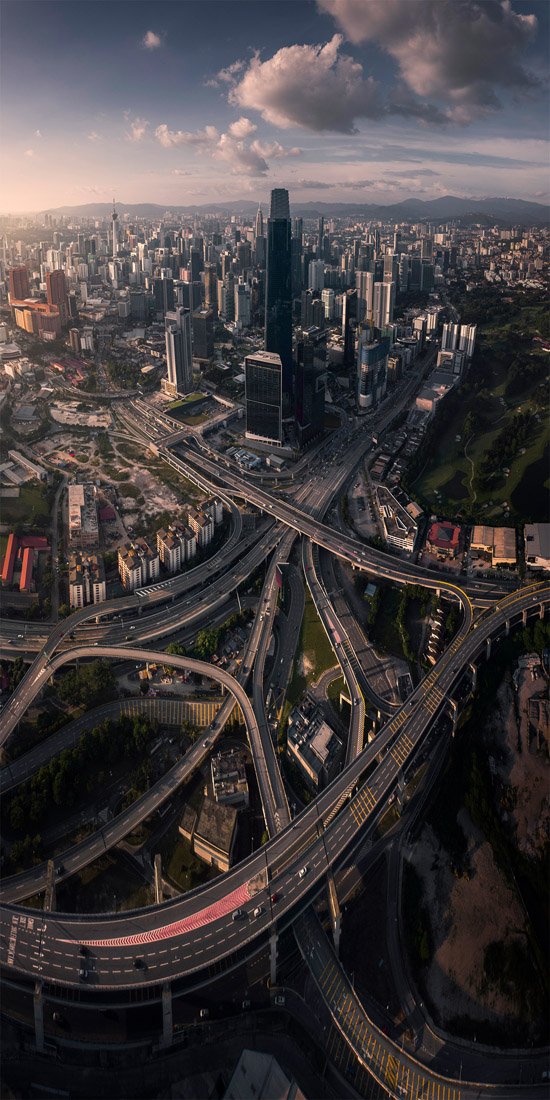
The complete gallery featuring all 2026 winning entries, runners-up, and finalist portfolios is currently available for public viewing on the official Epson International Pano Awards website, offering photography enthusiasts and nature lovers alike an unhindered window into the boundless beauty of our world.