

In the dynamic landscape of modern professional development, the creation of effective and engaging learning environments is paramount. However, a pervasive challenge often hinders the success of these initiatives: the assumption of a "universal learner." This misconception, which presumes all individuals approach learning with similar levels of digital fluency, access, and support, risks alienating a significant portion of the workforce. Moodle, a leading open-source learning platform, is advocating for a paradigm shift, emphasizing that small, intentional design choices can dramatically enhance inclusivity, engagement, and overall effectiveness for every learner.
Jess Bryant, Learning Design Team Manager at Moodle, underscores the critical need to move beyond content-centric approaches. "We spend a lot of time perfecting content," Bryant states, "but content isn’t the only thing that shapes someone’s experience. To encourage learner engagement, we need to build an environment that supports learners with varying levels of digital confidence and connectivity." This sentiment is particularly relevant as organizations increasingly rely on digital platforms to deliver training, onboard new employees, and foster continuous skill development. The consequences of neglecting diverse learner needs can be significant, impacting productivity, employee retention, and an organization’s ability to adapt to evolving market demands.
The Myth of the Universal Learner and the Rise of Digital Capital
Online learning platforms, at first glance, often appear universally accessible. Users can log in, access courses, and participate in activities from virtually any location. Yet, this apparent availability does not translate into a consistent or equitable learning experience. A growing body of research highlights the disparity in how individuals engage with digital learning environments, often influenced by their existing "digital capital."
Digital capital, a concept explored by educational researchers, encompasses the confluence of access to technology, prior experience with online learning systems, and the availability of social support. Learners who possess higher levels of digital capital—those who are already adept with digital tools, have a history of successful online learning, and have a supportive network—often navigate platforms with ease, progressing rapidly through courses. Conversely, individuals with limited technological access, less experience with virtual learning, or a lack of adequate support can find themselves struggling to keep pace, leading to disengagement and a widening of the learning gap.
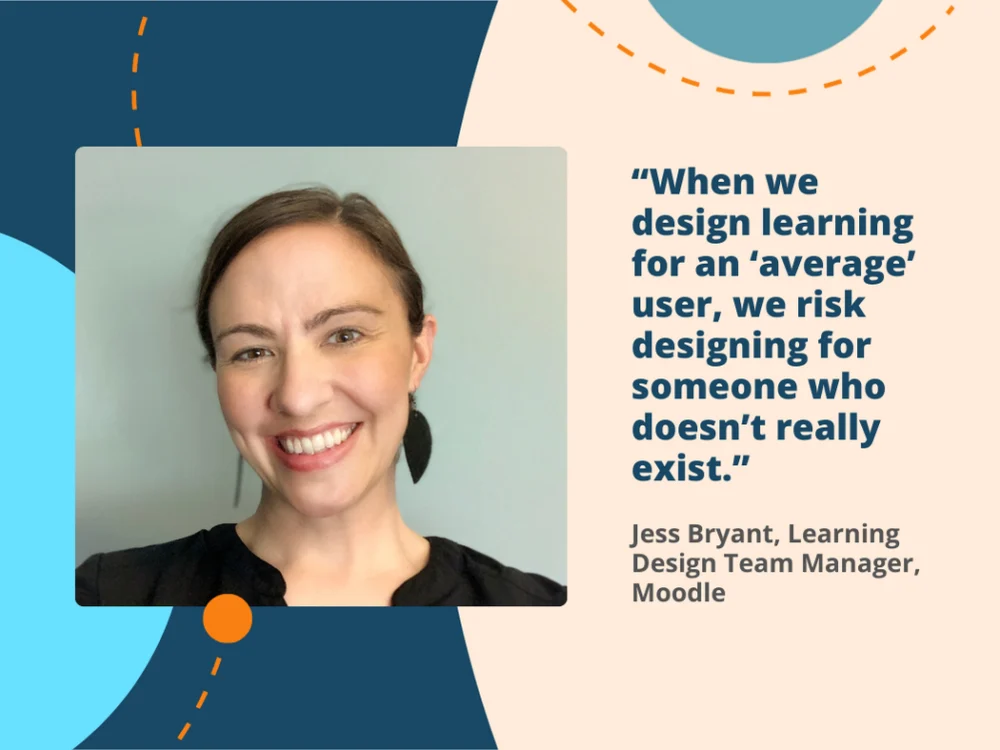
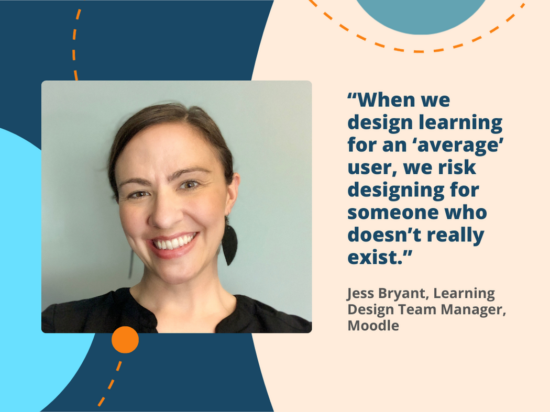
"When we design learning for an ‘average’ user, we risk designing for someone who doesn’t really exist," Bryant explains. "People engage with learning in very different ways depending on their circumstances." This realization is crucial for organizations aiming to maximize the return on their learning and development investments. A platform that inadvertently favors a subset of employees can lead to a situation where valuable training resources are underutilized, and a significant portion of the workforce is not equipped with the skills needed to thrive.
The implications of this disparity are far-reaching. In a competitive business environment, organizations that fail to foster a universally inclusive learning culture risk being outmaneuvered by competitors who can more effectively upskill and reskill their workforce. A 2023 report by Deloitte, for instance, indicated that organizations with strong learning cultures are 4.6 times more likely to report higher revenue growth and 18 percent more likely to be more agile in responding to market changes. This directly correlates with the ability to create learning experiences that cater to the diverse needs of all employees.
The Universal Design for Learning (UDL) Framework: A Workplace Solution
To address the challenges posed by the myth of the universal learner, Moodle champions the adoption of Universal Design for Learning (UDL) principles within workplace education. Originally developed for K-12 and higher education settings by CAST (Center for Applied Special Technology), UDL offers a flexible and adaptable framework for creating learning experiences that are accessible and engaging for a broad spectrum of learners from the outset.
The core tenet of UDL is to move away from a "one-size-fits-all" approach and instead design for variability. This means providing multiple means of engagement, representation, and action and expression. In a workplace context, this translates into practical strategies that can be implemented without requiring a complete overhaul of existing learning management systems (LMS).
"By keeping UDL in mind, we can design for variability from the beginning," Bryant emphasizes. "Rather than adapting a course later for learners who are struggling, we create learning experiences that work for a wider range of people from day one." This proactive approach not only benefits learners but also reduces the burden on instructional designers and facilitators who would otherwise need to provide individualized support for those who fall behind.
Examples of UDL implementation in the workplace include:
- Multiple Means of Engagement: Offering learning materials in various formats, such as short videos, written summaries, interactive simulations, and audio recordings, allows learners to choose how they best absorb information. This caters to different learning preferences and can accommodate varying levels of digital literacy. For instance, an employee who struggles with reading lengthy texts might find a concise video tutorial more accessible and engaging.
- Multiple Means of Representation: Presenting information in diverse ways ensures that all learners can comprehend the material. This could involve using clear and concise language, providing visual aids like infographics and diagrams, offering definitions of technical terms, and ensuring content is compatible with assistive technologies like screen readers.
- Multiple Means of Action and Expression: Providing learners with various options to demonstrate their understanding allows them to showcase their knowledge in ways that align with their strengths. This could include offering a choice between traditional quizzes, reflective journal entries, practical application exercises, or group discussions. For example, an employee who excels at problem-solving might prefer a scenario-based assessment over a multiple-choice test.
The impact of these seemingly small design choices can be profound. A 2022 study published in the Journal of Workplace Learning found that organizations that incorporated UDL principles into their training programs reported a 25% increase in employee engagement with learning materials and a 15% improvement in knowledge retention rates. Furthermore, the study noted a significant reduction in the number of support requests related to platform usability and content accessibility.
Bridging the Gap with Intentional Design Choices
The journey to an inclusive learning environment doesn’t necessarily necessitate a complete technological overhaul or a massive budget reallocation. Often, transformative change can be initiated through a series of deliberate and thoughtful design choices.
Creating clear and predictable course structures is a fundamental step. When learners can easily navigate through modules, understand the sequence of activities, and identify learning objectives, their anxiety levels decrease, and their focus shifts to the content itself. This is particularly beneficial for busy professionals who may only have limited time to dedicate to learning.
Similarly, ensuring flexible course formats that are responsive across various devices—desktops, tablets, and smartphones—is crucial. This acknowledges that employees may access learning materials during commutes, breaks, or from different work environments. Predictable navigation patterns throughout the entire learning ecosystem, rather than just within individual courses, also contribute to a sense of familiarity and ease of use, reducing the cognitive load on learners.
Providing straightforward instructions for all activities and assignments is another often-overlooked yet vital element. Ambiguous or overly technical instructions can create unnecessary barriers. By simplifying language and offering clear, step-by-step guidance, organizations empower learners to confidently engage with the material and build their skills without the frustration of deciphering complex directions.
These deliberate design choices collectively contribute to building learner confidence. As individuals successfully navigate the learning environment and complete tasks, they develop a positive association with the learning process, making them more likely to return for future development opportunities.
The "Bridging the Hidden Learning Gap" Initiative
Recognizing the critical need for practical guidance in this area, Moodle has actively engaged with experts to develop resources aimed at empowering learning designers and course developers. The "Bridging the Hidden Learning Gap" initiative, a comprehensive guide developed by a consortium of specialists, offers practical strategies and actionable ideas for creating learning environments that are not only accessible but also desirable for employees to engage with.
The guide delves into the importance of thoughtful learning design, a strong emphasis on accessibility, and the adoption of human-centered approaches. It provides a roadmap for organizations looking to refine existing learning platforms or launch new ones, ensuring that the principles of inclusivity are embedded from the foundational stages.
"When learning is designed with real people in mind, it doesn’t just become more accessible—it becomes more valuable for the organization as a whole," Bryant concludes. This holistic perspective highlights how investing in inclusive learning design yields tangible benefits for both individual employees and the organization’s strategic objectives.
The implications of this shift are significant for the future of work. As organizations grapple with rapid technological advancements and evolving workforce demographics, the ability to effectively train and upskill all employees will be a key differentiator. By embracing inclusive design principles, companies can foster a culture of continuous learning, enhance employee engagement, improve performance, and ultimately drive greater innovation and success.
The "Bridging the Hidden Learning Gap" guide serves as a vital resource for any organization committed to maximizing the potential of its learning and development initiatives. By adopting the strategies outlined within, institutions can move beyond the limitations of the "average learner" myth and cultivate learning environments where every individual has the opportunity to thrive, contributing to a more skilled, agile, and successful workforce for the future. The guide offers expert insights, realistic strategies, and implementable ideas, making it an indispensable tool for anyone involved in shaping the learning experiences of their organization. Downloading this resource marks a crucial step towards building a truly equitable and effective learning ecosystem.