



The cognitive and cultural sophistication of Neanderthals has been a subject of intense scientific debate for decades, but new evidence suggests that these ancient humans possessed a sophisticated understanding of natural pharmacology long before the advent of modern medicine. According to a study published in the journal PLOS One, birch bark tar—a substance long known to have been used by Neanderthals as an adhesive for tool-making—also possesses significant antibacterial properties capable of inhibiting the growth of common wound-infecting bacteria. This discovery reinforces the growing consensus that Neanderthals were not the primitive "brutes" of popular imagination but were instead capable of complex resource management, healthcare, and long-term planning.
The Discovery of Paleolithic Pharmacology
For years, archaeologists have unearthed samples of a dark, viscous substance at Neanderthal sites across Europe, dating back as far as 200,000 years. Chemical analysis identified this substance as birch tar, produced by the dry distillation of birch bark. While its role as a "stone-age glue" for hafting spearheads and repairing tools was well-documented, researchers began to suspect that its utility extended into the realm of medicine.
The recent study, led by an international team of researchers, sought to test whether the chemical composition of birch tar could serve a dual purpose. By recreating the specific conditions under which Neanderthals would have produced the tar, the team aimed to determine if the resulting substance could effectively combat pathogens. The findings suggest that the use of birch tar may represent one of the earliest known examples of systematic pharmaceutical application in the human lineage.
The Chemistry and Production of Birch Tar
Birch bark is naturally rich in betulin and lupeol, compounds known for their anti-inflammatory and antimicrobial characteristics. However, extracting these compounds into a usable tar requires a specific and controlled process known as pyrolysis—heating the bark in the absence of oxygen.
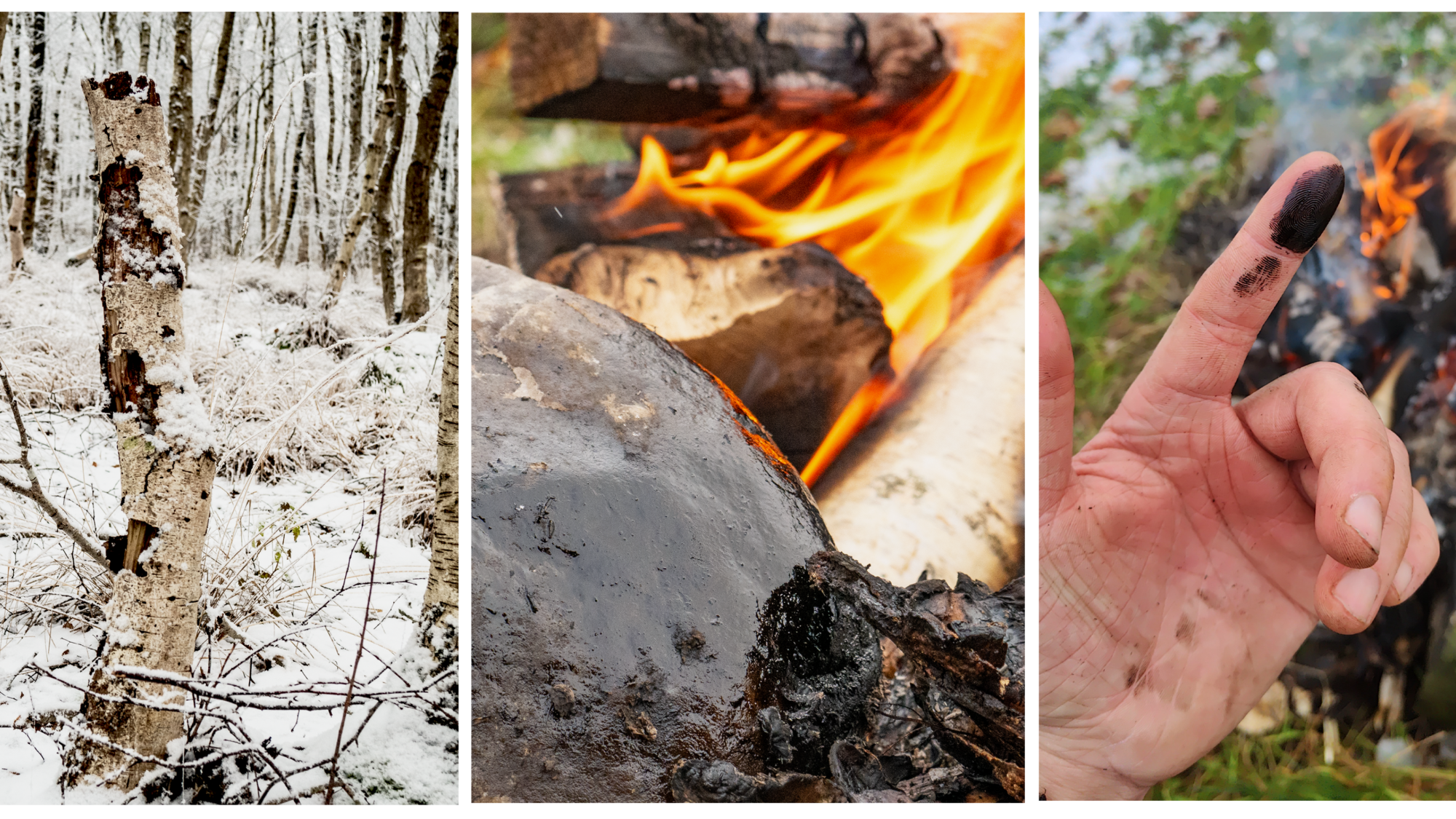
To ensure the accuracy of their results, the research team utilized experimental archaeology techniques. They employed two primary methods likely available to Neanderthals: the "condensation-on-stone" method and the "clay pit" method. The first involves placing birch bark near a fire and allowing the rising gases to condense against a cool stone surface. The second involves burying bark in a pit covered with earth to create an anaerobic environment, then heating the area from above.
The researchers noted that the process was remarkably labor-intensive and required a nuanced understanding of fire control. In a joint statement, the study’s co-authors remarked on the "messiness" and sensory intensity of the production, noting that the viscous nature of the tar made it difficult to remove from hands and tools, which may have further alerted ancient humans to its persistent coating properties—ideal for protecting a wound from the elements.
Experimental Results: Combating Staphylococcus Bacteria
Once the tar was successfully extracted using these primitive methods, it was taken to a laboratory setting to be tested against modern bacterial strains. The team focused specifically on Staphylococcus bacteria, a genus responsible for a wide range of skin and soft tissue infections. In the harsh environments of the Pleistocene, even a minor laceration or scrape could become a life-threatening infection if left untreated.
The laboratory results were conclusive: all tar samples, regardless of the extraction method used, demonstrated a clear ability to hinder the growth of the bacteria. The tar acted as a physical barrier while simultaneously releasing chemical agents that disrupted bacterial colonization. This suggests that when a Neanderthal applied birch tar to a tool, they were inadvertently—or perhaps intentionally—sanitizing the implement. More importantly, the application of the tar directly to human skin would have served as an effective antiseptic dressing.
A Timeline of Neanderthal Innovation
To understand the significance of this discovery, it is necessary to view it within the broader timeline of Neanderthal technological evolution. The use of birch tar is not an isolated achievement but part of a suite of behaviors that demonstrate high-level cognition.
- 200,000–150,000 Years Ago: Earliest evidence of birch tar production in Europe. This predates the arrival of Homo sapiens in the region, proving that the technology was an independent Neanderthal innovation.
- 120,000 Years Ago: Evidence from sites like Königsaue in Germany shows Neanderthals were producing high-quality tar in significant quantities, suggesting a standardized industrial process.
- 50,000 Years Ago: Discoveries of "crayons" made of manganese dioxide and ochre suggest Neanderthals were engaging in symbolic expression and art.
- 40,000 Years Ago: Skeletal remains, such as those found at Shanidar Cave, reveal individuals who survived major injuries and chronic illnesses, indicating that the community provided long-term nursing and medical care.
The revelation that birch tar served as an antibiotic fits perfectly into this timeline of a species that looked after its sick and possessed the technical skills to manipulate its environment for survival.
Parallels with Indigenous Knowledge
The researchers also drew significant parallels between their findings and the traditional ecological knowledge of Indigenous communities in Northern Europe and North America. For centuries, groups such as the Cree and various Scandinavian indigenous populations have used birch bark extracts to treat skin ailments, burns, and respiratory issues.
By bridging the gap between experimental archaeology and indigenous pharmacology, the study validates the efficacy of ancient remedies. It suggests that the "discovery" of antibiotics in the 20th century was, in many ways, a rediscovery of a biological arms race that humans and their cousins have been participating in for hundreds of millennia.
Broader Implications for Modern Medicine
The study of "palaeopharmacology" is not merely an exercise in historical curiosity; it has direct relevance to the modern global health crisis of antimicrobial resistance (AMR). As many modern synthetic antibiotics lose their effectiveness against "superbugs," scientists are increasingly looking toward the natural world and ancient traditions for new leads.
The success of birch tar in inhibiting Staphylococcus suggests that there may be complex molecular interactions within the tar that prevent bacteria from developing quick resistance. Because the tar contains a cocktail of different organic compounds rather than a single isolated active ingredient, it may be harder for bacteria to adapt to it. This "multi-target" approach is a burgeoning area of interest in contemporary drug development.
Conclusion: Redefining the Neanderthal Legacy
The findings published in PLOS One add a vital chapter to the story of human evolution. They portray Neanderthals as meticulous chemists and observant naturalists who understood the properties of the flora surrounding them. The ability to produce a substance that serves as both a high-performance adhesive and a life-saving medicine is a testament to a sophisticated culture that managed to thrive in the volatile climates of the Ice Age.
As researchers continue to analyze the chemical residues on ancient tools and the DNA of our ancestors, the line between "us" and "them" continues to blur. The use of birch tar as an antibiotic suggests that the foundations of medicine were laid not in the laboratories of the modern era, but around the hearths of the Paleolithic, where the smell of burning birch bark signaled the intersection of technology and healing. Future research into the Neanderthal pharmacopeia may yet yield more secrets, offering a window into a lost world of prehistoric science that helped shape the survival of the human lineage.