




The intricate demands of the teaching profession, from meticulous lesson planning and intricate scheduling to continuous assessment and administrative tasks, often require a level of executive functioning that can be profoundly challenging for neurodivergent individuals. While these educators bring invaluable strengths like innovation, empathy, and authentic connection to the classroom, many operate within systems historically not designed to accommodate their cognitive diversity, leading to significant personal and professional hurdles. This emerging awareness highlights a critical need for systemic reform to better support a vital segment of the educational workforce.
Historical Context and the "Lost Generation" of Educators
For decades, the understanding and diagnosis of neurodevelopmental differences such as Attention-Deficit/Hyperactivity Disorder (ADHD), autism spectrum disorder, and dyslexia were often narrow and gender-biased. In the 1980s and 1990s, ADHD was predominantly associated with hyperactive boys, leading to an underdiagnosis in girls and those whose symptoms manifested internally or as inattentiveness. Similarly, autism diagnoses were largely confined to severe presentations, overlooking individuals with more subtle traits or those who developed effective coping mechanisms, often referred to as "masking." This historical blind spot has created what many now term a "lost generation" of neurodivergent adults, including numerous educators in their 30s, 40s, and 50s, who went undiagnosed in childhood.
For these individuals, self-discovery often occurs later in life, frequently triggered by a child’s diagnosis, increased public discourse through social media, or personal research. This realization can be a profound moment, offering immense relief as lifelong patterns of struggle, overwhelm, and inconsistency finally gain a coherent explanation. However, it can also bring a sense of grief for years spent in self-blame, battling unexplained exhaustion, and striving to meet neuronormative expectations that were inherently ill-suited to their cognitive profiles. This reinterpretation of one’s personal and professional narrative is both liberating and destabilizing, reshaping how these educators perceive their work, their students, and the institutional frameworks they inhabit.

The Inherent Demands of Teaching and Neurodivergent Experiences
The daily life of a teacher is a complex tapestry of multitasking, rapid transitions, and constant sensory and social input. Consider the executive function demands: lesson planning requires sustained attention, organization, and foresight; managing multiple student needs simultaneously tests working memory and prioritization; maintaining accurate records and meeting administrative deadlines necessitates meticulous attention to detail and consistent follow-through. For neurodivergent teachers, these seemingly routine tasks can become monumental challenges. A teacher with ADHD might struggle with task initiation for grading, or maintaining focus amidst classroom chaos. An autistic teacher might find the constant social demands and unexpected changes in schedule intensely draining, leading to burnout. Dyslexic educators might face additional hurdles with extensive reading, writing, and administrative paperwork.
The cumulative effect of these daily stressors, often masked by immense effort and compensatory strategies, can lead to chronic fatigue, anxiety, and a higher propensity for burnout. The education sector already faces significant challenges with teacher retention, with studies indicating that up to 44% of new teachers leave the profession within five years. While numerous factors contribute to this attrition, the unacknowledged and unsupported struggles of neurodivergent educators likely play a role, particularly given the profession’s emphasis on qualities that may not align with neurodivergent cognitive processing.
Strengths and Contributions of Neurodivergent Educators
Despite the systemic challenges, neurodivergent educators are frequently among the most innovative, empathetic, and dedicated professionals in schools. Their unique cognitive profiles often translate into distinct pedagogical advantages:
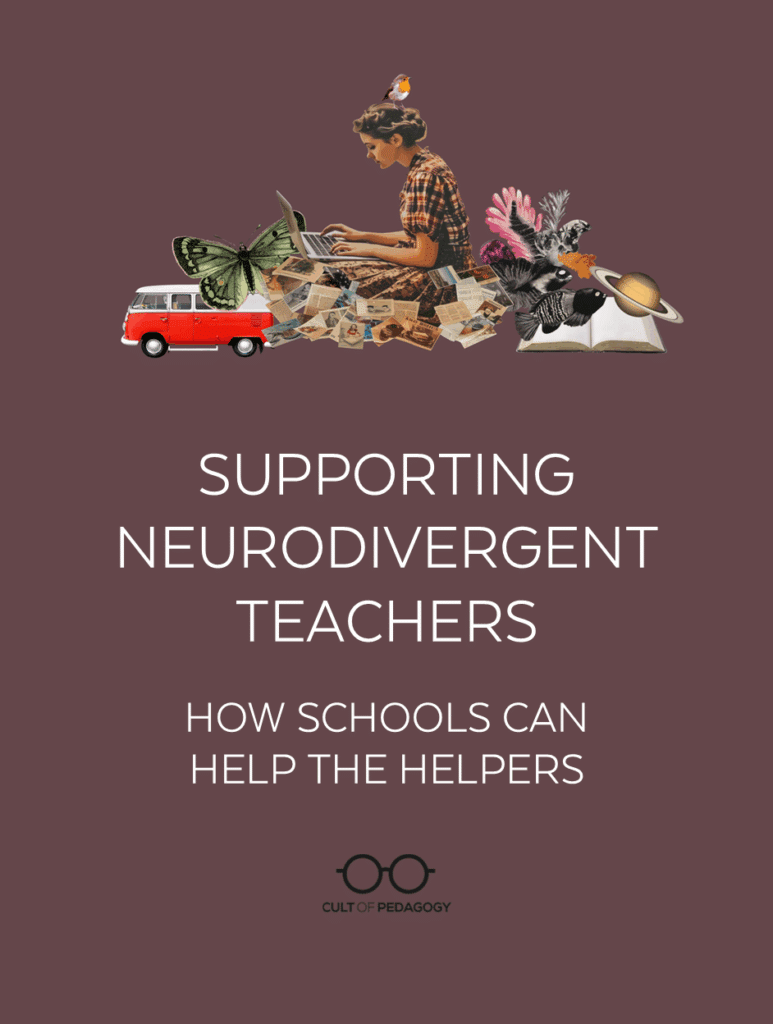
- Innovative Problem-Solving and Creativity: Neurodivergent brains often excel at "thinking outside the box," identifying novel solutions, and approaching challenges from unconventional angles. This translates into creative lesson designs, engaging classroom activities, and imaginative ways to address student learning gaps.
- Deep Empathy and Connection: Many neurodivergent individuals, particularly those with autism, possess a profound capacity for empathy, often having firsthand experience with feeling different or misunderstood. This lived experience fosters deep connections with students, especially those who themselves are neurodivergent or struggling, creating a more inclusive and understanding classroom environment.
- Authenticity and Role Modeling: When supported, neurodivergent teachers can model authenticity, self-awareness, and diverse problem-solving strategies for their students. By openly discussing their own learning styles or coping mechanisms, they normalize difference and demonstrate that there isn’t one "right" way to learn or teach, empowering students to embrace their unique identities.
- Specialized Interests and Deep Knowledge: Individuals with ADHD or autism often exhibit hyperfocus or special interests, which can translate into deep subject matter expertise and passionate, engaging instruction. This enthusiasm can be highly infectious and motivating for students.
- Attention to Detail (in specific areas): While executive function can be challenging, many neurodivergent individuals demonstrate exceptional attention to detail in areas of interest or structured tasks, leading to meticulous planning or highly organized systems when aligned with their strengths.
- Advocacy for Diverse Learners: Having navigated an educational system not always built for them, neurodivergent teachers are often powerful advocates for differentiated instruction, inclusive practices, and equitable support for all students, particularly those with learning differences.
Challenges Within Current Systems and the Stigma
The paradox lies in how these strengths exist within institutional structures that can easily stifle them. Schools, by nature, often prioritize conformity, rapid transitions, and a constant flow of sensory and social stimuli. These environments, built largely for the neuronormative majority, can silently erode the energy, focus, and confidence of neurodivergent educators.
Common systemic friction points include:
- Rigid Scheduling and Transitions: Frequent class changes, bell schedules, and inflexible meeting times can disrupt focus and be overwhelming for those who need more time to transition between tasks or environments.
- Sensory Overload: The typical school environment is a sensory rich landscape: fluorescent lighting, constant noise, crowded hallways, and strong smells. For individuals with sensory sensitivities, this can be profoundly distracting and exhausting.
- Administrative Burden and Paperwork: The sheer volume of forms, reports, data entry, and compliance documentation can be a significant hurdle for those with executive functioning challenges, leading to missed deadlines or feelings of inadequacy.
- Informal Social Expectations: Navigating staff meetings, impromptu conversations, and social dynamics in a staff room can be draining for neurodivergent individuals who expend significant energy on social masking.
- Lack of Flexibility in Workload: Expectations for uniform lesson planning, grading schedules, and extracurricular involvement often leave little room for individual adaptation based on energy levels or cognitive processing styles.
The pervasive stigma surrounding neurodivergence in professional settings further exacerbates these issues. Admitting difficulties with executive functioning, attention, or sensory regulation can feel like a career risk, interpreted as incompetence rather than a call for equitable support. This fear often compels neurodivergent educators to continue masking their struggles, leading to increased burnout and a reluctance to seek necessary accommodations.
Practical Tools and Strategies for Neurodivergent Educators
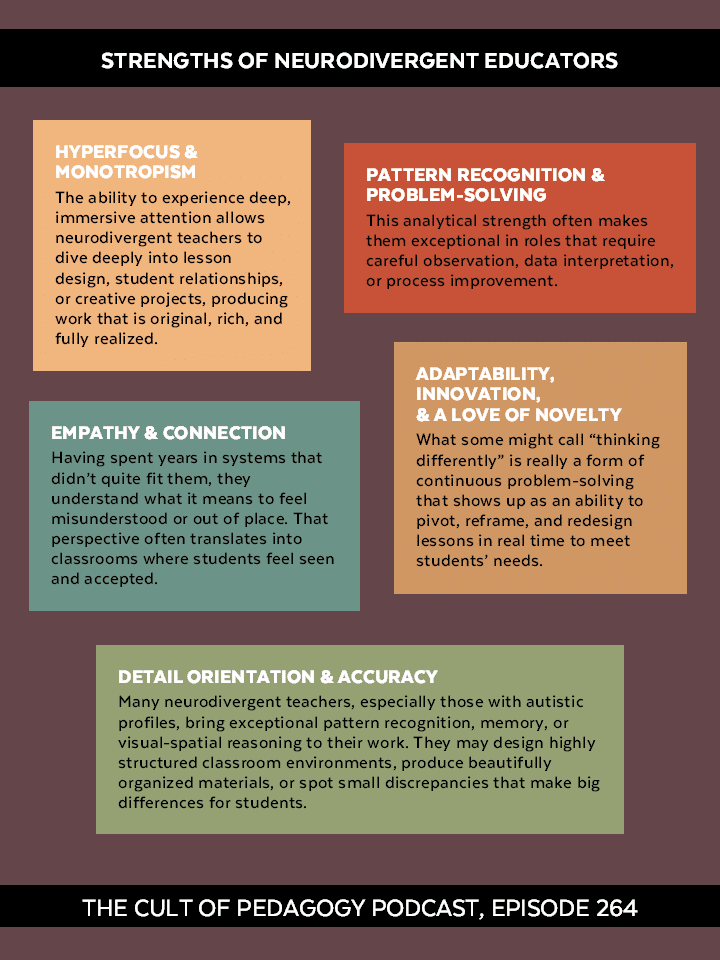
While systemic change is paramount, individual educators can adopt strategies to enhance their sustainability and well-being. These are not one-size-fits-all solutions but a toolkit for experimentation:
- Externalize Executive Functioning: Offload mental tasks to trusted external systems. This includes using visual task boards, digital calendars, reminder apps, voice memos for capturing ideas, or automation tools like IFTTT for routine emails or recurring reminders. The goal is to free up mental energy by making the invisible visible.
- Batch and Bundle Tasks: Minimize cognitive "gear-shifting" by grouping similar tasks. Dedicate specific blocks of time for grading, lesson planning, or communication, allowing for deeper focus in one mode before switching.
- Utilize Body Doubling: The presence of another person working nearby can significantly aid focus and task initiation. This could involve co-planning with a colleague, using virtual co-working sessions, or even having a family member present during home-based work.
- Cultivate Sensory-Friendly Routines: Implement small environmental adjustments. Use noise-reducing earbuds, adjust lighting (favoring lamps or natural light), and incorporate short, intentional movement breaks or grounding activities between classes. A "reset ritual" like a few deep breaths in the hallway can help regulate energy.
- Energy Mapping and Rhythm Awareness: Track personal energy and focus peaks throughout the day or week. Align cognitively demanding tasks with high-energy windows and reserve lower-energy periods for less intensive work. This awareness is key to preventing burnout.
- Leverage Novelty Strategically: For many neurodivergent brains, novelty boosts motivation. Introduce small variations to routines, experiment with new lesson formats, or try new digital tools to re-engage interest, using novelty as fuel rather than a distraction.
- Reframe and Practice Self-Compassion: View struggles not as personal failures but as signals that current approaches aren’t meeting needs. Self-compassion fosters a space for experimentation without shame, recognizing that professionalism does not equate to perfection.
What Schools and Administrators Can Do: Fostering Inclusive Environments
True support for neurodivergent educators extends beyond individual coping mechanisms to institutional change. Schools and administrators have a crucial role in creating equitable, inclusive environments:
- Promote Awareness and Education: Provide professional development on neurodiversity, moving beyond deficit-based models to highlight strengths. This helps destigmatize neurodivergent traits and fosters a more understanding culture.
- Implement Flexible Accommodations: Offer reasonable accommodations tailored to individual needs, such as noise-canceling headphones, flexible meeting schedules, quiet workspaces, or adjusted administrative deadlines. The focus should be on effective work rather than uniform work style.
- Review Workload and Expectations: Critically assess the volume and nature of administrative tasks. Streamline processes, reduce unnecessary paperwork, and ensure expectations are clear, predictable, and manageable, particularly for executive function.
- Foster a Culture of Psychological Safety: Create an environment where educators feel safe disclosing their neurodivergence without fear of judgment or professional repercussions. This includes explicit statements of support from leadership and confidential avenues for seeking accommodations.
- Provide Mentorship and Peer Support: Establish networks or mentorship programs where neurodivergent educators can connect, share strategies, and find support from peers who understand their experiences.
- Embrace Universal Design for Learning (UDL) for Staff: Apply UDL principles not just to student learning but to staff operations. Offer information in multiple formats, provide flexible ways for staff to demonstrate competence, and build in options for engagement and action.
- Optimize Physical Environments: Address sensory challenges by considering lighting, noise levels, and organization in staff common areas and classrooms. Offer options for quieter break spaces.
Broader Implications and the Future of Education
When schools intentionally support neurodivergent educators, the benefits ripple throughout the entire community. Teachers who feel safe to work in ways that align with their cognitive profiles are better equipped to model that same acceptance and flexibility for their students. Classrooms become environments where difference is understood as a natural part of human variation and a valuable asset, rather than something to be concealed or corrected. Students observe adults utilizing visual schedules, taking sensory breaks, or openly discussing their attention patterns, thereby realizing that these are effective tools for success, not indicators of weakness.
Furthermore, a culture that prioritizes sustainability over an unsustainable pursuit of perfection tends to retain its best people. In an era of increasing teacher shortages, investing in the well-being and retention of neurodivergent educators is not just an ethical imperative but a strategic necessity. By embracing neurodiversity, schools can cultivate a more resilient, innovative, and empathetic workforce, ultimately creating richer learning experiences for all students. This shift signifies a crucial evolution in educational leadership, moving from a one-size-fits-all model to one that celebrates and leverages the full spectrum of human cognition, ensuring that every educator and every student can thrive.