



The global observance of Safer Internet Day 2026 has commenced with a specialized focus on the integration of artificial intelligence within the educational sector, marking a pivotal shift in how digital citizenship is taught to the next generation. Under the official theme, "AI Aware: Safe, Smart, In Control," international stakeholders, educational institutions, and technology providers are aligning to address the dual nature of AI as both a transformative pedagogical tool and a source of novel digital risks. Microsoft Education has emerged as a central contributor to this year’s initiative, releasing a comprehensive suite of resources designed to bridge the gap between rapid technological adoption and student safety.
As AI becomes increasingly embedded in learning platforms, creative software, and social interaction tools, the 2026 campaign emphasizes that digital literacy must now evolve into AI literacy. This transition requires students to not only understand how to use technology but to critically evaluate the algorithmic outputs they encounter daily. The initiative seeks to empower learners to recognize the influence of AI, maintain privacy in automated environments, and exercise agency over their digital footprints.
The Evolution of Safer Internet Day: A Chronological Perspective
Safer Internet Day began in 2004 as an initiative of the EU SafeBorders project and was subsequently taken up by the Insafe network as one of its earliest actions. Over the past two decades, the event has grown from a regional European observance into a global phenomenon celebrated in approximately 190 countries and territories.
The focus of the event has historically mirrored the prevailing technological concerns of the era. In the mid-2000s, the primary emphasis was on chat room safety and the emerging phenomenon of social networking. By 2015, the conversation shifted toward cyberbullying and the "always-on" nature of mobile connectivity. The 2026 observance represents the most significant paradigm shift to date, moving beyond general web safety to address the complexities of generative AI and machine learning.
This year’s timeline reflects a coordinated global effort. Throughout the first quarter of 2026, educational ministries in various nations are expected to formalize AI literacy standards, using Safer Internet Day as the launchpad for these long-term curriculum updates. Microsoft’s involvement follows a multi-year investment in "Security by Design," a philosophy that integrates safety features directly into the development phase of educational software rather than treating them as secondary add-ons.
Statistical Context: The Growing Cybersecurity Threat in Education
The urgency of the 2026 theme is underscored by recent data regarding the vulnerability of educational institutions. According to industry reports from 2024 and 2025, the education and research sector remains one of the most targeted industries for cyberattacks globally. Schools and universities manage vast repositories of sensitive information, including personally identifiable information (PII) of minors, financial records of families, and proprietary academic research.

Data indicates that ransomware attacks on K-12 school districts increased by nearly 30% between 2023 and 2025, often resulting in weeks of lost instructional time. Furthermore, the rise of "deepfake" technology and AI-generated misinformation has created new challenges for school administrators, who must now navigate the social and psychological impacts of synthetic media on student populations. By centering the 2026 Safer Internet Day on AI awareness, organizers aim to provide a proactive defense against these evolving threats.
Microsoft Education’s Strategic Toolkit for Institutions
In response to these challenges, Microsoft Education has released an updated Cybersecurity Toolkit for Education, framed as a foundational resource for institutional resilience. The toolkit departs from traditional security models by advocating for a holistic approach that involves IT professionals, educators, and students alike.
The 2026 toolkit focuses on several critical pillars:
- Risk Assessment for AI Integration: Providing frameworks for schools to evaluate the safety and data-privacy policies of third-party AI tools before they are introduced into the classroom.
- Incident Response Protocols: Establishing clear, actionable steps for school leaders to follow in the event of a data breach or a cybersecurity compromise, ensuring that instruction can continue with minimal disruption.
- Human-Centric Security: Emphasizing that while technical safeguards like firewalls and encryption are vital, the "human firewall"—informed and cautious users—remains the most effective defense against social engineering and phishing.
The toolkit reframes cybersecurity not as a restrictive barrier but as an enabler of innovation. By securing the digital environment, schools can more confidently explore global collaboration and experimental learning models that would otherwise be deemed too risky.
Gamified Learning: Minecraft Education and the CyberSafe Series
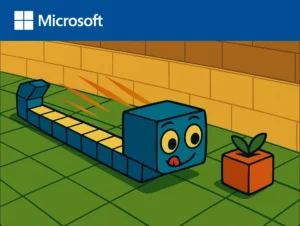
A cornerstone of the 2026 campaign is the expansion of Minecraft Education’s CyberSafe curriculum. Recognizing that younger learners require engaging, low-stakes environments to practice digital safety, Microsoft has introduced "Bad Connection?", the latest installment in the CyberSafe series designed for students aged 11 to 14.
Developed in collaboration with experts from Xbox Trust and Safety and the Microsoft Digital Safety Unit, the curriculum aligns with standards set by the Computer Science Teacher Association (CSTA) and Cyber.org. The program utilizes the immersive world of Minecraft to simulate real-world digital dilemmas, such as:
- Identifying Manipulative Interactions: Helping students recognize when an online entity—whether a bot or a person—is attempting to elicit personal information through emotional manipulation.
- Evaluating Suspicious Messages: Teaching the hallmarks of phishing and "smishing" (SMS phishing) within a controlled game environment.
- Navigating Peer Pressure: Addressing the social dynamics of the internet, where students may feel pressured to share passwords or engage in exclusionary online behavior.
By providing a "safe rehearsal space," Minecraft Education allows students to make mistakes and learn from them without the real-world consequences of a compromised account or a damaged digital reputation. This pedagogical approach is intended to reduce the stigma associated with online errors and encourage open dialogue between students and educators.

Official Perspectives and Institutional Responses
Educational leaders have noted that the 2026 focus on AI represents a necessary maturation of the digital citizenship conversation. While previous years focused on what students should not do, the current framework focuses on what students can do when equipped with the right skills.
"Cybersecurity is no longer a peripheral IT issue; it is a core component of the educational mission," stated a representative from a leading global education collective during a Safer Internet Day briefing. "The openness of a campus—designed for inquiry and the free flow of information—is its greatest strength, but it is also a vulnerability. Our goal is to protect that openness by hardening our digital infrastructure and educating our users."
Industry analysts suggest that the emphasis on "AI awareness" also serves an economic purpose. As the global workforce becomes increasingly reliant on AI, students who graduate with a sophisticated understanding of AI ethics and security will be better positioned for the labor market. In this context, Safer Internet Day is as much about future-proofing careers as it is about immediate safety.
Broader Implications and the Path Forward
The impact of Safer Internet Day 2026 is expected to extend well beyond the month of February. The resources provided by Microsoft and other tech leaders are designed for year-round integration into school curricula. The move toward "AI-aware" education signals a permanent change in the social contract between technology providers and the public.
One of the most significant implications of this year’s initiative is the recognition that digital safety is a shared responsibility. The 2026 guidelines provide specific action items for different segments of the community:
- For IT Teams: The focus is on moving toward "Zero Trust" architectures and ensuring that cloud and on-premises systems are equally resilient.
- For Families: The emphasis is on "at-home" digital habits, encouraging parents to engage in non-judgmental conversations with their children about their online lives.
- For Students: The goal is to move from passive consumption of AI to active, critical engagement, where they feel "in control" of the tools they use.
As Safer Internet Day 2026 concludes, the focus will shift toward the long-term implementation of these strategies. The transition to an AI-shaped world is not a distant prospect but a current reality. Through the combination of robust security toolkits, gamified learning experiences, and global community cooperation, the educational sector is attempting to ensure that every learner can navigate the digital landscape with curiosity, confidence, and, most importantly, safety.