



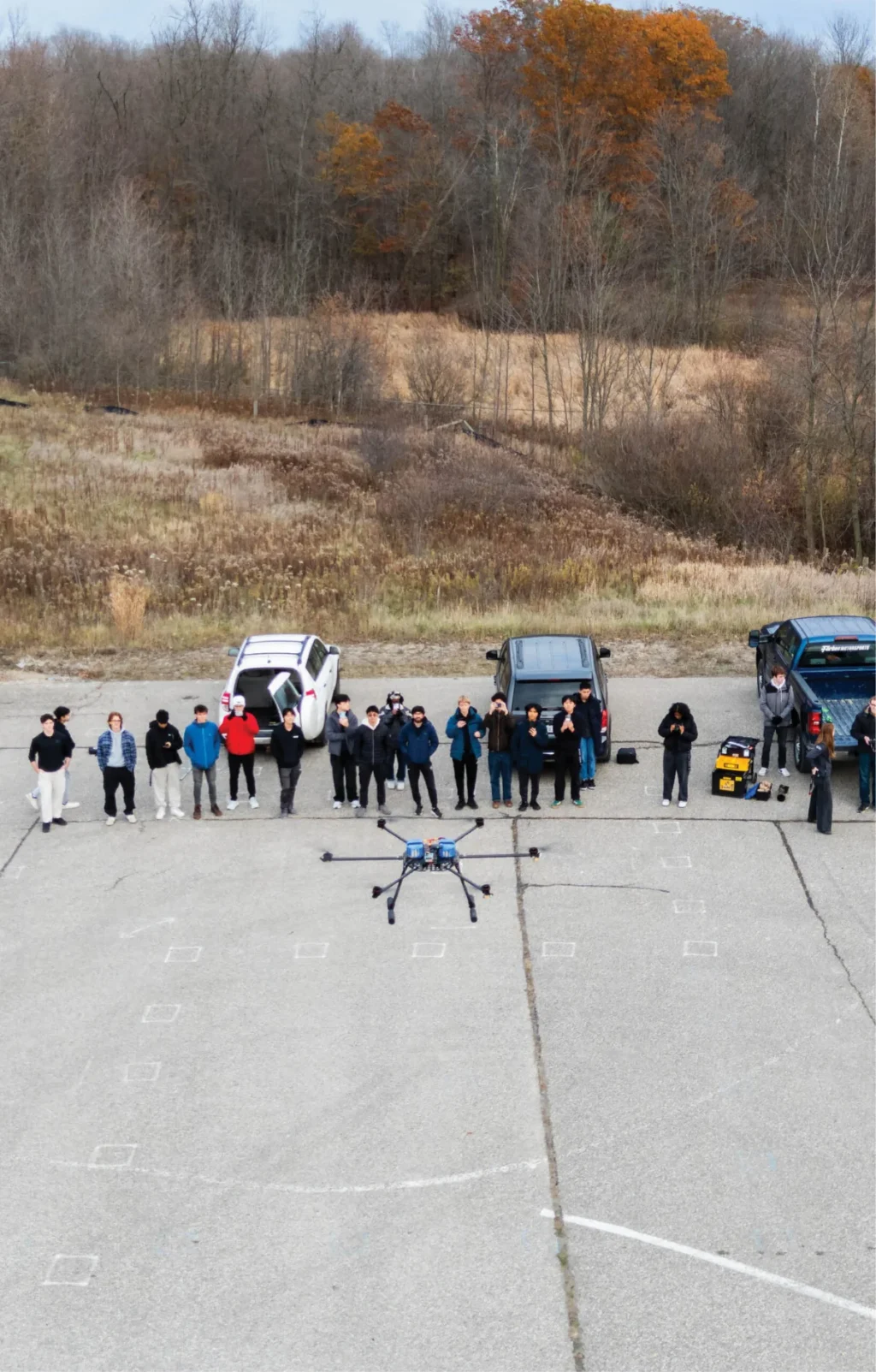
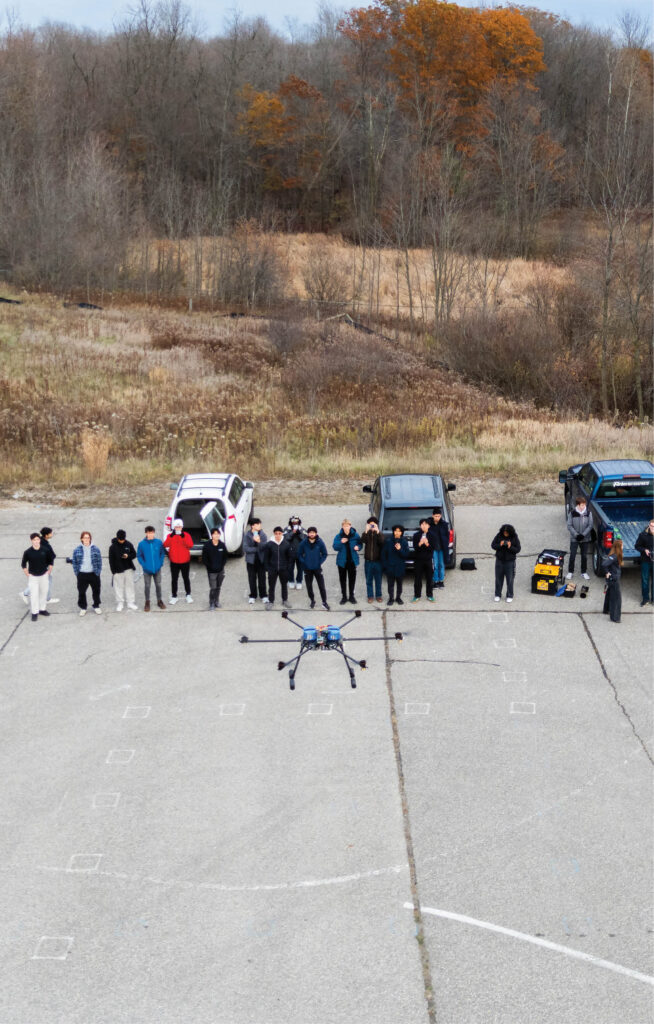
The Waterloo Aerial Robotics Group (WARG), a renowned team of engineering students from the University of Waterloo, is meticulously preparing to defend its championship title at the upcoming National Student Unmanned Aircraft Competition. Hosted annually by the Aerial Evolution Association of Canada, this prestigious event challenges student teams to design, build, and operate advanced unmanned aerial vehicles (UAVs) for critical real-world applications. WARG, having secured victory in previous years, now faces a formidable challenge: developing an AI-enhanced drone capable of assisting in urban firefighting scenarios, a task that pushes the boundaries of current UAV technology and artificial intelligence integration.
The Urban Firefighting Challenge: Navigating the Unseen
The core of this year’s competition lies in the complex requirements for the AI-enhanced drone. Teams are tasked with creating a UAV that can not only carry a payload of water but also operate effectively in both outdoor and indoor environments. The outdoor component involves standard flight operations, but the true test begins when the drone must transition to navigating through an indoor concrete structure. This transition is where the sophisticated AI component becomes paramount. Unlike outdoor flights that readily utilize Global Positioning System (GPS) data for precise location tracking, indoor environments are notoriously GPS-denied. The drone must therefore develop the capability to autonomously map its surroundings in real-time, identify its position within this newly generated map, and maintain a stable hover, all without external positional references. This necessitates advanced perception, localization, and control algorithms, simulating scenarios where drones might be deployed to assess damage, locate individuals, or even deliver extinguishing agents in enclosed, hazardous spaces like collapsed buildings or industrial fires.
WARG’s Technological Approach: Stereo Vision and Sensor Fusion
To meet these demanding requirements, WARG has assembled a dedicated team of approximately 30 students. Their strategy centers on equipping their drone, codenamed "Project Valkyrie," with a state-of-the-art stereo camera system. A stereo camera, essentially two lenses positioned a fixed distance apart, mimics human binocular vision. By comparing the slightly different perspectives captured by each lens, the system can compute depth information and generate a three-dimensional understanding of the environment. This capability is crucial for the drone to perceive its surroundings, identify obstacles, and construct a navigable map of the indoor space.

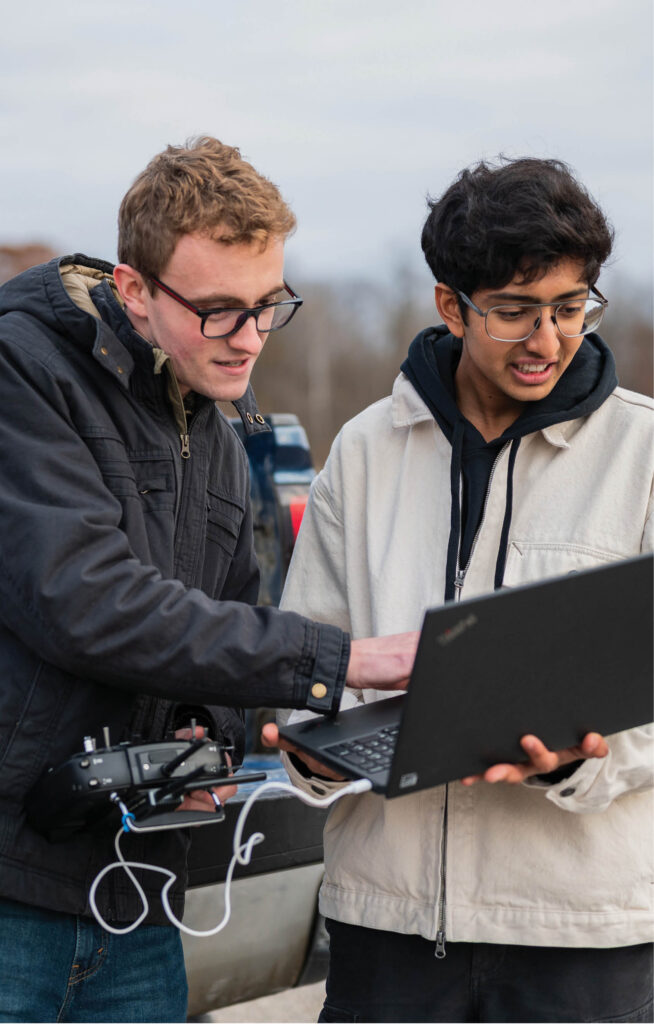
Manasva Katyal, the technical director for WARG, elaborated on the intricate process: "At the highest level, we are looking at fusing stereo camera data with the flight controller data and using it to hold position in absence of a GPS." This fusion of sensor data is a cornerstone of advanced robotics. The flight controller, responsible for maintaining the drone’s stability and executing commands, will receive input not only from its inertial measurement units (IMUs) and barometers but also from the AI system processing the stereo camera feed. This integrated approach allows the drone to build a dynamic, real-time map of its internal environment, enabling it to pinpoint its location and maintain a steady hover even when traditional GPS signals are unavailable. The ability to perform Simultaneous Localization and Mapping (SLAM) – the concurrent mapping of an unknown environment and the localization of the drone within that map – is a significant technological hurdle that WARG is actively addressing.
The Competition Landscape and Historical Performance
The National Student Unmanned Aircraft Competition has become a critical platform for fostering innovation in the field of UAV technology in Canada. The Aerial Evolution Association of Canada (AEAC) organizes this event to encourage academic research and development in unmanned systems, providing a challenging yet collaborative environment for aspiring engineers. The competition typically draws teams from leading universities across the country, each vying for recognition and the opportunity to showcase their technological prowess.
WARG’s track record at this competition is particularly noteworthy. Having secured the championship title in previous years, they have established themselves as a dominant force. This success is a testament to their consistent investment in research, development, and team training. Their previous victories have likely involved complex flight maneuvers, payload delivery systems, and increasingly sophisticated autonomous capabilities. The pressure to maintain this winning streak, especially with the added complexity of AI integration for indoor navigation, is undoubtedly a significant motivator for the current WARG team. Their past performance suggests a strong foundation in aerospace engineering principles, robust project management, and a culture of continuous improvement.
Building Project Valkyrie: A Glimpse into the Development Process
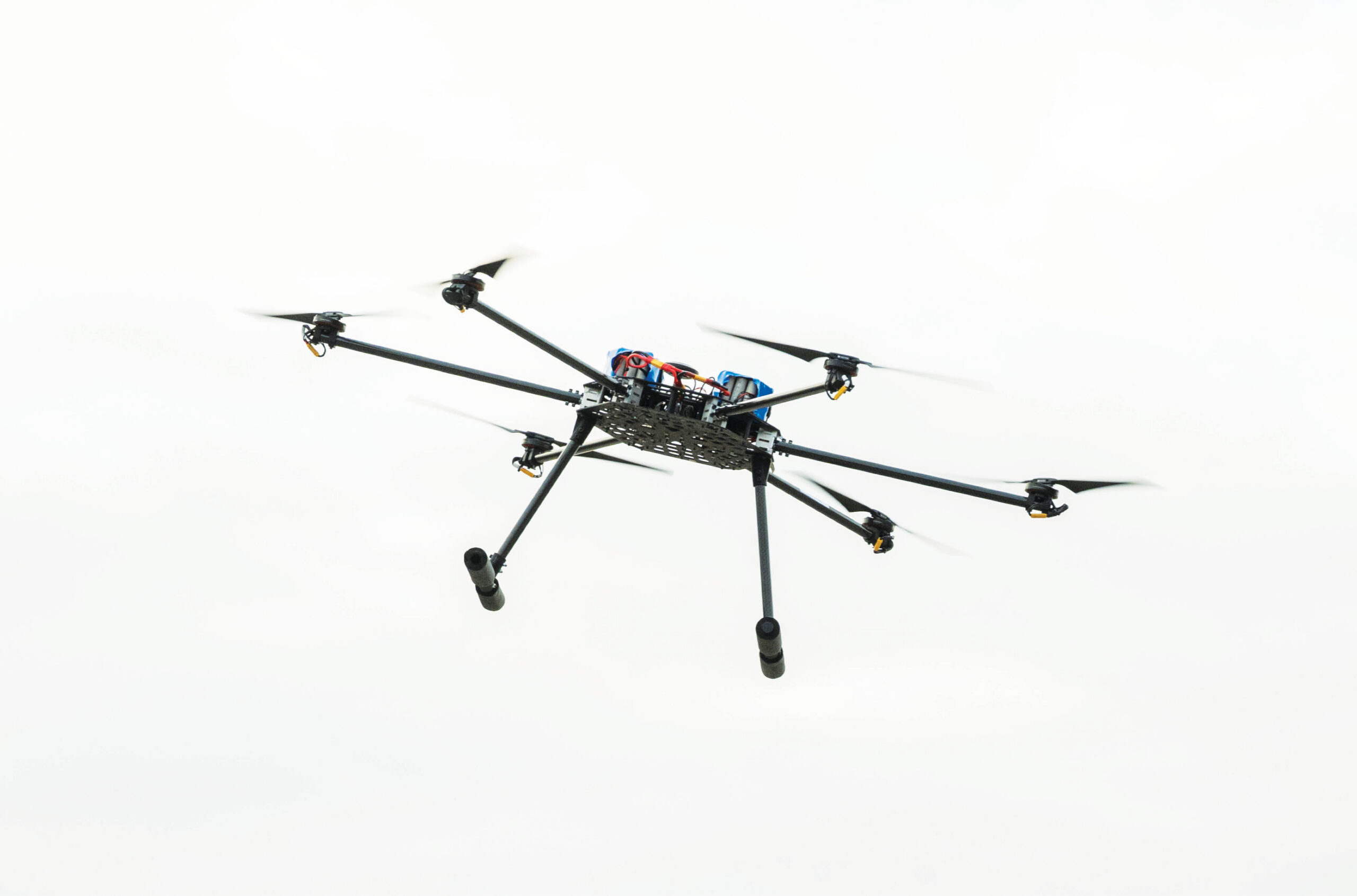
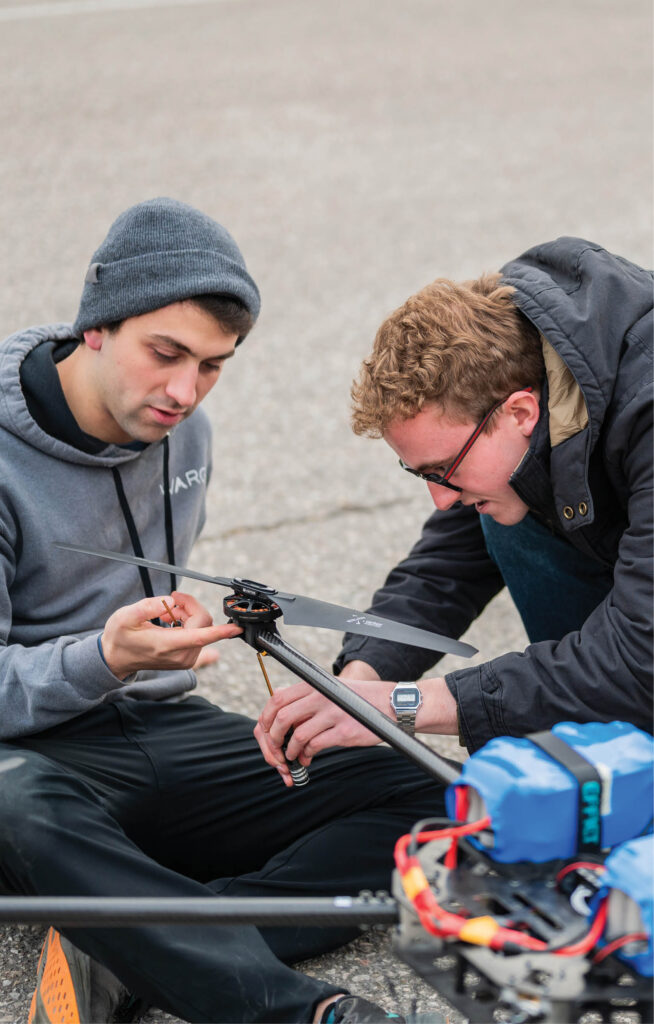
The creation of Project Valkyrie is a multifaceted engineering endeavor, involving expertise in aerodynamics, electrical engineering, computer science, and software development. The drone itself is constructed from lightweight yet durable materials, with images revealing the intricate process of cutting and assembling carbon fiber components for the airframe. The six-armed design is likely optimized for stability and maneuverability, crucial for precise indoor navigation.

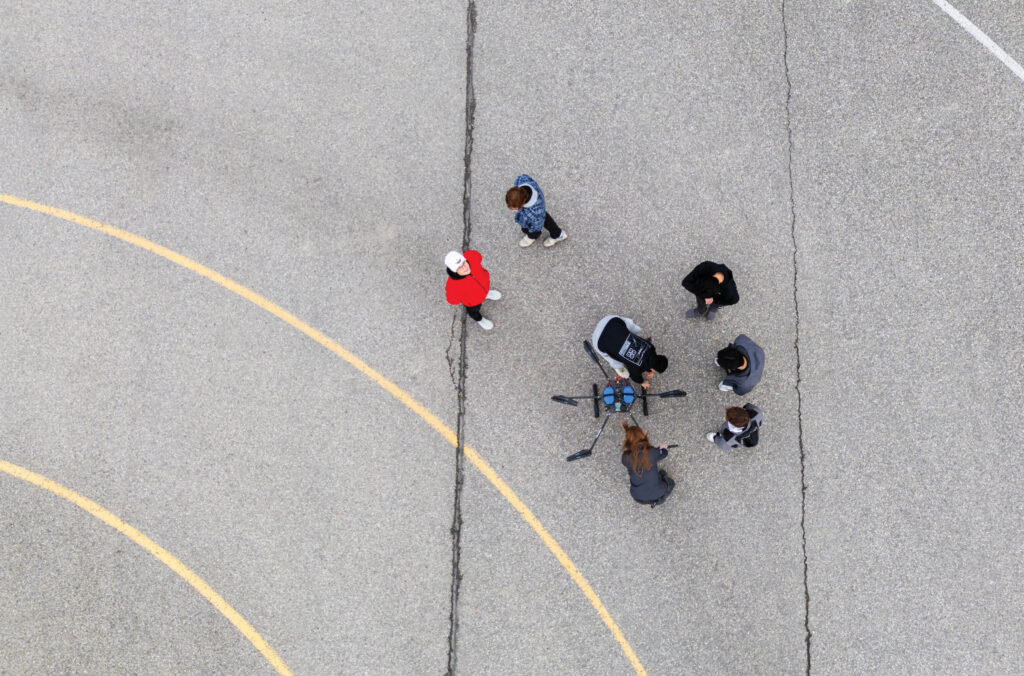
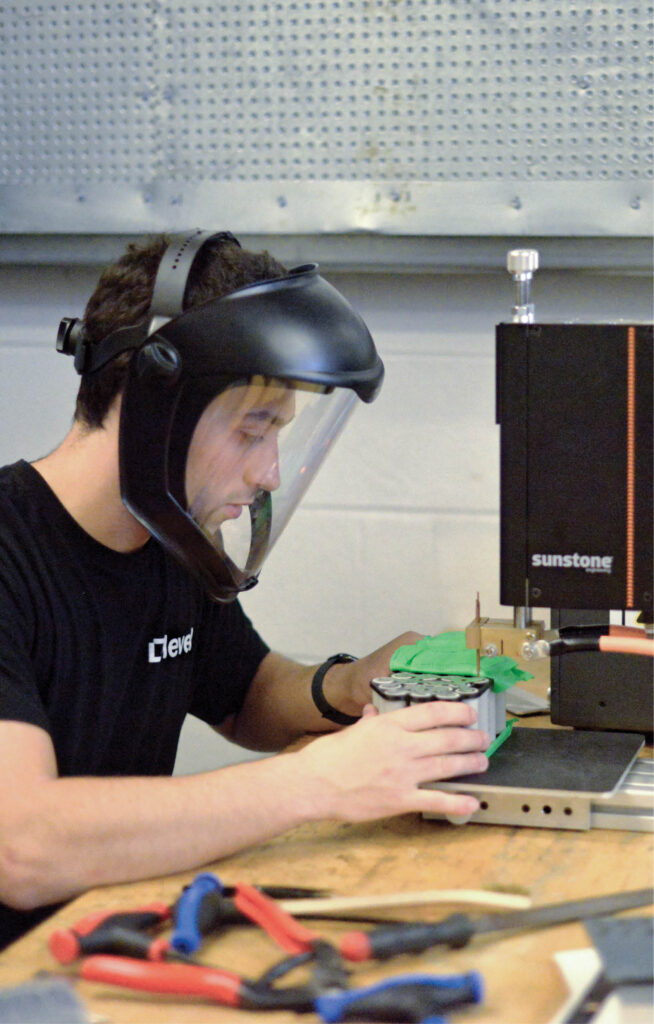
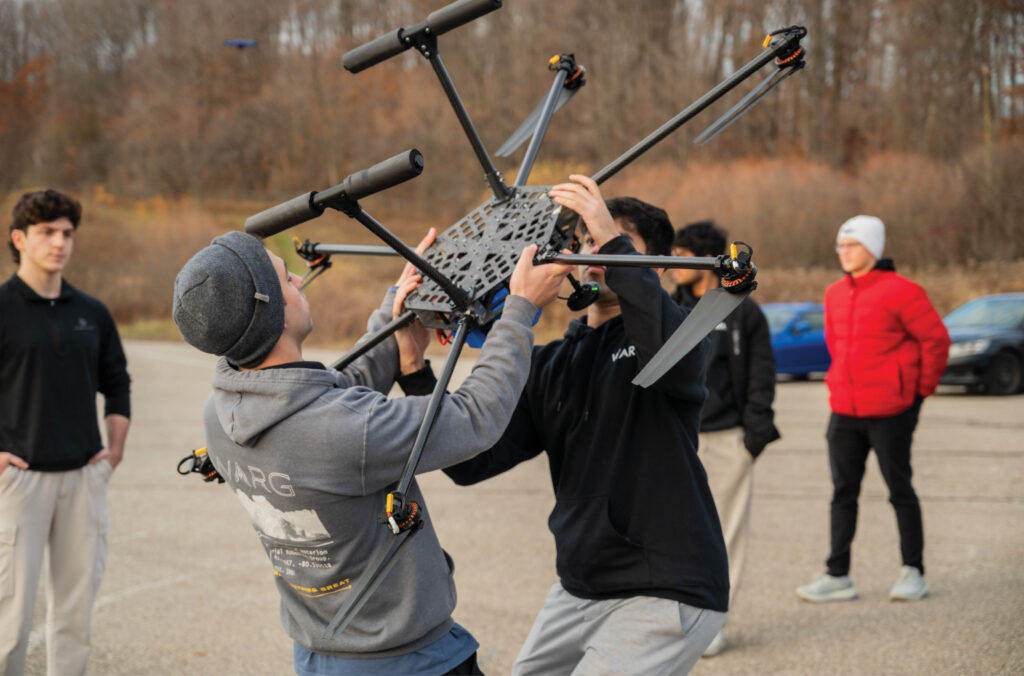
The electrical team plays a vital role in ensuring the drone has the power to execute its complex tasks. Welding battery packs and integrating power distribution systems are essential steps in the development cycle, guaranteeing reliable energy for the motors, sensors, and onboard computers. The process also involves meticulous calibration of flight systems, including the compass, which is essential for maintaining orientation, particularly in a GPS-denied environment. The "drone dance," a term used to describe the deliberate rotation of the drone on all its axes for compass calibration, highlights the attention to detail required in preparing for such a challenging competition.
Testing and iteration are fundamental to the development of any advanced robotic system. WARG’s approach includes rigorous testing phases, such as the hover test, where the drone demonstrates its ability to take off, maintain a stable position, and land safely. These tests are critical for identifying and rectifying any potential issues before the high-stakes competition. Video documentation of these test flights is invaluable, allowing the team to analyze performance, diagnose problems, and refine their algorithms and hardware. As team co-lead Georgia Westerlund notes, "When we fly a drone, things can go wrong, so it’s good to have it filmed so we can look back and identify any issues by looking at the video. It’s also really exciting."
The AI Integration: A Leap Towards Autonomous Operations
The integration of artificial intelligence is the defining characteristic of this year’s challenge. The ability of the drone to autonomously map its surroundings and navigate within a GPS-denied environment represents a significant leap towards more versatile and autonomous UAV operations. This capability has far-reaching implications beyond urban firefighting. Imagine drones deployed for search and rescue operations in collapsed structures, inspecting critical infrastructure in underground tunnels, or conducting surveys in complex industrial facilities. The technology being developed by WARG could form the foundation for such applications.
The real-time mapping displayed on the laptop screen during flight tests, depicted as a "squiggly blue line," signifies the drone actively constructing a spatial understanding of its environment. This dynamic map serves as the drone’s internal GPS, allowing it to track its position and plan its movements. The stereo camera, mounted on the drone, is the primary sensor feeding this AI system. Unlike a standard GPS that provides global coordinates, the stereo camera allows the drone to understand its relative position and orientation within its immediate, mapped space.
Anticipation and Future Implications
The National Student Unmanned Aircraft Competition is scheduled to take place in Ottawa from May 22 to 24. The WARG team, buoyed by their past successes and their innovative approach to the AI-driven challenge, will undoubtedly be looking to make a strong statement. Their performance will not only be a measure of their engineering acumen but also a demonstration of the accelerating pace of advancement in drone technology and artificial intelligence.
The implications of successfully developing such AI-enhanced drones are substantial. For urban firefighting, these UAVs could significantly improve situational awareness, enhance responder safety, and potentially lead to more effective fire suppression strategies. Beyond this specific application, the underlying technologies – advanced sensor fusion, real-time SLAM, and AI-driven navigation in GPS-denied environments – hold the key to unlocking a new era of autonomous robotic systems capable of operating in previously inaccessible or hazardous areas. The WARG team’s pursuit of this ambitious goal underscores the critical role that university research and student innovation play in shaping the future of technology and its application to societal challenges. Their efforts at the upcoming competition will be closely watched, not just for their potential to reclaim a championship title, but for their contribution to the broader advancement of unmanned aerial systems.