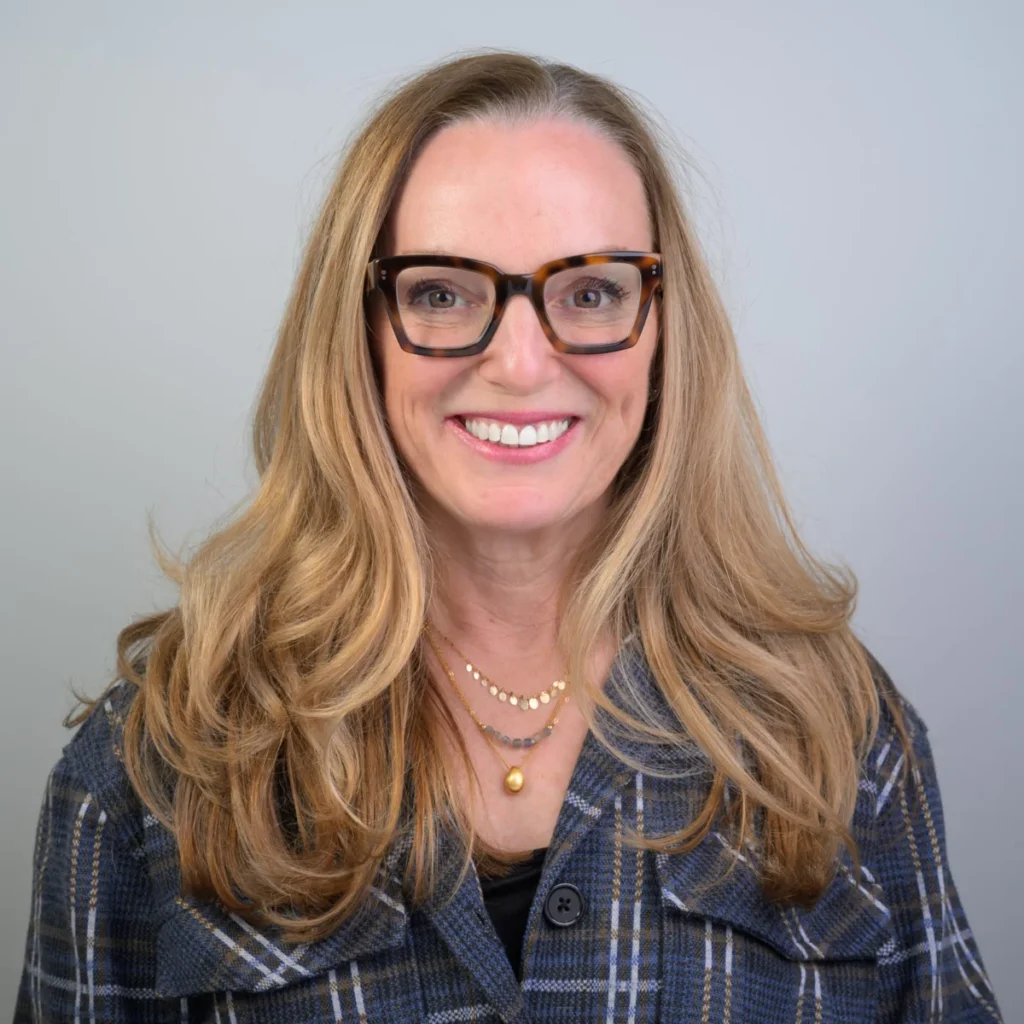

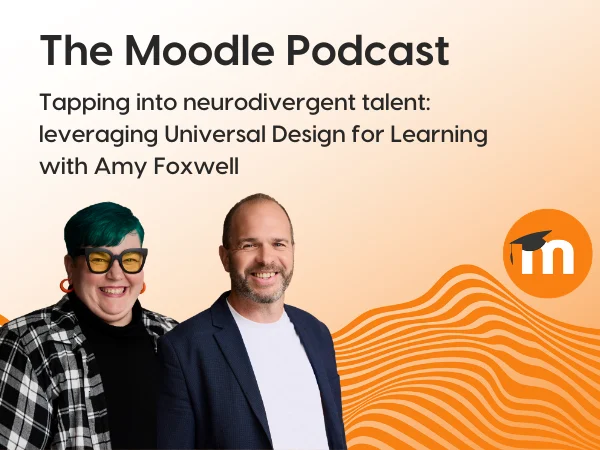
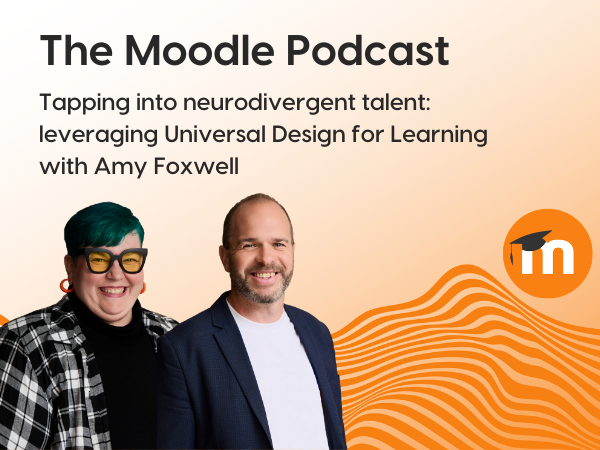
Moodle, a global leader in open-source learning platforms, is championing a paradigm shift in educational design, emphasizing the critical importance of neuro-inclusive learning experiences. In a recent episode of the Moodle Podcast, the platform’s commitment to "learning that works for everyone, everywhere" was underscored through a compelling discussion with Amy Foxwell of ReadSpeaker, a Moodle Certified Integration partner. The conversation delved into the transformative advantages of neuro-inclusive design, advocating for proactive, flexible, and universally accessible learning environments that cater to the inherent diversity of all learners.
The core tenet of Moodle’s philosophy, as articulated in the podcast, is the rejection of the "average learner" concept. Instead, the organization firmly believes in the unique strengths and varied learning styles of individuals. This belief system directly informs their approach to platform development and their advocacy for educational practices that reflect and celebrate this diversity. The podcast episode, hosted by Moodle’s Shalimar and Dan, served as a platform to explore how embracing neuro-inclusive design can unlock potential, reduce educational barriers, and foster innovation within learning communities.
The Foundation of Neuro-Inclusive Design: Proactive Flexibility
At the heart of neuro-inclusive design lies the fundamental goal of creating learning environments that are proactive rather than reactive. This means building educational platforms and curricula that are inherently flexible and interactive, designed from the outset to accommodate the broadest possible spectrum of learners. Amy Foxwell highlighted the foundational principles of Universal Design for Learning (UDL), a framework that posits "variability is the norm."
This perspective challenges the traditional approach of addressing neurodivergent learners as outliers requiring separate accommodations. Instead, Foxwell advocates for designing learning experiences that intrinsically support everyone from the initial stages of development. This approach moves beyond retrofitting solutions and instead embeds accessibility and adaptability into the very fabric of the learning experience. While specific examples of these design elements were not fully detailed in the initial summary, the implication is a move towards multi-modal content delivery, varied assessment methods, and customizable learning pathways. Such a proactive stance ensures that learners are not burdened by the need to "mask" their natural learning styles to conform to a perceived norm, a process often described as emotionally exhausting.
The "Curb-Cut Effect": Universal Design’s Broad Benefits
The conversation on the Moodle Podcast also illuminated the "curb-cut effect," a powerful illustration of how features initially designed for accessibility can benefit a wider audience. Text-to-speech technology, for instance, was initially developed to assist visually impaired learners. However, its adoption has revealed a cascade of benefits for individuals with a range of learning differences, including dyslexia, ADHD, and language processing challenges. Furthermore, it enhances the learning experience for all individuals who simply prefer auditory input or find it beneficial for comprehension and retention.
This phenomenon underscores the efficiency and ethical imperative of universal design. By focusing on inclusive design principles from the outset, educational institutions and technology providers can create solutions that not only meet the needs of specific groups but also elevate the learning experience for the entire student population. The absence of a "downside" to learning that is perceived as accessible, digestible, and engaging further strengthens the argument for its widespread adoption. This aligns with growing research in educational psychology that demonstrates how varied sensory input and flexible processing options can significantly improve learning outcomes across the board. For example, studies on cognitive load theory suggest that offering information in multiple formats can reduce the mental effort required for comprehension, thereby freeing up cognitive resources for deeper learning.
Addressing the Emotional Toll of "Masking"
A critical aspect explored in the Moodle Podcast episode is the emotional and cognitive burden of "masking." This refers to the often-unconscious effort that neurodivergent individuals expend to conceal their natural behaviors, communication styles, or learning strategies to appear "normal" within conventional educational settings. This constant performance can lead to significant stress, anxiety, and burnout, hindering genuine engagement and academic progress.
The podcast highlights how intentional course design, guided by neuro-inclusive principles, can actively mitigate this burden. By providing clear structures, predictable routines, and multiple avenues for participation and expression, educators can create environments where learners feel safe and empowered to be themselves. This not only improves the well-being of neurodivergent students but also fosters a more authentic and productive learning atmosphere for everyone. The long-term implications of reducing masking can include improved mental health outcomes for students and a more accurate reflection of their true capabilities and understanding, unclouded by the stress of performance.
Implications for Educators and Organizations
The Moodle Podcast episode makes a compelling argument for the integration of neuro-inclusion as a fundamental component of effective learning design. Beyond its ethical considerations, neuro-inclusive environments are increasingly correlated with enhanced innovation, creativity, and overall performance. By building adaptable and supportive learning experiences, organizations not only benefit their learners but also cultivate a more dynamic and productive workforce or student body.
The discussion is particularly relevant for educators, Learning and Development (L&D) professionals, and anyone involved in the intricacies of learning design. The podcast promises to delve into neuro-inclusion as a strategic advantage, offering practical insights and "quick wins" for course designers seeking to implement these principles. The conversation aims to equip listeners with actionable strategies to create more equitable and effective learning opportunities.
The broader implications of this focus on neuro-inclusion extend to the future of education and professional development. As the understanding of neurodiversity grows, so too does the recognition of its potential as a source of unique skills and perspectives. Educational institutions and workplaces that proactively embrace neuro-inclusive practices are positioning themselves to harness this talent pool, fostering environments where all individuals can thrive and contribute their full potential. This shift represents not just an improvement in accessibility but a fundamental re-evaluation of what constitutes effective and equitable learning in the 21st century.
Contextualizing Moodle’s Initiative
Moodle’s commitment to neuro-inclusive design is not an isolated endeavor but a logical extension of its long-standing mission to provide accessible, flexible, and open-source learning solutions. Since its inception in 2002, Moodle has been at the forefront of democratizing education by offering a powerful and customizable learning management system (LMS) that can be adapted to diverse pedagogical needs and learner populations. The platform’s open-source nature inherently lends itself to customization and integration, allowing for the development and implementation of features that cater to a wide array of learning preferences and requirements.
The partnership with ReadSpeaker, a provider of advanced text-to-speech and speech-recognition solutions, further solidifies Moodle’s dedication to enhancing accessibility. This collaboration exemplifies how integrating specialized tools within a broader learning ecosystem can create a more robust and inclusive educational experience. The Moodle Certified Integration program ensures that such tools are seamlessly integrated and optimized for Moodle’s environment, providing a reliable and user-friendly experience for institutions and learners alike.
The discussion on the Moodle Podcast can be seen as a continuation of Moodle’s ongoing efforts to engage with and inform its global community about best practices in digital learning. Past episodes have likely touched upon various aspects of educational technology, pedagogy, and accessibility, reflecting a holistic approach to improving the learning landscape. This latest episode specifically addresses a growing awareness and demand for more personalized and accommodating learning environments, driven by increased understanding of neurodiversity in academic and professional spheres. The timing of this discussion also aligns with a broader societal trend towards recognizing and valuing diverse cognitive profiles.
Expert Endorsements and Broader Impact
While specific reactions from other educational technology providers or prominent neurodiversity advocates were not included in the provided text, the underlying principles discussed resonate with current trends in inclusive education research. Experts in the field of UDL and educational psychology consistently advocate for the benefits of proactive, flexible design. The concept of neuro-inclusion is gaining traction across various sectors, from K-12 education to higher learning and corporate training, as organizations recognize the untapped potential within neurodivergent populations.
The implications for organizations are significant. By adopting neuro-inclusive design principles, institutions can:
- Enhance Learner Engagement and Retention: When learners feel understood and supported, their motivation and commitment to the learning process increase.
- Improve Academic and Professional Outcomes: By removing barriers and providing appropriate support, neuro-inclusive design allows individuals to demonstrate their knowledge and skills more effectively.
- Foster Innovation and Creativity: Neurodivergent individuals often bring unique problem-solving approaches and creative perspectives, which can enrich collaborative environments.
- Strengthen Employer Brand and Reputation: Organizations known for their commitment to diversity, equity, and inclusion are more attractive to a wider talent pool and are perceived more positively by customers and stakeholders.
The Path Forward: Strategic Integration and Continuous Improvement
The conversation on the Moodle Podcast serves as a call to action for educators, instructional designers, and technology developers to prioritize neuro-inclusion. The emphasis on "quick wins" suggests that implementing inclusive practices does not necessarily require a complete overhaul but can be achieved through a series of thoughtful adjustments. These might include:
- Providing clear and concise instructions.
- Offering content in multiple formats (text, audio, video).
- Allowing for flexible deadlines and submission methods.
- Utilizing visual aids and graphic organizers.
- Creating opportunities for both independent and collaborative work.
- Ensuring clear navigation and predictable interface design.
The commitment to continuous improvement is also implicit in the discussion. As our understanding of neurodiversity evolves, so too must our approaches to learning design. Moodle’s ongoing engagement with these topics through its podcast and platform development signals a dedication to staying at the forefront of inclusive educational practices.
Conclusion
The Moodle Podcast episode featuring Amy Foxwell of ReadSpeaker offers valuable insights into the transformative power of neuro-inclusive design. By embracing the principles of Universal Design for Learning and understanding the "curb-cut effect," educational institutions and organizations can create learning environments that are not only more equitable but also more effective and innovative. Moodle’s proactive stance underscores its commitment to making learning accessible to all, recognizing that true inclusivity unlocks the full potential of every learner. The message is clear: designing for diversity from the outset is not just a matter of compliance, but a strategic imperative for fostering a future where everyone can learn, grow, and succeed.
For those interested in delving deeper into this crucial topic, the episode titled "Tapping into neurodivergent talent: leveraging Universal Design for Learning with Amy Foxwell" is available for streaming on the Moodle Podcast platform. Following the Moodle Podcast is recommended for staying abreast of ongoing discussions and developments in learning technology and educational inclusivity.