
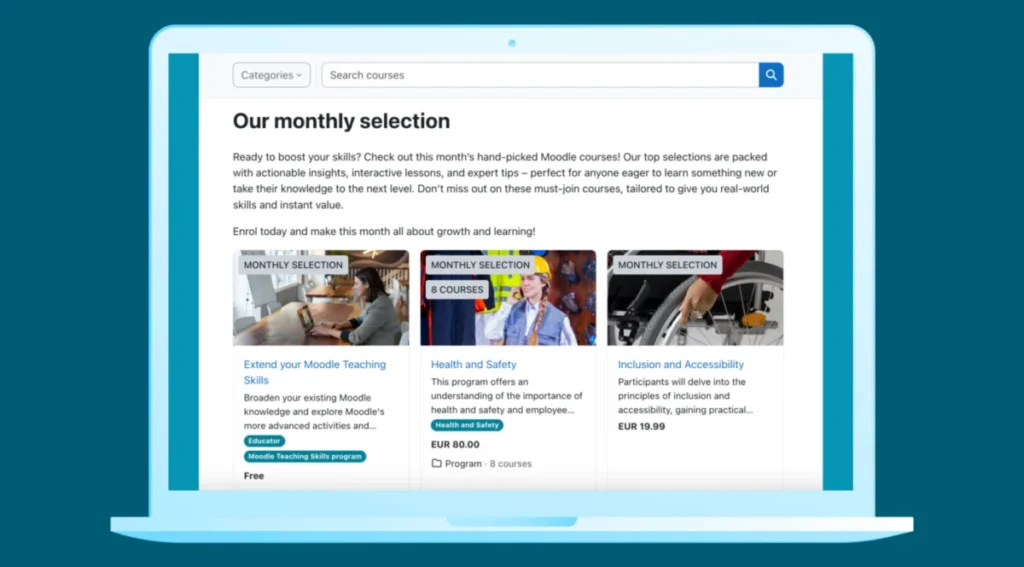
The fundamental architecture of most learning platforms has long been predicated on a structured, linear model. This paradigm, where learning is assigned, meticulously completed, and rigorously tracked, has served as the bedrock for organizational training initiatives, particularly in areas demanding unwavering consistency such as compliance, onboarding, and standardized skill development. This established framework remains undeniably crucial, ensuring that critical knowledge and procedures are disseminated uniformly across diverse workforces. However, the lived experience of daily learning for individuals paints a vastly different picture, one that increasingly diverges from this rigid, start-to-finish course completion model.
In today’s dynamic professional environment, learning is seldom a monolithic block of time dedicated to a full course. Instead, it often manifests as a series of discrete, immediate engagements. Professionals are more likely to seek out concise explanations, specific task-oriented guidance, or the clarification of a particular concept precisely when it is needed to overcome an immediate obstacle or advance a current project. This shift in user behavior has propelled approaches like microlearning into prominence. Microlearning, characterized by its delivery of short, focused, and easily digestible content modules, empowers individuals to access precisely the information they require, precisely when they require it, thereby minimizing disruption and maximizing immediate utility. This methodology aligns seamlessly with the fragmented nature of modern work, where multitasking and rapid problem-solving are the norm.
However, a critical disconnect emerges when the granularity of learning consumption—often occurring in bite-sized chunks—is contrasted with the holistic nature of professional development. While individuals may consume learning content in small, manageable doses, their actual growth and capability building are cumulative processes that extend over time. The true challenge lies not merely in providing isolated pieces of information, but in fostering an understanding of how these individual learning moments coalesce into a more substantial and meaningful development trajectory. Professionals need to perceive the interconnectedness of these micro-learnings, recognizing how each small step contributes to a larger skill set, a deeper understanding, or an enhanced capacity to perform complex tasks.
This is precisely where many contemporary learning environments begin to falter, presenting a fragmented experience. While individual courses or modules might be meticulously designed and effective in isolation, the crucial linkages between them often remain obscured. The absence of clear navigational pathways or visible connections can leave learners adrift, uncertain about how one area of knowledge builds upon another, or where a particular learning journey might ultimately lead. This lack of coherence can undermine motivation, impede progress, and ultimately hinder the realization of comprehensive professional growth. The implications of this disconnect are far-reaching, impacting not only individual career progression but also an organization’s ability to cultivate a truly skilled and adaptable workforce.
The Shifting Sands of Knowledge Acquisition
The traditional learning management system (LMS) has historically been the dominant tool for delivering and tracking formal training. Designed with compliance and standardized knowledge transfer in mind, these platforms excel at managing curricula, assigning mandatory courses, and generating reports on completion rates. For instance, a report by the Association for Talent Development (ATD) in 2023 indicated that while 90% of organizations utilize an LMS, a significant portion of employees (estimated to be around 60-70%) find their existing learning platforms to be either ineffective or lacking in relevant content for their day-to-day roles. This data point underscores the growing chasm between the intended purpose of these platforms and the evolving needs of the modern learner.
The advent of the internet and the proliferation of digital content have fundamentally altered how individuals seek and acquire information. The "just-in-time" learning model, exemplified by platforms like YouTube, Google, and specialized wikis, has conditioned users to expect immediate access to answers. In the professional realm, this translates to a preference for learning resources that are readily available, easily searchable, and directly applicable to current tasks. A 2022 survey by LinkedIn Learning found that 74% of professionals prefer learning in short bursts that fit into their workday, rather than dedicating long periods to formal training sessions. This statistic highlights the growing demand for agile learning solutions that respect the time constraints and dynamic workflows of today’s workforce.
Microlearning, as a pedagogical approach, directly addresses this demand. It breaks down complex topics into smaller, more manageable units, often in the form of short videos, infographics, interactive quizzes, or concise articles. The efficacy of microlearning has been substantiated by numerous studies. For example, research published in the Journal of Applied Psychology in 2021 suggested that microlearning modules can lead to improved knowledge retention and higher engagement rates compared to traditional, lengthy training programs, especially when content is relevant and immediately applicable. The appeal lies in its low barrier to entry and its ability to provide targeted solutions without requiring a significant time commitment.
The Paradox of Fragmentation: From Bites to Breakthroughs
Despite the undeniable benefits of microlearning in addressing immediate learning needs, a critical challenge arises: how do these fragmented pieces of knowledge contribute to sustained, long-term professional development? The issue is that while learning experiences may be fragmented, the development of competence and expertise is inherently a cumulative process. Individuals don’t just learn a single skill; they build upon existing knowledge, integrate new concepts, and develop a nuanced understanding that evolves over time.
Consider the example of a software engineer learning a new programming language. While they might benefit from a series of microlearning modules on specific syntax, functions, or debugging techniques, true proficiency emerges from understanding how these elements interact within larger projects, how to apply them to solve complex problems, and how to adapt them to different architectural patterns. If these micro-modules are presented in isolation, without a clear path demonstrating their interconnectedness and their contribution to broader software development principles, the engineer might acquire fragmented knowledge without developing a deep, transferable capability.
This is where the limitations of many current learning ecosystems become apparent. Platforms may offer a rich library of microlearning content, but the architecture often fails to provide a cohesive narrative or a visible roadmap for progression. Learners might find themselves clicking from one unrelated module to another, accumulating discrete pieces of information without a clear sense of how they fit into a larger developmental framework. This can lead to a feeling of being overwhelmed, disoriented, and ultimately, demotivated. The perceived lack of structure, ironically, can become a significant impediment to genuine growth, even when the learning content itself is designed to be easily consumed.
The Imperative for Connected Learning Journeys
The future of effective learning and development in organizations lies in bridging this gap between micro-moments of learning and the overarching need for sustained capability building. This requires a fundamental shift in how learning platforms are designed and how learning content is structured and presented. Instead of viewing microlearning and traditional courses as competing models, the focus must be on integrating them into a coherent and navigable learning ecosystem.
This integration involves creating pathways that clearly illustrate the progression of knowledge and skills. For instance, a microlearning module on a specific cybersecurity threat could be linked to a broader course on network security, which in turn could be connected to an advanced module on incident response. These connections can be visualized through learning maps, personalized learning paths, or competency frameworks that allow learners to see how their current learning fits into their overall development goals.
Industry experts are increasingly advocating for this more holistic approach. Dr. Anya Sharma, a leading learning strategist and author of "The Connected Learner," stated in a recent webinar, "We’ve mastered the art of delivering bite-sized information, but we’ve yet to fully embrace the science of building connected knowledge. Organizations need to move beyond simply offering a buffet of micro-content and instead curate learning experiences that guide individuals from foundational understanding to advanced mastery, demonstrating the value of each step along the way."
This approach also necessitates a greater emphasis on personalized learning. By understanding an individual’s current skill level, career aspirations, and learning preferences, platforms can curate and recommend learning pathways that are most relevant and impactful. This moves away from a one-size-fits-all model and towards a more adaptive and learner-centric experience. Data analytics will play a crucial role here, not just in tracking completion, but in identifying knowledge gaps, predicting future skill needs, and recommending the most effective learning interventions.
Implications for Organizations and the Workforce
The implications of failing to address this fragmentation are significant for both individuals and organizations. For employees, a lack of clear developmental pathways can lead to stagnation, disengagement, and a feeling of being unprepared for future challenges. This can impact morale, productivity, and ultimately, retention. A 2023 study by Deloitte found that organizations with strong learning cultures, which emphasize continuous development and provide clear growth opportunities, experience 30-50% higher employee engagement and retention rates.
For organizations, the inability to foster connected learning can result in a skills gap, a workforce that is not adequately prepared for evolving industry demands, and a missed opportunity to cultivate a culture of innovation and adaptability. In an era where technological advancements and market shifts are constant, a static workforce is a liability. The ability to rapidly upskill and reskill employees is becoming a critical competitive advantage.
The transition towards a more integrated learning ecosystem is not without its challenges. It requires investment in new technologies, a rethinking of content development strategies, and a commitment from leadership to prioritize continuous learning and development. However, the potential rewards—a more skilled, adaptable, and engaged workforce—are substantial. As the nature of work continues to evolve, so too must the methods by which we learn and develop. The future of professional growth lies in seamlessly connecting the immediate needs of the moment with the long-term vision of capability.