


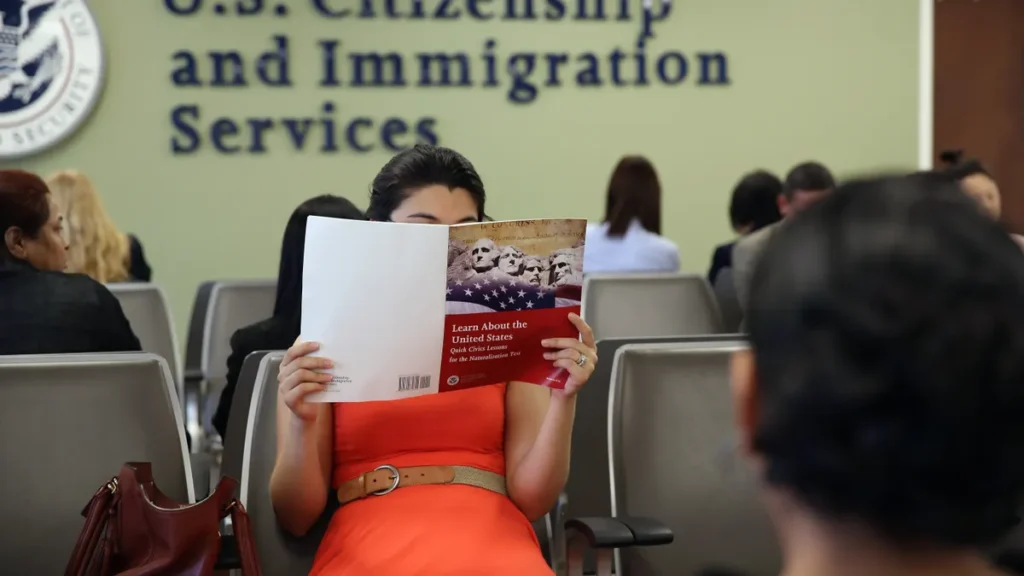
The U.S. Citizenship and Immigration Services (USCIS) announced on Friday, July 24, 2026, that the congressionally mandated cap for the H-1B visa program has been reached for the fiscal year 2027. This marks a critical juncture for businesses and educational institutions that rely on the program to fill specialized roles, particularly as the program has recently faced a series of policy adjustments and increased enforcement under the second Trump administration. The H-1B visa, designed for occupations requiring theoretical or technical expertise in specialized fields, has a regular annual cap of 65,000 petitions. An additional 20,000 petitions are accommodated through the U.S. advanced degree exemption, often referred to as the "master’s cap."
The attainment of the fiscal year cap, occurring well in advance of the start of the fiscal year on October 1, 2026, underscores the persistent demand for foreign talent in the U.S. workforce. However, this annual threshold has become a focal point for policy debates and administrative actions aimed at reshaping the program’s administration and the types of beneficiaries it serves. Recent years have seen a concerted effort to introduce changes that proponents argue will prioritize higher-skilled workers and those commanding higher wages, while critics express concerns about potential disruptions to critical sectors and increased operational costs for employers.
A Shifting Landscape: Policy Changes and Increased Scrutiny
The current administration’s approach to the H-1B program has been characterized by a series of proposed and implemented changes aimed at reforming its selection process and enforcement. A significant development occurred in September 2025, when the U.S. Department of Homeland Security (DHS) proposed an update to the visa petition selection process. This proposed rule sought to fundamentally alter how H-1B petitions are chosen by introducing a weighted lottery system that would give greater preference to employers offering higher salaries. The stated objective of this initiative was to "incentivize employers to offer higher wages" and to attract "workers with higher skill levels," aligning with a broader strategy to ensure that the H-1B program benefits the U.S. economy and its domestic workforce.
Accompanying this proposed regulatory shift was an announcement from President Donald Trump regarding a substantial fee increase for H-1B visa petitions. This proposed $100,000 fee, intended to be levied on H-1B visa petitions, generated significant backlash from the business community and led to immediate legal challenges. The U.S. Chamber of Commerce, along with other business groups, swiftly filed litigation against the White House, arguing that the administration lacked the statutory authority to impose such a substantial tax on the program. This legal battle highlighted the deep divisions over the role and regulation of the H-1B visa program in the U.S. economy.
Impact on Critical Sectors: The Education Dilemma
The proposed changes and increased scrutiny have had a palpable impact on various sectors, most notably K-12 education. School districts across the nation have historically relied on the H-1B visa program as a crucial tool to address severe teacher shortages, particularly in specialized subjects like STEM and special education. These districts often struggle to recruit and retain qualified educators through domestic channels, making international hires a vital component of their staffing strategies.
A National Education Association (NEA) analysis conducted during fiscal year 2025 revealed that over 500 K-12 public school districts employed more than 2,300 H-1B visa holders. The NEA further noted that a significant proportion of these H-1B hires in the education sector are facilitated through universities and colleges, which often sponsor international faculty and researchers. For these educational institutions, the prospect of increased fees and a more complex application process posed a significant threat to their ability to maintain essential educational services and address critical staffing gaps. School leaders voiced concerns that the new financial burdens would hinder their capacity to continue this essential hiring practice, potentially exacerbating existing educational inequities.
Legal Reversals and Ongoing Enforcement Initiatives
The proposed $100,000 fee faced a significant setback last month, prior to the USCIS announcement regarding the FY2027 cap. A federal judge ruled that President Trump lacked the authority to unilaterally impose such a substantial tax on the H-1B visa program. This judicial decision effectively struck down the fee, offering a measure of relief to employers who had been preparing for the increased costs. However, the broader administrative efforts to reshape the H-1B program continue.

In parallel with the fee announcement in September 2025, the U.S. Department of Labor launched "Project Firewall," an enforcement initiative aimed at protecting the rights and wages of U.S. workers. This initiative explicitly prioritizes investigations into situations where American workers might be displaced or overlooked in favor of H-1B visa holders. The stated goal of Project Firewall is to "maximize compliance with the H-1B visa program" and to ensure fair labor practices for all workers. This intensified enforcement underscores the administration’s commitment to scrutinizing the program’s impact on the domestic labor market.
Background and Chronology of H-1B Program Developments
The H-1B visa program, established by the Immigration Act of 1990, has been a cornerstone of U.S. immigration policy for skilled foreign workers. It allows U.S. employers to temporarily employ foreign nationals in occupations that require specialized knowledge and a bachelor’s degree or its equivalent. Over the years, the program has evolved through legislative amendments and administrative regulations, reflecting shifting economic priorities and political considerations.
Key Milestones in Recent H-1B Program Adjustments:
- September 2025: The Department of Homeland Security (DHS) proposes a rule to revise the H-1B selection process, prioritizing higher wages and skills. Simultaneously, President Trump announces a proposed $100,000 fee for H-1B petitions.
- Late 2025 – Early 2026: The U.S. Chamber of Commerce and other business organizations file lawsuits challenging the legality of the proposed fee.
- May 2026: A federal judge rules that the administration lacks the authority to impose the $100,000 H-1B visa fee, effectively striking it down.
- July 24, 2026: U.S. Citizenship and Immigration Services (USCIS) announces that the H-1B visa cap for fiscal year 2027 has been reached.
Broader Implications and Future Outlook
The consistent and rapid attainment of the H-1B visa cap each year highlights a persistent demand for specialized foreign talent that often outstrips the available annual quota. This demand is driven by a variety of factors, including the rapid pace of technological innovation, a shortage of domestic workers with specific high-demand skills, and the global competition for talent.

The administrative efforts to reform the H-1B program, even with the setback on the $100,000 fee, indicate a continued focus on reshaping its parameters. The proposed wage-based selection system, if eventually implemented, could significantly alter the landscape for employers, potentially making it more challenging for smaller businesses or those in lower-paying but critical sectors to secure H-1B visas. This could lead to increased labor costs and a greater reliance on domestic recruitment efforts, which may not always be sufficient to meet demand.
For educational institutions, the implications are particularly significant. The reliance on H-1B visas to fill crucial teaching positions means that any policy changes that make it more difficult or expensive to hire international educators could directly impact the quality and availability of education for American students. This could create a ripple effect, potentially widening achievement gaps and placing additional strain on already under-resourced school districts.
The U.S. Department of Labor’s Project Firewall also signals a heightened level of enforcement and scrutiny, which may lead to increased compliance burdens for employers. While intended to protect domestic workers, such initiatives can also create uncertainty and administrative challenges for businesses that utilize the H-1B program responsibly.
As the U.S. navigates its economic future, the H-1B visa program remains a critical point of discussion. The ongoing debate centers on how to balance the need for skilled foreign labor with the imperative to protect American jobs and wages. The recent policy shifts and the consistent reaching of the visa cap suggest that the H-1B program will continue to be a subject of significant policy development and public discourse in the years to come. The administration’s commitment to reviewing and potentially revising the H-1B program’s operational framework suggests that further changes, beyond the cap itself, are likely to emerge, impacting the flow of skilled workers into the U.S. economy.