


The annual global phenomenon known as Fat Bear Week returns for its 2026 tournament, bringing conservation education, wildlife drama, and millions of online voters together to celebrate the remarkable physical transformations of Alaska’s brown bears. Among the standout contenders for the 2026 title is Bear #132, a first-time competitor whose resilient journey through the spring and summer months has captured the attention of wildlife observers worldwide. As voters prepare to cast their ballots starting Tuesday, September 22, the competition offers a compelling look into the biological imperatives, ecological challenges, and raw realities of life inside Katmai National Park and Preserve.
Main Facts and Tournament Overview
Fat Bear Week is a single-elimination tournament hosted by the Katmai Conservancy, explore.org, and the National Park Service. It mirrors the structure of a sports bracket, but instead of athletic competition, voters evaluate the physical transformation of brown bears as they feast on sockeye salmon to prepare for winter hibernation. What began in 2014 as a modest, one-day local voting event that drew approximately 1,700 votes has evolved into an international sensation. By the 2024 tournament, the event had accumulated 1.2 million votes from participants in over 100 countries.
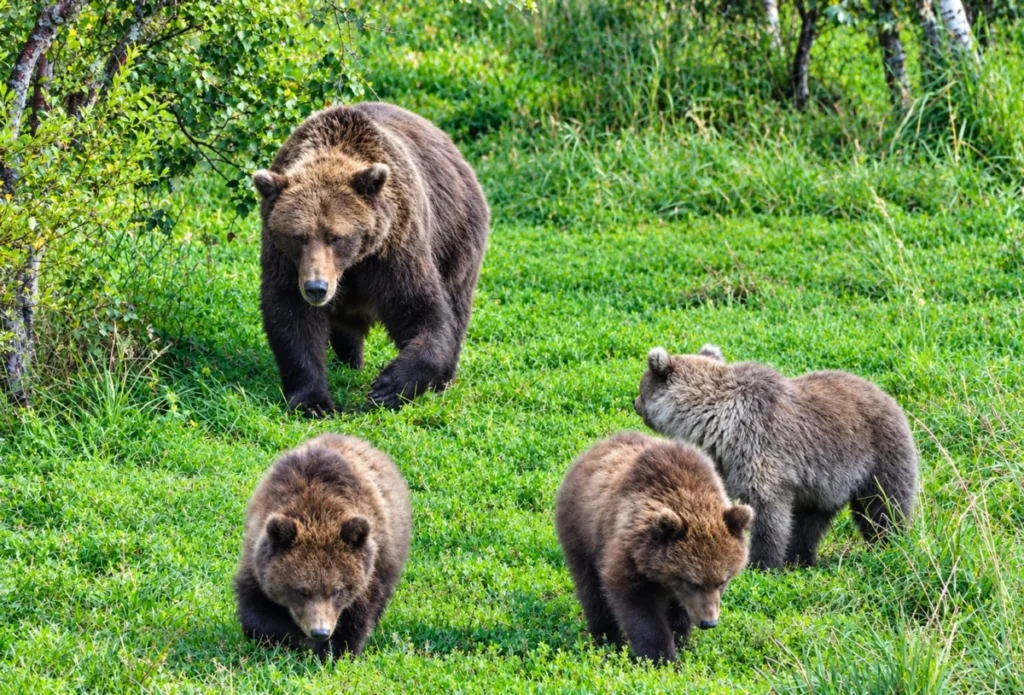
The 2026 bracket features 16 adult brown bears divided into four distinct categories: mother bears, single females, sub-adults, and adult males. Bear #132 enters the first round of voting on September 22 in a matchup against Bear #284, also known as Electra, and her two cubs. To secure a victory, voters analyze photographs showcasing the bears’ physical conditions from early summer to late fall. Adult male brown bears in Katmai typically scale up from roughly 700 pounds in the early summer months to over 1,200 pounds by autumn. For mother bears, the physiological demand is even more extreme, as they must consume enough calories to sustain themselves while simultaneously nursing and protecting their offspring.
Chronology of Bear #132 and the 2026 Season
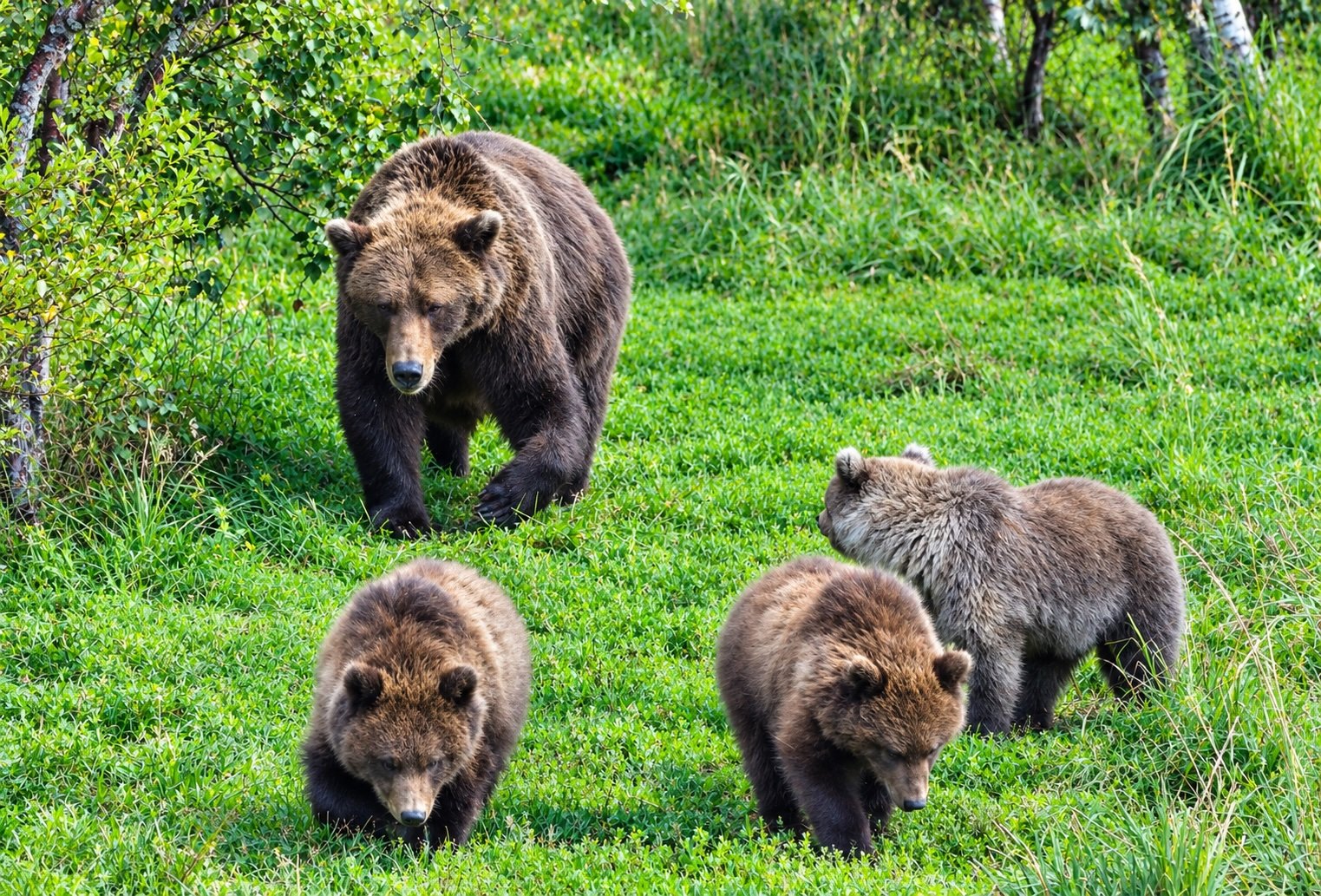
Bear #132’s path to Fat Bear Week 2026 is defined by a dramatic narrative of survival. First identified by park naturalists in 2009 as a 4.5-year-old subadult, her lineage connects her to some of Katmai’s most famous residents. Experts speculate she is a littermate of Bear #128 Grazer, a two-time Fat Bear Week champion who won titles in 2023 and 2024. Furthermore, Bear #132 is potentially the mother of Bear #806, an adult contender in the 2026 tournament who made headlines earlier this summer for killing an unrelated cub.
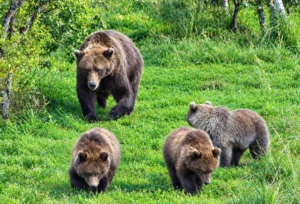
Bear #132 emerged in the spring of 2026 with three spring cubs, representing her fourth known litter. She began the season significantly lean, a common condition for mother bears emerging from winter torpor with high metabolic demands. However, her fortunes—and those of her family—were tested in mid-July.
Around July 17, 2026, one of Bear #132’s spring cubs became separated from the family unit. The lone cub was documented wandering near the Brooks River alone, attempting to approach other bear families only to be rebuffed, chased away, or ignored. For a bear cub lacking maternal protection, isolation presents immediate, life-threatening dangers, including starvation and predation by dominant adult bears.
Despite the bleak odds, the cub survived independently for several days before successfully reuniting with Bear #132. Naturalists tracking the event via explore.org livestreams noted that while luck played a factor, Bear #132’s deep familiarity with the Brooks River geography was critical. Understanding the landscape allowed the mother bear to navigate safe zones where she could locate her missing offspring.

Broader Ecological Context and Wildlife Dynamics
The drama surrounding Bear #132 unfolded during a turbulent summer at Katmai National Park that underscored the often harsh realities of wild ecosystems. Naturalist Mike Fitz, alongside park rangers Christine Loberg and Sarah Bruce, documented several unprecedented or rare events along the Brooks River throughout the 2026 season.
On July 28, live-cams captured an adult female brown bear, Bear #806, killing and consuming an unrelated spring cub born to Bear #909. Just days later, on August 2, a cub belonging to Bear #335 (Jolly) was killed after following three unrelated cubs up a tree, where an aggressive defending mother attacked it. Park officials noted that while infanticide and intraspecies aggression occur in nature, the frequency and visibility of these events on the public livestreams provided viewers with an unfiltered look at predator dynamics. Researchers continue to debate the primary drivers behind these events, pointing to potential factors such as food competition, territorial dominance, and failed adoption behaviors.
Despite these challenges, the park also witnessed moments of biological wonder and levity. Observers tracked a rare cub with silver-hued fur, a youngster that learned a painful lesson regarding porcupine quills, the innovative fishing techniques of Bear #164 (Bucky Dent), and Bear #284’s family, whose unusual behavior earned them the moniker of bears that can "walk on water."
The Biology of Brown Bear Fattening and Torpor
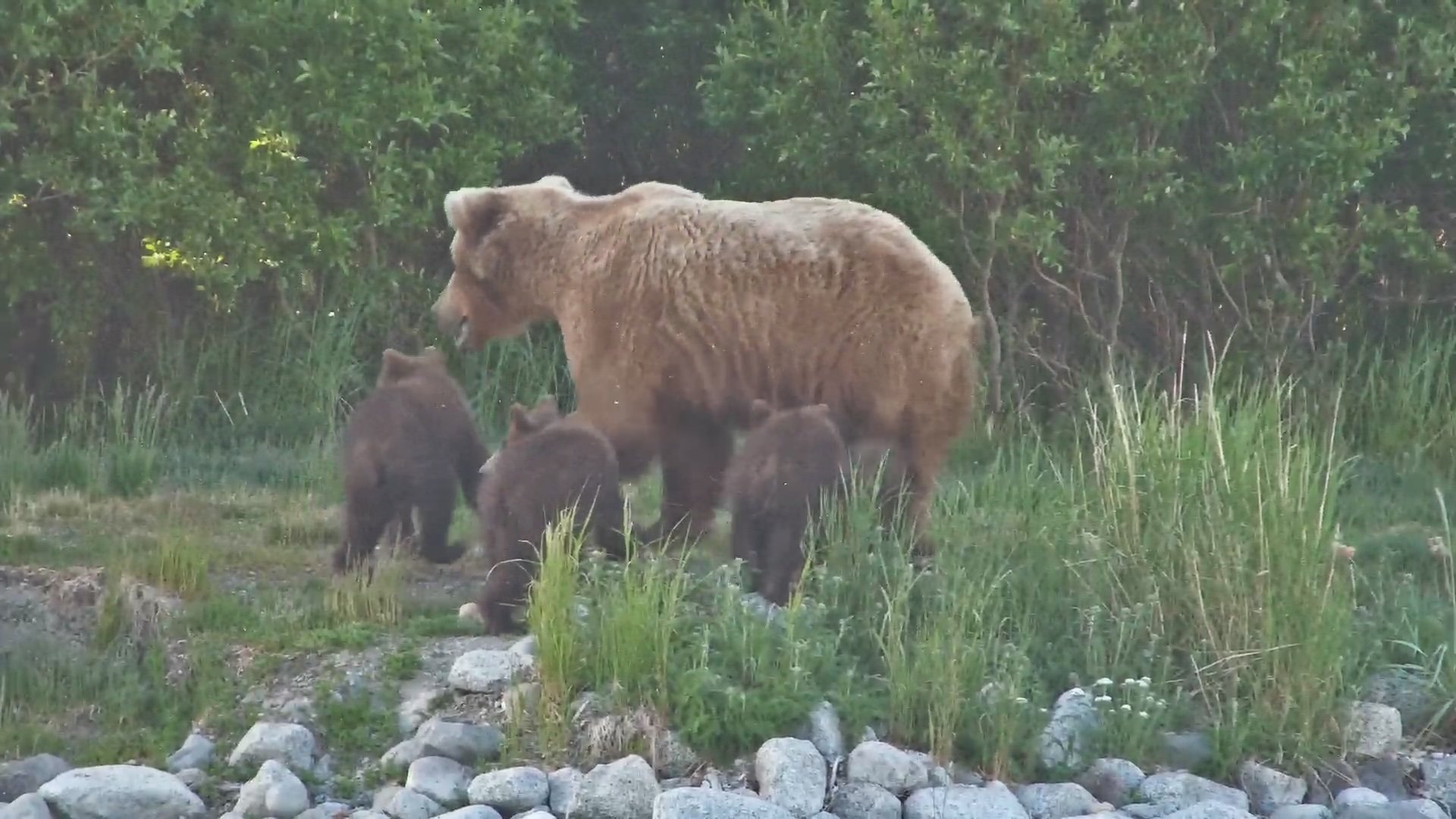
The foundational premise of Fat Bear Week rests on a crucial biological necessity: the accumulation of fat for winter survival. Every summer, sockeye salmon migrate up the Brooks River to spawn, drawing brown bears to the waterfalls and rapids. In late summer, the spawned salmon begin to die, prompting bears to shift their feeding grounds to the lower Brooks River to consume carcasses near the river’s mouth.
This feeding frenzy is essential because brown bears do not undergo traditional deep hibernation, a state experienced by smaller mammals like bats, ground squirrels, and bees. Instead, bears enter torpor, an involuntary metabolic state triggered primarily by food scarcity and cold temperatures. During torpor, a bear’s eating, drinking, and waste elimination cease entirely. The animal relies strictly on the adipose tissue accumulated over the summer and autumn months to sustain vital organ functions until spring. Consequently, a bear’s girth is directly correlated with its probability of surviving the winter and emerging successfully the following year.
Official Responses, Conservation, and Support
The National Park Service and the Katmai Conservancy view Fat Bear Week not merely as an entertaining online contest, but as an essential tool for public education and wildlife conservation. Through continuous livestreams hosted on explore.org, millions of people gain direct access to ecosystem monitoring, animal behavior studies, and wilderness preservation principles.
Conservation efforts are further bolstered by the Otis Fund, named in honor of Bear #480 (Otis), a legendary four-time Fat Bear Week champion who passed away around 2024. The fund supports habitat preservation and park ranger initiatives in Katmai National Park. To amplify these efforts, explore.org has committed to matching all donations made to the Otis Fund between September 22 and October 3.

Implications and Future Outlook
As voting opens for the 2026 tournament, the competition highlights the intersection of modern technology and wildlife conservation. Live-cams and digital voting platforms have transformed passive nature viewing into an interactive global community. For individual bears like Bear #132, the public spotlight brings heightened awareness to the pressures facing maternal bears in rapidly changing northern ecosystems.
Whether Bear #132 and her resilient trio of cubs advance past the first round against Bear #284 or ultimately claim the 2026 Fat Bear Week crown, their journey serves as a testament to the endurance of wildlife in Katmai. Voting for the first round runs on Tuesday, September 22, with the ultimate tournament winner scheduled to be crowned on Tuesday, September 29, at fatbearweek.org.