


The contemporary global landscape is undergoing a profound structural shift in how human beings consume information, process complex narratives, and engage with the written word. In recent weeks, cultural commentators, technology theorists, and educators have intensified warnings regarding an accelerating decline in deep reading habits. This widespread retreat from traditional literacy has been catalyzed by the ubiquity of distracting digital technologies, algorithmic feeds, and micro-entertainment platforms. Analysts argue that this transition is not merely a benign evolution in media consumption preferences—akin to the historical shift from radio to television—but a fundamental transformation that threatens to alter human consciousness, sociopolitical structures, and intellectual capacity on a civilizational scale.
Main Facts and the Current Reading Crisis
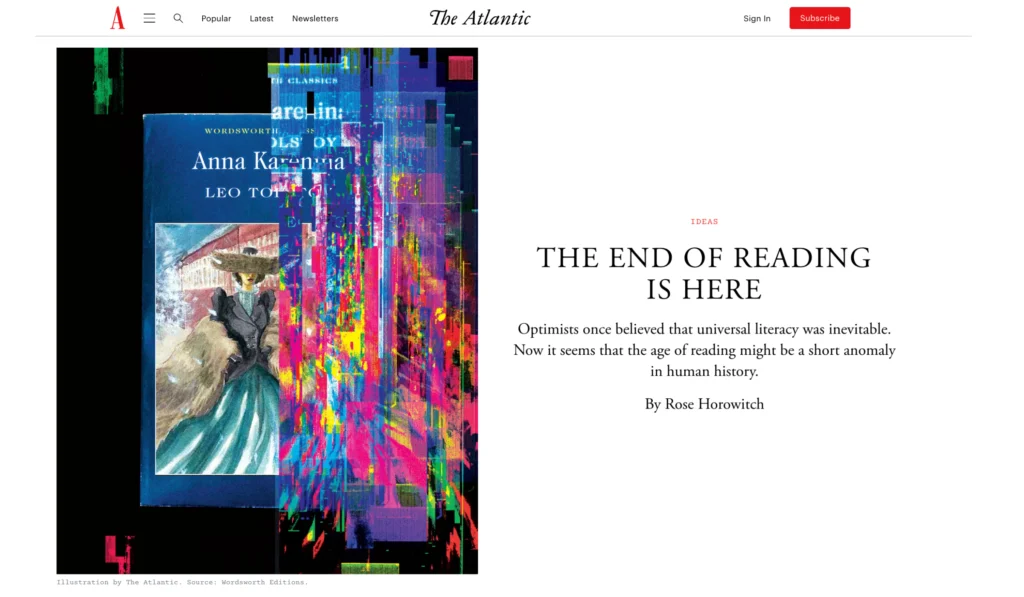
The debate gained renewed urgency following the publication of a comprehensive feature in The Atlantic by journalist Rose Horowitch, titled "The End of Reading is Here." Spanning more than 8,500 words, Horowitch’s analysis synthesizes a growing body of sociological and educational research indicating a sharp, quantifiable reduction in book reading, long-form journalism, and sustained textual comprehension, particularly among younger demographics.
This discourse builds upon prior warnings issued by cultural critics such as British commentator James Marriott, whose forthcoming book, The New Dark Ages, examines the systemic withdrawal from literate culture. According to these analysts, the proliferation of smartphones, social media notifications, and short-form video formats has systematically eroded the human attention span. Consequently, individuals are finding it increasingly difficult to engage with texts that require linear, sustained, and analytical focus.
The primary concern among educators and cognitive scientists is that literacy is not merely a tool for information retrieval, but the foundational technology that enabled the development of modern rationality, democratic institutions, and independent thought. As populations spend less time grappling with complex prose, society risks regressing into a post-literate epoch characterized by superficial understanding, emotional reactivity, and fragmented discourse.
Chronology of the Literacy Debate
To understand the current anxiety surrounding the "reading crisis," it is necessary to examine the trajectory of digital media integration over the past two decades:
- Early 2000s to 2010: The rapid expansion of broadband internet and the introduction of smartphones democratized access to information while simultaneously introducing continuous connectivity. Initial optimism suggested that digital platforms would encourage more reading through e-readers and online articles.
- 2010 to 2020: The rise of algorithmic social media feeds shifted the digital economy toward engagement-driven metrics. Platforms prioritized short, visually stimulating content over long-form text, leading to measurable declines in leisure reading time, particularly among teenagers and young adults.
- 2020 to 2024: The COVID-19 pandemic accelerated remote learning and digital dependency. Educational assessments during this period revealed significant learning loss and declining reading proficiency scores across multiple industrialized nations.
- Late 2025 to Early 2026: A convergence of high-profile essays—including a widely discussed op-ed in The New York Times focusing on cognitive fitness and mental endurance—brought the conversation to the mainstream. Commentators began framing the issue not just as a preference shift, but as a public health and cognitive crisis.
- August 2026: The publication of Rose Horowitch’s comprehensive feature in The Atlantic, followed closely by coordinated academic panels and literary symposia, cemented the narrative that Western society is entering a critical juncture regarding the future of the written word.
Supporting Data and Empirical Findings
Statistical indicators from educational institutions, publishers, and sociological research bodies substantiate the claims made by Horowitch, Marriott, and other technology theorists.
Recent surveys conducted by national reading agencies and statistical bureaus reveal a steady downward trend in the percentage of individuals who read books for pleasure. Among adolescents and young adults aged 15 to 24, daily time spent reading physical books and long-form articles has dropped to historic lows, with many reporting zero minutes dedicated to leisure reading on an average day. Conversely, daily screen time devoted to algorithmic platforms frequently exceeds four to six hours per user.
Furthermore, standardized testing data from international educational authorities indicate a plateau or decline in reading comprehension proficiency among students. Educators report that university-level students increasingly struggle to complete entire books or academic monographs, often defaulting to summaries, audio synopses, or artificial intelligence-generated overviews. This reliance on synthesized information bypasses the cognitive friction required to develop critical thinking, vocabulary acquisition, and deep comprehension skills.
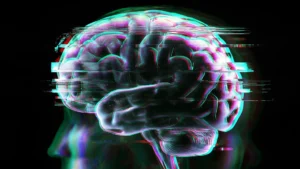
Cognitive neuroscientists point out that reading is not a biologically hardwired trait like speaking or listening; it is a cultural invention that requires the brain to repurpose neural networks originally designed for object recognition and vision. When individuals cease to practice deep reading regularly, these neural pathways atrophy, leading to diminished capacities for sustained concentration, empathy, and abstract reasoning.
Academic and Expert Perspectives
The implications of a post-literate society have drawn commentary from diverse academic disciplines, including anthropology, history, and cognitive psychology.
In classic sociological works such as Walter Ong’s Orality and Literacy, scholars have long demonstrated that the transition from oral traditions to written literacy fundamentally reshaped human consciousness. Ong argued that writing separates the knower from the known, establishing the conditions necessary for objective science, formal logic, and codified legal systems.
Technology theorists and historians argue that discarding or marginalizing literacy threatens to reverse these civilizational gains. When societies transition away from text-based deliberation, public discourse tends to become more tribal, reactionary, and susceptible to charismatic manipulation. Complex policy debates are reduced to soundbites and viral memes, undermining the foundations of democratic governance.
Critics of the "doom and gloom" narrative, however, offer a more sanguine interpretation. Some digital media scholars argue that contemporary communication has simply evolved into a multimodal format where visual literacy, hyper-textual navigation, and rapid information synthesis are prioritized over traditional book reading. From this perspective, younger generations are not necessarily less intelligent; rather, they are adapting to a different information ecosystem that values breadth over depth.
Proponents of the literacy crisis hypothesis counter this argument by asserting that while multimodal communication has its place, it cannot substitute for the unique cognitive depth fostered by deep reading. Just as physical exercise cannot be replaced by passive observation without incurring a cost to bodily health, digital content consumption cannot replace the mental discipline of reading without diminishing cognitive vitality.
Broader Impact and Implications for the Future
The societal ramifications of diminished literacy extend across several critical domains:
- Economic Competitiveness and Innovation: The modern knowledge economy relies heavily on complex problem-solving, advanced research, and the synthesis of disparate ideas—skills directly cultivated through rigorous reading habits. A workforce with declining reading stamina may struggle to innovate in fields requiring deep technical expertise.
- Democratic Engagement and Civic Discourse: Healthy democracies depend on an electorate capable of evaluating complex arguments, discerning nuance, and resisting demagoguery. Post-literate societies, accustomed to rapid emotional gratification and superficial information processing, may find it increasingly difficult to sustain stable, rational democratic institutions.
- Mental Health and Cognitive Fitness: Emerging frameworks in public health advocate for "cognitive hygiene," treating digital distraction and shallow information consumption analogously to poor dietary habits. The inability to disconnect and focus on a single narrative for extended periods has been linked to rising rates of anxiety, attention deficit disorders, and a general sense of alienation.
Proposed Solutions and the Path Forward
Addressing the reading crisis requires a deliberate cultural and individual pivot, moving away from passive consumption toward active cognitive stewardship.
Just as public health campaigns in the latter half of the twentieth century successfully transformed societal attitudes toward physical fitness, nutrition, and smoking, contemporary society must implement structured routines to protect cognitive health. Experts suggest several actionable measures:
- Establishing Digital Boundaries: Individuals must learn to treat highly distracting digital platforms and algorithmic feeds as cognitive junk food—enjoyed strictly in moderation or avoided altogether.
- Allocating Dedicated Reading Time: Structuring daily schedules to include uninterrupted periods for reading physical books, long-form journalism, and reflective writing can help rebuild atrophied attention spans.
- Educational Reform: Schools and universities must resist the temptation to pander exclusively to digital shortcuts. Curricula should recommit to deep reading, long-form essay composition, and rigorous textual analysis.
As Rose Horowitch noted in the conclusion of her seminal article, society has been bequeathed an astonishing wealth of information, literature, and philosophical wisdom from preceding generations. What contemporary civilization chooses to do with this intellectual inheritance remains an open question—one that will define the trajectory of human culture for generations to come.