


The landscape of Southern California is globally renowned for its sprawling network of multi-laned highways, engineered to move millions of vehicles beneath bright blue skies. Yet, this vital human infrastructure has long presented an insurmountable barrier for the region’s native fauna. Soon, however, a monumental ecological engineering feat will bridge this divide. Set to open on December 2, the Wallis Annenberg Wildlife Crossing in Agoura Hills, California, is poised to become the world’s largest wildlife crossing, reconnecting the fragmented habitats separated by the heavily trafficked 10-lane 101 Freeway.
The project represents a critical turning point for urban conservation, offering a permanent pathway to restore ecological continuity between the Santa Monica Mountains and the Simi Hills. As construction crews put the finishing touches on the massive structure, conservationists, civil engineers, and wildlife biologists are monitoring the final phase with bated breath, hoping that favorable weather will allow the project to cross its ultimate finish line on schedule.
The Ecological Crisis of Habitat Fragmentation and Road Mortality
Wildlife crossings are specialized structures—ranging from overpasses to underpasses—designed to allow animals to cross human-made barriers like highways safely. Across the United States, the stakes for both human safety and wildlife preservation are extraordinarily high. Government and safety data indicate that collisions between motorists and large wildlife occur more than one million times annually, resulting in an estimated 400 human fatalities and billions of dollars in property damage each year.
However, vehicle collisions represent only half of the equation. Habitat fragmentation—the breaking up of continuous wilderness into isolated patches—poses a profound existential threat to biodiversity. When major highways bisect ecosystems, they restrict the natural movement of animals seeking food, mates, and new territory. For species requiring expansive home ranges, this isolation can lead to critically low genetic diversity and inbreeding depression.
In the greater Los Angeles metropolitan area, mountain lions (Puma concolor), also frequently referred to as pumas or cougars, are among the species most acutely vulnerable to genetic isolation caused by rapid urbanization and road development. Scientific studies have warned that local mountain lion populations face a severe risk of extinction within decades if genetic rescue cannot occur via migration. Among all the roadways slicing through the region’s remaining wilderness, the 101 Freeway stands out as the single most formidable obstacle to the ecological health of the Santa Monica Mountains.
Anatomy and Engineering of the Wallis Annenberg Wildlife Crossing
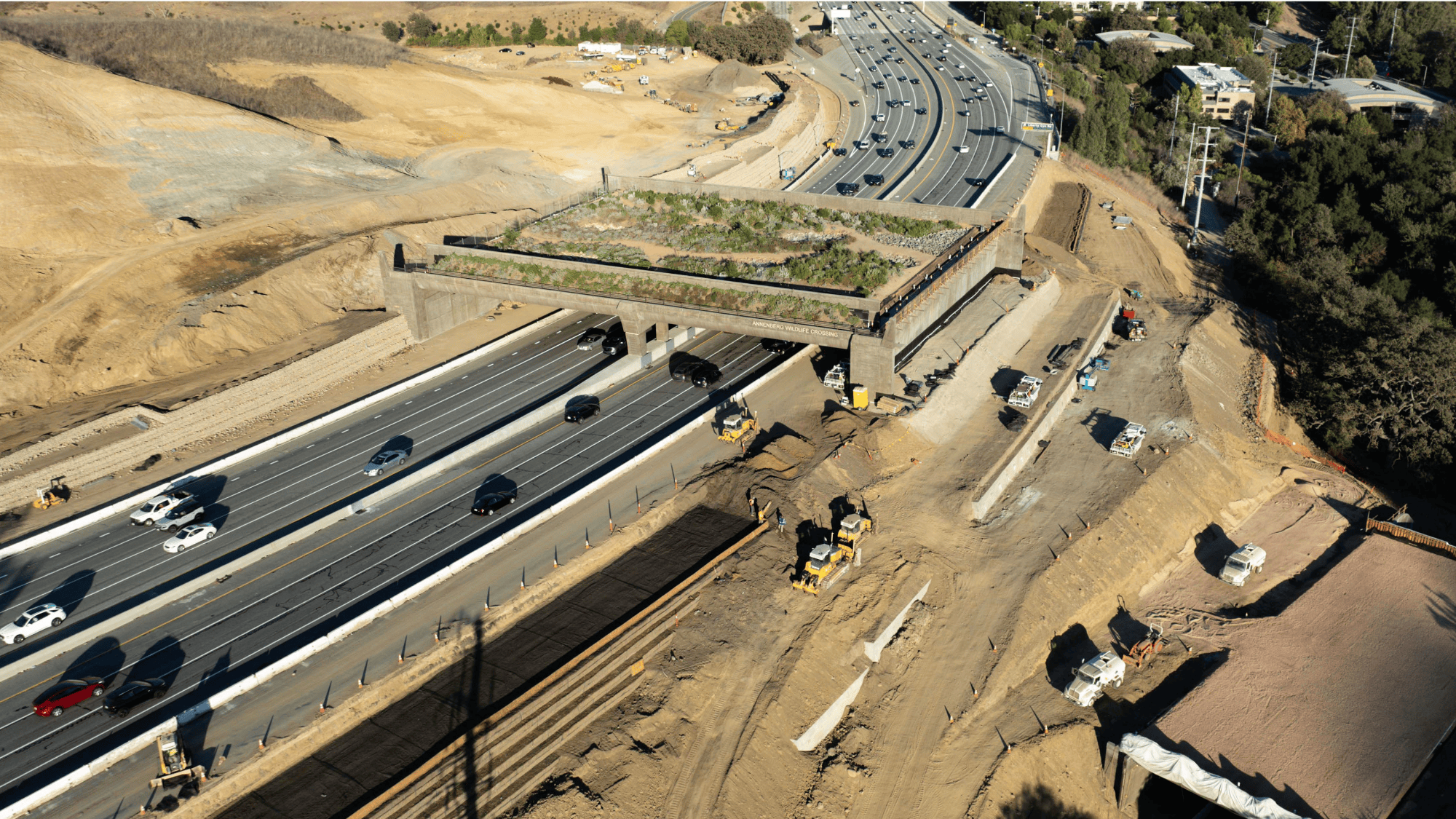
Spanning the breadth of the 101 Freeway at Liberty Canyon in Agoura Hills, the Wallis Annenberg Wildlife Crossing is a marvel of modern ecological engineering. Once completed, the bridge will measure approximately 210 feet long and roughly 170 to 174 feet wide, making it the largest structure of its kind in the world. Unlike standard concrete overpasses, this bridge is being meticulously landscaped with native vegetation, trees, and natural soils to mimic the surrounding terrain, ensuring that wildlife willingly step onto it without hesitation.
Building a structure of this magnitude across a vital, bustling commuter corridor required a staggering level of logistical coordination among multiple local, state, and federal agencies. One of the project’s most significant recent milestones was the completion of the concrete deck spanning Agoura Road, a major step that followed years of intense preparatory work.
To lay the groundwork for the crossing, construction crews had to drill and construct dozens of 75-foot-deep concrete pile structures directly into the ground along Agoura Road. Furthermore, the pre-construction phase required a complex public-utility realignment effort. Engineers successfully moved multiple high-voltage electric power lines and telecommunication lines underground, while simultaneously rerouting and upgrading a regional municipal waterline. All of this heavy civil engineering had to be executed with extreme precision to protect two vulnerable natural creeks and preserve dozens of protected heritage oak trees in the immediate vicinity.
A Race Against the Elements: The Final Timeline
The path to completion has been arduous, spanning years of fundraising, political advocacy, and intensive construction. Spearheaded by a unique public-private partnership involving the National Wildlife Federation, the California Department of Transportation (Caltrans), the Santa Monica Mountains Conservancy, and numerous private donors and philanthropic organizations, the project broke ground with widespread public support.
With the December 2 opening date fast approaching, project leaders are focused squarely on finishing touches. However, nature itself holds the final veto power over the schedule. Conservation leaders have openly expressed concern regarding seasonal weather patterns, specifically the potential arrival of a strong El Niño climate cycle, which typically brings heavy rainfall and severe storms to the southern regions of California.
"We’re just hoping El Niño’s on our side," said Beth Pratt, president of the Wildlife Crossing Fund, in an interview with the Los Angeles Times. Pratt noted that severe flooding or unremitting winter storms could force construction crews to temporarily halt final landscaping and paving work. "I keep saying, ‘Mother Nature, we’re trying to help you. Let’s not throw any more complications our way.’"
Broader Implications and Future Outlook
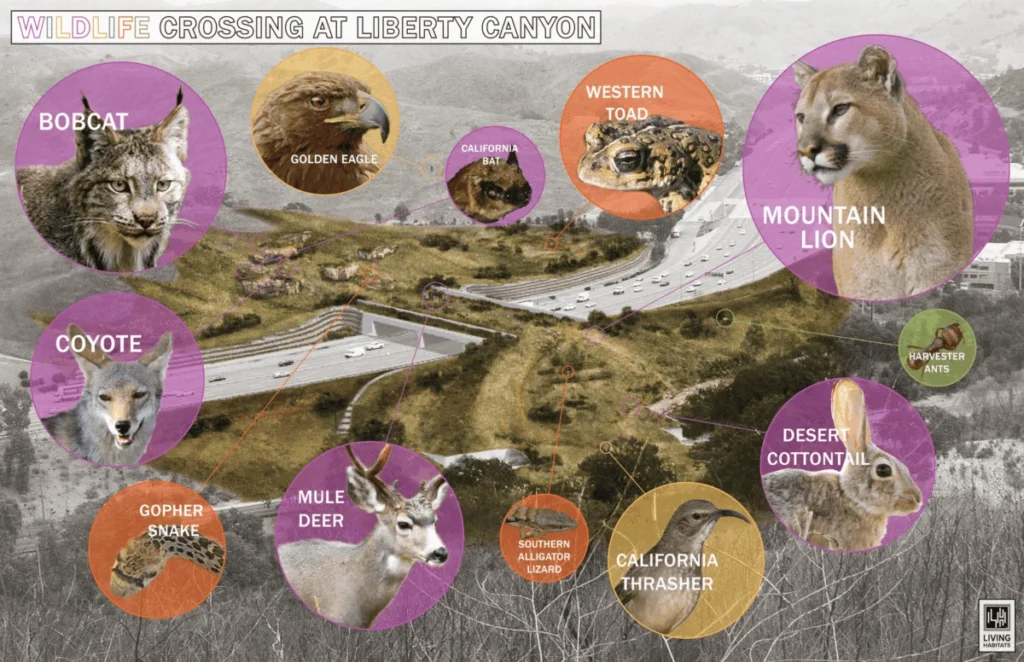
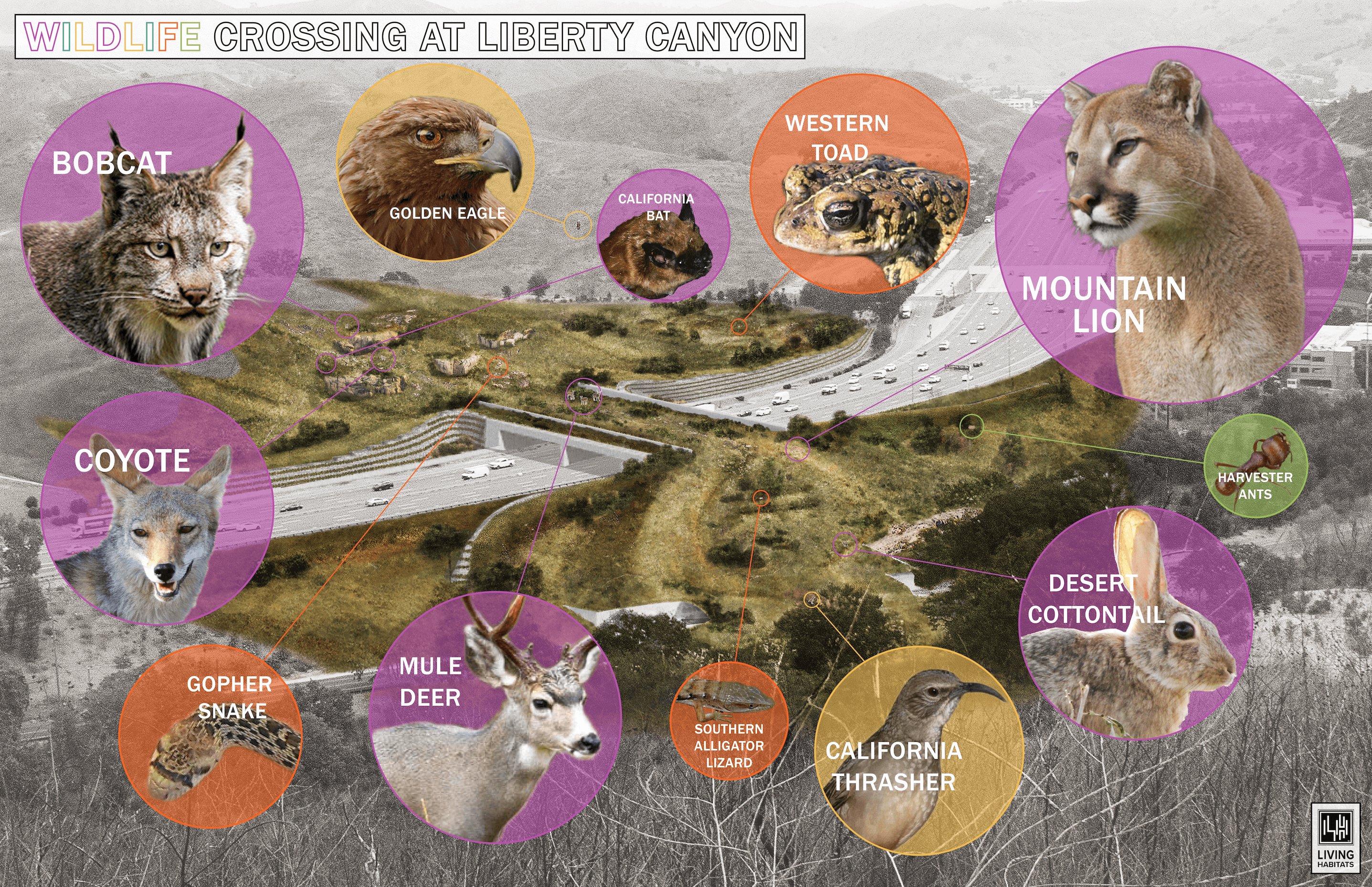
The completion of the Wallis Annenberg Wildlife Crossing is expected to serve as a global blueprint for urban wildlife conservation. While mountain lions are the flagship species driving the initiative, the overpass will benefit a vast array of native fauna. Ecological projections indicate that the bridge will regularly be utilized by mule deer, bobcats, coyotes, grey foxes, badgers, and numerous species of reptiles, amphibians, small mammals, and migratory birds.
By restoring genetic connectivity between isolated populations, the crossing will bolster the overall resilience of the Santa Monica Mountains ecosystem. Conservation biologists emphasize that maintaining healthy predator and prey populations is essential for long-term ecological balance.
As the December deadline approaches, the project stands as a testament to what can be achieved when civil infrastructure and wildlife conservation align. If successful, the Wallis Annenberg Wildlife Crossing will not only save human lives and reduce vehicular accidents, but it will also offer a vital lifeline to California’s majestic wildlife, ensuring that future generations of cougars and other native species can safely roam free.