




The architecture of effective classroom instruction relies heavily on the deliberate, strategic organization of learning objectives, assessment mechanisms, and pedagogical delivery. As educators face increasing pressure to meet rigorous state and local academic standards, the need for a standardized, repeatable planning process has become a focal point in educational research. By adopting a structured approach to unit development, teachers can ensure that classroom activities are not merely a collection of isolated events, but a cohesive pathway toward student mastery.
The Evolution of Instructional Planning
Historically, lesson planning has often been viewed as a reactive task, with many practitioners designing individual lessons on a day-to-day basis. However, pedagogical experts have increasingly moved toward a proactive, model-based approach known as "Backward Design." First popularized by researchers Grant Wiggins and Jay McTighe in their seminal 1991 publication, Understanding by Design, this methodology shifts the focus from daily activities to long-term learning outcomes.
The shift toward this model is supported by data from educational institutions indicating that students demonstrate higher retention rates when instruction is scaffolded toward a specific, clear summative goal. In the current landscape, where curriculum mandates are often dense and multi-faceted, the ability to synthesize these standards into manageable, thematic units is an essential competency for both novice and veteran teachers.
Defining the Instructional Hierarchy: Standards, Curriculum, and Units
To implement a successful design process, educators must distinguish between the foundational components of the academic framework. Standards represent the high-level goals—often established by state boards of education—that dictate the required knowledge and skills for a given course. These standards are expansive and often contain dozens of sub-skills that can be overwhelming if addressed in isolation.

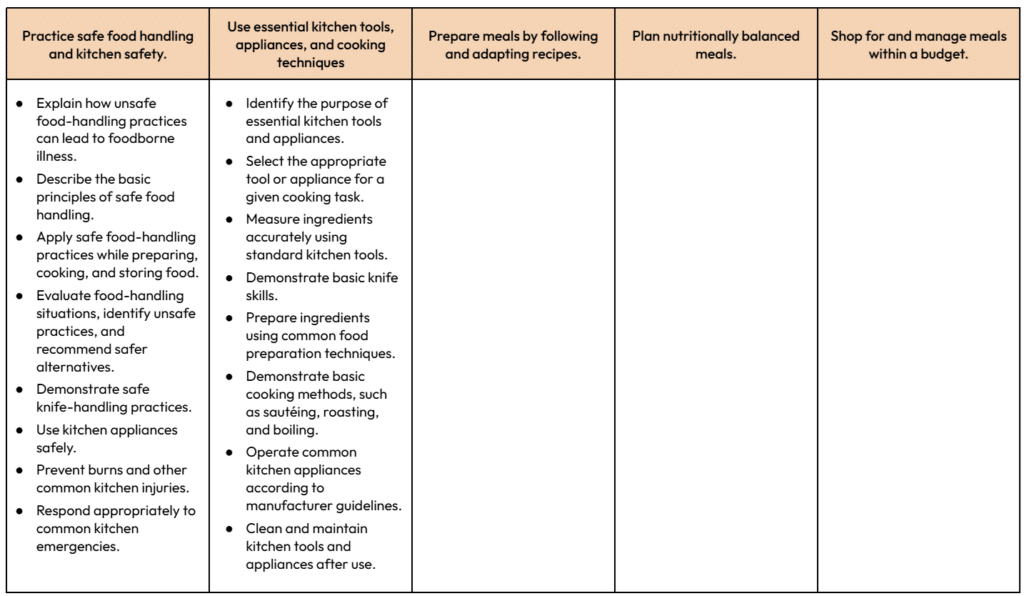
The curriculum acts as the organizational bridge, grouping these disparate standards into logical sequences. A "unit" serves as the primary vessel for this delivery, typically spanning several days or weeks. By clustering related skills—such as food safety protocols in a vocational course or literary analysis in an English department—teachers can provide a context that makes individual lessons more meaningful. This thematic organization allows for a more fluid transition between daily objectives and the broader requirements of the course syllabus.
The Three-Step Design Protocol
The modern pedagogical standard for unit creation follows a three-phased cycle designed to prioritize outcome-based success.
Phase 1: Defining Measurable Objectives
The initial step involves translating broad standards into actionable learning objectives. A key requirement of this phase is the use of observable verbs. Rather than focusing on abstract concepts like "understanding" or "knowing," effective objectives describe a specific student performance. For instance, in a technical unit, an objective might specify that a student must "identify," "demonstrate," or "calculate" a specific variable. This specificity is crucial for later assessment, as it defines exactly what constitutes success.
Phase 2: Developing Summative Assessment
Under the backward design model, the summative assessment is constructed immediately following the definition of objectives. This reversal of the traditional planning order is designed to prevent "instructional drift." By identifying the metrics for success before designing the daily activities, educators ensure that every lesson serves a purpose related to the final evaluation. This stage often involves creating a project, performance-based task, or analytical test that mirrors real-world applications of the skills taught.
Phase 3: Curating Instructional Activities
Only after the goals and assessments are solidified does the teacher design the daily lesson plans. This sequence ensures that every classroom activity acts as a building block. By identifying the gap between the students’ current knowledge and the requirements of the final assessment, teachers can differentiate instruction, providing additional support or enrichment where data shows it is most needed.
Data-Driven Implications and Classroom Impact
The implications of a systematic design process extend beyond simple organizational convenience. Research from the past decade suggests that when educators utilize a formalized planning framework, there is a measurable reduction in "coverage anxiety"—the stress associated with failing to address all state standards within a semester.
Furthermore, this approach allows for more agile responses to student progress. When a unit is structured around specific, measurable objectives, formative assessments—those conducted during the learning process—become more accurate indicators of whether the class is on track to succeed. If students struggle with a specific skill, the instructor can identify exactly which part of the sequence requires remediation without disrupting the entire unit’s structure.
Perspectives on Professional Development
Educational experts argue that the mastery of these planning tools is as vital for experienced teachers as it is for those in their first year. While veterans may rely on intuition or legacy materials, shifting to a documented, intentional planning process can help modernize instruction and align it with contemporary educational research.
Recent professional development initiatives, such as the Mastering the Lesson Plan program, reflect a growing industry consensus that teachers require practical, scalable tools rather than purely theoretical training. By standardizing the "how" of teaching, schools can create a more uniform student experience, ensuring that quality instruction is not dependent on the individual teacher’s ability to "wing it," but on a robust, institutionalized strategy.
Future Directions in Unit Planning
As the integration of digital tools and artificial intelligence becomes more prevalent in the classroom, the role of the unit planner is shifting once again. Advanced platforms are beginning to assist teachers in mapping standards to assessments, suggesting sequences based on historical student performance data. Despite these technological advancements, the fundamental principles of backward design remain the bedrock of effective pedagogy.
The transition from a topic-focused approach to a goal-oriented framework represents a maturation of the teaching profession. By focusing on the end result—what a student can actually do with the knowledge provided—educators move from being deliverers of information to architects of learning. This systematic approach ensures that instruction is not just a series of lessons, but a comprehensive experience that equips students with the durable skills necessary for academic and professional success.
In conclusion, the efficacy of an instructional unit is measured by its clarity and its intentionality. Teachers who adopt a clear, three-step design process are better positioned to meet the demands of modern education, providing their students with a roadmap that is both rigorous and achievable. As schools continue to prioritize academic accountability, the ability to plan with precision will remain the most critical tool in the teacher’s arsenal.