

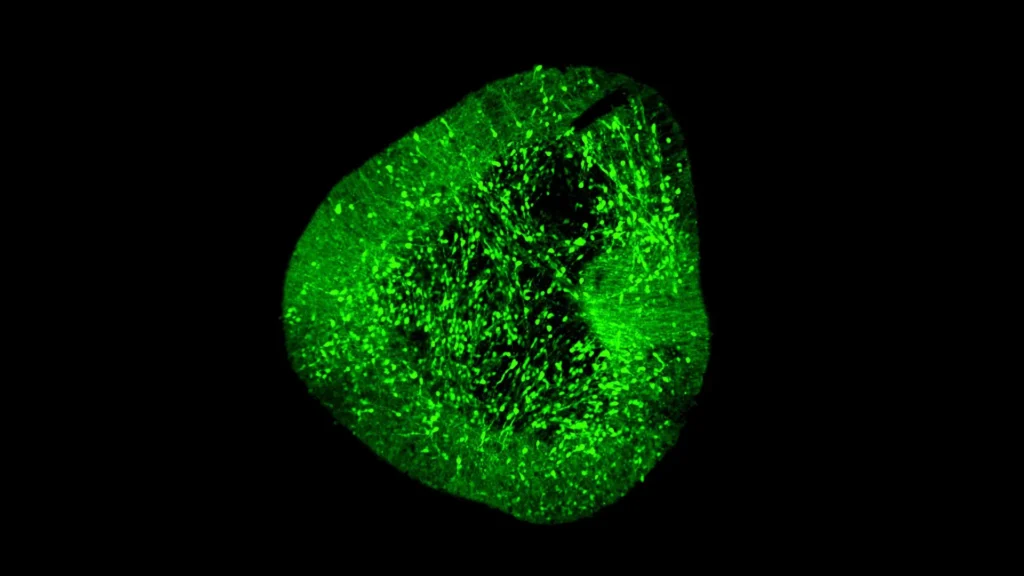


Memory problems, long considered an inevitable consequence of aging, may soon be understood not as an unavoidable decline but as a treatable condition. Groundbreaking research emerging from Virginia Tech has pinpointed specific molecular alterations within the brain as the root cause of age-related memory loss. More significantly, the studies demonstrate that precisely modulating these molecular processes can effectively restore memory function, offering a beacon of hope for an aging global population.
The findings, spearheaded by Timothy Jarome, an associate professor in the College of Agriculture and Life Sciences’ School of Animal Sciences and the School of Neuroscience, alongside his dedicated graduate students, utilized advanced gene-editing technologies to target these critical molecular pathways. Their work, conducted primarily on older rat models – a standard for understanding cognitive aging – successfully improved memory performance, fundamentally shifting the paradigm of how scientists view and approach age-related cognitive decline.
The Growing Challenge of Age-Related Memory Loss
The imperative for such research is underscored by stark demographic realities. Memory loss affects a substantial portion of the elderly population; current estimates suggest that more than a third of individuals over 70 experience some form of cognitive impairment, ranging from mild forgetfulness to more significant memory deficits. This decline is not merely an inconvenience; it represents a major risk factor for more severe neurodegenerative conditions like Alzheimer’s disease, which affects an estimated 6.7 million Americans aged 65 and older. Globally, the number of people living with dementia is projected to reach 139 million by 2050, a dramatic increase from 55 million in 2020, placing immense strain on healthcare systems and individual families. The economic burden is equally staggering, with global dementia care costs estimated at over $1.3 trillion annually.
Historically, age-related memory decline was often dismissed as a natural, unalterable part of growing old, with limited avenues for intervention beyond managing symptoms. This new research challenges that fatalistic view, providing concrete evidence that the brain’s molecular machinery can be fine-tuned to counteract the effects of aging. "This work shows that memory decline is linked to specific molecular changes that can be targeted and studied," Jarome explained. "If we can understand what’s driving it at the molecular level, we can start to understand what goes wrong in dementia and eventually use that knowledge to guide new approaches to treatment."
Unraveling Molecular Pathways: K63 Polyubiquitination and Memory Regulation
The first of the two complementary studies, published in the esteemed journal Neuroscience, delved into a complex molecular process known as K63 polyubiquitination. Led by Jarome and doctoral student Yeeun Bae, the research focused on this critical tagging system, which dictates the behavior and fate of proteins within brain cells. When functioning optimally, K63 polyubiquitination plays a pivotal role in neuronal communication and the intricate processes of memory formation and consolidation.
The researchers made a crucial discovery: the aging process significantly alters K63 polyubiquitination in two distinct yet vital brain regions. In the hippocampus, the brain’s primary hub for forming and retrieving declarative memories (facts and events), levels of K63 polyubiquitination were found to increase with age. This elevation appeared to correlate with impaired memory function. Employing a sophisticated gene-editing tool called CRISPR-dCas13, the team precisely lowered these elevated levels in older rats. The result was a marked improvement in their memory performance, suggesting a direct link between the overactivity of this pathway and cognitive decline in the hippocampus.
Conversely, in the amygdala, a region indispensable for processing emotions and forming emotional memories, K63 polyubiquitination exhibited a different age-related trajectory: its levels decreased with age. Intuitively, one might expect increasing these levels to restore function. However, the researchers found that further reducing this already diminished activity in the amygdala also led to improved memory performance. This counterintuitive finding highlights the nuanced and region-specific roles of molecular processes in the aging brain. "Together, these findings reveal the important functions of K63 polyubiquitination in the brain’s aging process," Jarome commented. "In both regions, adjusting this one molecular process helped improve memory." This underscores that "more" or "less" is not inherently good or bad; rather, optimal balance is key for healthy brain function.
Reactivating a Silent Gene: The Role of IGF2
The second pivotal study, detailed in the Brain Research Bulletin and spearheaded by Jarome and doctoral student Shannon Kincaid, shifted focus to a specific growth-factor gene known as IGF2 (Insulin-like Growth Factor 2). IGF2 is recognized for its vital role in supporting neuronal health and memory formation, particularly in the hippocampus. However, as the brain ages, the activity of the IGF2 gene progressively declines, effectively becoming chemically silenced.
Jarome elaborated on the unique nature of this gene: "IGF2 is one of a small number of genes in our DNA that’s imprinted, which means it’s expressed from only one parental copy." This makes its silencing particularly impactful, as there is no compensatory copy to pick up the slack. The team meticulously uncovered the mechanism behind this age-related silencing: DNA methylation. DNA methylation is a natural epigenetic process where chemical tags, specifically methyl groups, are added to DNA, effectively turning genes off without altering the underlying genetic sequence. In the case of IGF2, these tags accumulate with age, silencing the gene in the hippocampus.
To counteract this, the researchers again turned to gene-editing technology, this time employing the CRISPR-dCas9 system. Unlike traditional CRISPR which cuts DNA, CRISPR-dCas9 is a "dead" or deactivated version that can be guided to specific DNA sequences without causing breaks. Instead, it can deliver or remove chemical tags, offering a precise way to modulate gene expression. By using CRISPR-dCas9 to remove the methylation tags from the IGF2 gene, the team successfully reactivated its expression. The results were compelling: older rats in which IGF2 was "turned back on" showed significant and measurable improvements in their memory performance.
Crucially, the study also revealed the importance of timing. "We essentially turned the gene back on," Jarome stated. "When we did that, the older animals performed much better. Middle-aged animals that didn’t yet have memory problems weren’t affected, which tells us timing matters. You have to intervene when things start to go wrong." This finding has profound implications for future therapeutic strategies, suggesting that early detection and intervention at the first signs of molecular disruption could be key to preventing severe cognitive decline.
The Complexity of Brain Aging: A Multi-Systemic Challenge
These two complementary studies collectively paint a more intricate picture of age-related memory loss. They unequivocally demonstrate that cognitive decline during aging is not attributable to a single, monolithic cause. Instead, it arises from the interplay of multiple, distinct molecular systems that undergo complex changes over time. "We tend to look at one molecule at a time, but the reality is that many things are happening at once," Jarome emphasized. "If we want to understand why memory declines with age or why we develop Alzheimer’s disease, we have to look at the broader picture."
This multi-systemic understanding is a significant step forward, moving beyond simplistic explanations to embrace the full complexity of neural aging. It suggests that future treatments might need to be similarly multi-pronged, addressing several molecular targets simultaneously or sequentially to achieve comprehensive and lasting cognitive restoration.
Collaborative Research Driven by Graduate Excellence
Both pioneering projects were predominantly driven by the intellectual curiosity and rigorous efforts of graduate researchers within Jarome’s laboratory. This underscores Virginia Tech’s commitment to fostering independent scientific inquiry among its students. Yeeun Bae led the intricate K63 polyubiquitination study, while Shannon Kincaid spearheaded the equally complex IGF2 project.
The research also benefited significantly from vital collaborations with other leading institutions, including Rosalind Franklin University, Indiana University, and Penn State. This inter-institutional cooperation highlights the collaborative spirit essential for tackling complex scientific challenges. "These projects represent the kind of graduate-led, collaborative research that defines our work," Jarome affirmed. "Our students are deeply involved in designing experiments, analyzing data, and helping shape the scientific questions we pursue." The crucial funding for these studies was provided by prestigious organizations dedicated to advancing health and aging research: the National Institutes of Health (NIH) and the American Federation for Aging Research.
Implications and the Path Forward for Therapeutic Development
The implications of this research are far-reaching. By identifying specific, correctable molecular targets, Virginia Tech scientists have laid a robust foundation for the development of novel therapeutic strategies. The use of CRISPR technology, known for its precision in gene editing, suggests a future where treatments could be highly targeted, potentially minimizing off-target effects and maximizing efficacy.
However, translating these promising findings from rat models to human clinical applications presents significant challenges. These include ensuring the safety and long-term effects of gene-editing therapies in humans, developing efficient and safe delivery mechanisms to specific brain regions, and navigating the complex regulatory landscape. Yet, the conceptual breakthrough remains profound. It transforms the discussion around age-related memory loss from one of resignation to one of proactive intervention.
The scientific community is likely to greet these findings with significant optimism, recognizing them as a major stride in neuroscience and gerontology. Patient advocacy groups, alongside the millions of individuals and families affected by memory loss, will undoubtedly find renewed hope in the prospect of tangible treatments that can genuinely improve quality of life.
"Everyone has some memory decline as they get older," Jarome acknowledged, contextualizing the findings. "But when it becomes abnormal, the risk for Alzheimer’s disease rises. What we’re learning is that some of those changes happening at a molecular level can be corrected – and that gives us a path forward to potential treatments." This research represents more than just an academic achievement; it is a critical step towards a future where living longer can genuinely mean living better, with our memories and cognitive faculties preserved.