


In an era marked by unprecedented challenges within the educational landscape, ranging from restrictive policy mandates to the pervasive anxieties of a post-pandemic world, Dr. Gholdy Muhammad offers a compelling and vital framework that champions joy not as a luxury, but as an indispensable survival strategy for both educators and students. Her work, particularly the integration of "joy" as a fifth pursuit in her Culturally and Historically Responsive Literacy (CHRL) framework, provides a profound response to the demoralization experienced by many in the teaching profession, advocating for a holistic approach to learning that fosters resilience and engagement.
The Evolution of a Humanizing Educational Framework
Dr. Muhammad, a distinguished scholar and advocate for equitable education, first introduced her groundbreaking CHRL framework in her 2020 book, Cultivating Genius: An Equity Framework for Culturally and Historically Responsive Literacy. This seminal work proposed that a truly "humanizing and complete" education must intentionally build learning experiences around four core pursuits: identity, skills, intellect, and criticality. The framework rapidly gained traction among educators seeking to create more inclusive and effective learning environments, emphasizing the importance of students understanding themselves, developing foundational proficiencies, expanding their knowledge base, and critically analyzing the world around them.
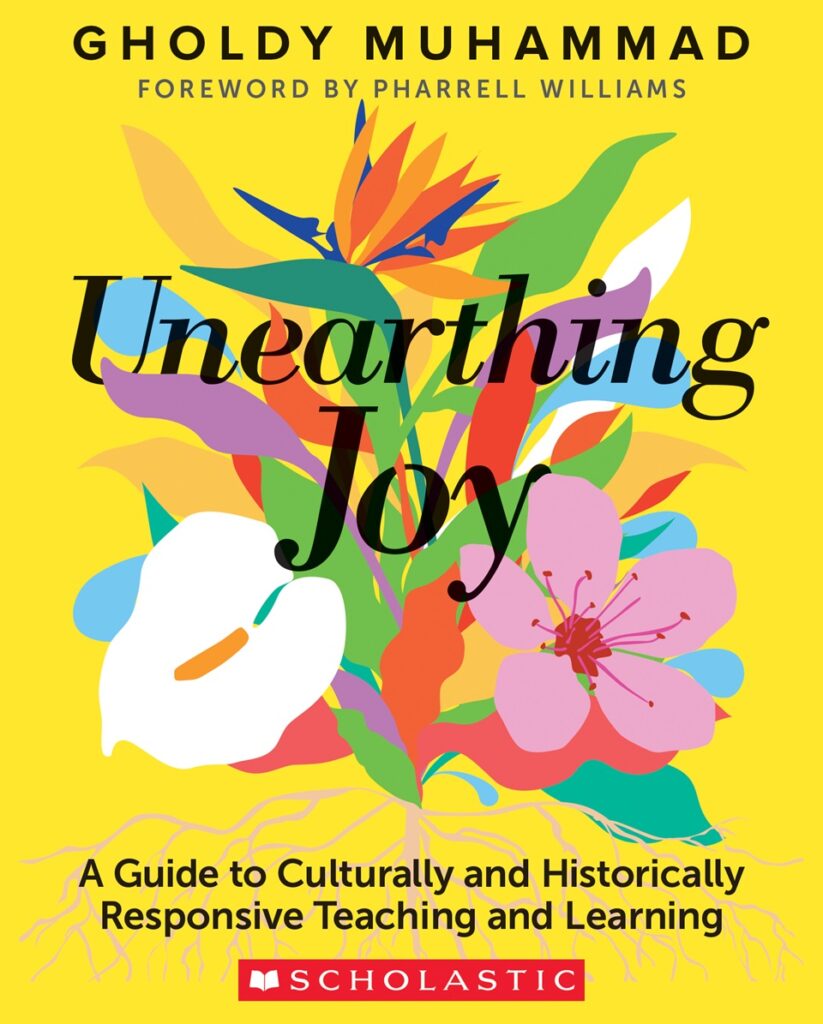
The genesis of the fifth pursuit, joy, emerged from a period of intense global upheaval. The COVID-19 pandemic, coupled with widespread racial uprisings and profound societal shifts, prompted Dr. Muhammad to reassess the implicit assumptions within her initial framework. While she had previously alluded to joy and love as inherent elements of a positive learning environment, the escalating challenges faced by communities and schools necessitated a more explicit and intentional focus. "Given the loss, the illness, the change, the shift, the confusion, and so much more in our country and the world," Dr. Muhammad reflected, "I thought to myself, wow, we need joy more than ever." This realization culminated in her 2023 book, Unearthing Joy: A Guide for Culturally and Historically Responsive Teaching and Learning, which formally introduced joy as the indispensable fifth pursuit.

Redefining Joy: A Foundational Pillar for Learning and Resistance
Dr. Muhammad’s definition of joy transcends superficial amusement, rooting it deeply in the historical wisdom of Black ancestors. For her, joy is not merely fleeting happiness or entertainment; it is an "embodied feeling" born from the achievement of justice, a profound sense of belonging, and the security of peace and safety. It encompasses wonder, imagination, laughter, creativity, art, and music. This expansive understanding positions joy as a fundamental human right and a powerful catalyst for profound learning.
The integration of joy into the CHRL framework underscores its criticality alongside traditional academic standards. Dr. Muhammad asserts that when educators "unearth joy," they introduce rich, memorable experiences into classrooms that foster a deep sense of connection, invigoration, and love for learning. Such experiences create a tangible "sensation throughout the body" that students remember, learn from, and are ultimately "elevated" by. The ultimate goal, she emphasizes, remains learning and intellectual ascension, which joy actively facilitates by enhancing engagement, motivation, and cognitive retention. Research in educational psychology consistently supports the link between positive emotional states and improved learning outcomes, demonstrating that emotions like joy can reduce cognitive load, increase creativity, and strengthen memory formation.
Practical Strategies for Infusing Joy into the Classroom
Dr. Muhammad outlines several actionable practices that educators can implement to cultivate joy in their daily teaching, transforming classrooms into vibrant spaces of learning and belonging:
-
Self-Reflection: The journey begins internally. Teachers are encouraged to critically examine their personal relationship with each of the five pursuits—identity, skills, intellect, criticality, and joy. This introspection allows educators to identify their own sources of joy, understand how these influence their teaching philosophy, and recognize potential areas where they might need to be more intentional in fostering joy for themselves and their students. Questions might include: "What brings me professional joy?" "How does my classroom environment reflect a commitment to student identity and critical thought?" and "Am I modeling joy in my daily interactions?"
-
See Yourself as an Artist: This paradigm shift invites teachers to view their curriculum not as a prescribed set of materials, but as a living canvas for storytelling and legacy building. By embracing an artistic mindset, educators can infuse creativity and personal expression into lesson design, fostering a sense of ownership and innovation. This perspective encourages teachers to consider how their work contributes to a timeless legacy, much like an artist crafting a masterpiece, thereby elevating the purpose and joy found in teaching. It empowers teachers to move beyond mere content delivery to designing transformative experiences.
-
Layering Texts: Recognizing that a single textbook rarely addresses all five pursuits comprehensively, Dr. Muhammad advocates for the strategic layering of diverse, multi-modal texts. This includes short stories, powerful videos, songs, memes, and even physical objects as "texts" that children can interpret and make sense of. For instance, a unit on architecture could incorporate actual tools used by architects, allowing students a tactile and immersive learning experience. This approach broadens access to knowledge, caters to varied learning styles, and injects novelty and wonder into the learning process.
-
Student Spark: The initial moments of any lesson are crucial for igniting interest and establishing purpose. Dr. Muhammad urges teachers to dedicate the first 5-10 minutes to creating a "student spark" – an activity or question designed to capture not just joyful interest, but also intellectual curiosity. This might involve a captivating story, a provocative image, a hands-on puzzle, or a real-world problem that immediately demonstrates the relevance and utility of the upcoming learning. For older students, explicitly addressing the "why am I learning this?" question early on can significantly boost engagement and intrinsic motivation.
-
Intentional Classroom Decor: Beyond mere aesthetics, classroom decor serves as a powerful pedagogical tool. Dr. Muhammad challenges teachers to move beyond simply "filling wall space" and instead design environments that intentionally reflect and reinforce the five pursuits. This includes displaying visuals that represent diverse identities, showcasing examples of intellectual achievement and critical thought, and incorporating elements that evoke joy—through color, art, and imagery of people who are still alive and contributing to various fields. An organized, clean, and thoughtfully curated space communicates care and respect, making it a more inviting and "joy-giving" place to learn.

-
Rich, Collaborative Learning Experiences: The shift away from repetitive worksheets and passive learning is central to cultivating joy. Dr. Muhammad champions "enriched, memorable learning experiences" that are inherently collaborative. These experiences allow students to actively engage with content, apply their "genius and joy" creatively, and learn from one another. Collaborative projects, problem-based learning, and inquiry-based activities not only deepen understanding but also foster social-emotional skills, a sense of community, and the shared joy of discovery.
Joy as an Act of Courage and Resistance
In a societal climate where educators often feel disempowered and overwhelmed by policies that restrict curriculum, erode equity, and chip away at the rights of students, families, and teachers, Dr. Muhammad positions joy as a profound act of courage and a powerful form of resistance. The current landscape, characterized by political polarization, censorship efforts like book banning, and ongoing threats to educational autonomy, creates a pervasive sense of helplessness. In this context, choosing joy is not an act of naiveté but a deliberate stance against demoralization.
Historically, marginalized communities have leveraged joy, culture, and communal celebration as essential tools for resilience and defiance in the face of oppression. This historical precedent informs Dr. Muhammad’s message: "It’s the joy that’s going to keep us going, keep us waking up, keep us fighting." Joy provides the emotional fuel necessary to maintain presence, practice self-care, and continue to give one’s best to students, even when fear and systemic pressures threaten to consume.
By intentionally cultivating joy, educators can combat burnout, foster a sense of purpose, and create microcosms of hope within their classrooms. Dr. Muhammad emphasizes the importance of historical memory, reminding educators that periods of educational and social strife are not new. "This is not anything new. Banning books, changing policy for a certain agenda that feels very inhumane or hurtful and harmful. This is not new, and our reactions, our responses must not be new either." She urges educators to draw strength from the resilience of ancestors and to continue acting with kindness, love, and humanity. In doing so, they not only preserve their own well-being but also inspire others, creating a ripple effect of positive change. When faced with resistance or apathy from colleagues or systems, she advises setting boundaries to protect one’s health, while steadfastly continuing the work of joy.
The Future: The Genius and Joy Curriculum
To further operationalize her framework, Dr. Muhammad is leading the development of the Genius & Joy curriculum, a K-5 program slated for release in Fall 2026. This ambitious project, crafted in collaboration with a group she affectionately calls the "Genius Garden," is designed to integrate the five pursuits seamlessly into elementary education.
Each grade level will feature six two-week units meticulously aligned with English Language Arts (ELA) standards, while also drawing explicit connections to other subject areas. The curriculum will incorporate multicultural anchor texts, student journals tailored to explore identity, skills, intellect, criticality, and joy, and comprehensive parent letters to foster home-school connections. Crucially, it will provide guidance for localizing each unit, ensuring relevance and resonance within diverse community contexts. The thematic units are designed to be expansive and inspiring, covering critical topics such as identity, community and cultural diversity, environmental design, creativity and art, activism, and building the future. This curriculum represents a concrete step towards embedding the philosophy of culturally and historically responsive, joy-filled education into the fabric of daily classroom practice.
In conclusion, Dr. Gholdy Muhammad’s articulation of joy as an essential educational pursuit offers a powerful antidote to the prevailing anxieties in contemporary education. Her work not only provides a robust theoretical framework but also offers practical strategies for cultivating learning environments that are not only academically rigorous but also emotionally nourishing, culturally responsive, and deeply humanizing. By embracing joy, educators are not merely enhancing student engagement; they are enacting a profound form of resistance, building resilient communities, and shaping a more hopeful future for all.