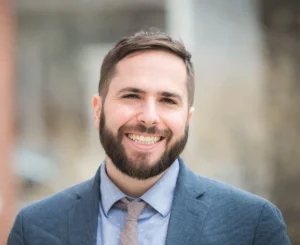


The halls of academia are facing a critical reckoning regarding Indigenous identity and the integrity of research conducted within institutions. A pointed question posed by Carleton University political science professor Gabriel Maracle to his students at the close of a semester has amplified a growing concern: "What would you think of your experience in this class if, two weeks after it ended, you found out that I was not Indigenous, but actually Italian-American?" This hypothetical scenario, delivered by an expert in Indigenous governance in Canada, was designed not to undermine trust, but to illuminate the complex landscape of Indigenous knowledge production and to confront the pervasive issue of "pretendians" – individuals who falsely claim Indigenous heritage. Dr. Maracle’s pedagogical approach underscores a pressing need for institutions to navigate the intersection of scientific integrity and the vital process of Indigenization.
The phenomenon of individuals falsely claiming Indigenous identity has unfortunately become increasingly visible in recent years, casting a long shadow over genuine Indigenous scholarship and community representation. One of the most prominent cases that sent ripples through academic and literary circles was the revelation in November that Thomas King, a celebrated author whose works deeply explore Indigenous themes and are widely taught in universities, is not of Cherokee descent as he had previously asserted. Dr. Maracle, a member of the Mohawks of the Bay of Quinte, acknowledges the profound pain and betrayal these discoveries inflict, describing it as a subject that remains "painful." This recurring pattern of fraudulent claims highlights a significant deficiency in the vetting processes employed by academic and research institutions.
The Growing Challenge of "Pretendianism"
The term "pretendian" has emerged to describe individuals who fabricate or exaggerate their Indigenous ancestry for personal gain, whether it be for academic advancement, research funding, or professional recognition. These claims can have far-reaching consequences, undermining the credibility of Indigenous voices and potentially diverting resources and opportunities away from those who genuinely belong to Indigenous communities. The academic landscape, in particular, has become a focal point for these concerns, as positions and grants are often designated to support and amplify Indigenous scholarship.
Dr. Maracle’s classroom exercise serves as a stark reminder of how the perceived identity of an educator can influence a student’s engagement with course material, especially when that material pertains to Indigenous knowledge systems. If the foundational premise of the instructor’s authority on Indigenous matters were revealed to be false, it would inevitably cast doubt on the entirety of the learning experience. This underscores the critical importance of authenticity and transparency in academic settings, particularly when discussing sensitive and culturally specific topics.
Developing Solutions: A Guide for Institutions
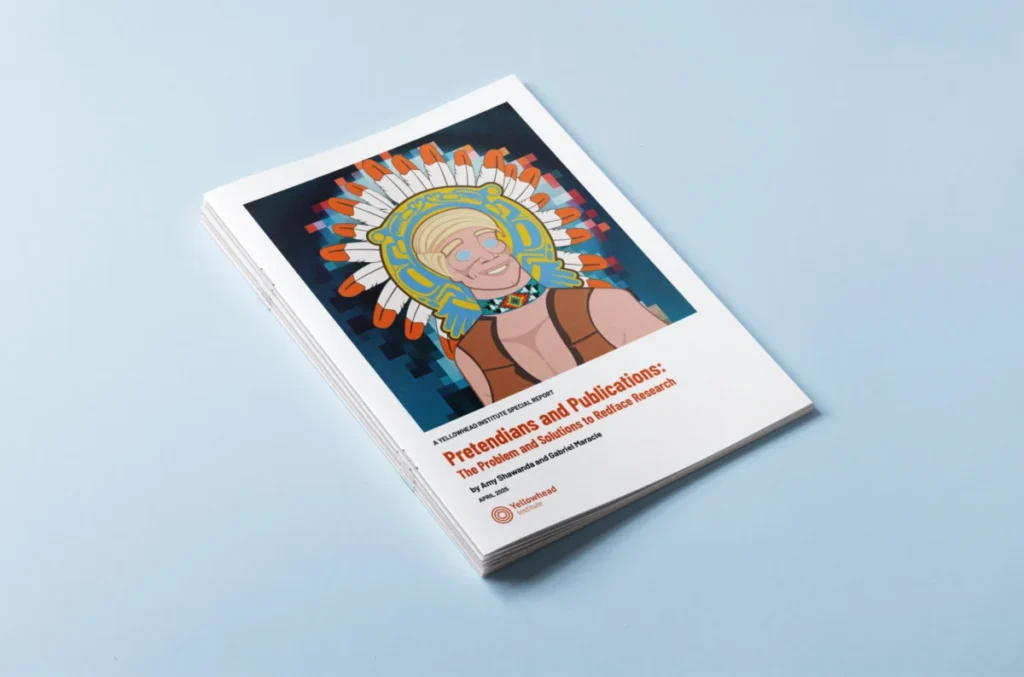
Recognizing the profound need for clearer protocols, Dr. Maracle, leveraging his expertise in Indigenous sovereignty, has collaborated with colleague Amy Shawanda from McGill University to develop a comprehensive reference guide. Titled "Pretendians and Publications: The Problem and Solutions to Redface Research," this 17-page document, published by the Yellowhead Institute, an Indigenous research and education lab at Toronto Metropolitan University, functions as both a report and a call to action. Its central aim is to equip institutions with the tools to better structure their Indigenization efforts and to mitigate the risks associated with fraudulent claims of Indigenous identity.
The authors are careful to state that their intention is not to instigate malicious investigations or to conduct "pretendian witch-hunts." Instead, the guide offers practical recommendations for institutions grappling with the complexities of verifying Indigenous identities. They emphasize that the process of verifying membership within First Nations, Inuit, and Métis communities is inherently intricate and requires cultural competency, due diligence, and a degree of flexibility. Crucially, the guide advocates for verification processes that do not unduly burden Indigenous faculty members, who are already underrepresented in academia, with the responsibility of unmasking imposters or working in an environment compromised by their presence.
The Complexities of Indigenous Identity Verification
Defining who is Indigenous is a deeply nuanced question, one that lies at the heart of the challenges faced by institutions. Indigenous identities are not monolithic; they are rooted in distinct histories, cultures, and governance structures of First Nations, Inuit, and Métis peoples. Verification processes, therefore, must be sensitive to these diverse realities. The guide acknowledges that for universities, requiring a deep understanding of the varied and complex ways Indigenous communities determine membership can be a significant undertaking.
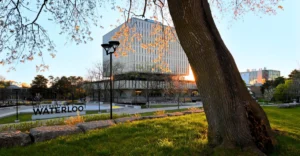
Dr. Maracle describes the guide as "avant-garde," recognizing its pioneering approach to addressing a sensitive and often overlooked issue. The report details the detrimental impacts of knowledge fraud, which can compromise the integrity of Indigenous data and Indigenous data sovereignty. It outlines nine key recommendations designed to help organizations screen out individuals who make fraudulent claims. These recommendations are intended to be applicable across various institutions, and several universities have already begun implementing measures. For instance, the University of Waterloo has established an Indigenous Verification Advisory Committee, signaling a proactive approach to addressing these concerns.
Rebalancing Recruitment and Addressing Systemic Issues
While many institutions are actively engaged in recruitment campaigns to attract Indigenous students, Dr. Maracle suggests that these efforts require updating and rebalancing to ensure genuine representation and support. Achieving meaningful structural change necessitates confronting the often "deeply uncomfortable" topic of Indigenous identity. This discomfort, Dr. Maracle notes, is shared by both Indigenous communities and the institutions seeking to engage with them.
The impact of "pretendians" extends beyond academic appointments. Dr. Maracle vividly recalls the profound shock and disillusionment that followed the revelation that Carrie Bourassa, a former professor of medicine at the University of Saskatchewan, had falsely claimed Indigenous identity. Bourassa had occupied positions specifically reserved for Indigenous individuals and had built a career advocating for Indigenous healthcare access. Her case exemplifies how such deception can exploit highly sensitive issues, particularly in areas where systemic racism has historically marginalized Indigenous peoples. "It turns out the few people we thought we could trust weren’t even Indigenous," Dr. Maracle stated, reflecting the deep sense of betrayal felt by many.
Statistical Insights and the Need for Rigor
Statistics Canada data from the 2021 census provides a quantitative perspective on Indigenous representation in higher education. According to the census, 51,100 Indigenous people had attended university, with 2,980 graduating with a PhD. There were 1,190 Indigenous university instructors reported. However, Statistics Canada confirmed in writing that these figures are based on self-identification without any evidentiary requirement. Drs. Maracle and Shawanda argue that this lack of rigor casts doubt on the accuracy of these numbers and underscores the urgency of establishing more robust verification processes. The ease with which individuals can self-identify without scrutiny can inadvertently facilitate fraudulent claims and distort the true picture of Indigenous participation and leadership in academia.
Reforming Admission Protocols and Empowering Knowledge Keepers
The proposed solutions by Drs. Maracle and Shawanda include a significant reform of admission protocols. They recommend that these protocols be reviewed and managed on an ongoing basis by a committee comprised of Indigenous knowledge keepers. "This kind of policy is very new," Dr. Maracle observes. "The question of identity is too complex to be delegated to universities." Such committee-led verification systems represent a transformative shift that could effectively prevent imposters from "profiting from Indigenous identity," whether through securing research grants, promotions, or other opportunities intended for Indigenous scholars.
The Shadow of Cultural Appropriation and Reconciliation
Cultural appropriation, including the appropriation of Indigenous identity, perpetuates a deep-seated suspicion among Indigenous peoples towards institutions. This suspicion, Dr. Maracle argues, impedes the progress of fragile truth and reconciliation efforts. Universities, he emphasizes, must confront their "long history of exploiting Indigenous people." By fostering collaboration between Indigenous and non-Indigenous individuals, and by pooling their practical and theoretical knowledge, it is possible to begin redressing past wrongs and developing administrative solutions that safeguard the integrity of the scientific community.
"Cleansing the Data": Addressing the Impact of Fraudulent Research
The repercussions of fraudulent claims extend directly to the scientific output produced by individuals who misrepresent their identity. Dr. Maracle asserts that all scientific research led by individuals like Carrie Bourassa, which was purportedly conducted by and for Indigenous people, is now "contaminated" by her "questionable knowledge base." The potential for biased methodologies to influence research conducted in partnership with communities and healthcare services is a serious concern. The extent of such damage remains unclear, leading Dr. Maracle to advocate that "everything should be scrutinized."
To prevent such occurrences in the future, Drs. Maracle and Shawanda advocate for the development of stronger research policies from their inception. These policies should prioritize the involvement of Indigenous people and Indigenous knowledge in scientific endeavors. Furthermore, they recommend robust peer-review processes for the work of scholars. While the federal tri-agencies have recently established a new policy to verify individuals who self-identify as Indigenous, it reportedly lacks measures to address the scientific output of scholars who have falsely made such claims. Dr. Maracle concludes, "policies should be drafted and research conducted with communities’ input, but communities should also have a role in contextualizing the data and guiding the research process." This emphasizes a holistic approach where Indigenous communities are not merely consulted but are active participants in shaping research agendas and validating their outcomes. The path forward requires a commitment to rigorous standards, cultural sensitivity, and genuine partnership to ensure that academic institutions serve as spaces of authentic knowledge creation and equitable representation for Indigenous peoples.