


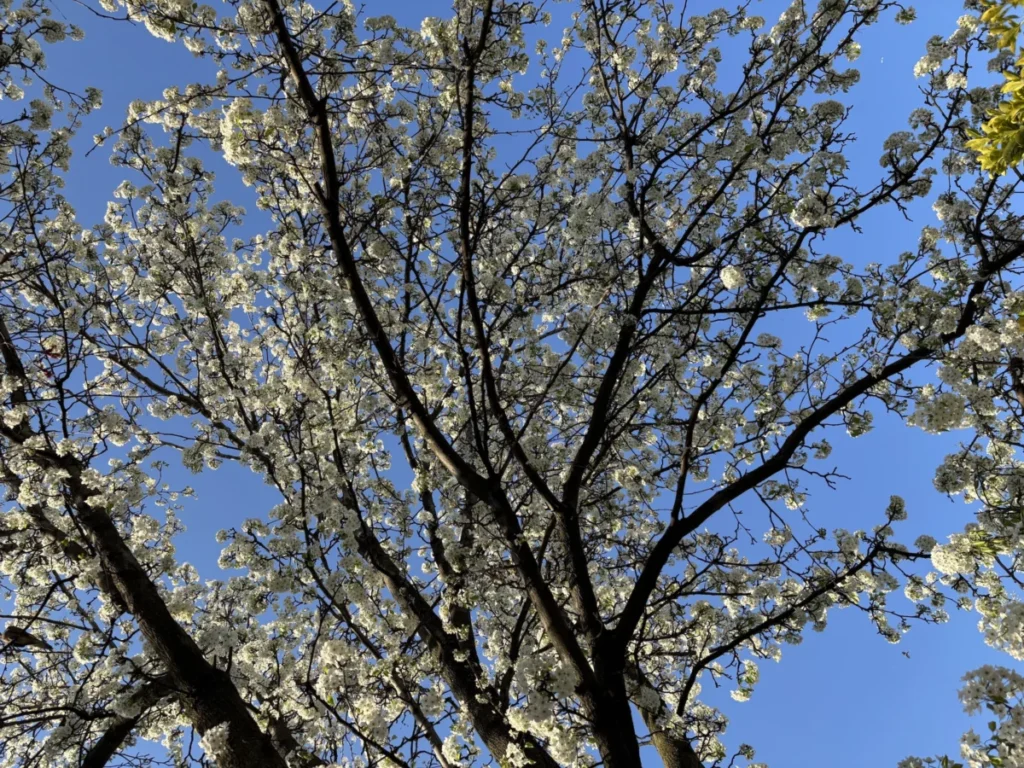
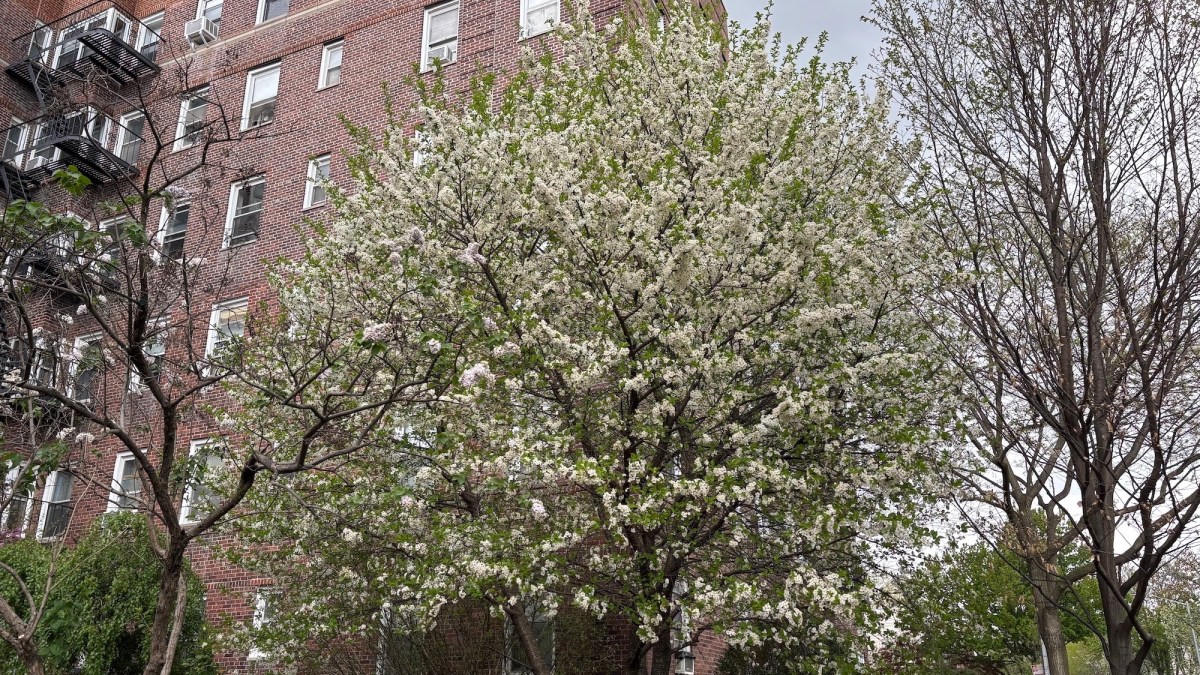
As spring temperatures rise across North America, a familiar and polarizing scent has once again begun to permeate suburban neighborhoods and urban corridors. The source is the Pyrus calleryana, specifically the "Bradford" cultivar, a tree that was once hailed as the pinnacle of mid-century urban planning but has since been reclassified as a significant ecological and structural liability. Known for its prolific white blossoms and symmetrical canopy, the Bradford pear is now more frequently identified by its pungent odor—variously described as resembling rotting fish, ammonia, or stagnant sweat—and its tendency to shatter during moderate storms. What began as a scientific solution to a decimated agricultural industry has evolved into an invasive species crisis that states are now spending millions of dollars to mitigate.
The Bradford pear’s ubiquity in the American landscape is the result of a decades-long effort by the United States Department of Agriculture (USDA) to find a hardy, disease-resistant ornamental tree. However, the very traits that made it attractive to 20th-century developers—its rapid growth, tolerance for poor soil, and resistance to pests—have enabled it to outcompete native vegetation, disrupting local ecosystems from the Atlantic coast to the Great Plains. Today, the tree serves as a cautionary tale for botanists and urban planners regarding the unforeseen consequences of introducing non-native species into a balanced environment.
The Chemistry of Malodor: Why the Bradford Pear Stinks
The most immediate grievance cited by the public regarding the Bradford pear is its distinctive and unpleasant scent. While many flowering trees evolve to attract bees and butterflies with sweet, nectar-heavy fragrances, the Bradford pear utilizes a different evolutionary strategy. Its primary pollinators are not bees, but flies and beetles, which are naturally drawn to the scents of decomposition.
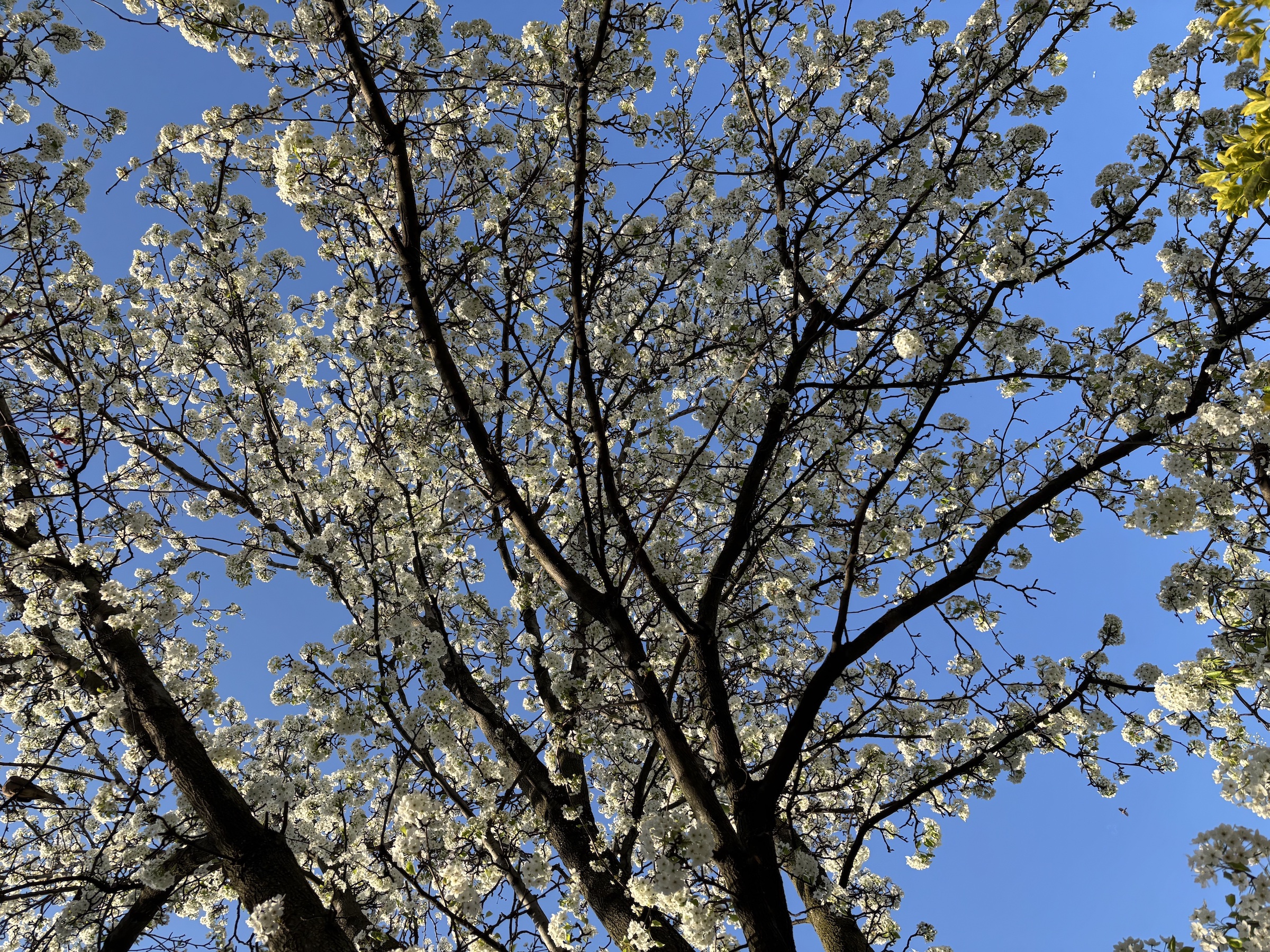
The chemical profile of the Bradford pear’s blossom is dominated by amines, a class of organic compounds derived from ammonia. Specifically, the tree releases trimethylamine and dimethylamine, molecules that are also produced during the breakdown of animal tissue. These nitrogen-based compounds are chemically similar to those found in decaying fish and certain bodily fluids. In the context of human biology, amines are prevalent in amino acids, but when they break down into smaller molecules like putrescine and cadaverine, they signal death and decay to the olfactory system.
Semen also contains high concentrations of amines, such as spermine and spermidine, which are alkaline in nature. This alkalinity serves a biological purpose in the reproductive process, counteracting the acidic environment of the vaginal canal. The Bradford pear’s reliance on these same alkaline compounds for its reproductive signaling creates an uncanny and often unwelcome olfactory association for residents in areas where the trees are densely planted.
A Chronology of a Botanical Error: From China to the Suburbs
The history of the Callery pear in America is rooted in a genuine agricultural crisis. In the early 1900s, the American pear industry was being decimated by fire blight, a contagious bacterium (Erwinia amylovora) that causes branches to blacken and die as if scorched. In search of a solution, the USDA dispatched plant explorer Frank Meyer to China between 1916 and 1918. Meyer collected seeds from the Pyrus calleryana, a wild pear species that showed remarkable resistance to fire blight.
The timeline of the tree’s integration into the American landscape follows a trajectory of initial success followed by ecological regret:
- 1910s–1940s: Seedlings are tested at the USDA’s Glenn Dale Experiment Station in Maryland. Researchers find the wild Callery pear is too thorny and produces small, hard fruit, but its disease resistance is confirmed.
- 1952: A specific thornless seedling is identified and named the "Bradford" pear in honor of F.C. Bradford, a former head of the Glenn Dale station.
- 1964: The New York Times publishes a glowing review of the Bradford pear, calling it the "ideal" ornamental tree. Its popularity explodes among developers and municipal planners because it grows quickly and maintains a neat, egg-shaped canopy without pruning.
- 1980s: The first signs of trouble emerge. Because the original Bradford pears were clones, they were self-incompatible and could not produce viable seeds. However, as nurseries introduced new cultivars like "Aristocrat" and "Cleveland Select" to provide genetic variety, these different cultivars began to cross-pollinate.
- 1990s–Present: The resulting hybrid offspring—often referred to as "Callery pears"—revert to their wild ancestors’ traits, including four-inch thorns and the ability to form dense, impenetrable thickets that choke out native oaks, maples, and wildflowers.
Structural Failures and Economic Costs
Beyond its smell and invasiveness, the Bradford pear is notorious for its poor structural integrity. The tree is characterized by a "V-crotch" branching pattern, where multiple large limbs grow closely together from a single point on the trunk. As the tree matures—typically reaching its peak size in 15 to 20 years—the weight of these branches becomes unsustainable.
Because the bark grows between these tight junctions (a condition known as "included bark"), the limbs never truly fuse to the trunk. During high winds, heavy rain, or ice storms, the tree frequently splits down the center, often causing property damage to nearby homes and vehicles. This structural instability has led many arborists to label the Bradford pear a "disposable tree," as it rarely survives beyond two decades without a catastrophic failure.
The economic impact of managing these trees is substantial. Municipalities must allocate significant portions of their public works budgets to clear fallen Bradford pears after storms. Furthermore, the cost of removing established invasive thickets from parks and nature preserves is labor-intensive and expensive, often requiring repeated applications of systemic herbicides to prevent the trees from resprouting from their hardy root systems.
Official Responses and Legislative Bans
Recognizing the ecological threat, several states have taken unprecedented steps to halt the spread of the Bradford pear. South Carolina became a pioneer in this effort, becoming the first state to ban the sale and distribution of the tree, a policy that went into full effect in 2024. Ohio followed suit with a similar ban in 2023, and Pennsylvania added the species to its noxious weed list, phasing out sales by 2024.

State forestry commissions have also launched "bounty" programs to incentivize homeowners to remove the trees. In states like North Carolina and Missouri, residents who provide proof of cutting down a Bradford pear on their property are eligible to receive a free native replacement tree, such as a flowering dogwood, redbud, or serviceberry.
"The Bradford pear was a mistake born of good intentions," noted one forestry official in a recent public briefing. "We now know that biodiversity is the key to a resilient urban canopy. Replacing these monocultures with native species is not just an aesthetic choice; it’s an environmental necessity."
The Exception: The "Survivor Tree" of Ground Zero
Despite the widespread disdain for the species, one specific Callery pear has achieved a status of profound cultural significance. Following the terrorist attacks on September 11, 2001, recovery workers at the World Trade Center site discovered a severely damaged Callery pear buried in the rubble. The tree was reduced to an eight-foot stump with burned bark and snapped limbs.
The New York City Department of Parks and Recreation moved the tree to the Arthur Ross Nursery in the Bronx for rehabilitation. Against the odds, the tree survived and thrived. In 2010, it was returned to the National September 11 Memorial & Museum, where it is known as the "Survivor Tree." Today, it stands as a living symbol of resilience and rebirth, its gnarled trunk a testament to the trauma it endured.

While botanists acknowledge the "Survivor Tree" as a powerful emblem of human perseverance, they maintain that its survival is a testament to the species’ extreme hardiness—the very trait that makes it so difficult to eradicate in the wild. The tree’s ability to withstand fire, crushing weight, and extreme urban pollution explains why its relatives have been able to colonize North American forests so aggressively.
Broader Implications for Urban Forestry
The saga of the Bradford pear has fundamentally changed the way urban foresters approach tree selection. The "Rule of 10-20-30"—which suggests an urban forest should contain no more than 10% of any one species, 20% of any one genus, and 30% of any one family—is now a standard guideline to prevent the kind of monoculture collapse seen with the Bradford pear and, previously, the American Elm.
The lessons learned from the Pyrus calleryana crisis include:
- The Danger of Clonal Monocultures: Over-reliance on a single cultivar creates a lack of genetic diversity that can lead to unexpected reproductive and structural issues.
- Invasive Potential Assessment: Modern screening processes for non-native species are now far more rigorous, focusing on a plant’s ability to escape cultivation and disrupt local food webs.
- Prioritizing Native Species: There is a growing movement to prioritize native trees that support local insect populations and birds, which the Bradford pear—with its cyanide-laced fruit and lack of edible foliage for caterpillars—fails to do.
As the pungent scent of the Bradford pear fades with the arrival of summer leaves, the work of removing this "botanical blunder" continues. While the tree remains a fixture of many older neighborhoods, its era as the darling of American landscaping has officially ended, replaced by a more nuanced and ecologically conscious approach to the greening of our cities.