



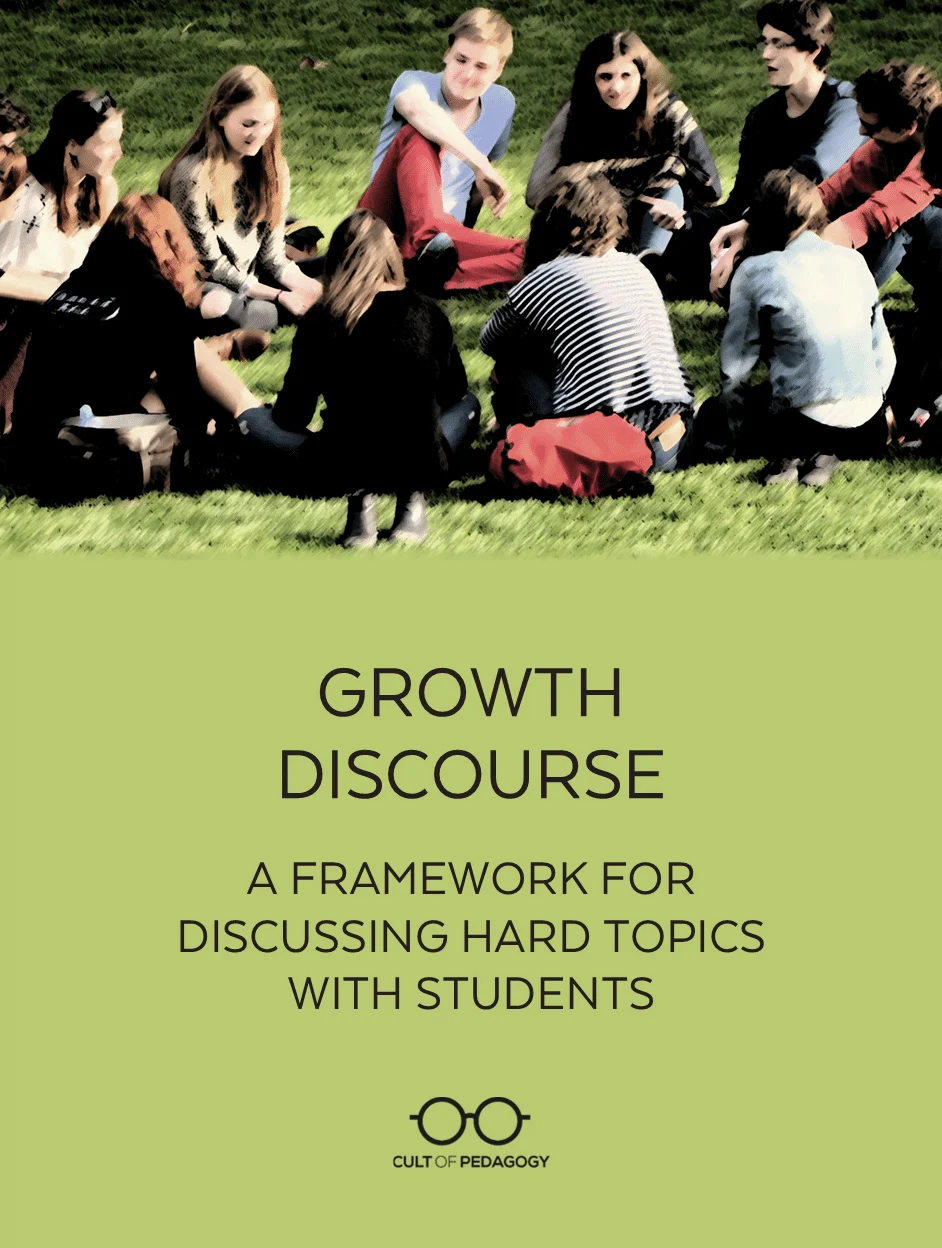
In an era increasingly characterized by stark ideological divides and the rapid proliferation of information, the ability to engage in constructive dialogue across differences of opinion has become a critical, yet increasingly elusive, skill. The contemporary landscape, often amplified by digital echo chambers, frequently transforms disagreements into emotional minefields, leading to fractured relationships and societal polarization. This pressing issue has prompted educators and leaders to seek innovative solutions to foster meaningful engagement, particularly among younger generations poised to inherit these complex challenges.
The Urgent Need for Productive Discourse
The problem of unproductive discourse is not merely anecdotal; it is a pervasive societal challenge with far-reaching consequences. Recent studies, such as those conducted by organizations like the Pew Research Center, consistently highlight rising political polarization and a growing discomfort among individuals in discussing contentious topics with those holding differing views. For instance, surveys have shown a significant percentage of adults avoiding political conversations to prevent conflict, and an increasing perception of others as "enemies" rather than simply opponents. This environment hinders collaborative problem-solving, weakens democratic processes, and ultimately erodes social cohesion. The impact extends beyond politics, affecting discussions on science, ethics, culture, and even local community issues. When individuals retreat into ideological silos, the capacity for empathy, critical evaluation of diverse perspectives, and collective progress diminishes, leading to policy paralysis and entrenched societal fragmentation. The urgency for pedagogical frameworks that actively equip individuals to navigate these complexities productively has never been greater.
The Genesis of Growth Discourse at SEGL
Against this backdrop, the School for Ethics and Global Leadership (SEGL) emerged as a pioneering institution dedicated to addressing these very challenges. Founded in 2009 by Noah Bopp, SEGL is a unique semester-long residential program in Washington, D.C., designed for high school juniors from across the United States. Its core curriculum is meticulously crafted to emphasize ethical thinking skills, leadership development, and international affairs. From its inception, SEGL’s mission has been to empower students to graduate not just with knowledge, but with the capacity and commitment to create positive change in the world.
Bopp, recognizing the escalating difficulty of fostering nuanced discussions on sensitive topics within diverse groups, identified a critical gap in traditional educational approaches. He observed that while many institutions championed "civil discourse," this often translated into a superficial politeness that shied away from genuine intellectual challenge or emotional vulnerability. It became clear that for students to truly develop as ethical leaders capable of tackling global issues, they needed a more robust framework—one that actively encouraged engagement with discomfort and facilitated profound personal and intellectual growth through dialogue. This realization became the catalyst for the development of "growth discourse," a foundational piece of SEGL’s programming designed to equip students to have productive conversations about subjects many would hesitate to broach in a group setting. The framework was iteratively developed and refined based on years of practical application within SEGL’s diverse student body, ensuring its principles were not just theoretical but deeply embedded in real-world classroom dynamics.
Beyond Civility: Defining Growth Discourse
A central tenet of SEGL’s approach is the deliberate distinction between "civil discourse" and "growth discourse." As Noah Bopp explains, the motivation lies squarely in its title. While civil discourse often aims for mere politeness or the avoidance of conflict, growth discourse sets a higher, more transformative aspiration. "A lot of people are talking about civil discourse these days. But some people are asking, Why do I need to be civil in a time like this?" Bopp posits. "We believe discourse that helps you grow is essential to our meaningful lives and is also central to a functioning civic ensemble."
This reframing shifts the mindset for both participants and facilitators. For students, the understanding is that they are engaging in a conversation that may not always feel "civil" in the traditional sense, but whose ultimate purpose is personal and intellectual development. The focus moves from simply "being nice" to actively seeking deeper understanding, challenging one’s own assumptions, and evolving one’s perspective. For teachers, the goal transcends maintaining order or superficial pleasantries; it becomes about orchestrating an environment where genuine learning and transformation can occur through rigorous, respectful, and sometimes challenging, dialogue. This distinction acknowledges the heavy role emotions and vulnerability play in such conversations, while simultaneously prioritizing the courage and honesty required to move them forward constructively.
Navigating Nuance: Addressing "Bothsidesism"
A common pitfall in facilitating discussions on controversial topics is "bothsidesism," the practice of presenting opposing viewpoints as equally valid, even when one side lacks substantial evidence or ethical grounding. SEGL’s growth discourse model directly confronts this challenge, emphasizing that while the school is nonpartisan, it is emphatically not neutral on matters of fact or established ethical consensus.
Bopp clarifies this crucial distinction: "We don’t say, ‘The Holocaust, good or bad, you decide,’ right? We don’t say in our science classrooms, ‘Climate change, is that real or not real?’" In instances where there is overwhelming scientific consensus or universally recognized ethical truths, SEGL does not present them as open for debate. Instead, the framework is applied to topics where "reasonable, educated people are disagreeing." In these nuanced areas, the emphasis shifts to equipping students with critical thinking skills necessary to evaluate arguments rigorously. They are encouraged to seek out and understand the "best possible arguments on those different sides" and then determine their own informed stance.
The core principle here is teaching students how to think, rather than what to think. Bopp warns against the temptation to impose specific conclusions, stating, "If we err on the side of teaching students what to think—which is so easy to do—we shortcut the critical thinking process and we make that kid susceptible to the next demagogue who comes along. And there are a lot of demagogues in this world right now." This approach is vital for cultivating intellectual independence and resilience against misinformation, preparing students to critically engage with complex issues throughout their lives. Educators widely agree that developing robust critical thinking skills is paramount in an age where information, both accurate and misleading, is constantly vying for attention.
Pillars of the Growth Discourse Framework
The efficacy of growth discourse rests on several foundational principles, each designed to create an environment where challenging conversations can lead to meaningful learning and personal evolution.
Establishing a Foundation of Belonging
Before any truly challenging conversation can take place, every participant must feel a fundamental sense of belonging and psychological safety within the group. SEGL actively cultivates this through explicit statements of inclusion, embedding it directly into their discourse guidelines, and initiating activities that encourage students to share their personal identities, histories, and experiences. This deliberate effort to foster an inclusive community signals to students that their presence and perspectives are valued, irrespective of their background or viewpoints.
Crucially, SEGL also prioritizes a diverse composition within both its student body and faculty. Bopp emphasizes the practical necessity of this diversity: "If we have a really homogenous group of students, it’s very hard for us to address a difficult topic like Trump’s immigration policy, right? Because we’re going to get similar views and some students are going to feel excluded." A diverse group, encompassing varied backgrounds, values, and experiences, ensures a rich tapestry of perspectives, making it possible to explore complex topics authentically. When students feel seen, heard, and understood as individuals, they are less likely to be "on edge" when engaging in potentially confrontational discussions.
Balancing Intent and Impact
Discussions on sensitive issues often expose a tension between the speaker’s intentions and the actual impact of their words. It is common for individuals to unintentionally cause hurt or offense, leading to debates about which holds more weight: the speaker’s purpose or the listener’s experience. Growth discourse posits that both intent and impact are critically important and must be acknowledged.
Bopp articulates this balance: "If I use, Oh, I’m so sorry, that wasn’t my intent, as if it’s a get out of jail free card, I probably need to do some reflection on the impact I’m having on others." This highlights the responsibility of the speaker to consider the potential effects of their words, regardless of their internal motivations. Conversely, he cautions against assigning malicious motives solely based on perceived impact: "On the other end of the scale, for me to assign a motive to another human being solely based on what that person made me feel, I am at least being unreflective and incurious." This encourages listeners to practice empathy and curiosity, seeking to understand the speaker’s perspective rather than immediately condemning them. The framework encourages both self-reflection for the speaker and charitable interpretation for the listener, fostering a space for accountability and understanding.
Breaking Free from Echo Chambers
Human beings naturally gravitate towards those who share similar beliefs, creating comfort zones that can inadvertently become "echo chambers"—environments where one’s existing views are constantly reinforced, and dissenting opinions are rarely encountered. While a certain degree of shared identity and perspective can be beneficial for initial bonding, exclusive reliance on such groups limits intellectual and personal growth.

Growth discourse actively challenges this tendency. Bopp notes, "It makes sense that sometimes you need to go to people with whom you share some things, some ideas, some identity, but at SEGL, we go to those conversations not to disengage, but to figure out how do we re-engage." The framework encourages students to deliberately seek out diverse perspectives and to use their comfort zones as a launching pad for deeper, more challenging engagement with differing viewpoints. This principle is crucial in an age where social media algorithms often curate content that confirms existing biases, making intentional exposure to alternative perspectives more vital than ever for developing a well-rounded and critical understanding of the world.
The STAR Model for Critical Engagement
At the operational heart of growth discourse lies the STAR model, a critical thinking framework inspired by and adapted from Harvard’s Project Zero Thinking Routines. This model encourages students to cultivate a full and nuanced understanding of an issue before forming judgments or taking action, providing a structured pathway for ethical decision-making.
-
SEE: This initial phase is deemed the most crucial. "The most important part of the STAR model is to make sure you are seeing something as fully as you can before you decide what to think about it, before you make a judgment," Bopp explains. This involves asking fundamental questions: "What can I see? What can I understand before I judge?" It also prompts students to consider "what do the experts say?" and critically assess "what voices are missing from this conversation? How can we find those voices before we decide what we think?" For instance, when analyzing a complex international conflict, students would be encouraged to gather information from multiple journalistic sources, academic analyses, and direct accounts from those affected, rather than relying on a single narrative.
-
THINK: Once a comprehensive understanding has been established through the "SEE" phase, students move to forming their own informed opinion. "Ultimately, and particularly as a leader, you do have to decide, what do I think about this situation? Is it good? Is it bad? Is it right? Is it wrong?" This stage emphasizes the responsibility of individuals to synthesize the information gathered and arrive at a reasoned judgment, acknowledging that ethical dilemmas often lack simple answers. For example, after seeing all facets of a proposed policy, a student might think, "This policy aims to solve X problem, but its potential negative impact on Y community outweighs its benefits."
-
ACT: A major addition SEGL made to the original Project Zero curriculum is the "ACT" component, recognizing that ethical thinking must translate into real-world behavior, particularly for aspiring leaders. "Once you decide what you think—as leaders, we have to decide what to do, how to act," Bopp states. "We have to decide, do we vote for or do we vote against? Do we cheat on the test? Do we not cheat on the test? Do we lie to protect our friend or do we tell the truth? We have to act in the world." This stage pushes students beyond theoretical discussion to practical application of their ethical reasoning, understanding that inaction is itself a form of action. Following the policy example, the student might decide to write a letter to their representative, participate in a peaceful protest, or engage in public education efforts.
-
REFLECT: The final stage, "REFLECT," closes the loop of the learning process. "We want to reflect on what we just did. Did we like it? Did we not like it? What was the response that we got? What might we do next time?" This critical self-assessment allows students to evaluate the efficacy and ethical soundness of their actions and their consequences. The beauty of the STAR model lies in its cyclical nature: "The R in the STAR becomes part of the next S," Bopp highlights. The insights gained from reflection feed back into the "SEE" phase when confronting similar situations in the future, fostering continuous learning and refinement of ethical decision-making.
Implementing Growth Discourse in Educational Settings
For teachers inspired to adopt the growth discourse model in their own classrooms, Noah Bopp offers several practical recommendations, emphasizing a gradual, intentional approach.
Firstly, start small and build trust. Introducing complex frameworks immediately can be overwhelming. Begin with low-stakes discussions, perhaps on less contentious topics, allowing students to familiarize themselves with the principles and build a sense of safety within the group. Trust is the bedrock of productive discourse, and it is cultivated over time through consistent modeling and clear expectations.
Secondly, explicitly teach the principles. Do not assume students will intuitively grasp the nuances of belonging, intent vs. impact, or the STAR model. Dedicate instructional time to explaining each component, providing examples, and discussing why these principles are essential for growth-oriented conversations. Visual aids, like the provided guidelines, can be incredibly helpful.

Thirdly, model the desired behavior. Teachers must embody the principles of growth discourse themselves. This means demonstrating vulnerability, actively listening to differing viewpoints, acknowledging when an impact differs from intent, and engaging in the STAR model aloud. Teachers serve as the primary facilitators and examples for their students.
Fourthly, create structured opportunities for practice. Simply explaining the framework is insufficient; students need regular opportunities to apply it. This could involve debates, Socratic seminars, case studies, or even reflective journaling assignments that prompt students to analyze their own participation in discussions using the STAR model.
Finally, emphasize continuous learning and iteration. Growth discourse is not a one-time lesson but an ongoing process. Encourage students to view each discussion as an opportunity to refine their skills, and to offer constructive feedback to one another (and to the teacher) on how to improve the discourse environment.
Broader Implications and a Vision for the Future
The growth discourse framework, as pioneered at SEGL, holds significant implications beyond the confines of a specialized high school program. Its structured, intentional approach to navigating complex and divisive topics offers a replicable model for educational institutions at all levels, from middle schools to universities, and even professional development settings. By equipping individuals with the tools to engage critically, empathetically, and constructively, such frameworks can play a pivotal role in strengthening civic engagement, fostering ethical leadership, and building more resilient and understanding societies.
In a world increasingly grappling with misinformation and deep ideological chasms, the ability to discern truth, evaluate arguments, and engage respectfully with difference is not merely an academic exercise; it is a fundamental requirement for a functioning democracy and a peaceful global community. The investment in teaching "how to think," rather than "what to think," cultivates intellectual independence and a citizenry capable of navigating complex moral and political landscapes.
At the conclusion of a conversation about this intense division, Noah Bopp expresses a profound optimism, echoing the wisdom of ancient philosophy. Citing Plato’s Republic, he states, "Education is not about putting sight into blind eyes." He elaborates, "The effective educator assumes that the power to learn is already present in the soul of the learner." This perspective underpins his unwavering faith in the inherent goodness and capacity for growth within every human being. "I have enormous faith that if we can give students places to look—the current challenges that face our world—and questions to ask, which are the classic ethical questions that cross culture and time and age and and language, that the goodness that is already present in the learner will be uncovered." This belief, while perhaps deemed naive by some, serves as a powerful guiding principle for educators, reminding them of their vital role in nurturing the intellectual and ethical potential of their students.
In sum, SEGL’s growth discourse framework offers a compelling and practical pathway to address one of the most pressing educational and societal challenges of our time. By fostering environments of belonging, balancing intent and impact, encouraging engagement beyond echo chambers, and providing a clear model for critical thinking and action, it empowers students to transform divisive conversations into opportunities for profound personal and collective growth. This commitment to cultivating the inherent potential for good in every learner represents a beacon of hope for a more understanding and collaborative future.
For educational institutions and individual teachers seeking to implement or adapt this transformative framework, the SEGL faculty stands ready to offer support. Inquiries can be directed through their official website or by contacting Noah Bopp directly at [email protected].