

Microsoft has officially unveiled its Hour of AI initiative for the 2025 Computer Science Education Week, marking a significant pivot in global digital literacy efforts from traditional syntax-based coding to the integration of generative artificial intelligence. In collaboration with CSforALL and a coalition of educational leaders including Code.org, the technology giant aims to reach 25 million learners across all age groups, providing them with the foundational knowledge required to navigate a workforce increasingly defined by human-AI collaboration. This initiative arrives at a critical juncture as educational institutions worldwide grapple with the rapid acceleration of large language models and their implications for the future of work and learning.
The 2025 campaign is structured to address a growing disparity between current educational curricula and the evolving demands of the global economy. For decades, computer science education was rooted in the mastery of specific programming languages and the logic of deterministic systems. However, the emergence of generative AI has introduced a paradigm shift where natural language processing and prompt engineering have become as vital as Python or C++. Microsoft’s commitment to this transition is reflected in a diverse suite of learning modules designed to demystify AI through gamified experiences, ensuring that the technology is viewed not as a replacement for human ingenuity, but as a sophisticated tool for enhancement.

The Evolution of Computer Science Education: A New Chronology
The trajectory of Computer Science Education Week (CS Ed Week) has mirrored the broader evolution of the technology sector. Established in 2009 by the Association for Computing Machinery (ACM), the week was originally intended to elevate the profile of computer science as a primary discipline. By 2013, the launch of the "Hour of Code" by Code.org transformed the event into a global phenomenon, focusing on breaking down the barriers to entry for software development. Between 2014 and 2020, the focus expanded to include cloud computing and mobile app development, reflecting the "mobile-first, cloud-first" era.
The year 2023 served as a turning point, with the public release of advanced generative AI models forcing an immediate reassessment of digital literacy. In 2024, Microsoft and its partners began integrating basic AI concepts into existing frameworks. The 2025 "Hour of AI" represents the full maturation of this trend. It marks the first time that AI literacy is being positioned as a standalone pillar of computer science education, equal in importance to traditional computational thinking. This chronology highlights a move away from the "predictable future" of stable career paths toward an "unprecedented world" where adaptability and AI fluency are the primary currencies of success.
Strategic Activities for Diverse Learning Tiers
To achieve its goal of 25 million participants, Microsoft has released three primary interactive modules tailored to different developmental stages. These activities are designed to be accessible to educators with no prior technical background, removing the gatekeeping often associated with advanced technology instruction.
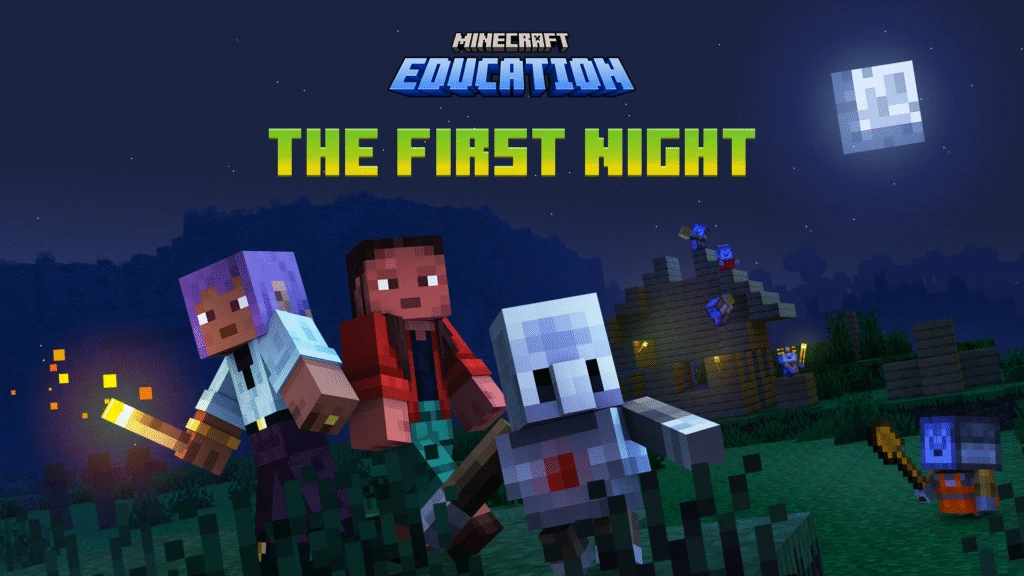
Minecraft Education: The First Night
The "Minecraft Hour of AI: The First Night" activity leverages one of the world’s most popular gaming platforms to introduce algorithmic thinking. In this scenario, students are tasked with surviving their initial night in a hostile virtual environment. Unlike traditional gameplay, students must collaborate with AI agents to gather resources and construct shelters before sunset. This module serves a dual purpose: it teaches the mechanics of AI-driven automation while demonstrating how human oversight is required to guide AI agents toward specific goals. The activity is available in 29 languages, reflecting the global scope of the 2025 initiative.
Microsoft MakeCode: Bug Arena
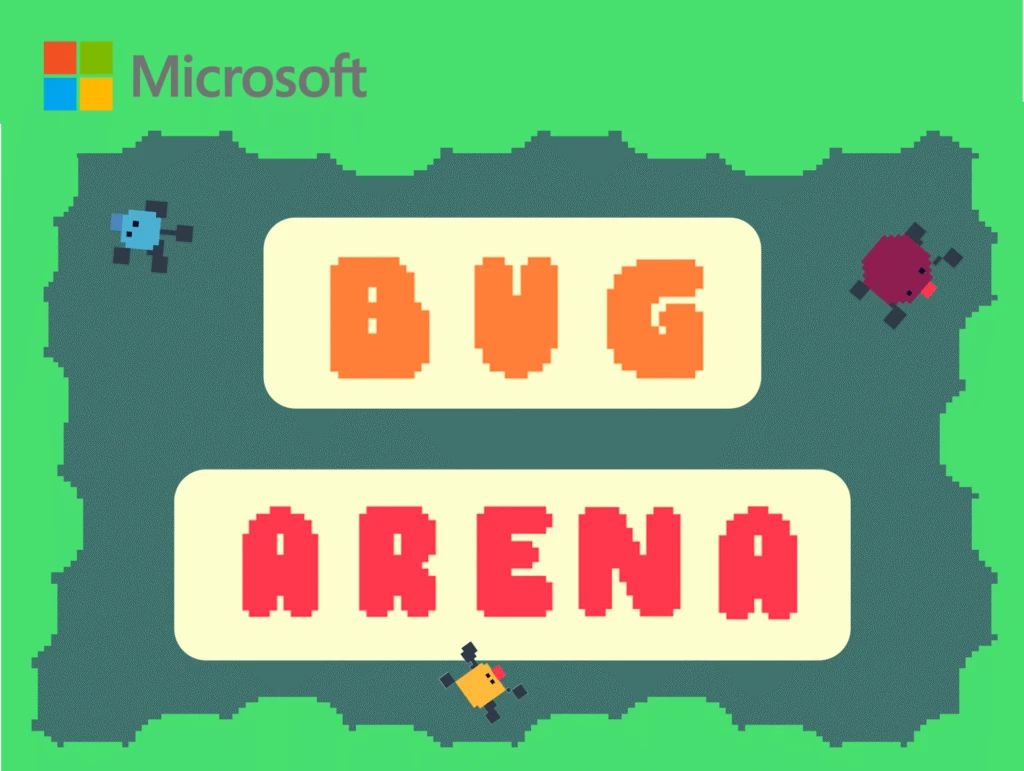
For learners in grades 3 through 8, the "Bug Arena" tutorial utilizes Microsoft MakeCode’s block-based and JavaScript editor to introduce competitive algorithm design. Students program the behavior of digital "bugs," which then compete in an arena against other AI-powered entities. This hands-on approach allows students to witness the real-time impact of their code, fostering an understanding of how iterative testing and data-driven adjustments improve AI performance. The focus here is on the logic of decision-making trees and basic machine learning concepts.
Visual Studio Code for Education: Slither Slam
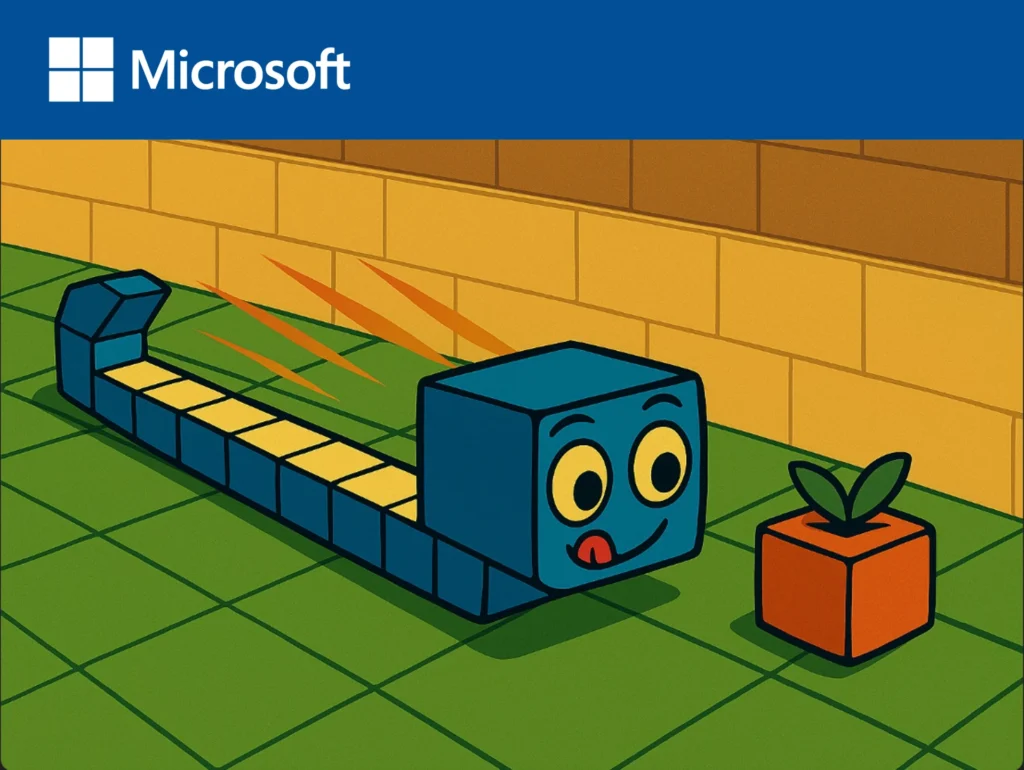
The most advanced tier, "Slither Slam," is designed for high school students (grades 9-12) and utilizes Visual Studio Code, a professional-grade development environment. This activity introduces the concept of AI-assisted code generation. Students use natural language prompts to generate Python code for a "Snake" game, learning the nuances of prompt engineering. By comparing their intended outcomes with the AI’s generated code, students gain a practical understanding of how to audit AI outputs—a skill that industry experts identify as critical for future software developers.
Data-Driven Rationale for AI Literacy
The push for AI literacy is supported by a growing body of economic data. According to the World Economic Forum’s 2023 Future of Jobs Report, over 75% of companies are looking to adopt AI technologies over the next five years, with an estimated 44% of workers’ skills needing to be updated to keep pace with technological change. Furthermore, LinkedIn’s 2024 Global Talent Trends report indicates a 17-fold increase in the number of job postings mentioning "AI" or "Generative AI" compared to the previous year.
Microsoft’s internal research suggests that while 71% of leaders say they wouldn’t hire someone without AI skills, only 25% of students currently feel they have access to adequate AI training. This "skills gap" poses a significant risk to global economic stability and social mobility. By targeting 25 million learners through the Hour of AI, Microsoft is attempting to democratize access to these high-value skills, ensuring that the "AI divide" does not mirror the "digital divide" of the early 2000s.
Official Responses and Collaborative Efforts
The Hour of AI is not a solitary effort but a coordinated response involving non-profits and educational policy advocates. CSforALL, a key partner in the coalition, has emphasized that AI literacy is now a fundamental right for students. A spokesperson for the organization noted that the goal of the initiative is to move beyond "using" AI to "understanding" and "creating" with it. This sentiment is echoed by Code.org, which has been instrumental in integrating these modules into the broader CS Ed Week curriculum.
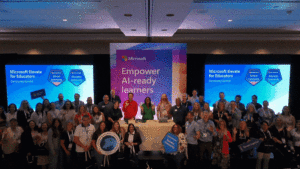
While Microsoft provides the technical infrastructure and curriculum, the success of the program relies heavily on local educators. To support this, Microsoft has launched the "Elevate" program, a year-round resource hub providing step-by-step facilitator training. These resources are designed to help teachers connect AI activities to established computer science standards, such as those set by the Computer Science Teachers Association (CSTA).
Broader Impact and Educational Implications
The implications of the Hour of AI extend far beyond a single week in December. Analysts suggest that this initiative signals a permanent shift in how K-12 education will be delivered globally. By embedding AI concepts into familiar tools like Minecraft and VS Code, Microsoft is normalizing the presence of AI in the classroom. This has several long-term implications for the educational sector:
- Curriculum Integration: Traditional computer science curricula will likely be restructured to include "AI Ethics" and "Algorithmic Bias" as core subjects, moving away from purely technical instruction to include social and philosophical considerations.
- Teacher Professional Development: There will be an increased demand for professional development programs that focus on AI. Educators will need to become "AI orchestrators," guiding students on how to use AI tools responsibly rather than simply teaching them how to code.
- Assessment Changes: As AI tools become capable of generating code and solving complex problems, traditional assessment methods—such as take-home coding assignments—will need to be replaced by in-class demonstrations of logic and oral defenses of project architecture.
- Economic Equity: By providing these resources for free in multiple languages, the initiative aims to level the playing field for students in developing economies, providing them with the same high-tier technical training available in Silicon Valley.
Conclusion: Shaping the Future of Learning
As CS Ed Week 2025 approaches, the Hour of AI stands as a testament to the transformative power of human innovation. The initiative recognizes that the future of work is not a zero-sum game between humans and machines, but a collaborative ecosystem where those who understand the underlying mechanics of AI will be best positioned to lead. Through its strategic partnerships and comprehensive curriculum, Microsoft is not merely teaching students how to use new software; it is equipping a new generation with the cognitive tools necessary to shape the future of the digital world. The transition from "learning about AI" to "shaping AI" represents the ultimate goal of the 2025 campaign, ensuring that the next generation of innovators is prepared for a world that is being rewritten in real-time.