
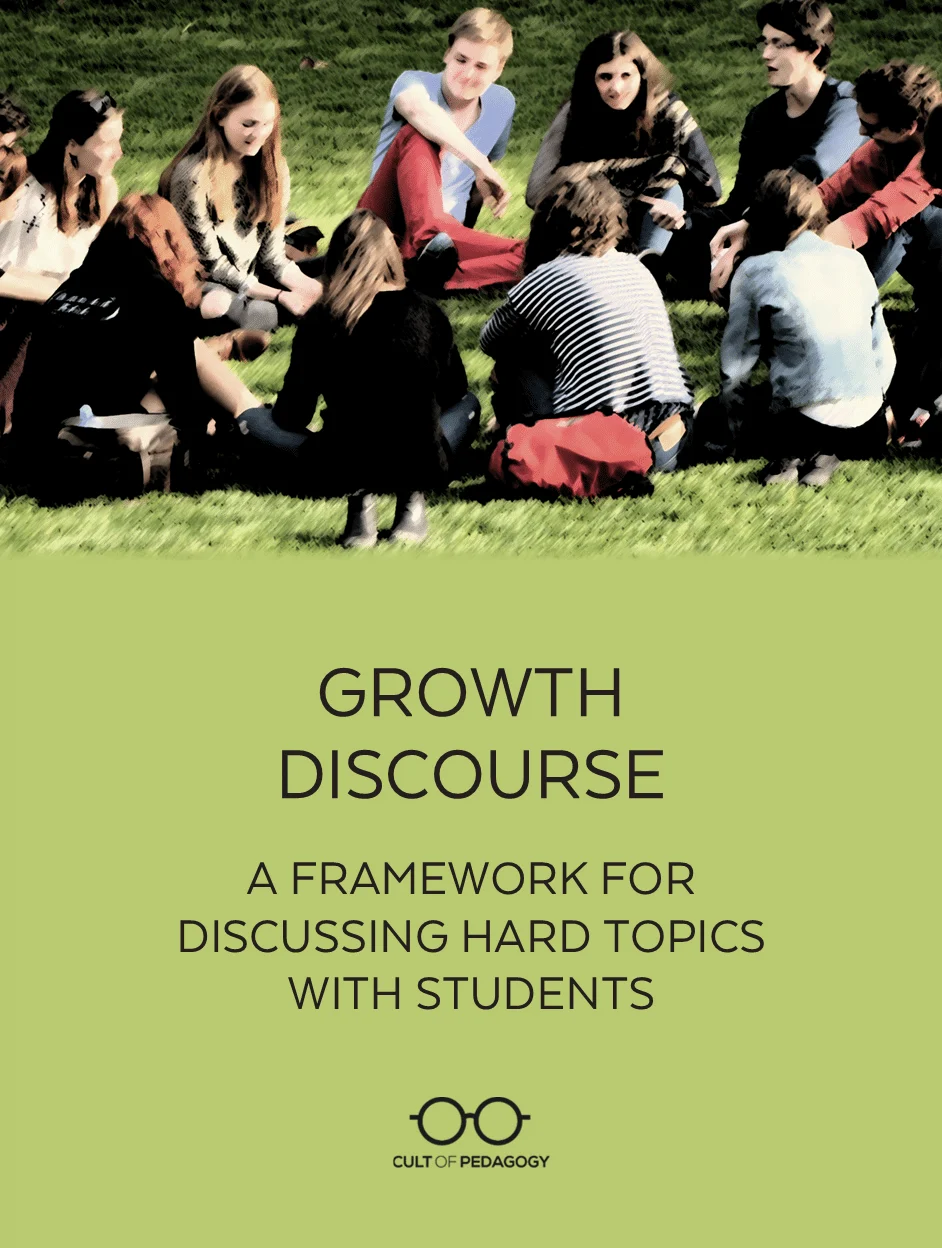
In an era increasingly characterized by deeply entrenched ideological divides and the rapid breakdown of constructive communication, educational innovators are actively seeking methodologies to equip future leaders with the skills necessary for navigating complex societal challenges. The School for Ethics and Global Leadership (SEGL), a distinguished semester-long residential program for high school juniors from across the United States, has emerged as a frontrunner in this critical endeavor through its pioneering "growth discourse" framework. This innovative approach moves beyond the conventional aims of mere civility, intentionally challenging students to engage with diverse perspectives in a manner that prioritizes intellectual and personal development, rather than simply avoiding conflict.
The Pressing Need for Elevated Discourse
The contemporary landscape of public discourse often resembles a minefield, where differences of opinion on substantive issues frequently escalate into emotional outbursts, personal attacks, and the severance of relationships. This phenomenon is not confined to political arenas; it permeates social interactions, educational environments, and even family dynamics. According to a 2022 Pew Research Center study, political polarization in the U.S. remains at near-record highs, with significant partisan divides on a wide array of issues and a growing difficulty among Americans to find common ground or even engage respectfully across ideological lines. This climate underscores an urgent societal need for frameworks that can transform potentially contentious discussions into opportunities for mutual understanding and personal growth.
It was against this backdrop that Noah Bopp, who founded SEGL in 2009, developed and refined the growth discourse model. SEGL’s curriculum is meticulously designed to emphasize ethical thinking skills, leadership development, and international affairs, all underpinned by a mission to cultivate students prepared to initiate positive global change. The growth discourse framework serves as a foundational pillar, enabling students to engage in robust conversations on topics that many adults would hesitate to broach in group settings. The framework acknowledges the profound role emotions and vulnerability play in such dialogues while simultaneously championing the courage and honesty required to advance these conversations productively. Its straightforward design makes it adaptable for broader application, offering a scalable solution for educators grappling with similar challenges in their own classrooms.
Beyond Civility: The Philosophy of Growth Discourse
Central to Bopp’s vision for growth discourse is a deliberate departure from the often-limiting concept of "civil discourse." While civility implies a baseline of politeness and mutual respect, growth discourse posits a more ambitious objective: personal and intellectual transformation. "The motivation for doing it is in the title," Bopp explained in a recent interview. "A lot of people are talking about civil discourse these days. But some people are asking, Why do I need to be civil in a time like this? We believe discourse that helps you grow is essential to our meaningful lives and is also central to a functioning civic ensemble."
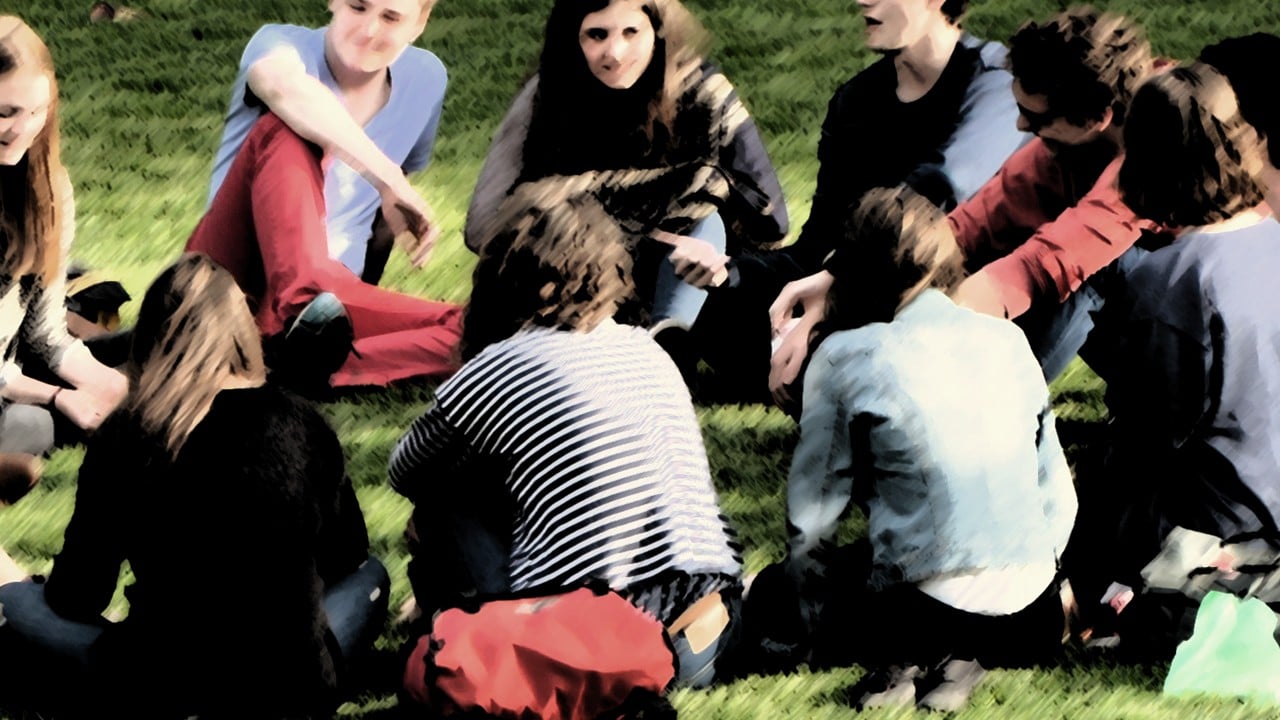
This shift in nomenclature—from "civil" to "growth"—is not merely semantic; it reorients the mindset of participants and facilitators alike. For students, the understanding is that they are entering a discourse that may not always feel "civil" in the traditional sense, but its ultimate purpose is to foster growth. For teachers, the objective transcends simply maintaining order or ensuring pleasant interactions; it becomes a deliberate effort to structure conversations that genuinely contribute to students’ intellectual and ethical development. This proactive stance contrasts sharply with passive approaches that merely seek to prevent conflict, instead embracing the potential for friction as a catalyst for deeper learning and self-reflection.
Navigating the Nuances of "Bothsidesism"
A critical challenge in fostering open dialogue is avoiding the pitfall of "bothsidesism," where opposing viewpoints are presented as equally valid, even when one side lacks empirical evidence or ethical grounding. SEGL’s mission explicitly states its commitment to "convene and mentor students who have different values, viewpoints, experiences, and identities," deliberately encouraging a diversity of opinion. However, Bopp clarifies that this commitment does not equate to neutrality on matters of established fact or moral consensus.
"SEGL is nonpartisan. SEGL is not neutral," Bopp asserted. He provided clear examples: "We don’t say, ‘The Holocaust, good or bad, you decide,’ right? We don’t say in our science classrooms, ‘Climate change, is that real or not real?’" Instead, when a topic involves genuine disagreement among reasonable, educated individuals, SEGL equips its students with sophisticated critical thinking skills to evaluate arguments rigorously. The approach involves presenting the best possible arguments from different sides, then challenging students to determine their own stance based on evidence and ethical reasoning.
This methodology is rooted in the belief that teaching how to think is paramount to teaching what to think. Bopp warns against the dangers of prescriptive instruction: "If we err on the side of teaching students what to think – which is so easy to do – we shortcut the critical thinking process and we make that kid susceptible to the next demagogue who comes along. And there are a lot of demagogues in this world right now." By prioritizing analytical rigor and independent judgment, SEGL aims to cultivate resilient thinkers who can discern truth and make informed decisions in a world saturated with misinformation and persuasive rhetoric. This aligns with broader educational trends emphasizing media literacy and critical evaluation skills as essential competencies for 21st-century citizenship.
Core Principles of Growth Discourse
The growth discourse framework is built upon several foundational principles designed to create an environment where challenging conversations can thrive.

-
Begin with Belonging: Before any productive, challenging dialogue can occur, every participant must genuinely feel a sense of belonging within the group. SEGL achieves this through direct affirmation, explicit inclusion in its discourse guidelines, and structured activities that encourage students to share their identities and personal histories. This commitment extends to ensuring a diverse representation of backgrounds and viewpoints among both the student body and the faculty. Bopp elaborated on this, stating, "If we have a really homogenous group of students, it’s very hard for us to address a difficult topic like Trump’s immigration policy, right? Because we’re going to get similar views and some students are going to feel excluded. But if I can set up an environment where I have students who represent many different backgrounds and many different points of view, and I show those students that they all belong here, then I can create an environment where those students are not on edge when we’re having these conversations." This principle directly addresses the psychological safety necessary for vulnerability and open expression.
-
Value Intent and Impact: Discussions on sensitive issues often lead to unintended harm, raising the complex question of whether intent or impact holds greater weight. The growth discourse model insists that both are critically important. Bopp explains the nuanced approach: "If I use, Oh, I’m so sorry, that wasn’t my intent, as if it’s a get out of jail free card, I probably need to do some reflection on the impact I’m having on others." This encourages self-awareness and accountability for the consequences of one’s words, regardless of initial intention. Conversely, he cautions against prematurely assigning negative motives: "On the other end of the scale, for me to assign a motive to another human being solely based on what that person made me feel, I am at least being unreflective and incurious." This dual emphasis promotes empathy, critical self-assessment, and a reluctance to jump to conclusions about others’ motivations.
-
Avoid Echo Chambers: The natural human inclination to seek out like-minded individuals, while offering comfort, can severely limit intellectual and personal growth. Growth discourse actively challenges this tendency. While acknowledging that seeking affinity groups can be necessary for processing and reaffirmation, SEGL encourages students to use these spaces not for disengagement, but as preparation for re-engagement with broader, more diverse perspectives. "It makes sense that sometimes you need to go to people with whom you share some things, some ideas, some identity," Bopp noted, "but at SEGL, we go to those conversations not to disengage, but to figure out how do we re-engage." This principle is particularly pertinent in the age of social media algorithms that often reinforce existing biases, making conscious efforts to transcend echo chambers more crucial than ever.
-
Follow the STAR Model: Inspired by Harvard’s Project Zero Thinking Routines, the STAR model provides a structured approach to critical thinking and decision-making, encouraging comprehensive understanding before judgment. This four-part framework is designed to guide students through complex ethical dilemmas.
- SEE: "The most important part of the STAR model is to make sure you are seeing something as fully as you can before you decide what to think about it, before you make a judgment," Bopp emphasized. This involves asking essential questions such as "What can I understand before I judge?" "What do the experts say?" and critically, "What voices are missing from this conversation? How can we find those voices before we decide what we think?" This phase underscores the importance of gathering comprehensive information and considering multiple perspectives.
- THINK: After thorough observation and information gathering, students are prompted to make a reasoned judgment. "Ultimately, and particularly as a leader, you do have to decide, what do I think about this situation? Is it good? Is it bad? Is it right? Is it wrong?" This stage emphasizes the development of independent ethical reasoning.
- ACT: A significant addition to the Project Zero curriculum, the "ACT" component recognizes that leaders must translate thought into action. "Once you decide what you think – and this is a major addition we made to the Project Zero curriculum – as leaders, we have to decide what to do, how to act," Bopp stated. This involves concrete decisions, whether it’s voting, making personal choices, or navigating moral dilemmas in daily life.
- REFLECT: The final stage involves a critical review of the action taken. "We want to reflect on what we just did. Did we like it? Did we not like it? What was the response that we got? What might we do next time?" The iterative nature of the model is highlighted by the observation that the "R" (Reflect) in STAR feeds directly into the "S" (See) of the next similar situation, creating a continuous loop of learning and refinement.
Implementing Growth Discourse in Educational Settings
For educators seeking to integrate the growth discourse model into their own classrooms, Bopp offers practical, actionable advice. While the specific recommendations were not detailed in the original excerpt, general pedagogical best practices aligned with this framework would include:
- Start Small: Begin with less contentious topics to build trust and familiarity with the framework before tackling highly sensitive issues.
- Model the Behavior: Teachers must actively demonstrate the principles of growth discourse, showing vulnerability, listening deeply, and reflecting on their own biases.
- Establish Clear Norms: Explicitly communicate the growth discourse guidelines to students, reinforcing them regularly.
- Facilitate, Don’t Dominate: The teacher’s role is to guide the conversation, ensure all voices are heard, and challenge students to think critically, rather than to impose a particular viewpoint.
- Provide Resources: Direct students to credible sources of information and teach them how to evaluate the veracity of claims.
- Regular Check-ins: Periodically assess the effectiveness of the discussions and adapt strategies based on student feedback and observed dynamics.
The implementation of such a framework necessitates a cultural shift within the classroom, moving from a teacher-centric model of knowledge transmission to a student-centric model of facilitated inquiry and collaborative learning. This aligns with modern educational philosophies that champion active learning, critical thinking, and social-emotional development.

Cultivating Optimism in a Divided World
Despite the pervasive challenges of division and toxic discourse, Bopp maintains a profound sense of optimism regarding humanity’s capacity to navigate these difficulties. He invoked Plato’s Republic, stating, "Education is not about putting sight into blind eyes." This philosophical underpinning suggests that the potential for understanding and goodness already resides within each individual.
"The effective educator assumes that the power to learn is already present in the soul of the learner," Bopp continued. "And that means the goal of the educator is to give the learner places to look and questions to ask." This perspective shifts the educator’s role from instilling knowledge to unlocking inherent capabilities. By exposing students to the world’s complex challenges ("places to look") and equipping them with universal ethical questions ("questions to ask"), Bopp believes that "the goodness that is already present in the learner will be uncovered." This fundamental belief in human goodness, while perhaps appearing idealistic, serves as a powerful motivating force for educators dedicated to fostering meaningful dialogue and positive change.
The growth discourse model, therefore, represents more than just a pedagogical tool; it is a philosophy for civic education. In an age where the fabric of societal cohesion appears increasingly strained, initiatives like SEGL’s offer a tangible blueprint for cultivating the next generation of leaders who are not only intellectually sharp but also ethically grounded, capable of bridging divides, and committed to constructive engagement. As educational institutions worldwide seek to prepare students for an uncertain future, the principles of growth discourse provide a compelling pathway toward fostering a more thoughtful, empathetic, and ultimately, more unified global community.
For educators and institutions interested in exploring the growth discourse framework further, the SEGL faculty actively invites collaboration and support. Information and contact details are available through their official website, or direct inquiries can be made to Noah Bopp. This open invitation underscores SEGL’s commitment to disseminating these vital communication skills beyond its own walls, recognizing the broader societal benefit of widespread adoption.