


The evocative power of a madeleine cookie, famously immortalized by Marcel Proust in his literary masterwork In Search of Lost Time, serves as a poignant testament to the profound connection between sensory experience and memory. For over a century, psychologists and neuroscientists have puzzled over how a single taste can unlock a cascade of vivid, dormant recollections. Now, a groundbreaking study led by the USC Dornsife College of Letters, Arts and Sciences suggests that the key to this phenomenon may lie far beneath the surface of the brain, buried within the complex, bidirectional signaling of the human digestive system.
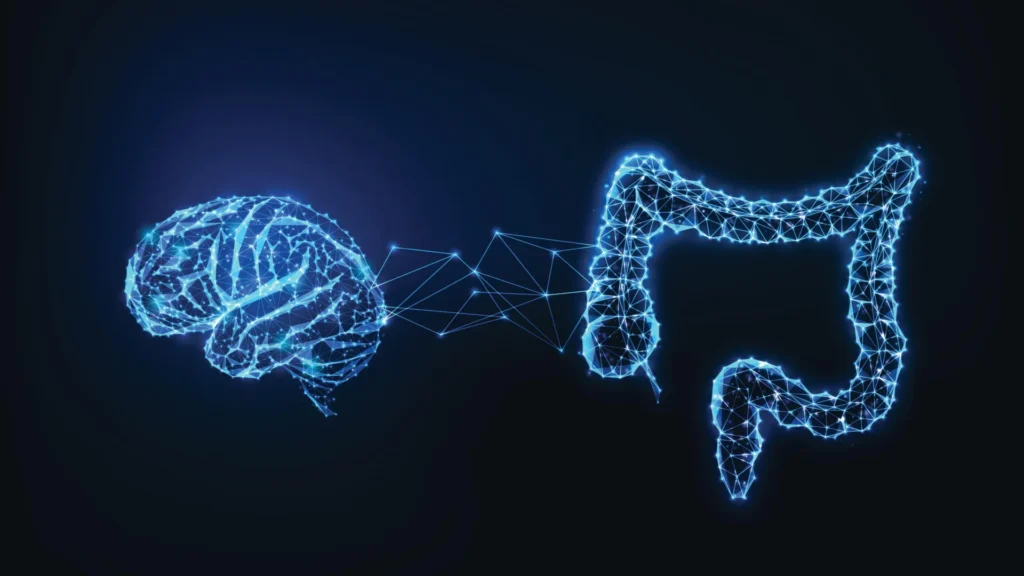
New research published in the journal Nature Communications provides robust evidence that the gut does more than process nutrients; it acts as a silent architect of our cognitive landscape. By analyzing the vagus nerve—the primary communication highway between the viscera and the brain—researchers have determined that the nutritional quality of what we consume directly influences the brain’s ability to encode and retain information. This discovery shifts the paradigm of cognitive science, suggesting that the "food-memory" loop is a survival mechanism honed by evolution, now compromised by the modern prevalence of ultra-processed diets.
The Mechanism of Connection: Mapping the Vagus Nerve
At the heart of the investigation is the vagus nerve, a critical component of the parasympathetic nervous system that traverses the body, connecting the brainstem to major organs, including the stomach and intestines. While the nerve’s role in regulating heart rate, digestion, and appetite has been well-documented, its influence on the hippocampus—the brain’s command center for learning and memory—has remained elusive.
Under the direction of Scott Kanoski, a professor of biological sciences at USC Dornsife, the research team conducted a series of experiments using animal models to trace the biological pathways activated during food consumption. The study revealed that when nutrient-dense foods reach the gut, they trigger a chemical cascade that culminates in the release of acetylcholine within the hippocampus. Acetylcholine is a potent neurotransmitter essential for synaptic plasticity, the process by which neurons form new connections to store information.
The chronological progression of these findings is striking. In controlled environments, researchers observed that the ingestion of fats and sugars triggered a rapid increase in hippocampal acetylcholine. However, when the vagus nerve was surgically or chemically disrupted, this chemical spike vanished, and the subjects demonstrated a marked impairment in their ability to perform spatial memory tasks, such as navigating a maze to locate a previously discovered food source.
Nutritional Value Versus Hedonic Reward
One of the study’s most significant contributions is the distinction between "flavor" and "nutritional density." Conventional wisdom often suggests that the pleasure derived from sweet or fatty foods is the primary driver of memory reinforcement. However, the data from Kanoski’s lab tells a more nuanced story.
When rats were given non-caloric, artificially sweetened liquids, their brains failed to exhibit the same memory-enhancing acetylcholine surge seen with nutrient-rich, caloric meals. This indicates that the brain possesses a sophisticated sensory mechanism capable of distinguishing between superficial flavor profiles and actual energy content.
Logan Lauer, a PhD student in the Kanoski lab and the study’s first author, posits that this system is an evolutionary adaptation. For an organism in the wild, the ability to prioritize the memory of a nutrient-dense food source over a calorically void one is a matter of survival. The gut, acting as a biological sensor, signals the brain to "tag" the location of high-value sustenance. This biological imperative ensures that an animal can efficiently return to reliable sources of energy, effectively bypassing the distractions of less beneficial food choices.
The Long-Term Cost of Poor Nutrition
The research takes a sobering turn when examining the effects of long-term dietary habits. The study found that while short-term consumption of sugar and fat can sharpen memory responses, chronic exposure to a high-fat, high-sugar diet early in life has a detrimental, long-lasting impact.
Subjects maintained on high-calorie, low-nutrient diets displayed a measurable decline in the efficiency of the gut-to-brain communication pathway. Even when these subjects were transitioned to a healthier, balanced diet later in life, the memory deficits persisted. This suggests that the structural and chemical infrastructure of the gut-brain axis may be susceptible to permanent degradation due to dietary patterns, a finding that carries profound implications for human health.
Implications for Public Health and Cognitive Decline
The correlation between metabolic health and cognitive function has been a growing area of interest in the medical community. Conditions such as obesity, Type 2 diabetes, and cardiovascular disease have long been associated with an increased risk of cognitive decline and dementia. Kanoski’s research offers a potential biological explanation for this epidemiological trend: the chronic disruption of the gut-brain axis.
If the gut-brain signaling pathway is essentially "blunted" by poor diet, the brain’s ability to maintain a healthy store of memories—and perhaps even its ability to regenerate neural connections—is fundamentally compromised. This is particularly relevant in the context of neurodegenerative diseases.
"The disruption of acetylcholine signaling in the hippocampus is one of the earliest neurochemical changes in Alzheimer’s disease," Professor Kanoski noted in a discussion of the study’s implications. By identifying that this system is specifically bolstered by signals traveling from the digestive tract via the vagus nerve, the research opens a new frontier for therapeutic intervention.
Future Horizons: Vagus Nerve Stimulation
The potential for future clinical applications is significant. Vagus nerve stimulation (VNS) is already an FDA-approved treatment for specific cases of epilepsy and treatment-resistant depression. The possibility that VNS could be adapted to treat cognitive impairment or memory-related disorders represents a paradigm shift in neurology.
If researchers can effectively "re-prime" the communication between the gut and the hippocampus, it may be possible to slow the progression of cognitive decline in aging populations. Furthermore, this research suggests that dietary interventions designed to restore gut health could be viewed not just as a means to manage weight, but as a critical strategy for preserving cognitive longevity.
However, the authors of the study maintain a stance of scientific caution. While the results in animal models are compelling and biologically consistent, clinical trials are necessary to determine if these pathways operate with the same complexity in humans. Human digestion and cognitive processing are subject to a wider array of variables, including gut microbiome diversity, hormonal fluctuations, and complex emotional factors that influence eating behavior.
Conclusion: A Unified Biological System
The collaborative nature of the study, involving a multi-disciplinary team from USC Dornsife, Bucknell University, and the Université de Montréal, underscores the complexity of the task at hand. Supported by funding from the National Institute of Diabetes and Digestive and Kidney Diseases and the Alzheimer’s Association, this project serves as a cornerstone for future investigation into the holistic human body.
As science continues to peel back the layers of the gut-brain axis, the old adage "you are what you eat" takes on a deeper, more literal meaning. Our memories, our ability to learn, and our cognitive vitality are not confined to the skull; they are deeply tethered to the health and function of our digestive systems. As we move forward, the integration of nutritional science and neuroscience will likely be the key to unlocking new treatments for the most challenging cognitive ailments of the 21st century. The story of the madeleine, it turns out, was not just about the taste of a cookie—it was a sensory cue that relied on a sophisticated, body-wide network to transform a simple afternoon snack into an indelible moment in time.