


After years of stagnant metrics, unprecedented learning disruptions, and an uphill battle to restore pre-pandemic academic baselines, researchers and education experts are identifying a cautious yet encouraging glimmer of hope in K-12 student progress. According to the latest findings from the NWEA MAP Growth National Dashboard, student academic trajectories—particularly within reading—indicate that K-12 schools may finally be turning a corner in their post-pandemic recovery efforts.
The data, released in September 2026, represents a welcome departure from the prolonged stagnation that has characterized much of the post-COVID-19 educational landscape. However, education leaders and analysts emphasize that while this development is a positive milestone, it is merely the opening chapter of a much longer, more complex recovery story. The persistent disparities tied to race, socioeconomic status, and geographic location continue to cast a long shadow over American classrooms, underscoring the reality that the journey to full academic restoration remains far from complete.
A Breakthrough Rooted in Caution: Understanding the NWEA Data
The newly published insights from the NWEA MAP Growth National Dashboard provide an analytical lens into how millions of students are performing across the country. Karyn Lewis, vice president of research and policy partnerships at NWEA, highlighted the significance of these findings while urging stakeholders to maintain a realistic perspective.
"While this is progress, we can’t lose sight of the full scale of unfinished learning that still needs to be addressed," Lewis noted in a statement. She stressed that the results must be approached with a sense of guarded optimism. Although reading scores have shown notable upward ticks in certain segments, reading proficiency levels for most grade cohorts still sit below pre-pandemic benchmarks. Furthermore, achievement gaps that disproportionately affect historically marginalized students and those attending high-poverty schools remain deeply entrenched.
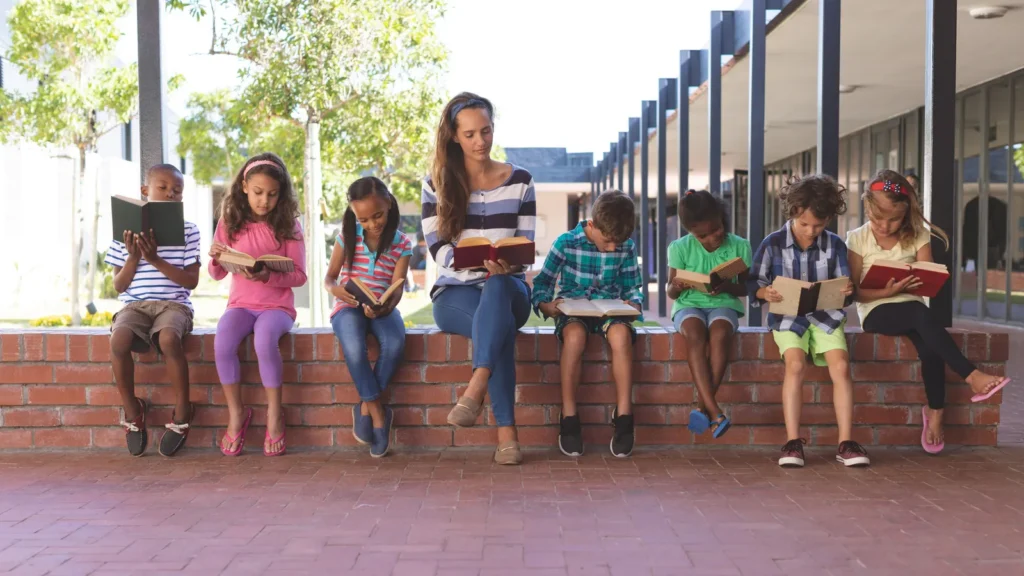
To sustain this nascent recovery momentum, NWEA recommends that district and school leaders conduct thorough diagnostic evaluations of their current practices. Administrators are encouraged to identify the specific policies, instructional models, and funding allocations that successfully generated reading gains in their districts so those strategies can be replicated and scaled.
At the same time, experts suggest maintaining effective early literacy reforms while heavily reinforcing support systems for older elementary and middle school students. Targeted interventions, continuous formative assessments, customized instruction, and robust professional development programs for educators are viewed as vital components of this ongoing strategy.
The Tale of Two Demographics: Early Recovery vs. High School Stagnation
While early learners are showing promising signs of bouncing back from pandemic-era setbacks, the academic reality for older students paints a sharply contrasting picture. Data collected over the past year across various national and international assessments reveals a widening chasm between the educational outcomes of elementary-aged children and those in secondary education.
This divergence has intensified anxieties among policymakers, educators, and researchers who are trying to balance remediation efforts across all grade bands. The high school environment presents unique challenges, where academic tracks are more specialized, credit requirements are stricter, and the compounding effects of years of interrupted learning are harder to reverse.
International and National Benchmarks Highlight Secondary School Struggles
The fragility of high school academic recovery was sharply underscored earlier in September 2026 by the release of the 2025 Programme for International Student Assessment (PISA) results. The international exam revealed that reading scores among 15-year-olds in the United States plummeted by a staggering 14 points compared to 2022 testing cycles. During a September 8 press briefing, U.S. Education Secretary Linda McMahon explained that this drop equates to roughly seven months of cumulative learning loss for American teenagers. Conversely, PISA mathematics scores for the same cohort remained statistically unchanged from 2022 levels, signaling that while math losses have plateaued, reading comprehension and literacy among adolescents are facing a severe crisis.

This international downward trend aligns closely with domestic data released by the U.S. Department of Education in September 2025. The National Assessment of Educational Progress (NAEP) 2024 results for 12th-grade students delivered sobering news, indicating that twelfth-grade test scores in both reading and mathematics dropped by an average of 3 points compared to the pre-pandemic baseline established in 2019. These consecutive data releases illustrate that while primary school interventions are beginning to bear fruit, secondary schools are grappling with deep-seated academic erosion that resists conventional remediation.
The Technology Factor: Screens, Artificial Intelligence, and Classroom Focus
As education researchers scramble to diagnose the root causes behind persistent reading declines among older students, increasing scrutiny is being directed toward the proliferation of digital technology in classrooms. Over the last several years, the rapid integration of laptops, tablets, and, more recently, artificial intelligence tools has fundamentally transformed the student learning experience.
While educational technology proponents argue that digital tools foster engagement and personalize learning, a growing body of educators and researchers are questioning whether excessive screen time and algorithmic distractions are undercutting foundational skills like deep reading and sustained concentration. The cognitive toll of continuous digital multi-tasking is increasingly suspected of contributing to declining literacy benchmarks among teens.
In response to these concerns, a cultural and administrative shift is underway across numerous school districts nationwide. Educators and policymakers are actively rolling back unchecked technology use, implementing stricter screen-time limits during instructional hours, and, in some cases, enacting temporary moratoriums on generative artificial intelligence in lower and middle grades. For instance, high-profile districts like New York City made waves by temporarily pausing AI integration for elementary and middle school students to re-evaluate its pedagogical utility versus its potential to disrupt fundamental skill acquisition.
Analyzing the Broader Implications for K-12 Education
The confluence of positive early literacy data and alarming secondary school declines presents education stakeholders with a complex administrative and financial puzzle. As federal pandemic relief funding—specifically the Elementary and Secondary School Emergency Relief (ESSER) funds—reaches its final expiration timelines, local school districts are being forced to absorb successful intervention programs into their standard operating budgets.

Fiscal sustainability remains one of the greatest threats to maintaining the positive momentum seen in early reading scores. Programs such as high-dosage tutoring, extended school days, and specialized summer learning academies require substantial financial investments. Without dedicated state and local funding streams, districts risk losing the very infrastructure that is beginning to close the primary school achievement gap.
Furthermore, the widening divide between younger and older students necessitates a recalibration of resource distribution. State education agencies may need to pivot a portion of their remedial focus toward high schools and middle schools, where academic damage appears more entrenched and harder to reverse. Professional development strategies must also evolve, equipping secondary educators—who traditionally focus on content delivery rather than foundational skill remediation—with the tools necessary to address severe reading deficits in older adolescents.
Ultimately, the latest research indicates that K-12 pandemic recovery is neither a linear process nor a uniform success story. While the NWEA findings offer a legitimate cause for optimism regarding early learners, the broader educational ecosystem continues to navigate profound systemic challenges. Addressing these disparities will require sustained bipartisan commitment, targeted financial investments, evidence-based instructional reforms, and a critical evaluation of how modern tools like screens and artificial intelligence impact the cognitive development of students.