




The modern smartphone has evolved far beyond a mere tool for communication, mobile banking, and digital entertainment; it has increasingly become a critical, pocket-sized lifeline during medical emergencies, natural disasters, and unexpected accidents. Modern mobile operating systems—specifically Android and iOS—now come equipped with sophisticated suite safety features designed to intervene when users are incapacitated, disoriented, or stranded in remote locations without cellular service. Despite the life-saving potential of these built-in utilities, industry studies and consumer reports indicate that a vast majority of users fail to configure these settings until an emergency occurs. Understanding and activating these tools on both Android and iOS devices can significantly alter the outcome of a crisis, making awareness of these functionalities imperative for users of all ages.
Evolution of Mobile Safety Infrastructure
The integration of safety architecture into consumer smartphones represents a paradigm shift in emergency response technology, moving away from passive communication devices toward active, sensor-driven intervention tools. Historically, mobile safety was largely limited to dialing local emergency numbers, such as 911, and rudimentary location services driven by cellular tower triangulation. However, the widespread adoption of micro-electro-mechanical systems (MEMS) sensors, high-precision GPS chips, and advanced machine learning algorithms has transformed mobile handsets into intelligent guardians.
The timeline of mobile safety innovation accelerated dramatically in the late 2010s and early 2020s. The introduction of automated crash detection by Apple with the iPhone 14 lineup in 2022, followed rapidly by equivalent implementations across Google Pixel and Samsung Galaxy ecosystems, marked a major turning point. Rather than relying solely on a conscious user input to summon help, modern handsets can now interpret sudden deceleration profiles, barometric pressure shifts, and acoustic signatures characteristic of severe vehicular collisions. Similarly, the deployment of direct-to-device satellite communication protocols—pioneered in mainstream consumer devices around 2022 and expanded aggressively through 2026—has effectively eliminated dead zones, allowing stranded hikers, motorists, and disaster victims to transmit distress signals from regions entirely devoid of traditional cell towers or Wi-Fi networks.

Critical Android Safety Protocols
For users operating within the Android ecosystem—exemplified by contemporary Google Pixel handsets and modern Samsung Galaxy devices—the centralization of these tools occurs primarily within the dedicated "Safety and Emergency" settings menu and the pre-installed Personal Safety application.
Medical Information and Emergency Access
In the event of a severe medical emergency where a user is rendered unconscious, first responders require immediate access to vital medical history, blood type, known allergies, and current medications. Android addresses this by allowing users to display essential medical data directly on the lock screen, accessible without requiring a passcode. To configure this, users must navigate to Settings, select Safety and Emergency, and input their data into the Medical Information and Emergency Contacts fields. Industry medical professionals strongly advocate for this configuration, noting that crucial minutes are frequently lost when emergency personnel are forced to search for physical medical alert bracelets or attempt to unlock password-protected devices.
Automated Car Crash Detection and Physical Triggers
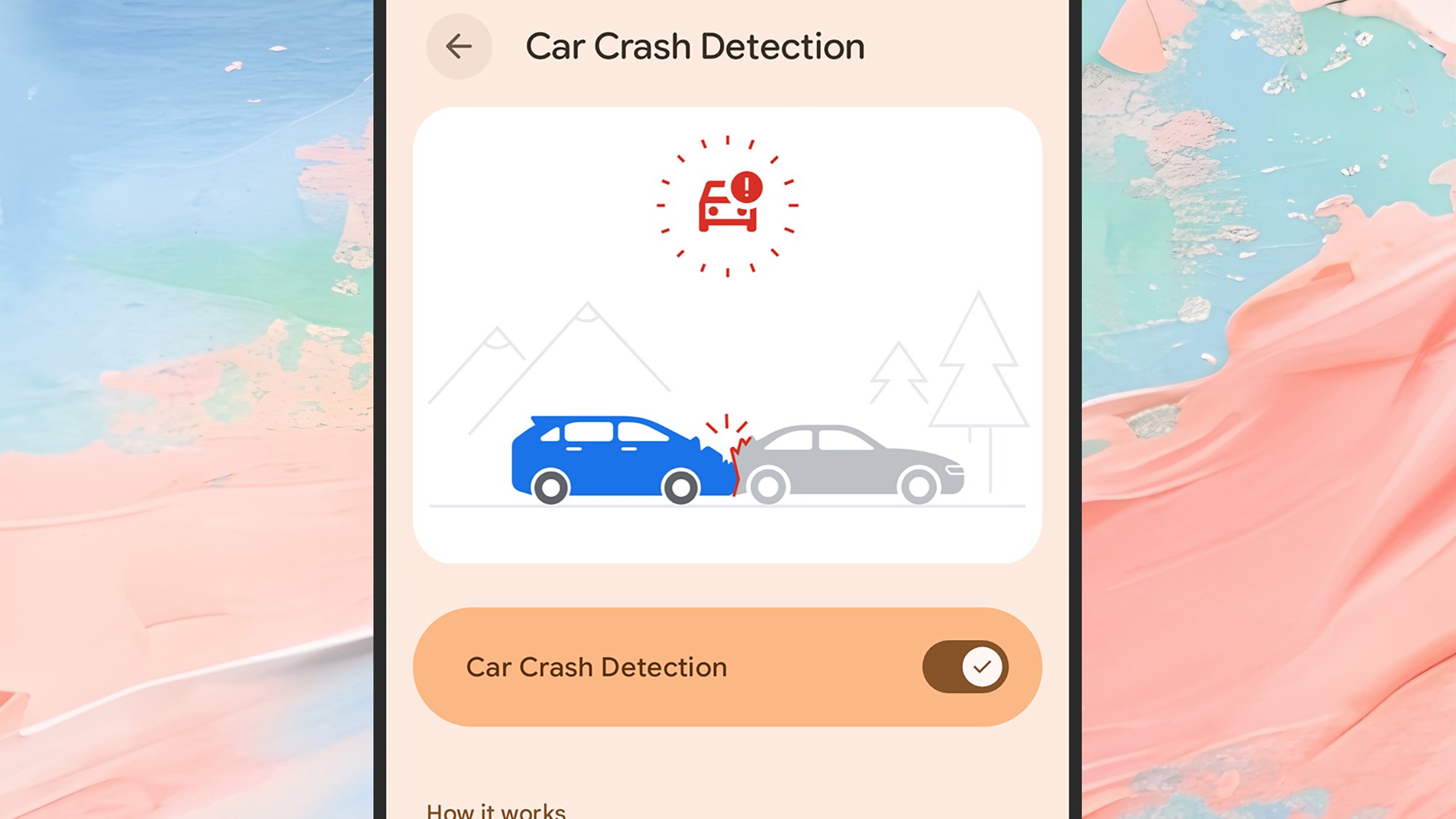
Utilizing an array of internal accelerometers and gyroscopes, Android’s Car Crash Detection feature constantly monitors driving dynamics. When the system detects physical forces indicative of a high-impact collision, it triggers an audible, flashing alarm. If the user fails to dismiss this alert within a designated countdown window, the device automatically dials emergency services and dispatches automated text messages containing coordinates to pre-selected emergency contacts.
In scenarios where a user faces personal threat or sudden medical distress without being involved in a vehicular accident, physical shortcut mechanisms provide a silent alternative. By rapidly pressing the physical power button five or more times, users can initiate an Emergency SOS protocol. Depending on customization, this action can initiate a countdown to call 911, share real-time location data, or even stream live video footage to designated emergency contacts.
Environmental Hazard and Early Warning Systems
Beyond individual accidents, Android leverages collective hardware deployment for broader public safety. Through the integration of Google’s global seismometer network—which utilizes accelerometers inside millions of active Android devices—the Earthquake Alerts system can provide critical seconds of advance warning before seismic waves reach a user’s location. Furthermore, localized Crisis Alerts and government-mandated Wireless Emergency Alerts ensure that individuals receive immediate notifications concerning flash floods, extreme weather events, and public safety threats based on precise GPS positioning.
Satellite Connectivity and Safety Check
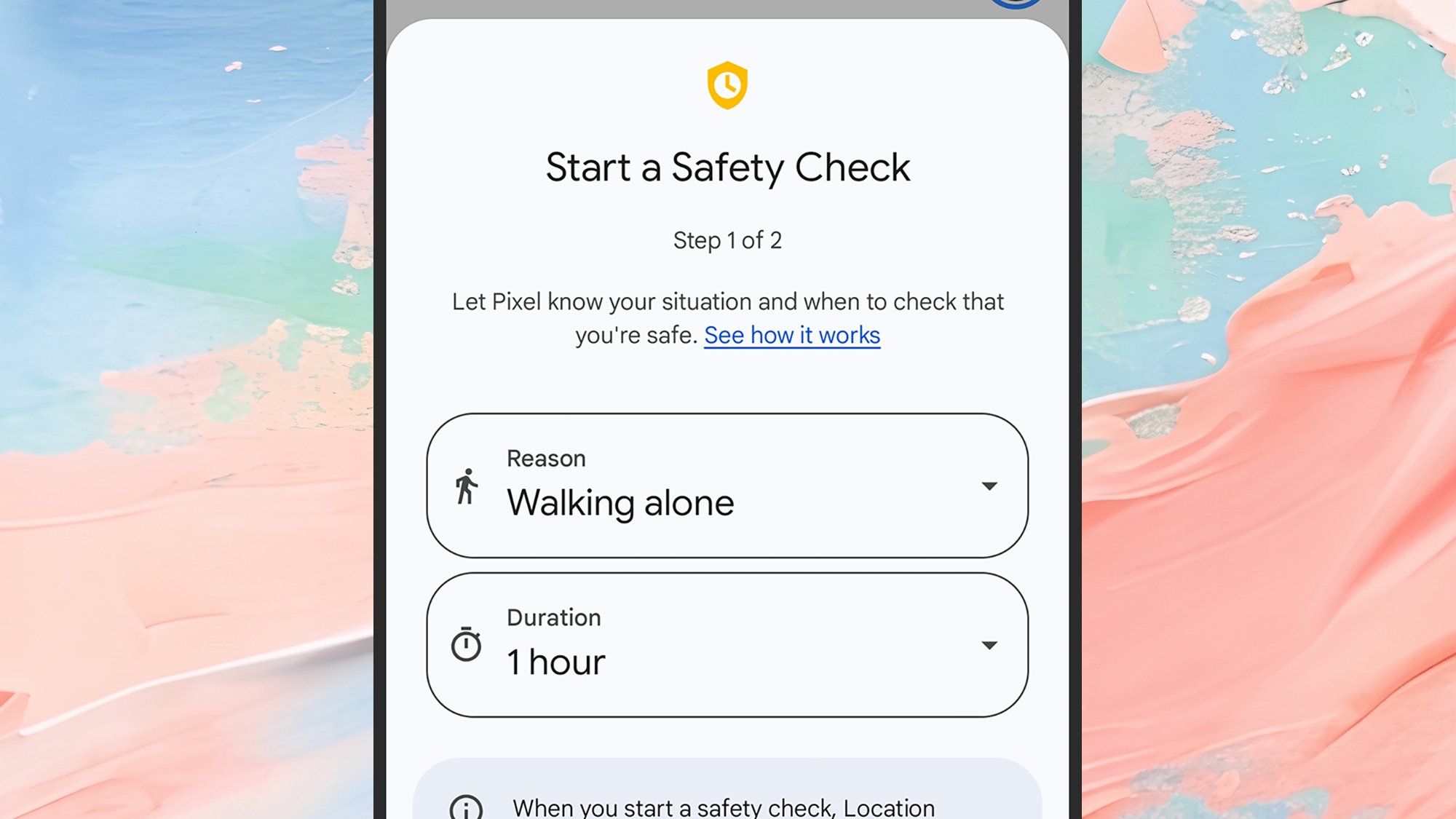
For outdoor enthusiasts and individuals traveling outside of standard cellular coverage areas, modern Android devices incorporate satellite SOS capabilities. For instance, compatible Pixel and high-end Samsung Galaxy models permit emergency text transmissions via satellite when cellular networks are unavailable. Complementing this is the Safety Check feature found within the Personal Safety app. Users embarking on potentially high-risk activities—such as walking alone through unfamiliar neighborhoods at night or hiking in remote terrain—can set a predetermined time limit. Failure to check in and confirm safety before the expiration of the timer prompts the device to automatically alert designated emergency contacts.
Comprehensive iOS Safety Features for Apple Users
Apple has similarly embedded a robust suite of protective utilities across the iOS ecosystem, deeply integrated into both the native Settings menu and the Health application.
Medical ID Integration
Analogous to the Android medical profile, the iPhone utilizes the native Health application to establish a comprehensive Medical ID. By accessing the profile icon within the Health app, users can curate the precise medical history, allergies, organ donor status, and emergency contacts that remain visible on the lock screen. This uniformity across operating systems ensures that regardless of smartphone preference, first responders can access critical health data during a crisis.
Emergency SOS Activation and Mechanical Shortcuts
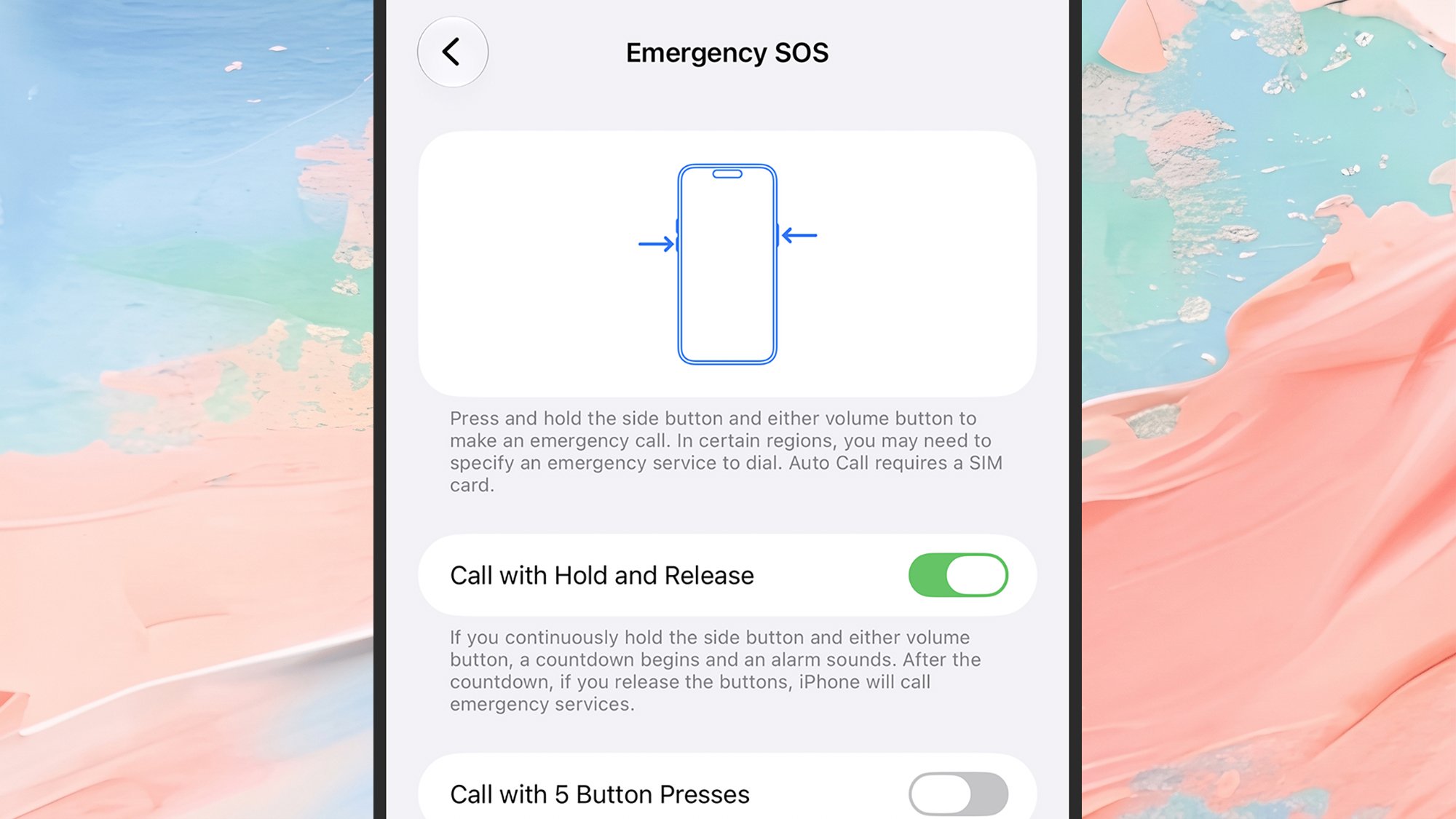
Under duress or physical incapacitation, operating a touchscreen becomes exceptionally difficult. Apple addresses this by assigning emergency activation to physical button combinations. Users can press and hold the side button and either volume button simultaneously until the Emergency SOS slider appears. Continuing to hold through the subsequent countdown triggers an automated alarm and initiates a direct call to emergency services. Alternatively, rapidly pressing the side button five times achieves a similar rapid-response deployment. These gestures are fully customizable within the Emergency SOS submenu in Settings.
Severe Crash Detection and Satellite Infrastructure
Integrated into iPhone 14 models and newer iterations, Apple’s crash detection algorithm utilizes the device’s high-g accelerometer, dual-core gyroscope, microphone, and barometer to identify severe vehicular impacts. Similar to Android architectures, if a suspected collision is flagged, the device prompts the user and initiates an automated emergency call if the prompt goes unacknowledged.
When connectivity fails entirely, Apple’s Emergency SOS via satellite operates seamlessly on supported hardware without requiring manual configuration. If an individual attempts to place an emergency call in a dead zone, the interface prompts the user to point the device toward visible satellites, transmitting compressed text data regarding the nature of the emergency, medical ID profile, and exact GPS coordinates to emergency dispatchers.
The Check In Feature
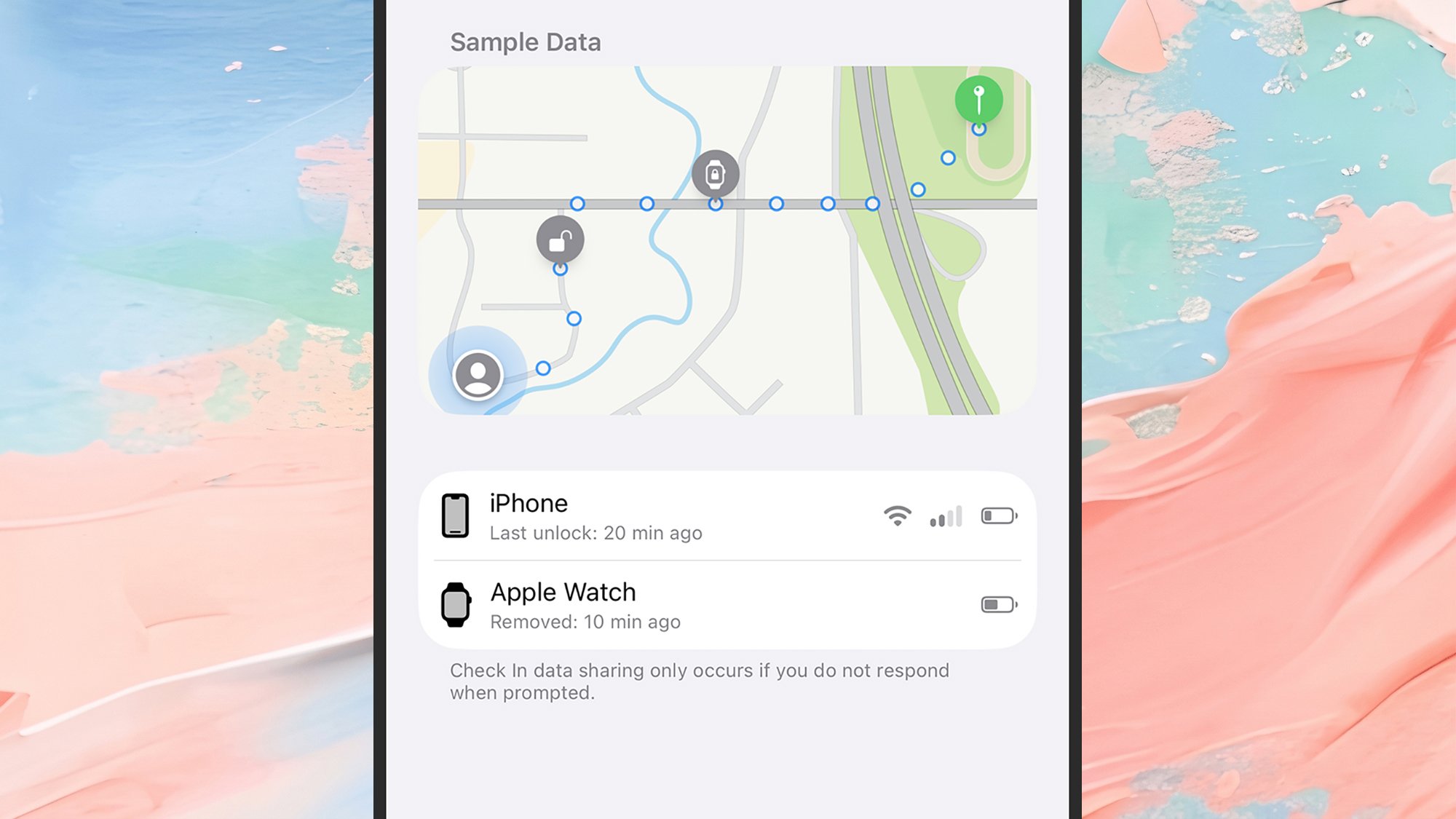
Designed primarily for interpersonal reassurance, the Check In feature embedded within the iOS Messages application allows users to notify family or friends when they have arrived safely at a destination. By initiating a Check In within an active chat thread, the sender establishes monitoring parameters. If the user’s progress stalls unexpectedly or the device fails to reach the destination within the allotted time framework, the system automatically shares useful diagnostic data—such as the iPhone’s precise location, battery level, and cellular signal strength—with the designated contact, facilitating rapid intervention without prematurely alarming authorities.
Comparative Analysis of Mobile Safety Ecosystems
While both Android and iOS offer remarkably comparable safety outcomes, structural differences exist in how these utilities are packaged and accessed. Android’s ecosystem approach relies heavily on dedicated applications like Personal Safety and localized Google services, which allows for rapid deployment across diverse hardware manufacturers including Google, Samsung, and Motorola. However, this fragmentation can occasionally lead to inconsistencies in feature availability depending on the specific device model, software version, or regional carrier restrictions.
Conversely, Apple maintains a vertically integrated approach where safety features are uniformly distributed across all compatible iPhone models running current iOS architecture. This tight coupling of proprietary hardware—such as custom-designed satellite transceivers and motion co-processors—with native software ensures a highly standardized user experience. Nevertheless, both ecosystems suffer from a common vulnerability: user complacency. Industry analyses consistently demonstrate that features requiring proactive configuration, such as designating emergency contacts and inputting medical data, experience significantly lower adoption rates compared to automated background services like crash detection.
Broader Societal Implications and Future Outlook
The institutionalization of automated safety features within consumer electronics has fundamentally altered the operational dynamics of emergency response agencies (PSAPs—Public Safety Answering Points). While these technologies undeniably save lives by bridging the gap between incapacitation and medical dispatch, they have also introduced distinct logistical challenges.
Emergency dispatch centers across North America and Europe have reported fluctuating volumes of accidental triggers, particularly from winter sports enthusiasts whose devices incorrectly register sharp turns, sudden decelerations, or impacts on ski slopes as vehicular crashes. Although modern operating systems have iteratively refined their algorithms to minimize false positives through mandatory user confirmation countdowns, the sheer volume of connected devices necessitates continuous algorithmic refinement and close collaboration between technology developers and municipal emergency services.
Looking forward, the trajectory of mobile safety technology points toward deeper biometric integration, enhanced machine learning diagnostics, and expanded global satellite partnerships. As cellular infrastructure transitions toward direct-to-device satellite broadband, the historical boundaries of emergency communication are destined to dissolve entirely. Ultimately, safety experts emphasize that while these technological advancements provide an unprecedented safety net, their efficacy remains fundamentally tethered to user awareness. Ensuring that friends, family members, and vulnerable populations take the necessary five minutes to configure medical IDs, emergency contacts, and gesture shortcuts remains the most effective defense against the unpredictable nature of emergencies.