



When individuals return home after a long, exhausting day, standard routines frequently involve taking a hot shower and settling into bed for rest. However, dermatological and immunological data indicate that this seemingly restorative sanctuary may harbor millions of microscopic organisms. While personal cleaning habits vary significantly from household to household, empirical research reveals a widespread societal deficit in laundering frequency for household textiles. Public health guidelines overwhelmingly advise washing bedsheets and bath towels every seven to fourteen days, yet statistical reality falls drastically short of these recommendations.
The Statistical Reality of Domestic Hygiene
Comprehensive surveys on domestic habits highlight a profound disconnect between recommended hygiene practices and actual human behavior. According to data compiled by the Sleep Advisor, the average person allows roughly 24 days to pass before laundering their bedsheets, with pillowcases stretching to an average of 25 days between cycles. Demographic breakdowns reveal even starker contrasts; a prominent study conducted in the United Kingdom highlighted that single men frequently postpone washing or replacing their bedsheets for up to four months. Furthermore, population-wide metrics indicate that roughly 5 percent of individuals launder their primary bedding only once or twice a year.
This pronounced delay in laundering transforms everyday domestic textiles into thriving, self-sustaining biological habitats. Every human being sheds millions of microscopic epidermal cells daily. Because these discarded flakes serve as the primary nutritional source for dust mites and various bacterial strains, delaying the cleaning process allows these populations to multiply exponentially in environments where humans spend approximately one-third of their lives.
The Biological Mechanics of Domestic Textiles
The accumulation of biological debris extends far beyond simple dust accumulation. Every time an individual dries off with a bath towel or rests their head on a pillowcase, a complex transfer of organic matter occurs. Human skin hosts a distinct, native microbiome composed of bacteria, fungi, and microscopic lipids. When transferred onto woven fabrics, these elements interact with ambient humidity, body sweat, and environmental dust.
Scientific literature categorizes the resulting buildup as a distinct microbial ecosystem. Research published in microbiological and epidemiological journals demonstrates that the bacterial communities flourishing on used towels and unwashed sheets differ substantially from those found on standard clothing. Because bath towels remain damp for hours after use—especially in confined spaces like bathrooms—they provide an ideal breeding ground for microbial proliferation. Consequently, individuals who delay washing their bath linens effectively cultivate a dense network of microorganisms that makes direct contact with freshly washed skin during subsequent uses.
Medical and Immunological Implications
Allergy and immunology specialists emphasize that the consequences of delayed laundering are not merely aesthetic or olfactory; they carry measurable health ramifications. Dr. Sandra A. Ho, a recognized specialist in allergy and immunology, notes that the accumulation of dust mites and biological debris poses significant risks for vulnerable populations. In the United States alone, approximately 20 million individuals suffer from dust mite allergies, making domestic textiles a primary catalyst for chronic inflammatory responses.
"Every day we shed skin cells, and that is what dust mites feed on," explains Dr. Ho. "So, regular removal of skin cells and dust mites with washing helps to keep your bed—where you spend a third of your life—optimized."
When vulnerable individuals continuously expose themselves to neglected bedding and towels, the medical repercussions can escalate rapidly. Dust mite allergens are directly linked to the exacerbation of asthma, allergic rhinitis, and persistent eczema flares. In severe cases, these induced flare-ups can reduce a patient’s overall quality of life, potentially leading to acute medical complications. These complications range from emergency room visits for asthma attacks and secondary sinus infections to bacterial superinfections of the skin resulting from scratching compromised areas.
Establishing Best Practices for Textile Maintenance
To mitigate these health risks, medical professionals recommend strict adherence to standardized laundering schedules. For individuals diagnosed with dust mite sensitivities, asthma, or chronic skin conditions, washing sheets and bath towels every one to two weeks is considered mandatory. Furthermore, experts emphasize the laundering technique itself; utilizing hot water settings is crucial for effectively neutralizing dust mites and eliminating resilient bacterial colonies. Many modern washing machines feature specialized "Sheets" or "Towels" cycles calibrated to optimize water temperature, agitation duration, and rinse thoroughness.
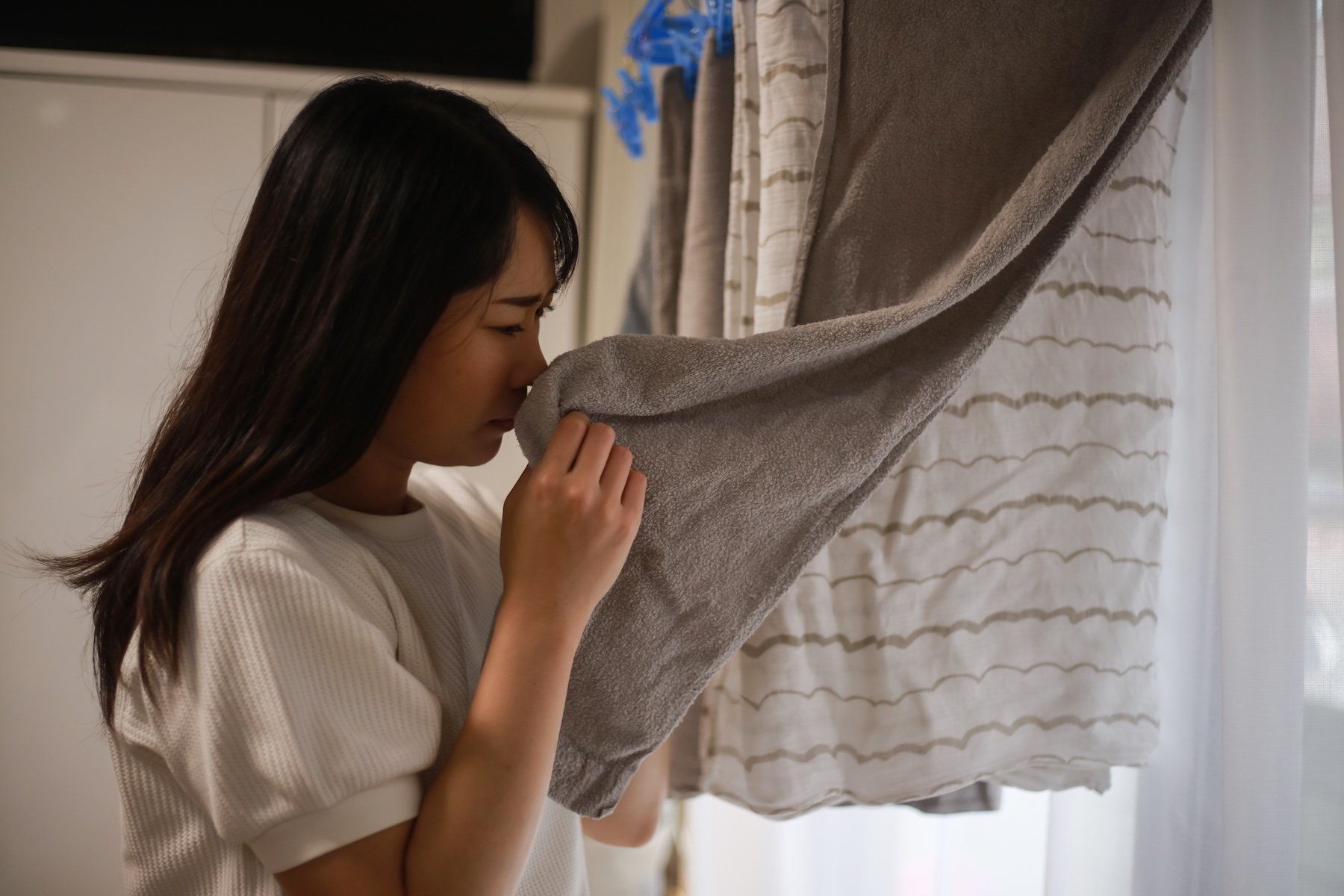
Relying solely on sensory indicators, such as waiting for visible discoloration or unpleasant odors, is scientifically insufficient. While structural warning signs—including sweat stains, bodily oils, visible dirt, crumbs, or a sticky and slimy fabric texture—indicate an overdue laundry cycle, microscopic proliferation occurs long before these symptoms manifest. Odor development in bath towels, for instance, typically signifies that bacterial populations have already reached advanced colonization phases.
Broader Public Health Impact and Future Outlook
As consumer awareness regarding indoor air quality and personal hygiene evolves, public health advocates continue to emphasize the intersection between domestic chores and preventative medicine. The transition from viewing laundry as a purely cosmetic chore to recognizing it as a vital health maintenance practice remains a central focus for medical outreach.
Ultimately, maintaining a sanitary domestic environment requires discipline that transcends mere convenience. By committing to standard washing frequencies of once to twice weekly—and prioritizing immediate laundering during periods of heightened allergy or asthma symptoms—individuals can effectively disrupt the life cycles of domestic allergens. Transforming the bedroom and bathroom from unregulated microbial habitats back into genuinely restorative spaces relies entirely on consistent, proactive textile management.