

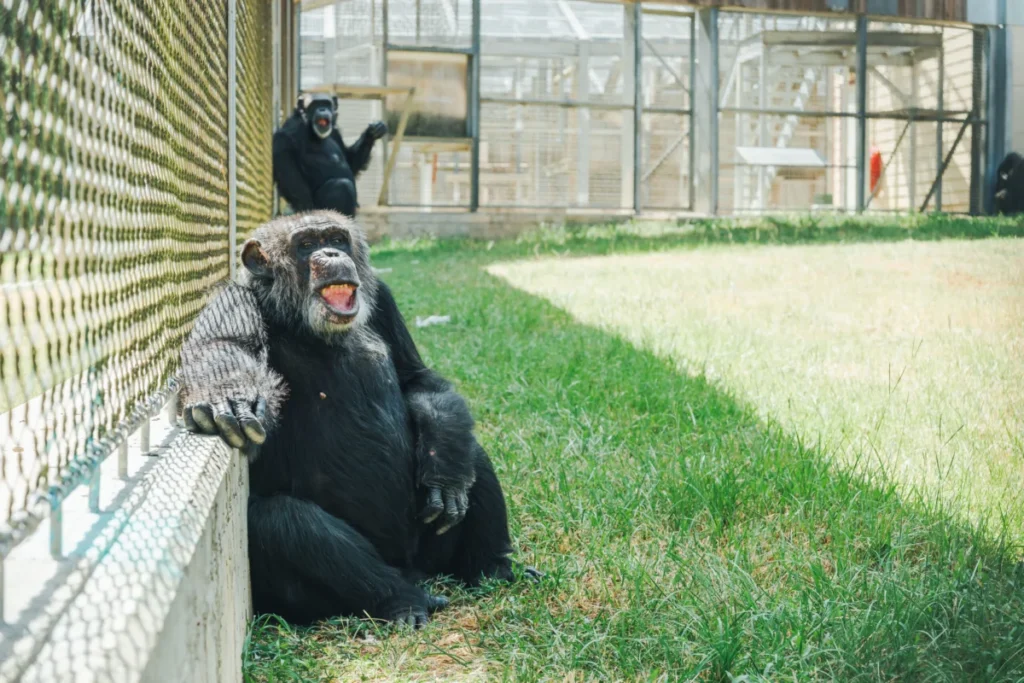
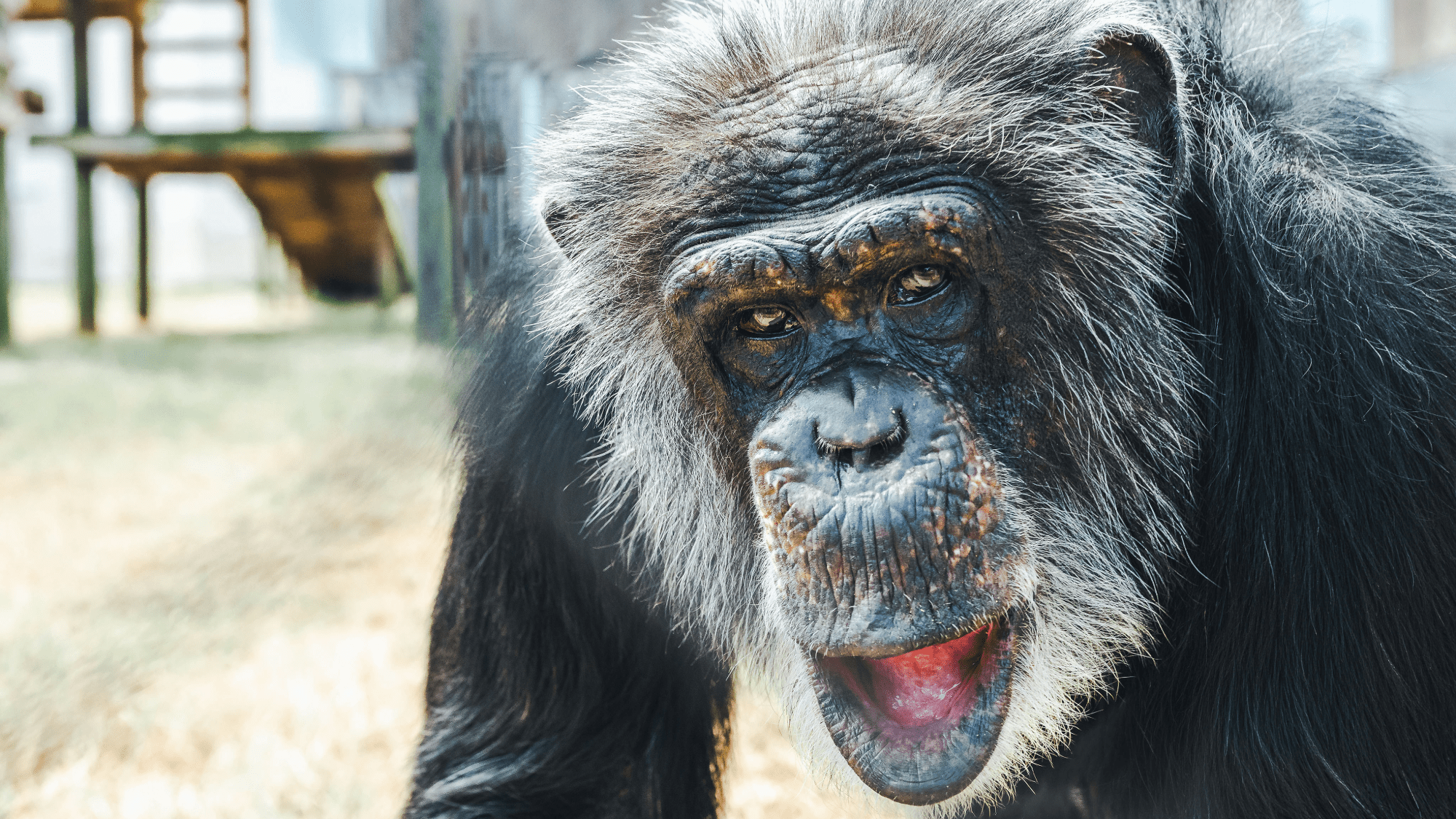
At fifty-four years of age, a resident chimpanzee named Pierre at Chimp Haven in Louisiana has regained his functional sight following a successful, highly specialized cataract surgery. Pierre, a member of the Pan troglodytes species, had previously been rendered completely blind due to advanced cataracts, a common age-related optical condition that clouds the eye’s natural lens. As the largest chimpanzee sanctuary in the world, Chimp Haven provides a permanent retirement home for hundreds of primates, many of whom were previously retired from biomedical research following historic policy shifts by the National Institutes of Health (NIH) that phased out invasive chimpanzee testing.
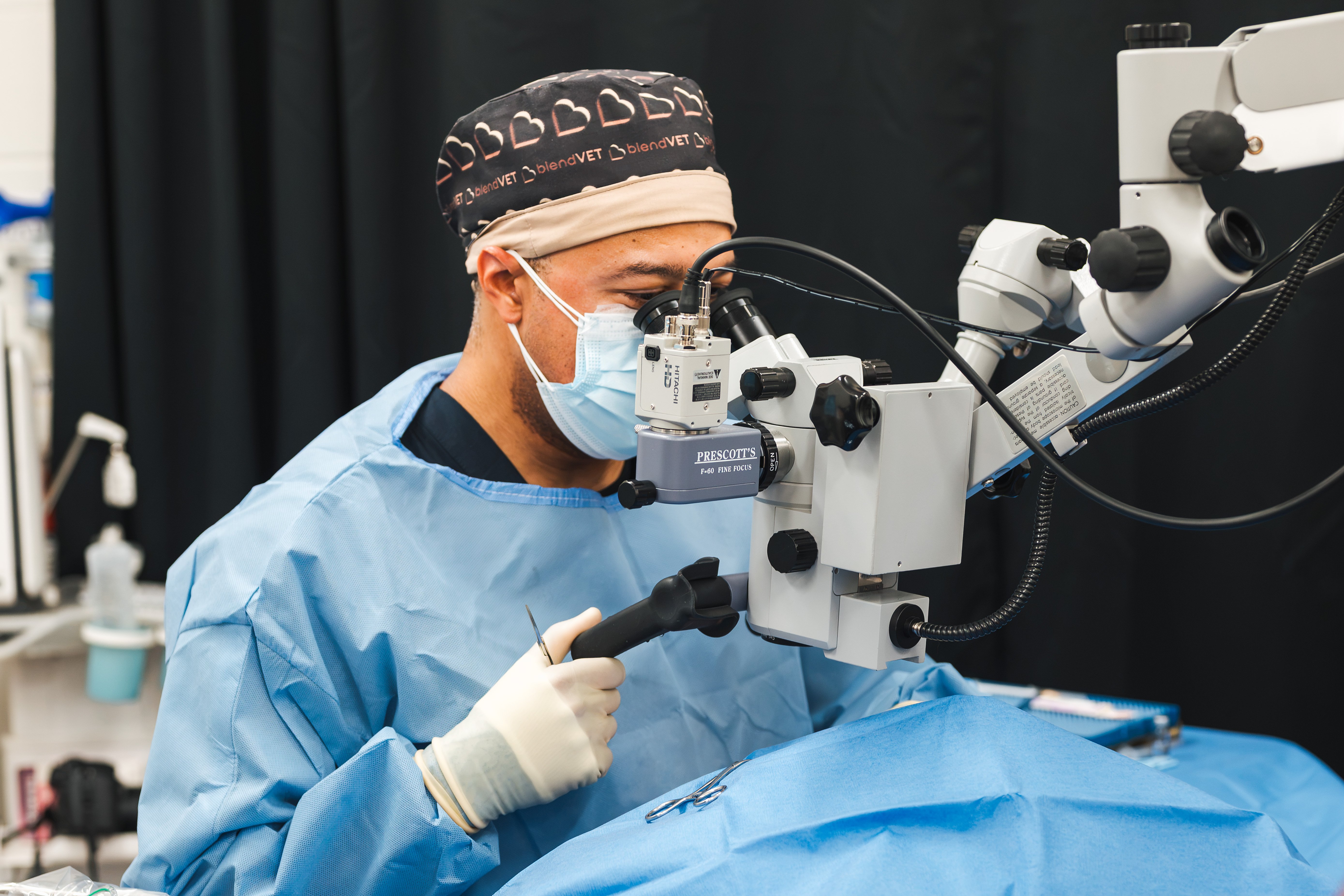
The successful hour-long operation, performed by board-certified veterinary ophthalmologist Dr. Kenneth Pierce, marks a significant milestone in sanctuary veterinary medicine. While cataract replacement surgery is a routine outpatient procedure in human medicine, executing the same level of care for a large, powerful, and intelligent wild primate requires extraordinary logistical preparation, specialized medical hardware, and months of cooperative behavioral conditioning. The intervention has fundamentally transformed Pierre’s daily existence, enabling him to navigate his habitat with enhanced confidence, re-engage in complex social hierarchies, and recognize longtime human caregivers and chimpanzee companions alike.
Chronology of Care: Months of Preparation for a Singular Hour
The path to Pierre’s restored vision was not forged overnight. While the surgical procedure itself lasted approximately sixty minutes, the timeline of Pierre’s medical journey spanned several months of meticulous pre-operative training and behavioral conditioning.
Because postoperative care requires the frequent application of medicated eye drops and close physiological monitoring, veterinary teams had to ensure that Pierre could receive these treatments safely without the need for repeated chemical immobilizations, which carry inherent medical risks, particularly for an aging animal. Under the guidance of Dr. DaShaunté Coleman and longtime primary trainer Mary Reininger, who has known Pierre for over twenty-five years, the sanctuary initiated a program of positive reinforcement training.
Pierre, recognized by his handlers as an exceptionally fast learner who thrives on positive reinforcement, was introduced to a structured routine utilizing audio cues and a soft bamboo stick for physical guidance. Over weeks of consistent sessions, Pierre was trained to approach the safety mesh of his enclosure, align his face against it, and keep his eyes open voluntarily while stationary. In exchange for his cooperation, he was rewarded with his favorite food treats. This behavioral foundation enabled Mary Reininger to successfully administer necessary pre-operative eye drops and established the exact compliance protocol required for post-surgical recovery.
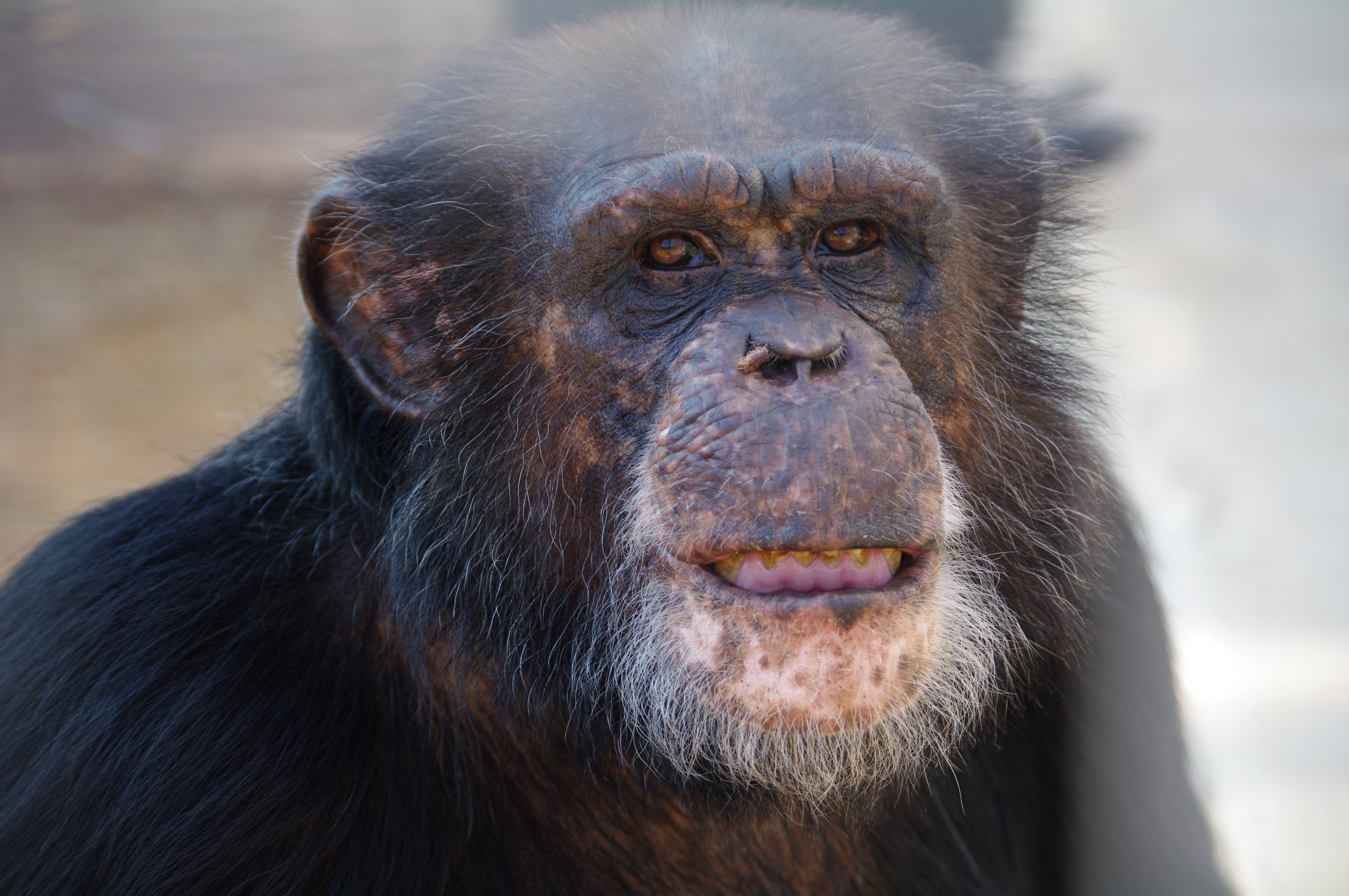
Once the medical and behavioral parameters were fully satisfied, Dr. Kenneth Pierce performed the surgical extraction of the clouded lenses and inserted artificial replacements. The operation concluded without complications, setting the stage for an unexpectedly rapid recovery.
Immediate Postoperative Milestones and Social Reintegration
The immediate aftermath of Pierre’s surgery yielded astonishing results that surpassed the cautious expectations of his medical team. Within mere hours of waking from anesthesia, Pierre demonstrated immediate visual responsiveness. Sanctuary staff observed the elderly chimpanzee sitting quietly and watching one of his favorite projected films, tracking the movement on screen with clear visual comprehension—a stark contrast to his pre-surgical reality of total darkness.
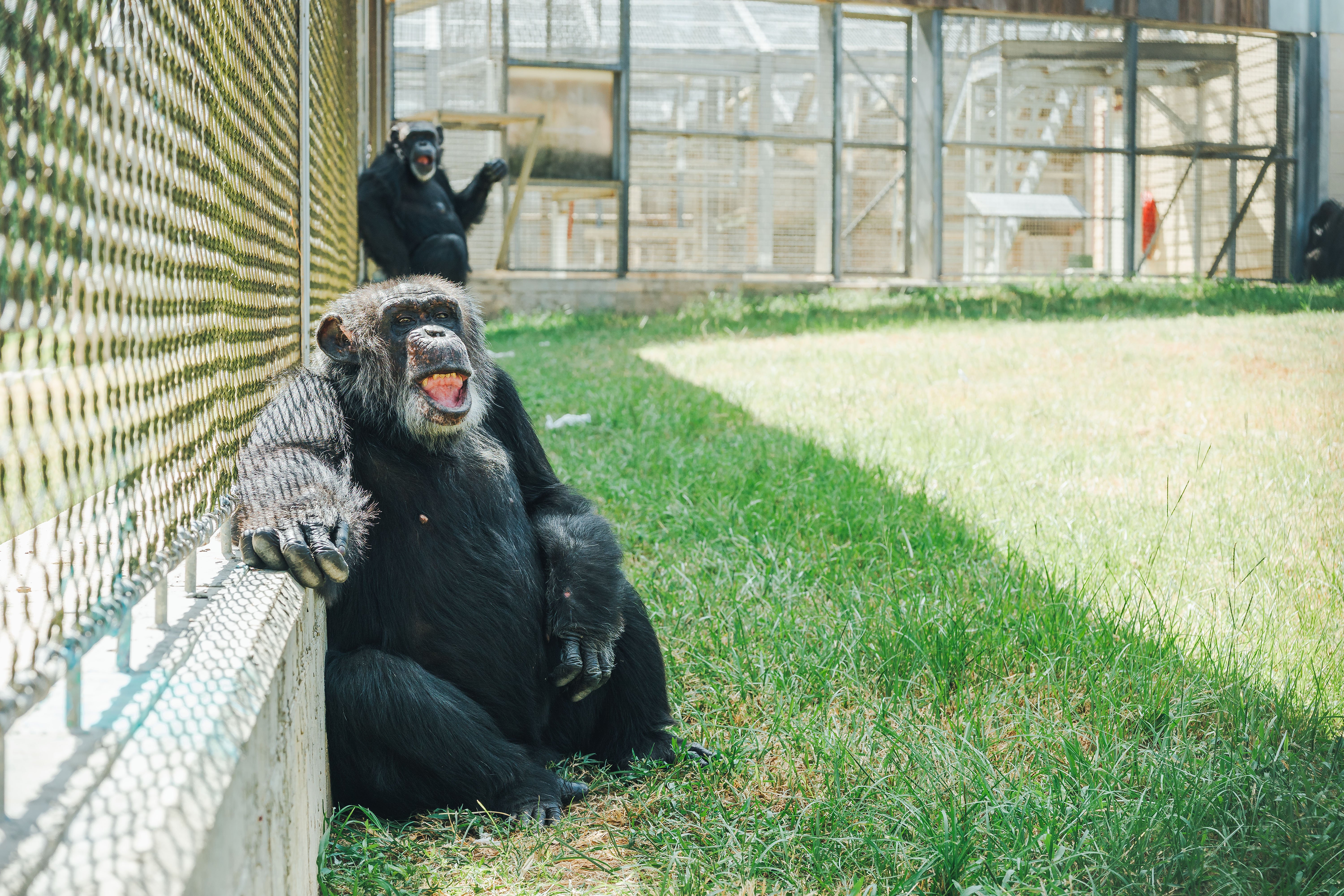
The recovery timeline accelerated further over the subsequent days. Within a week, Pierre was deemed healthy and stable enough to experience a deeply anticipated reunion with Jill, one of his closest chimpanzee companions within the sanctuary troop. Observers noted immediate signs of mutual recognition and comfort, validating the psychological importance of restoring sight to social animals.
Furthermore, Pierre achieved an even greater milestone by successfully rejoining his broader social group weeks ahead of the veterinary team’s initial timeline. The ability to visually process body language, facial expressions, and spatial boundaries allowed him to reintegrate into the complex social dynamics of his troop with minimal friction. For Mary Reininger, the moment Pierre looked directly into her eyes for the first time in years was an unforgettable professional and personal milestone. The successful intervention transformed not only Pierre’s physical capabilities but also his emotional well-being, affirming the sanctuary’s core philosophy of providing individualized, high-quality palliative and geriatric care.
Broader Implications for Primate Sanctuary Medicine
To fully understand the significance of Pierre’s medical procedure, one must examine the stark evolutionary and ecological realities of chimpanzee biology. In the wild, visual impairment is often catastrophic. Primates depend fundamentally on their sight to forage for complex diets, navigate hazardous rainforest canopies, detect approaching predators, and interpret intricate non-verbal communication within their communities. A blind chimpanzee in a wild environment would face severely diminished survival prospects.
In captive sanctuaries like Chimp Haven—which spans hundreds of forested acres in Keithville, Louisiana—blind animals can survive with localized human support, but their quality of life remains significantly restricted. They face chronic barriers to physical exploration, environmental enrichment, and safe movement across climbing structures. Pierre’s successful surgery highlights an evolving standard of veterinary care within modern sanctuaries. As the population of retired biomedical research chimpanzees ages—many now entering their fifties—sanctuaries are increasingly investing in advanced medical technologies, specialized surgical partnerships, and geriatric care models that mirror human medical advancements.
The successful treatment of Pierre’s cataracts demonstrates that advanced ophthalmology is no longer exclusive to domestic companion animals. By combining sophisticated surgical techniques with rigorous, ethical animal training, veterinary teams can successfully bridge the gap between human medical standards and wildlife conservation medicine. This case establishes a valuable precedent for how zoos, sanctuaries, and specialized veterinary ophthalmologists can collaborate to improve the functional lifespans of endangered and rescued species.
Ultimately, Pierre’s restored sight serves as a testament to the dedication of modern animal welfare organizations. By returning the gift of vision to a 54-year-old chimpanzee, Chimp Haven has not only extended his physical capabilities but has also honored his individual agency, allowing him to experience his twilight years with clarity, dignity, and renewed connection to the world around him.