





The perpetual cycle of school reform often mirrors a treadmill: constant movement that results in significant exhaustion but very little distance gained. Across the United States, school districts spend billions annually on professional development, proprietary curricula, and external consulting firms, yet longitudinal data from the National Assessment of Educational Progress (NAEP) frequently shows that these top-down initiatives struggle to move the needle on student achievement. In their latest research published in the book A Chance to Solve Their Own Problems, scholars Jal Mehta and Max Yurkofsky argue that the failure of these initiatives is not a byproduct of poor execution, but rather a fundamental flaw in the philosophy of school improvement itself.
The prevailing model of reform, characterized by the wholesale adoption of prepackaged programs, often ignores the localized complexities of the classroom. Mehta and Yurkofsky’s research, which synthesizes years of observational study in schools across various socioeconomic contexts, suggests that the most successful transformations occur not through the imposition of external mandates, but through a deliberate, system-wide process of adaptive problem-solving.
The Historical Context of the Reform Industry
To understand why schools remain trapped in a cycle of "initiative fatigue," one must look at the rise of the high-stakes accountability movement. Following the enactment of the No Child Left Behind Act in 2001, the American education system shifted toward a heavy reliance on standardized metrics. Districts, fearing punitive measures or loss of funding, began to prioritize compliance over pedagogy. This era fostered the growth of a multibillion-dollar industry dedicated to providing "turnkey" solutions.
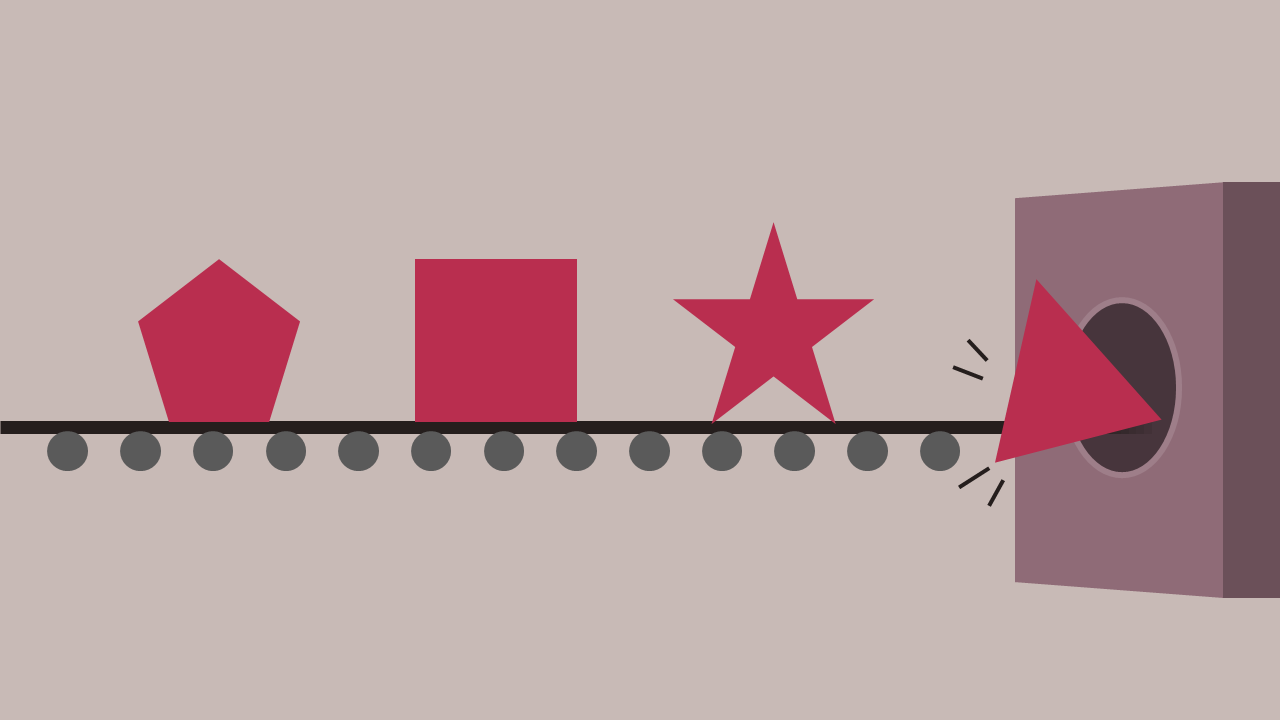
By the early 2010s, researchers began documenting the "churn" effect: a school would implement a new reading program, only to abandon it three years later when test scores failed to rise as predicted. This pattern, while administratively convenient, effectively deskilled the teaching force. By prioritizing fidelity to a program manual over the professional judgment of educators, districts inadvertently created an environment where teachers felt like interchangeable parts in a machine rather than autonomous professionals capable of diagnosing classroom-specific issues.
Identifying the Four Pillars of Failure
Mehta and Yurkofsky’s research identifies four distinct systemic patterns that contribute to the collapse of these well-intentioned efforts. The first is the exclusion of the "ground-level" perspective. When school leadership identifies a problem—such as declining math proficiency—without consulting the teachers who interact with students daily, the resulting intervention often misses the mark. If the teacher does not perceive the problem in the same way the administrator does, the initiative becomes a performative exercise in compliance rather than a genuine effort at improvement.
The second failure is the tendency to target individuals rather than systems. Traditional evaluation models often focus on the "struggling teacher," providing intensive coaching or corrective plans. However, Yurkofsky posits that if a teacher is failing to meet standards, the inquiry should focus on the systemic failure—the curriculum, the onboarding process, or the lack of collaborative time—that allowed that outcome to manifest.
The third issue is the fetishization of fidelity. In many districts, implementation success is measured by how closely a classroom mimics a vendor’s guide. This approach is inherently flawed because no two school ecosystems are identical. Adaptive integration, a term coined by the researchers, represents a shift toward tailoring interventions to the unique constraints of the local environment.
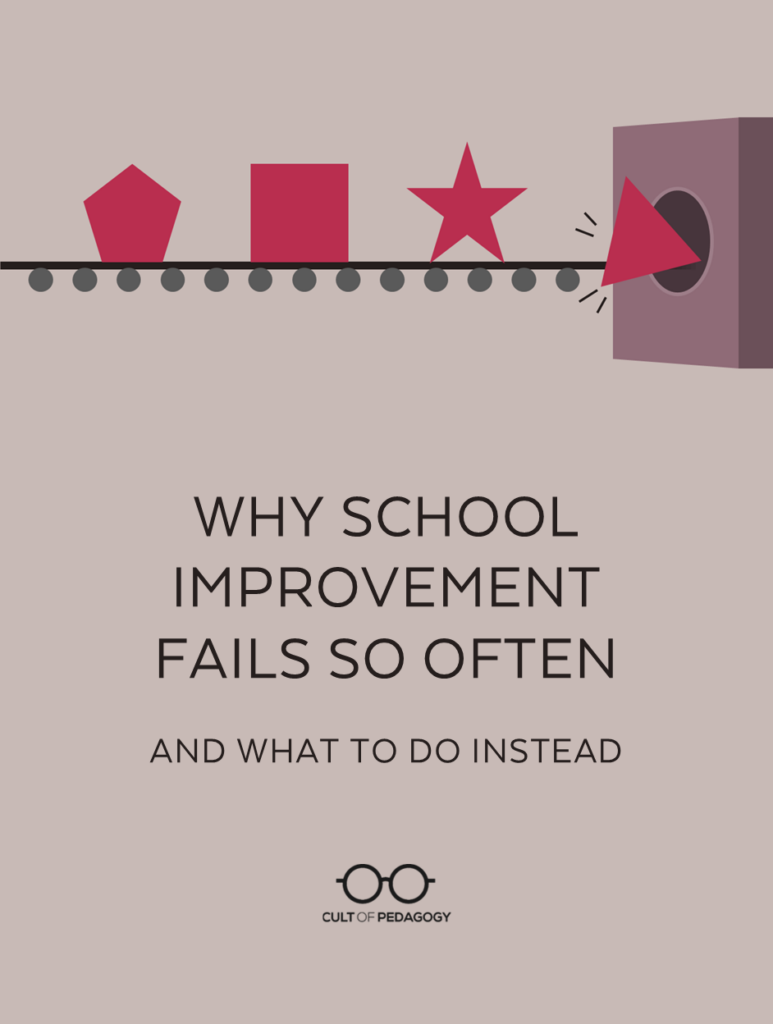
Finally, the most pervasive error is the premature leap to solutions. Administrators often purchase a program before they have fully articulated the problem. This leads to "solution-chasing," where a school adopts a technology platform or a new textbook series simply because it is the latest trend, regardless of whether it addresses the specific friction points within their own student body.
A New Framework: Mindsets, Routines, and Practices
For improvement to be sustainable, Mehta and Yurkofsky suggest a three-pronged approach that moves beyond the typical "workshop-and-implement" model. This framework relies on the alignment of mindsets, routines, and practices.
Mindsets refer to the underlying beliefs of the faculty. If a school attempts to integrate literacy instruction into science classes but the science teachers believe their sole responsibility is content mastery, the initiative will fail regardless of the materials provided. Cultivating a shared belief in the collective efficacy of the staff is a prerequisite for any meaningful change.
Routines are the logistical structures that facilitate inquiry. This includes protected time for teachers to analyze student work, conduct peer observations, and engage in feedback loops. Without these institutionalized habits, improvement efforts remain isolated, preventing the cross-pollination of effective strategies.

Practices represent the actual instructional strategies. Here, the researchers offer a crucial caveat: while collaborative problem-solving is vital, it cannot replace disciplinary expertise. Schools must balance the "process" of improvement with the "substance" of expert knowledge, ensuring that teachers have access to high-quality pedagogical research to inform their trial-and-error cycles.
The Leadership Mandate: Protecting the Ecosystem
The burden of creating this environment falls squarely on school and district leadership. The data suggests that where these efforts thrive, leaders act not as taskmasters, but as stewards of a safe environment. This requires three specific leadership actions:
- Temporal Protection: In a system where teachers are chronically time-starved, leaders must carve out dedicated, non-negotiable time for inquiry. This is often the most difficult resource to secure, yet it is the most predictive of long-term success.
- Psychological Safety: Failure is a necessary component of the scientific method, yet it is often stigmatized in schools. Leaders must frame problems as "gifts"—early warning signals that allow for iterative improvement—rather than as evidence of professional incompetence.
- Strategic Alignment: Improvement methods should not be the goal; they should be the mechanism to achieve a clearly defined educational strategy. When an initiative is decoupled from the broader vision of the school, it becomes "noise" that interferes with core instruction.
Broader Implications and Future Outlook
The implications of this research are significant for both state education departments and local boards. If the current trajectory of reform continues to focus on standardized, external solutions, the nation may face an unprecedented decline in teacher retention. The "great resignation" of educators over the last several years has been linked, in part, to the lack of agency and the bureaucratic weight of top-down mandates.
By shifting toward the model proposed by Mehta and Yurkofsky, districts could potentially move toward a more sustainable, professionalized culture. This is not a quick fix; it is a fundamental restructuring of how schools function as learning organizations. As the evidence indicates, the most effective "intervention" a district can provide may not be a new program, but the freedom and resources for teachers to collaboratively solve the problems they face every day.

For schools looking to transition away from the churn of temporary initiatives, the path forward involves a return to the basics of human interaction: trust, dialogue, and a shared commitment to the craft of teaching. By treating teachers as the architects of their own improvement, school systems can move away from the performative cycles of the past and toward a future defined by genuine, lasting progress.