

The powerful early-season nor’easter that battered the northeastern United States throughout late September 2026 has finally begun to dissipate, leaving behind a trail of coastal flooding, structural damage, and severe disruptions to human infrastructure. While recovery efforts focus heavily on downed power lines, blocked roadways, and property repairs, environmental scientists and wildlife rehabilitators are shifting their attention to an equally pressing crisis: the profound toll the severe weather has taken on regional fauna. Operating at the intersection of peak autumn bird migration and the tail end of the mammalian breeding season, the storm’s ferocious winds, torrential rains, and churning coastal waters have left countless wild animals displaced, injured, or vulnerable to the elements.
Main Facts of the Late-September Nor’Easter
The late-September storm system arrived with the intensity typically reserved for mid-winter nor’easters, catching coastal communities off guard. The system brought sustained tropical-storm-force winds, intense storm surges, and localized rainfall totals exceeding four inches across parts of New York, New Jersey, and New England. Tragically, the severity of the weather resulted in at least one confirmed fatality and four injuries across the affected region, alongside widespread power outages impacting hundreds of thousands of homes and businesses.
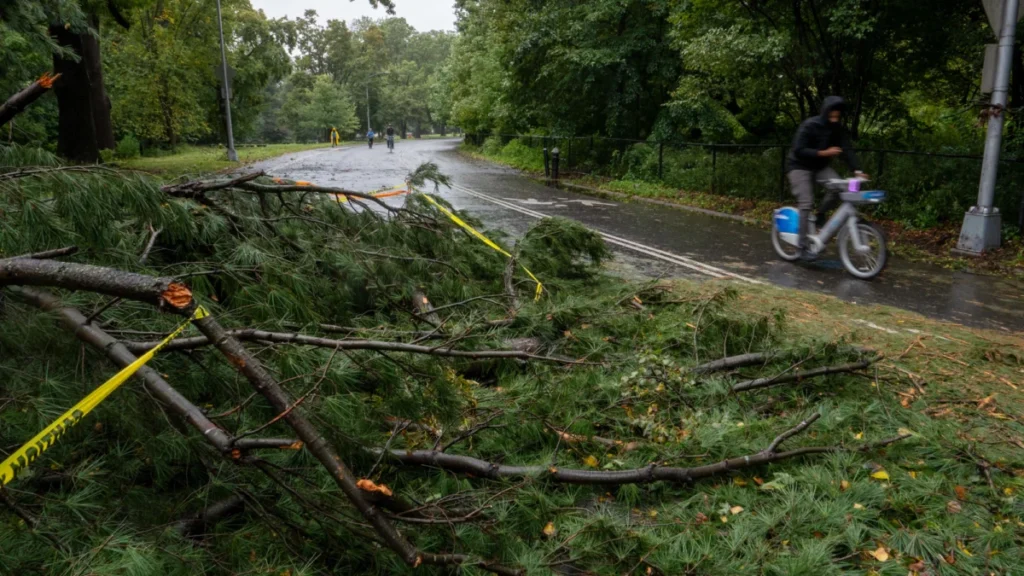
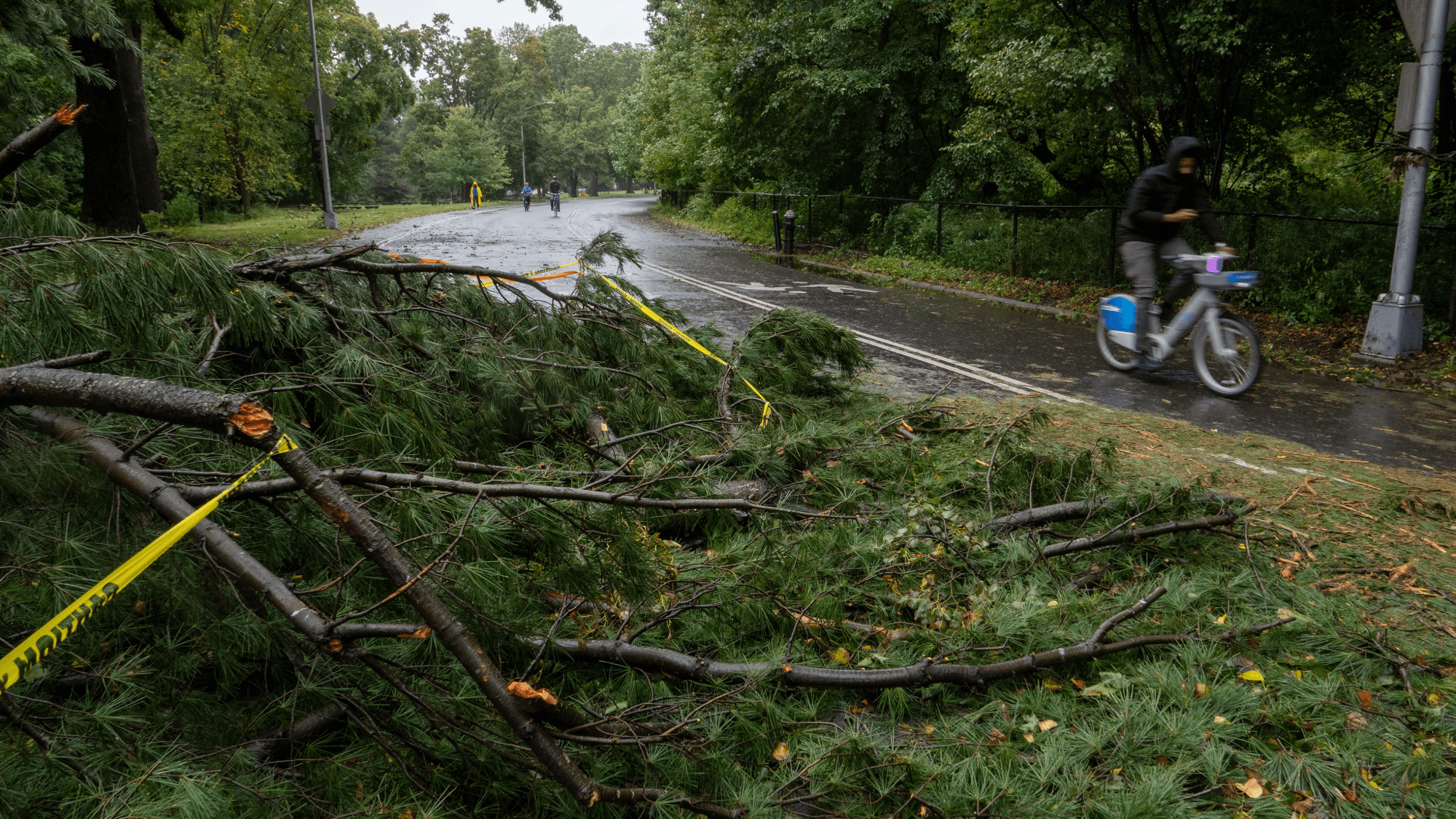
In urban centers like New York City, massive gusts of wind toppled mature street trees and blocked major thoroughfares, such as a prominent roadway in Brooklyn’s Prospect Park. Meanwhile, coastal stretches of Massachusetts, Rhode Island, and Maine faced severe battering from high waves and relentless winds. Beyond the immediate human toll, meteorologists and ecologists noted that the timing of the storm—hitting during the height of ecological transitions—magnified its impact on local ecosystems.
Chronology of a Developing Ecological Crisis
The storm’s formation began in the western Atlantic in late September 2026, when a robust low-pressure system stalled off the Mid-Atlantic coast and began drawing in cold Arctic air from the north and abundant moisture from the warm ocean waters. By Friday, September 25, the system had officially transitioned into a powerful nor’easter, characterized by gale-force northeastern winds that pushed massive walls of water toward the coastline.
Throughout Saturday, September 26, and Sunday, September 27, the storm reached its peak intensity, battering coastal wildlife habitats from the New York metropolitan area up to Cape Cod. During this 48-hour window, migratory birds aloft were intercepted by the storm’s powerful headwaters. As the system slowly tracked northeastward and began to weaken by Monday, September 28, local wildlife agencies and rescue organizations started receiving a surge of calls regarding stranded marine birds, flooded mammal burrows, and animals trapped in fallen timber.
Vulnerability of Migratory Birds at Their Peak
One of the most concerning aspects of the September nor’easter was its collision with the peak of fall bird migration. In the Northern Hemisphere, hundreds of millions of songbirds, shorebirds, and seabirds journey southward during this window to escape the impending winter. Cape Cod, with its unique hook-like geography jutting out into the Atlantic, serves as a natural funnel for avian traffic.
When the nor’easter struck, strong onshore gales overpowered many migrating species, forcing them off course. While most landbirds manage to seek early shelter in dense forest canopy or outmaneuver developing weather fronts, pelagic and coastal seabirds face immediate danger. Species such as northern gannets, common loons, murres, and dovekies are exceptionally well-adapted to aquatic life but struggle immensely on land.
Exhausted by fighting gale-force winds and suffering from potential hypothermia brought on by cold, driving rain, these seabirds frequently make emergency crash landings. Lacking the ability to distinguish between natural water bodies and dark, wet surfaces during low-visibility storm conditions, disoriented birds often plummet onto asphalt parking lots, residential backyards, and dark-colored fields, mistaking them for open water. Without immediate human intervention and professional rehabilitation, these stranded seabirds face near-certain mortality from starvation, exposure, or predation.
The Hidden Toll on Late-Season Mammal Offspring
While avian populations absorb the most visible blow during autumn storms, terrestrial mammals face equally severe, if less observed, hazards. Late September marks the final stretches of what wildlife rehabilitators refer to as "baby season." While most spring-born animals are independent by autumn, several mammal species continue to rear or nurse their young well into the fall months.
Arboreal mammals, including gray and red squirrels, frequently maintain their nests within the upper branches of mature deciduous and coniferous trees. When high-wind events like the September nor’easter topple these trees, entire litters can be displaced or crushed. Similarly, ground-dwelling species such as eastern cottontail rabbits, Virginia opossums, and eastern chipmunks often maintain shallow subterranean burrows. Torrential downpours and rising floodwaters easily inundate these underground nurseries, forcing mothers to abandon their young or drowning the offspring before they can escape.
Official Responses and Protocols from Wildlife Authorities
In the wake of the storm, regional animal care facilities—most notably the Cape Wildlife Center in Cape Cod, Massachusetts—issued urgent advisories detailing best practices for residents encountering displaced or distressed wildlife. Experts emphasize that public awareness is the first line of defense in minimizing post-storm casualties.
Municipal departments and private tree-removal crews have been explicitly urged to exercise extreme caution before processing fallen timber. Wildlife centers have reported numerous historical incidents where animals remain trapped inside hollow knotholes, concealed nests, or dense foliage even after a tree has been completely uprooted. Checking these cavities prior to operating chainsaws or heavy machinery can prevent accidental injuries or deaths.
Furthermore, animal welfare organizations have outlined specific protocols for citizens who discover wild animals in distress:
Inspect and Report Stranded Seabirds: Residents who find pelagic or shorebirds stranded on beaches, lawns, or roadways are advised to contact local animal control or specialized wildlife centers immediately. These birds generally require fluid therapy, thermal support, and nutritional stabilization before they are cleared for release.
Exercise Caution with Rabies-Vector Species: Displaced raccoons, foxes, and other potential carriers of the rabies virus should never be handled directly by untrained members of the public. Residents encountering these animals must contact professional wildlife control or local health authorities.
Care for Non-Rabies Small Mammals: For vulnerable non-vector species—such as rabbits, opossums, and chipmunks—experts recommend placing the animal gently into a warm, dark, and quiet box to reduce shock, followed by an immediate call to a certified rehabilitator. Organizations utilize networks such as Animal Help Now (ahnow.org) to connect rescuers with licensed facilities equipped to handle neonatal and juvenile care.
Broader Environmental Implications and Future Preparedness
The late-September nor’easter serves as a stark reminder of the intensifying vulnerability of regional ecosystems to severe weather events. As shifting global climate patterns contribute to warmer ocean surface temperatures and more volatile atmospheric conditions, early-season coastal storms are projected to increase in frequency and intensity.
For wildlife populations, these intensifying storms compound existing environmental pressures, including habitat fragmentation, urban expansion, and light pollution, which already disorients migrating fauna. Ecologists note that consecutive severe weather events can significantly depress local reproductive success and migratory survival rates, particularly for specialized species with narrow ecological niches.
Ultimately, the response to the 2026 nor’easter highlights the critical reliance of urban and suburban wildlife on community-level stewardship. As regional climate volatility reshapes seasonal weather norms, the prompt reporting, careful debris management, and coordinated rehabilitation efforts demonstrated by organizations like the Cape Wildlife Center remain essential components of preserving local biodiversity in the face of natural disasters.