
The concept of Leq’á:leq’el, which translates to “journey” in the Halq’eméylem dialect of the Stó:lō people, has emerged as a foundational framework for addressing the complexities of decolonization and reconciliation within the Canadian post-secondary landscape. At the University of the Fraser Valley (UFV), this concept has been operationalized through a unique digital video series that invites faculty members to share their personal narratives of reconciliation in their “heart languages”—the languages of their upbringing and cultural identity. By moving beyond the traditional, often rigid, English-only academic discourse, this initiative seeks to weave together the diverse histories of immigrants, refugees, and multilingual Canadians with the urgent imperative of Indigenous reconciliation.
The Origins and Evolution of the Project
The genesis of the Leq’á:leq’el video series dates back several years to an internal institutional inquiry regarding the limitations of existing decolonization frameworks. Academic leaders at UFV questioned why conversations surrounding Indigenization often felt disconnected from the lived experiences of a faculty body increasingly composed of people from diverse global backgrounds. They sought a mechanism to bridge the gap between institutional policy and personal commitment, asking how they could create inclusive spaces that respected the unique cultural journeys of every individual.
The project began as an experimental pilot, with organizers inviting faculty to recount their professional and personal intersections with the Truth and Reconciliation Commission of Canada’s (TRC) Calls to Action. The decision to record these testimonials in languages such as Hindi, Punjabi, Farsi, Greek, Korean, and Filipino was a deliberate pedagogical choice. It recognized that language is not merely a tool for communication but the vessel of cultural identity. By enabling storytellers to speak in their native tongues—while providing English subtitles for broader accessibility—the university aimed to disrupt the historical hegemony of English-only instruction, a system that has long been identified as a contributor to the suppression of Indigenous languages globally.
Chronology of Implementation
The development of the series followed a phased approach:
- Phase I (Conceptualization): Faculty and staff identified the need for a more inclusive, multilingual approach to teaching and learning that explicitly centered on Indigenous reconciliation.
- Phase II (Engagement): Participants were invited to share their stories. Crucially, this was not a scripted exercise; participants were encouraged to speak from their heart and history, detailing how their migration experiences or cultural values informed their understanding of colonial legacies.
- Phase III (Digital Distribution): The launch of the video repository provided a public-facing resource for students, faculty, and the community to engage with these narratives.
- Phase IV (Integration): The project moved into the classroom, where educators began using the videos to prompt critical reflection on topics such as language maintenance, cross-generational identity, and the role of hospitality in building community.
Demographic Context and Linguistic Diversity in Academia
The necessity of such a project is underscored by the shifting demographics within Canadian higher education. According to data from Statistics Canada, the proportion of the population reporting a mother tongue other than English or French has grown steadily over the last two decades. In the post-secondary sector, this demographic shift is reflected in a more internationalized faculty body.
However, institutional structures have historically struggled to integrate these diverse perspectives into the specific, localized context of Indigenous-settler relations in Canada. The Leq’á:leq’el series serves as a critical intervention by facilitating what researchers call “positionality”—the practice of locating one’s own history within the broader context of colonial power structures. When a second-generation immigrant speaks about the struggle to maintain their heritage language, they often find common ground with Indigenous colleagues who have fought to revitalize languages silenced by the residential school system.
Analysis of the Multilingual Approach
The impact of shifting from institutional rhetoric to heartfelt storytelling has been measurable in both the emotional tone of the participants and the reactions of the audience. Observational data collected by the project leads indicates that when storytellers shift into their heart languages, there is a marked change in posture, inflection, and depth of engagement. The "institutional mask" often worn in professional academic settings—characterized by standardized terminology and risk-averse language—is dropped.
From a sociological perspective, this shift is significant. The use of native languages in an institutional setting acts as a form of “decolonial disruption.” By privileging languages that have historically been excluded from the “ivory tower,” the university demonstrates that reconciliation is not a singular, top-down mandate but a collective, polyphonic effort.
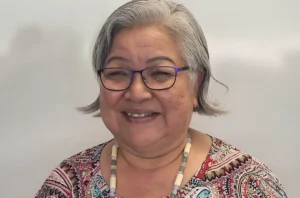
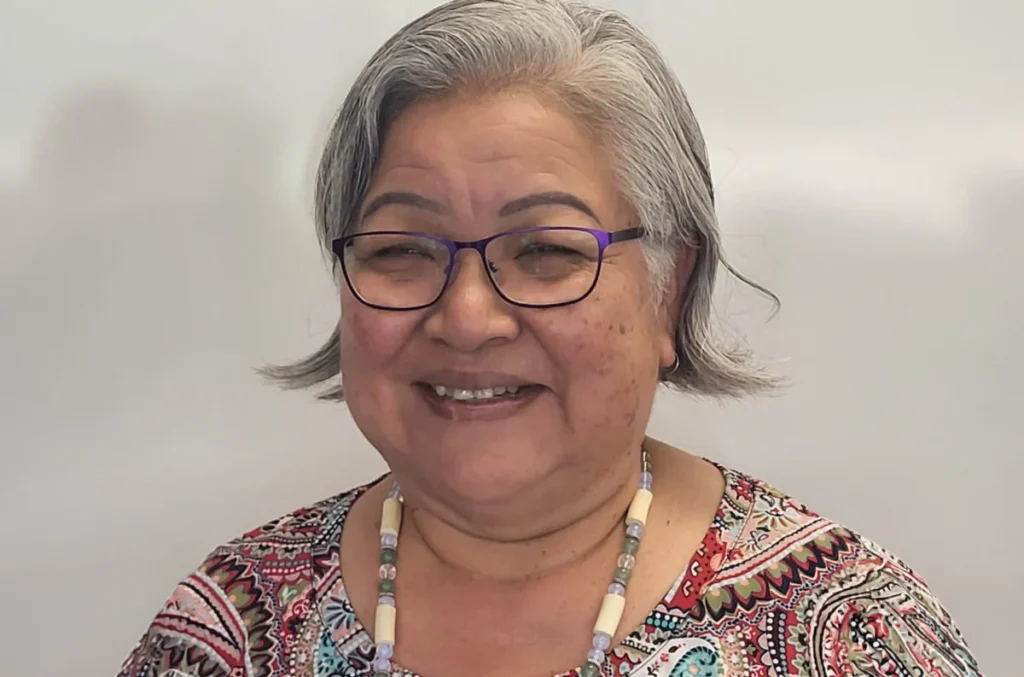
Satwinder Kaur Bains, a contributor to the series, notes that the shift must move from observation to participation. Her sentiment aligns with the broader goals of the TRC, which emphasizes that reconciliation is an ongoing process of action rather than a passive acknowledgement of past wrongs. By inviting faculty to discuss their personal journeys, the project moves the needle from abstract theory to tangible human connection.
Institutional Implications and Future Directions
The implications for Canadian post-secondary institutions are profound. Many universities are currently grappling with how to implement the TRC’s 94 Calls to Action. While many institutions have focused on policy updates and curriculum reviews, the Leq’á:leq’el project suggests that the "human" element of reconciliation remains the most potent.
The feedback from viewers of the series has been largely positive, with many reporting a newfound interest in incorporating Indigenous protocols—such as land acknowledgments—into their own teaching practices, sometimes even translating these acknowledgments into their heart languages. This highlights a desire among staff and students to engage with reconciliation in ways that feel authentic to their own cultural backgrounds.
Furthermore, the project highlights the prevalence of “English-only” fatigue in academia. As the global academic community becomes more interconnected, the dominance of English can serve to homogenize thought. The project asserts that multilingual storytelling does not distract from the specific, local work of reconciliation with the Stó:lō people; rather, it deepens that work by ensuring that more people—regardless of their origin—can find a personal, emotional entry point into the conversation.
Cultivating One Mind, One Heart
The Stó:lō philosophy of léts’e mó:t, or “one mind, one heart,” serves as the guiding ethical framework for this work. It does not demand intellectual conformity or the erasure of individual cultural identities. Instead, it invites a shared commitment to respectful action and mutual understanding. This philosophy provides a robust alternative to the often-adversarial nature of contemporary political discourse regarding decolonization.
For institutions looking to replicate this model, the lessons are clear:
- Prioritize Relationship-Building: Reconciliation is a social act. Initiatives should prioritize the cultivation of genuine friendships and emotional connections over mere policy compliance.
- Validate Multiple Ways of Knowing: The inclusion of non-English languages is a radical act of validation that signals to diverse faculty and students that their entire selves—not just their professional, English-speaking personas—are welcome in the project of nation-building and healing.
- Embed in Practice: These resources are most effective when integrated into the classroom as tools for critical inquiry, prompting students to reflect on their own roles in the reconciliation process.
As the Leq’á:leq’el series continues to grow, it stands as a testament to the idea that the path to truth and reconciliation is not a monolithic highway but a complex, multifaceted journey. By honoring the breath of cultures and the depth of history carried in the heart languages of its participants, the University of the Fraser Valley is demonstrating that the most effective way to address the future is to listen closely to the stories of the present, told in the languages of the heart. The ongoing success of this initiative suggests that when we approach the work of reconciliation with "one mind and one heart," we create the conditions necessary for genuine, lasting transformation in the halls of higher learning.