


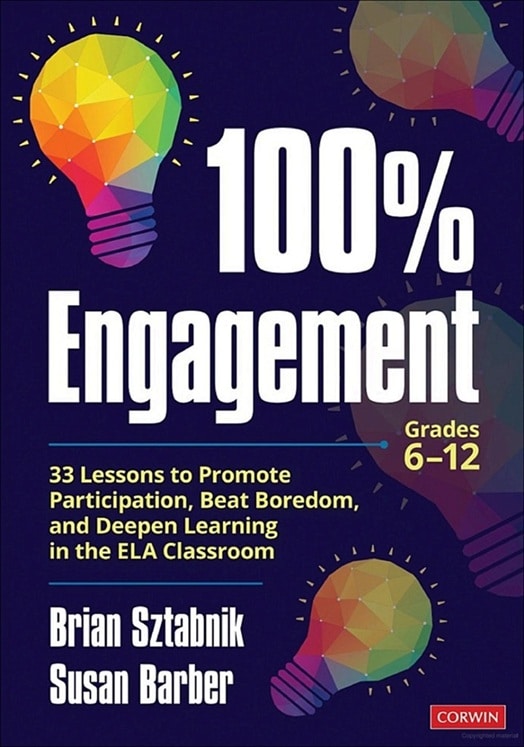
The landscape of English Language Arts (ELA) education is undergoing a profound transformation, driven by an urgent need to re-engage students with textual analysis in an increasingly digital and distraction-rich world. For decades, the core of ELA instruction has revolved around the reading and interpretation of diverse texts—from classic literature and poetry to contemporary articles and academic papers. While foundational, this text-centric approach, when delivered through traditional methods, often struggles to capture the attention and intrinsic motivation of modern students, leading to disengagement, superficial understanding, and a missed opportunity for deep learning. This challenge is precisely what veteran high school English teachers Brian Sztabnik and Susan Barber set out to address with their recently published work, 100% Engagement: 33 Lessons to Promote Participation, Beat Boredom, and Deepen Learning in the ELA Classroom. Their book, born from a decade of online collaboration and community building with fellow educators, presents a suite of innovative, low-tech strategies designed to revitalize student interaction with course material and cultivate a more dynamic classroom environment.
The Enduring Challenge of Student Engagement in ELA
Student disengagement in ELA classrooms is a persistent concern for educators globally. While reading comprehension and analytical skills remain paramount for academic success and informed citizenship, studies consistently highlight a decline in voluntary reading among adolescents and a struggle to connect with complex literary texts. A 2018 report by the National Assessment of Educational Progress (NAEP) indicated that only 37% of 12th graders scored at or above proficient in reading, underscoring a significant national challenge. Furthermore, anecdotal evidence from teachers points to a classroom environment where students, accustomed to instant gratification and multimedia content, often perceive traditional text analysis as "dry" or "boring." This can lead to passive learning, minimal participation, and a failure to develop the critical thinking and communication skills essential for navigating the complexities of the 21st century.

The traditional model, often characterized by silent reading, teacher-led lectures, and individual written responses, while valuable in its place, can inadvertently alienate students who thrive on interaction, movement, and collaborative problem-solving. Educators are increasingly pressured to find creative methodologies that bridge this gap, transforming passive consumption into active construction of knowledge. Sztabnik and Barber, keenly aware of these pressures through their extensive interactions with the ELA teaching community, recognized a widespread need for practical, actionable strategies that could be easily integrated into daily lesson plans without requiring significant technological infrastructure or specialized training.
A Decade of Collaboration: The Genesis of 100% Engagement
Brian Sztabnik and Susan Barber are not newcomers to the educational innovation space. Both seasoned high school English teachers, they have spent the last ten years fostering a vibrant online community for ELA educators. Their platform, "Much Ado About Teaching," has served as a hub for sharing insights, discussing pedagogical challenges, and curating effective classroom practices. Through social media chats, blog posts, and webinars, they observed a recurring theme: many ELA teachers grappled with how to design lessons that genuinely captivated their students and fostered deep engagement with literary and informational texts.
This sustained engagement with the teaching community provided Sztabnik and Barber with a unique perspective on the most pressing needs and the most successful, albeit often localized, solutions. They began systematically collecting and refining strategies that not only stimulated student participation but also deepened learning outcomes. This meticulous curation process culminated in 100% Engagement, a compendium of 33 practical lessons designed to combat boredom and promote active learning. The book represents a distilled wisdom drawn from collective experience, offering teachers concrete tools to transform their classrooms into dynamic learning spaces. Its publication earlier this year has been met with enthusiasm, highlighting the widespread demand for such accessible and effective pedagogical resources.
Transforming Textual Analysis: Three Key Strategies
The authors shared three standout lesson ideas from their book during a recent interview, each characterized by its innovative approach, minimal technical requirements, and demonstrable ability to get students actively involved with course material. These strategies exemplify the book’s core philosophy: learning should be an active, often physical, and always engaging process.
1. Cutting Up Poems: Deconstructing and Reconstructing Meaning
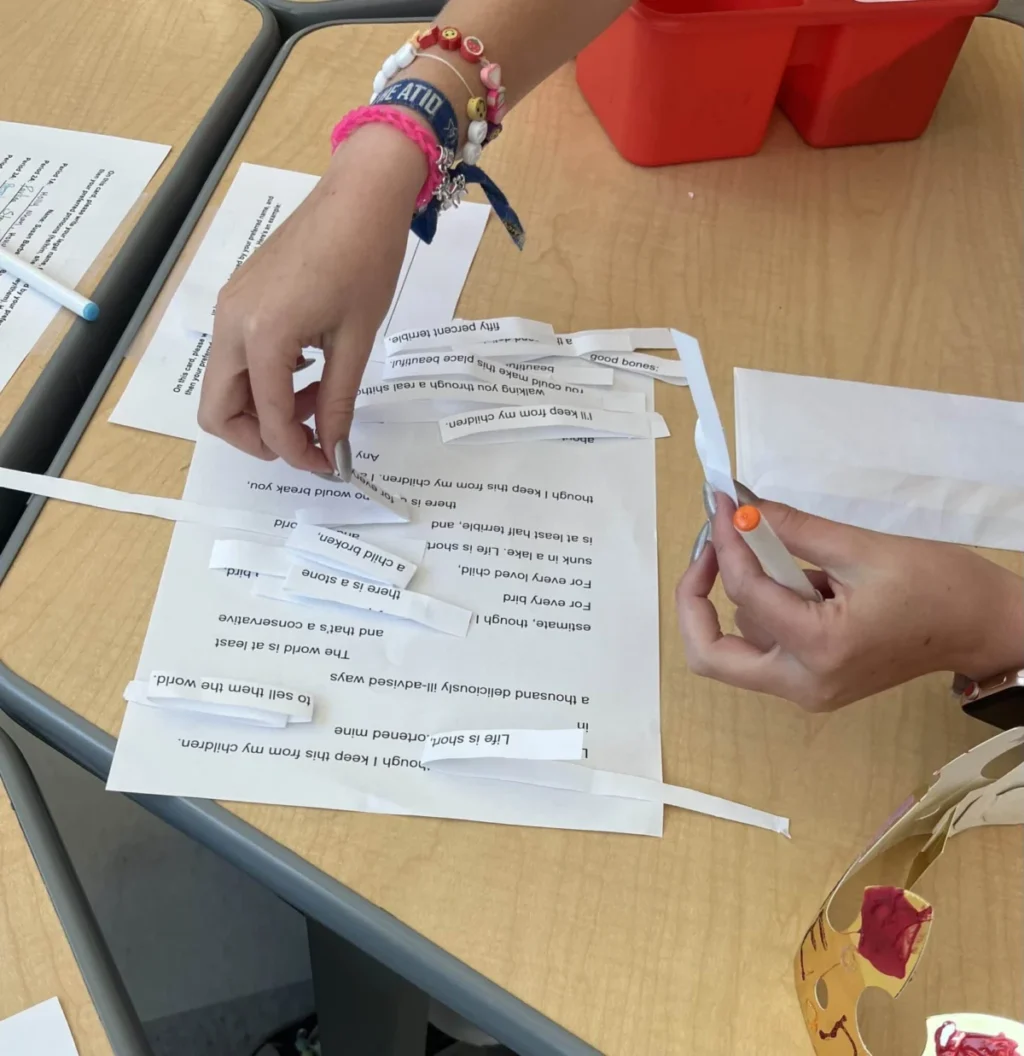
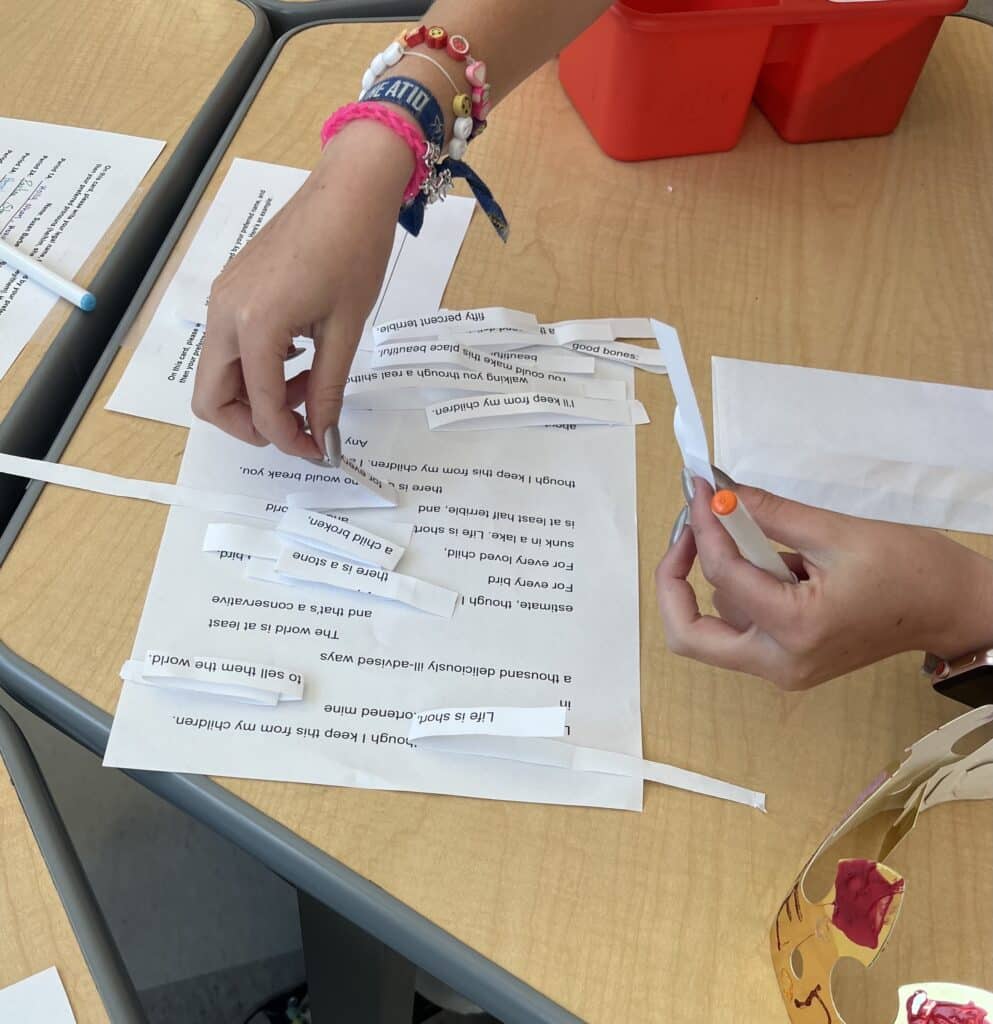
One of the most inventive strategies presented is "Cutting Up Poems," a hands-on activity that forces students into a rigorous close reading of poetic texts. In this lesson, a poem is meticulously dissected into individual words, phrases, or lines, which are then provided to students on separate paper strips. The students’ task is to reconstruct the poem, arranging the strips into what they believe is the original order. Following their reconstruction, they annotate their version, explaining their choices, and then compare it to the actual original poem.
Susan Barber elucidates the power of this "teacher trick," noting, "It’s forcing the students to do a close reading of the poem. If I would have passed out this poem and said, I want you to do a close reading, their eyes would be glazed over." The kinesthetic and problem-solving nature of the activity compels students to engage with the text on a granular level. They must consider punctuation, capitalization, syntax, and semantic flow. Questions arise naturally: "Does this make sense if it goes here? Well, this is a capital letter, so it may not go in the middle of those sentences, or this is a comma here, that may not fit right there." This process, far from being a simple puzzle, becomes an intensive analytical exercise. Students are already thinking critically about the poem’s structure and meaning, fostering rich discussions as they defend their organizational choices. The activity not only enhances understanding of poetic form and language but also builds essential analytical reasoning skills in a highly engaging manner. It bypasses the common intimidation associated with formal literary analysis, inviting students to play with the text before formally dissecting it.
2. Inferential Timeline: Mapping Narrative and Uncovering Significance
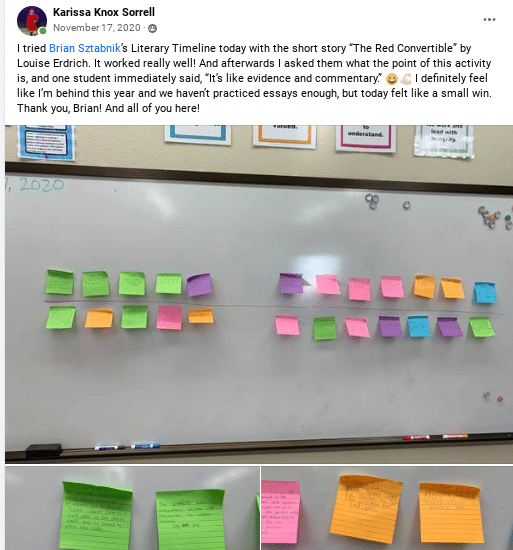
The "Inferential Timeline" strategy is designed to deepen students’ comprehension of narrative progression and their ability to draw conclusions from textual evidence within longer works, such as novels. For a designated section of a novel, each student is assigned a few pages and provided with an index card or post-it note. On this card, the student is tasked with identifying the single most important event or development within their assigned pages, summarizing it concisely, and providing a direct quote from the text that illustrates this point. These cards form the top tier of a two-tiered timeline displayed prominently in the classroom.
Brian Sztabnik explains the initial objective: "What I’m really asking is to summarize the plot and boil it down to one or two sentences. So this is all about decision-making and cutting out the extraneous details and just focusing on what’s really important." This initial phase sharpens summarization skills and teaches students to discern central themes, character development, escalating conflict, or emergent symbolism.
The second tier of the timeline elevates the cognitive demand. Once the top row of cards is complete, students select another student’s card from the wall and create a new card to place underneath it. On this new card, they must explain why that specific moment is significant in the broader context of the narrative. Sztabnik highlights the collaborative and analytical depth of this stage: "It’s collaborative without being collaborative physically. It’s collaborative mentally: They have to look at their classmate’s card, determine what happened, and make an inference about why that event was so important in the grand scheme of those chapters. So here’s where we’re getting to the higher level thinking – we can understand the plot; now we need to draw conclusions." The lesson culminates in a "gallery walk," where students move along the completed timeline, taking notes on their classmates’ inferences. This encourages peer learning, exposure to diverse interpretations, and a consolidated understanding of the narrative’s key developments and underlying meanings. The strategy effectively moves students from plot recall to sophisticated inferential reasoning.
3. Text Rendering: Precision in Interpretation
"Text Rendering" is a powerful strategy aimed at refining students’ ability to extract precise meaning from complex passages and articulate their interpretive choices. The lesson begins with a selected passage of text. Students are then guided through a hierarchical process of distillation: first, they identify the single most important sentence or line within the passage. Next, from that chosen sentence, they select the most crucial phrase or clause. Finally, from that phrase, they pinpoint the single most important word.
This structured narrowing of focus addresses a common challenge identified by Susan Barber: "I have trouble every year getting students to narrow their focus when they’re making meaning from the text. They talk in these really big, general ideas, and I would be like, Where did this come from? And they’re like, You know, it’s just there. It has to come from someplace specific in the text. I had to find some activity to get them to take the big ideas to the small."
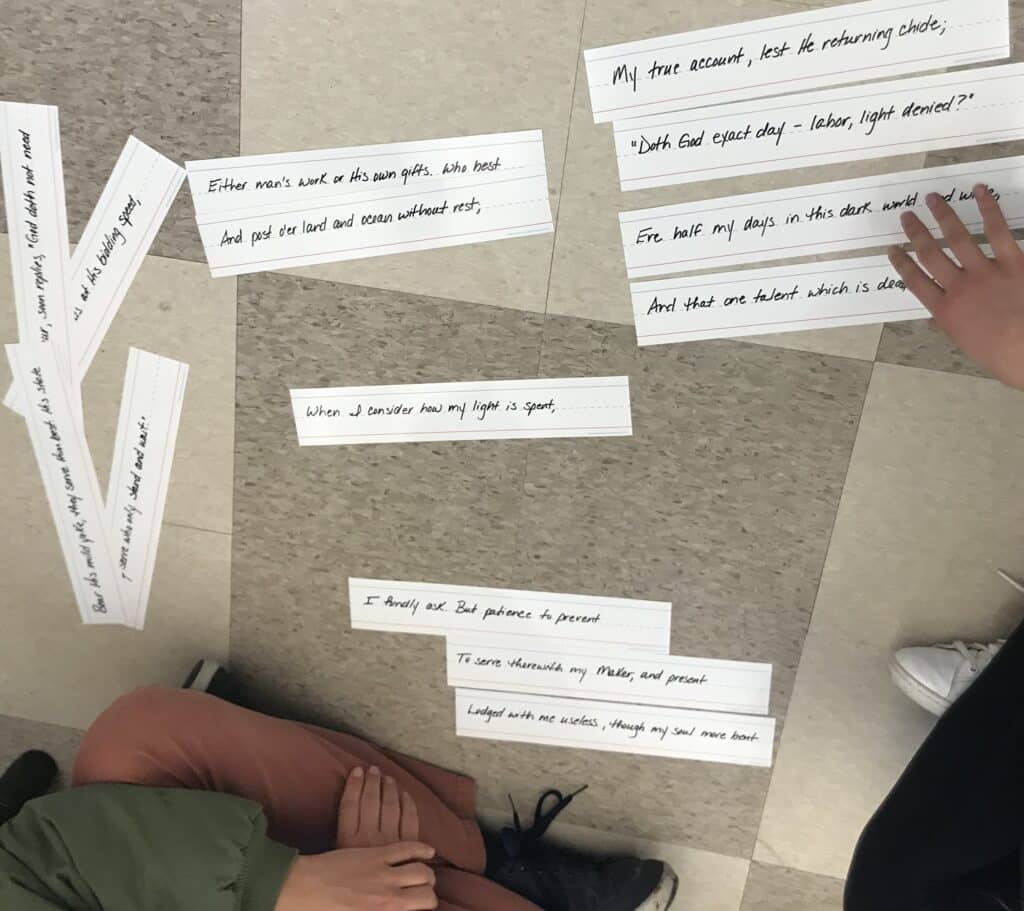
After making their selections, students defend their choices to their classmates, articulating the rationale behind their prioritization. This discussion phase is critical, as it requires students to cite textual evidence, analyze word choice, and justify their interpretations, fostering a deeper engagement with the nuances of language. Finally, small groups collaborate to synthesize their individual findings and draw broader conclusions about the passage’s overall meaning and significance. This strategy not only sharpens students’ ability to identify central ideas and supporting details but also cultivates precision in analysis and the confidence to articulate complex textual interpretations. It teaches them to anchor their "big ideas" firmly in the "small" details of the text.
Broader Implications for Modern Education
The strategies championed by Sztabnik and Barber reflect a broader pedagogical shift towards active, student-centered learning that prioritizes doing over passive reception. In an era where information is abundant but critical discernment is scarce, teaching students how to engage deeply with texts, rather than simply what to read, becomes paramount. These low-tech, movement-oriented approaches counter the sedentary nature often associated with academic work and leverage the power of collaborative learning. By encouraging students to get out of their seats, manipulate physical materials, and engage in peer-to-peer discussion, these strategies tap into different learning modalities, catering to a wider range of student needs and preferences.
The emphasis on accessible, low-tech solutions is particularly noteworthy. In many educational settings, reliance on digital tools can create inequities or introduce technical barriers. Sztabnik and Barber’s methods demonstrate that profound engagement does not require expensive gadgets but rather thoughtful instructional design and a willingness to rethink traditional classroom dynamics. This approach underscores the enduring power of simple, tangible interactions in fostering cognitive development and intellectual curiosity.
Furthermore, the genesis of 100% Engagement itself highlights the critical role of professional learning communities in disseminating best practices. The "Much Ado About Teaching" blog and the dedicated "100% Engagement" Facebook group serve as vital platforms for educators to share experiences, troubleshoot challenges, and collectively refine their craft. This collaborative spirit among teachers is essential for continuous improvement and for ensuring that innovative strategies reach the classrooms where they are most needed.
Conclusion: Reinvigorating ELA Instruction
Brian Sztabnik and Susan Barber’s 100% Engagement is more than just a collection of lesson plans; it is a manifesto for revitalizing ELA instruction by placing student participation and deep learning at its core. By offering practical, research-informed strategies like "Cutting Up Poems," "Inferential Timeline," and "Text Rendering," they provide educators with the tools to transform potentially dry textual analysis into dynamic, interactive, and profoundly meaningful learning experiences. The book and the community it fosters underscore an optimistic vision for ELA education, one where students are not merely recipients of information but active constructors of knowledge, equipped with the critical skills necessary to navigate and interpret the complex textual world around them. As educators continue to seek effective ways to bridge the gap between traditional content and modern student needs, resources like 100% Engagement offer a clear, actionable path forward.
Resources for Educators:
- Listen to the interview with Brian Sztabnik and Susan Barber: A full transcript is available here.
- The Book: 100% Engagement: 33 Lessons to Promote Participation, Beat Boredom, and Deepen Learning in the ELA Classroom can be found on Bookshop.org.
- Online Community: Join the "100% Engagement" Facebook group at https://www.facebook.com/groups/996874632246518/ to collaborate with other teachers.
- Blog: Explore further insights and resources at Sztabnik and Barber’s blog, Much Ado About Teaching.