



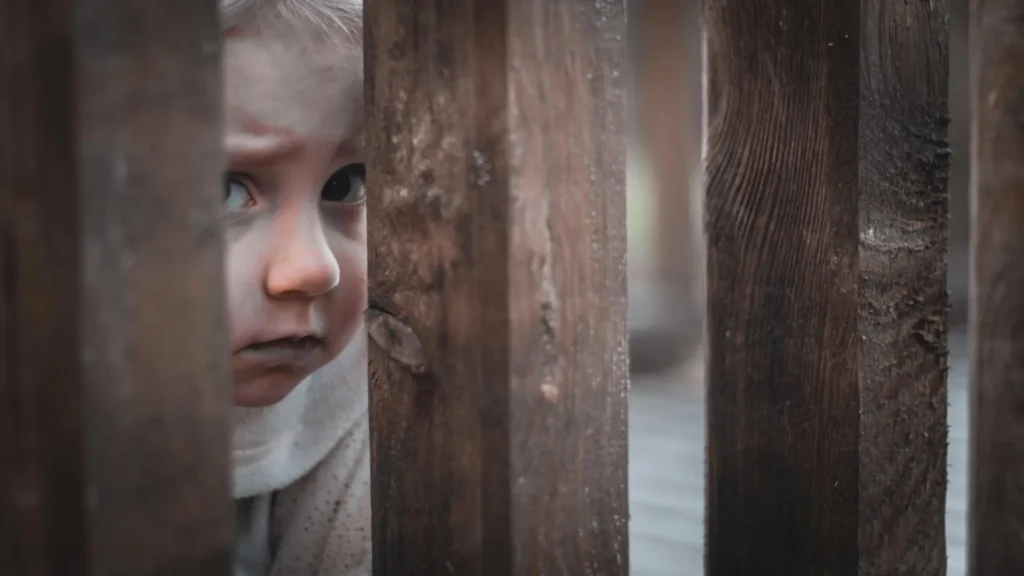
The pervasive weight of childhood criticism often manifests in adulthood as a paralyzing fear of failure, a psychological barrier that can stifle personal growth and professional ambition. A groundbreaking clinical study conducted by researchers at SWPS University and the Nencki Institute of Experimental Biology has shed new light on how imagery-based psychotherapeutic techniques can effectively dismantle these deeply ingrained emotional patterns. By focusing on the malleability of human memory, the study—published in the journal Frontiers in Psychology—suggests that the long-term emotional damage caused by early-life neglect or harsh parental scrutiny is not necessarily permanent.
The research, which involved a rigorous randomized, controlled clinical trial, offers a compelling framework for understanding how the brain processes past trauma. By utilizing specific visualization techniques, patients are now able to reframe their most painful memories, effectively reducing the physiological and psychological distress that has historically been considered fixed.
The Developmental Roots of Fear of Failure
Developmental psychologists have long understood that the quality of early caregiver-child interactions provides the scaffolding for adult emotional regulation. When a child is subjected to constant criticism, or when mistakes are met with severe emotional withdrawal or anger, the child often internalizes a core belief: that their value is contingent upon perfection. This phenomenon, frequently categorized as "conditional self-worth," becomes the primary engine behind an adult’s fear of failure.
In many instances, these individuals grow up with a heightened sensitivity to feedback. Even minor professional critiques or personal setbacks can trigger an autonomic nervous system response that mimics the original childhood trauma. This chronic state of hyper-arousal, rooted in the past, inhibits executive function, fosters perfectionism, and in many cases, leads to avoidant behaviors that prevent individuals from pursuing their goals.
Clinical Methodology and Study Parameters
To investigate whether these emotional pathways could be altered, the research team, led by experts from the Laboratory of Affective Neuroscience at SWPS University and the Laboratory of Brain Imaging at the Nencki Institute of Experimental Biology, recruited 180 participants between the ages of 18 and 35. Each participant reported experiencing significant fear of failure linked to childhood criticism.
The study spanned a two-week intensive intervention period, consisting of four distinct therapy sessions. The participants were divided into three groups, each tasked with a different cognitive approach to memory processing:
- The Imagery Exposure (IE) group: Participants were tasked with recalling and re-experiencing the distressing memories without any intervention, acting as an active control group to measure the baseline effect of memory recall.
- The Imagery Rescripting (ImRs) group: These participants were guided to visualize a "defender"—often a therapist or an idealized version of themselves—entering the memory to confront the source of criticism and provide the support the child was originally denied.
- The Imagery Rescripting with a Delay-Specific Re-consolidation (ImRs-DSR) group: This cohort followed the same rescripting process as the second group but incorporated a 10-minute delay, a technique intended to interfere with the memory trace and enhance the consolidation of the new, corrected narrative.
Throughout the study, researchers utilized a multifaceted data collection strategy. This included subjective self-reporting through clinical interviews, standardized psychological questionnaires, and objective physiological monitoring to track heart rate, skin conductance, and other biomarkers of stress.
Chronology of Emotional Transformation
The results of the trial, monitored through follow-up assessments at the three-month and six-month marks, revealed a significant reduction in the intensity of negative emotions across all three imagery-based groups. However, the efficacy of the Imagery Rescripting (ImRs) techniques stood out, particularly in how they reshaped the physiological response to trauma.
Prior to the intervention, participants showed acute stress reactions—such as elevated heart rate and cortisol-like physical manifestations—when recounting their childhood experiences. Following the sessions, these physiological responses markedly diminished. More importantly, this reduction was stable over the six-month follow-up period, indicating that the intervention had successfully altered the neural representation of the memory.
The Role of Prediction Error and Surprise
Perhaps the most compelling finding of the study lies in the mechanism of "prediction error." According to cognitive scientists Stanisław Karkosz and his colleagues, the human brain is a predictive engine. When we recall a memory, we expect it to unfold exactly as it did in the past. Imagery Rescripting, however, introduces a deliberate "mismatch"—the presence of a defender or the act of standing up to a critic.
This unexpected change creates a state of cognitive surprise. This discrepancy between the expected painful outcome and the new, supportive reality appears to be the catalyst for "memory re-consolidation." During this window of plasticity, the original memory trace is destabilized and then rewritten with the new, safer narrative. By "surprising" the brain, the therapist creates a gap in the established neural pathway, allowing the patient to replace a legacy of shame with a new foundation of agency.
Implications for Modern Psychotherapy
The findings published by the SWPS University team have significant implications for the future of clinical practice. The data suggests that we may be entering an era where trauma is no longer managed through mere "coping," but through the active restructuring of the internal narrative.
For practitioners, these results validate the use of guided imagery not just as a relaxation tool, but as a robust clinical intervention for complex emotional issues. By shifting the focus from the historical event itself to the emotional meaning attributed to that event, therapists can provide patients with the tools to resolve long-standing insecurities.
"We have shown that it is possible to reduce the intensity of negative emotions and arousal associated with memories of childhood criticism," says Julia Bączek, a co-author of the study. Her sentiment reflects a growing consensus in the field of affective neuroscience: that the brain is not a static organ, and the past, while immutable in fact, is highly malleable in memory.
Broader Societal and Psychological Impact
The societal impact of this research is substantial. Fear of failure is a silent driver of burnout, workplace anxiety, and various depressive disorders. If individuals can be equipped with techniques to process the "ghosts" of their childhood criticism in just four sessions, the economic and personal costs of these mental health struggles could be significantly reduced.
Furthermore, the study highlights the importance of the therapeutic relationship as a proxy for healthy attachment. By imagining a protector or defender, the patient experiences a form of "re-parenting." This process does not erase the reality of the past but provides the emotional resources necessary to ensure that the past no longer dictates the future.
Looking Toward Future Research
While the initial results are promising, the research team acknowledges the need for further exploration. Future studies might investigate whether these techniques are equally effective across different demographics, particularly in older populations or those with more severe forms of trauma, such as physical or sexual abuse. Additionally, longitudinal studies extending beyond the six-month mark could clarify whether "refresher" sessions are necessary to maintain the therapeutic gains over several years.
Nevertheless, the work conducted at SWPS University and the Nencki Institute represents a pivotal step forward in cognitive science. By integrating the mechanics of memory re-consolidation with the practical application of imagery-based therapy, scientists have provided a roadmap for those trapped by their own history. It is a reminder that while we cannot change our childhoods, we are not necessarily condemned to carry the emotional scars of our past as permanent fixtures of our identity. Through the deliberate, guided use of imagination, the mind can find new ways to heal, creating a future that is not defined by the limitations of the past.







