


Nature is frequently romanticized through the lens of tranquil landscapes, gentle herbivores, and harmonious ecosystems. However, beneath the veneer of serene documentaries lies a relentless, high-stakes arena of survival characterized by apex predators, opportunistic feeding behaviors, and the unyielding realities of the food chain. This raw, unfiltered side of the natural world is the focal point of a new publication titled Nature is Metal: It’s A Life-Eats-Life World, authored by Ettore R. Paolucci and Hans Aschim. Published by Workman, an imprint of Hachette Book Group, the book compiles vivid photographic evidence and detailed physiological descriptions of 75 plants, animals, and natural phenomena that demonstrate the uncompromising mechanics of evolution and predation.
The release of this volume marks a significant milestone in the evolution of wildlife documentation, bridging the gap between digital viral culture and traditional publishing. By examining the physical adaptations, hunting mechanisms, and survival strategies of Earth’s most formidable organisms, the book provides a comprehensive look at the biological necessity of predation.
Main Facts of the Publication and Its Subjects
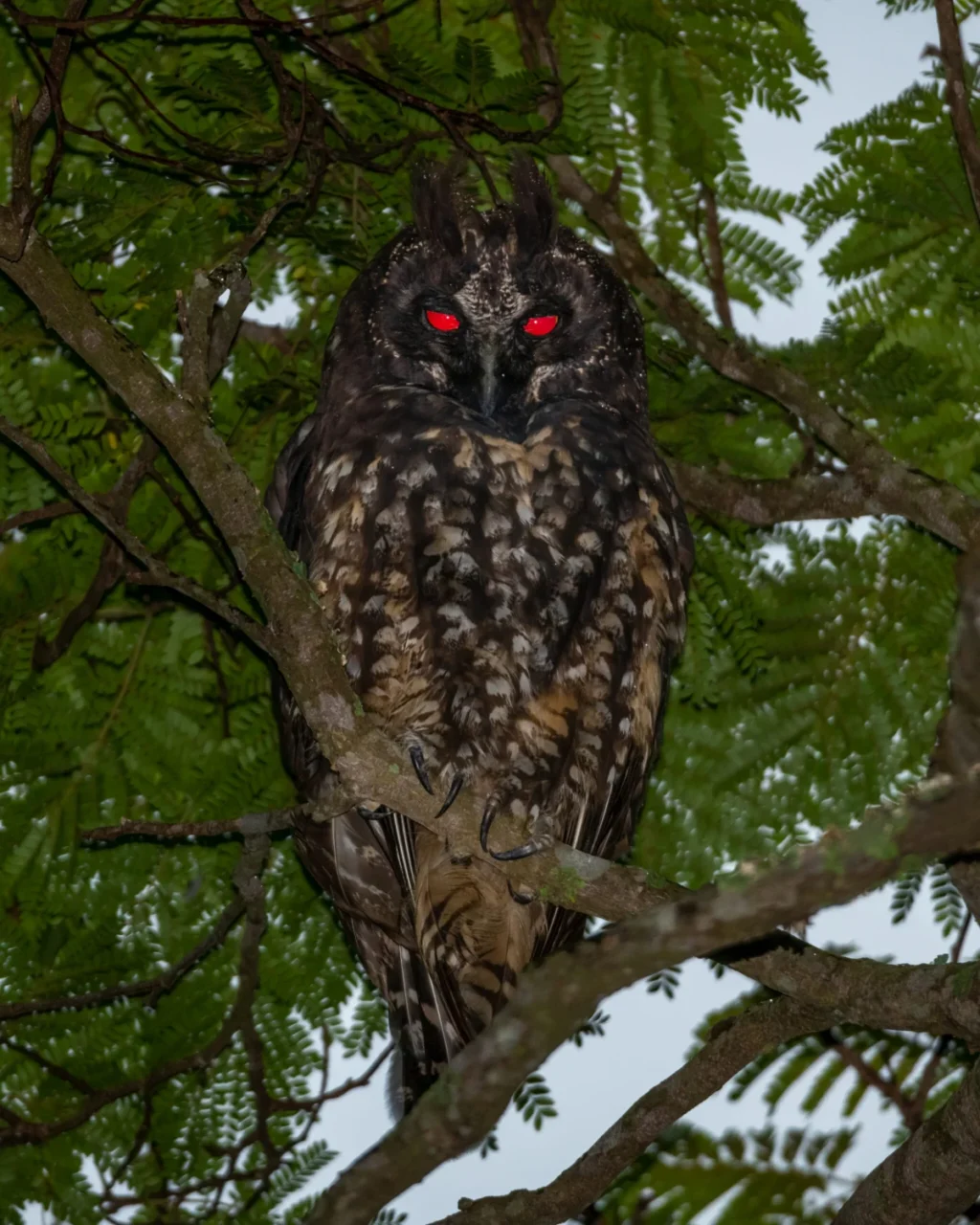
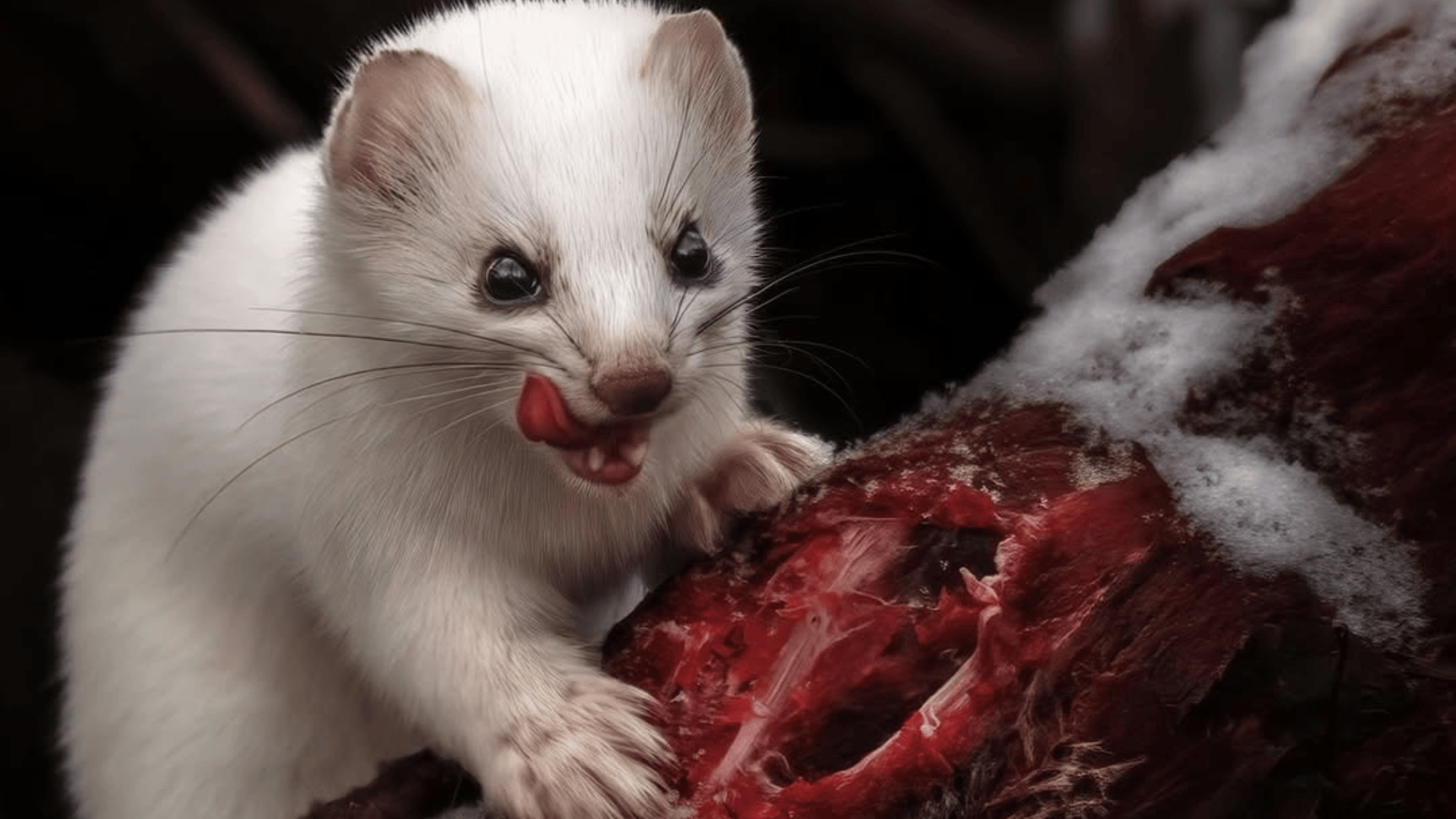
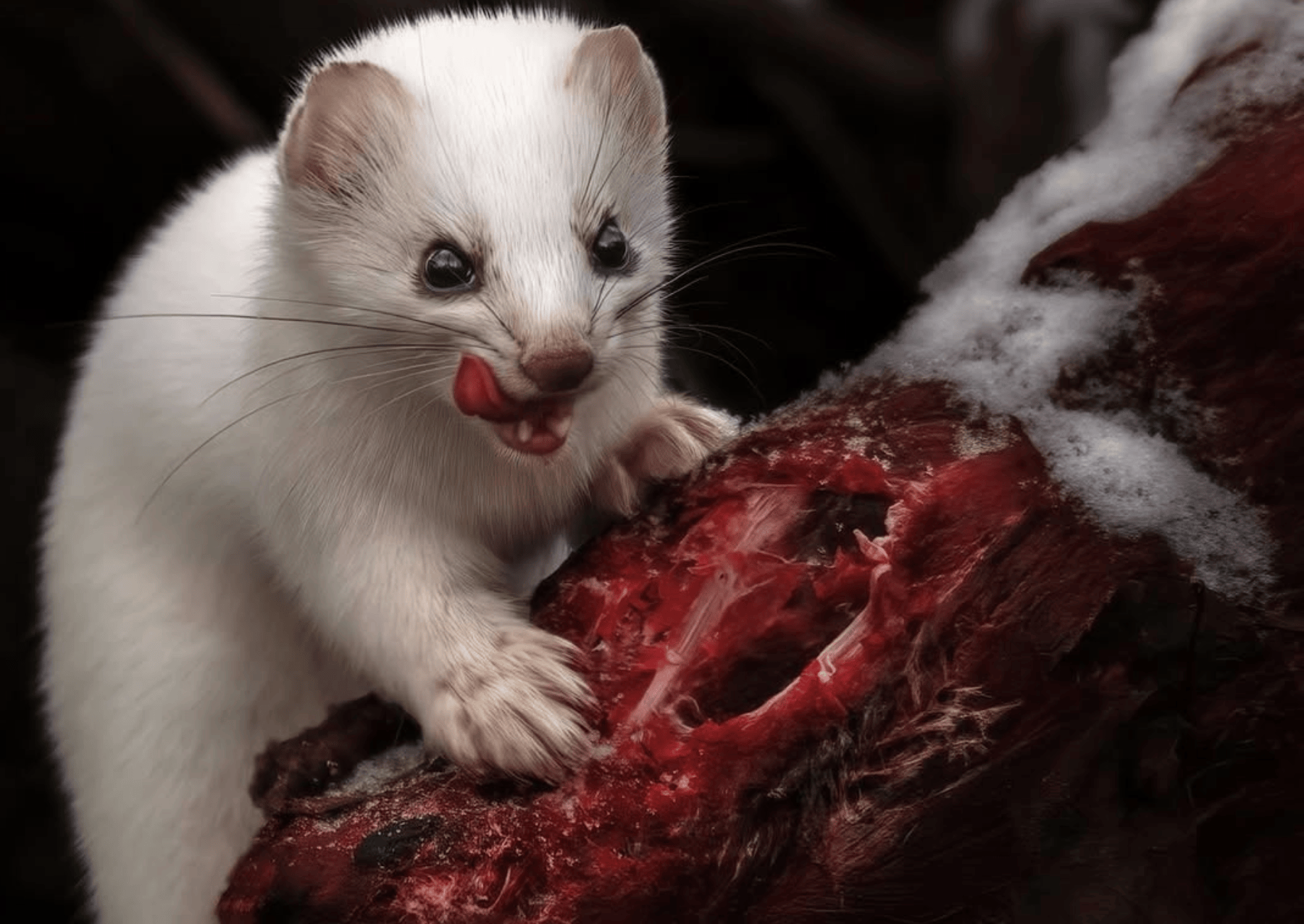
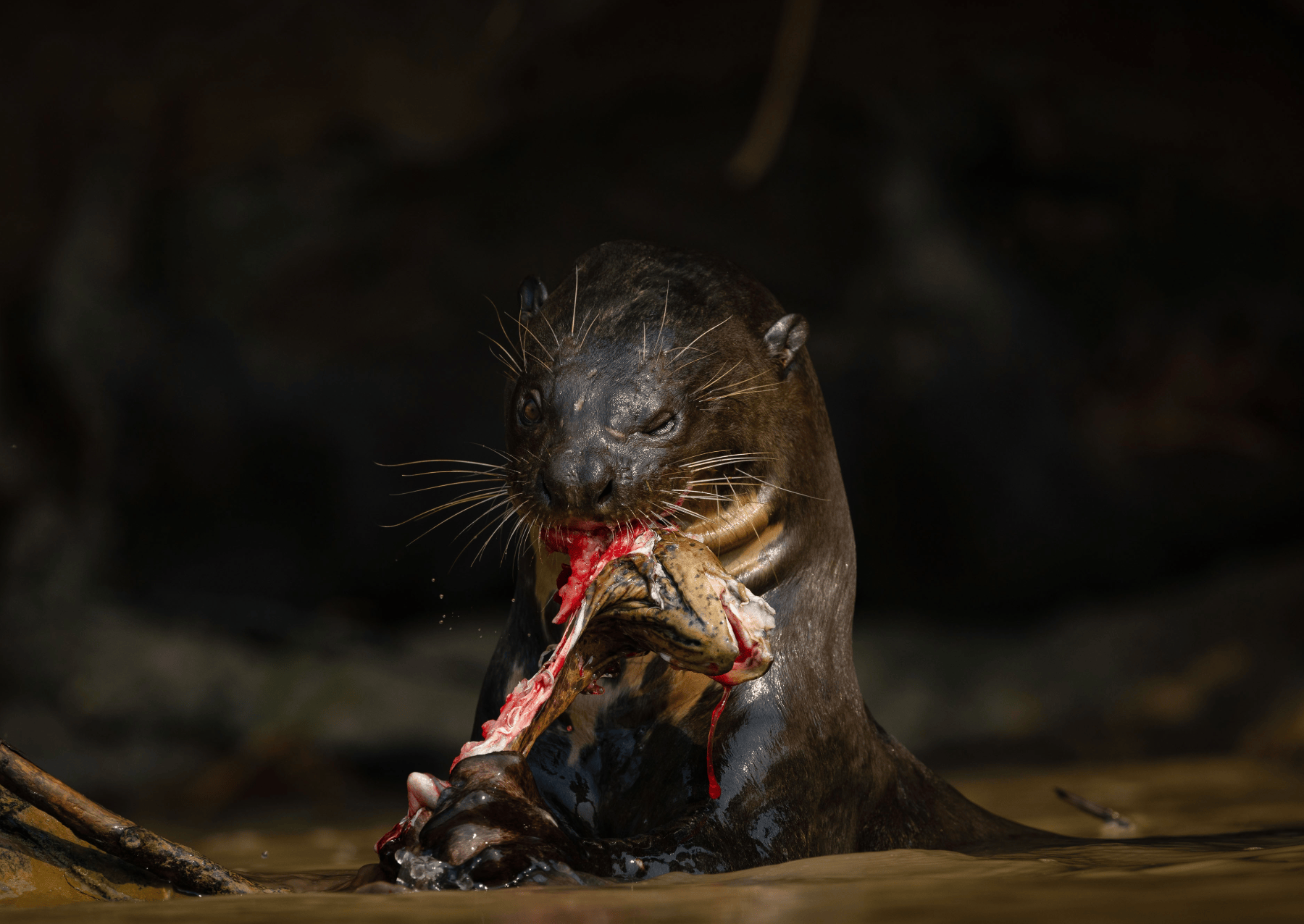
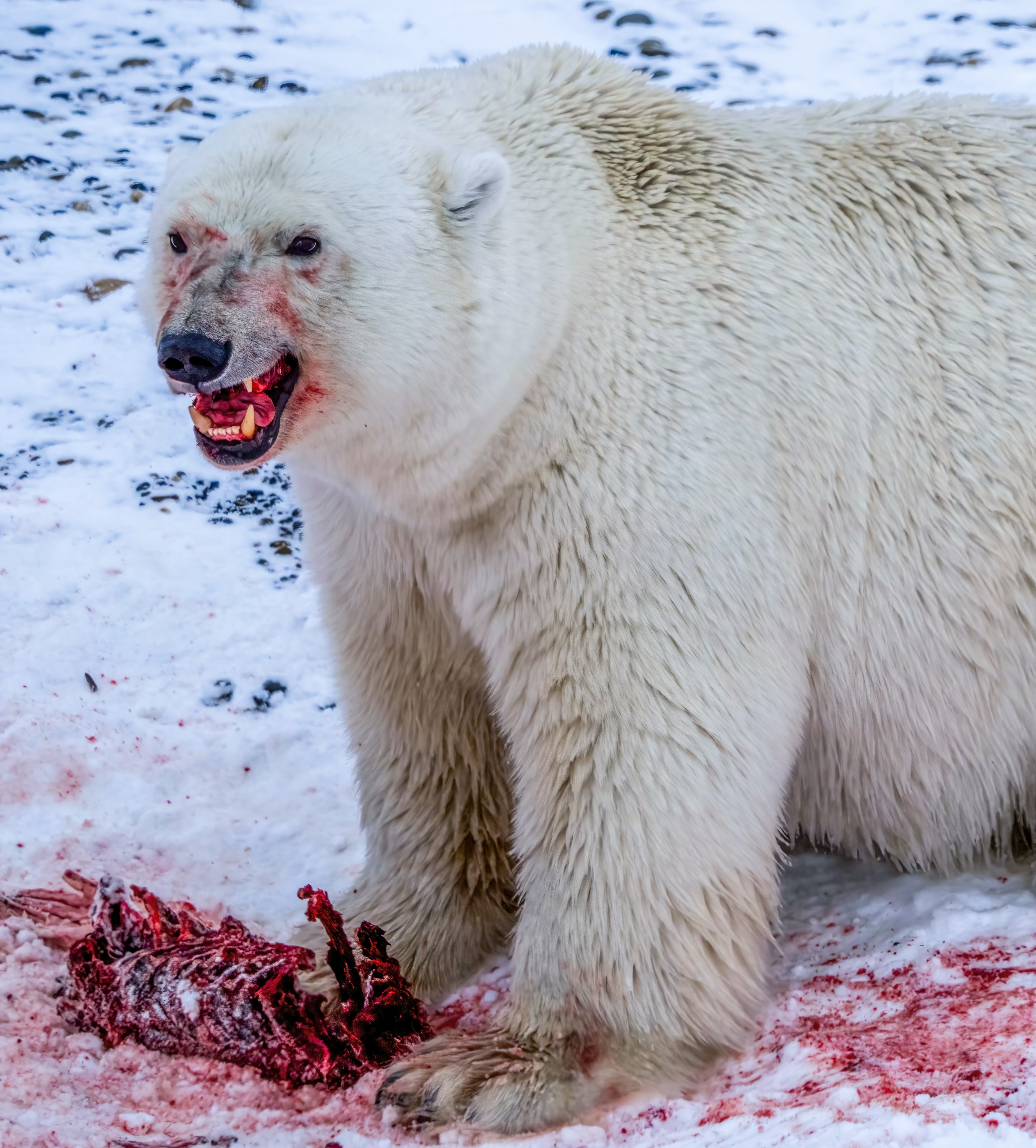
Nature is Metal features 75 distinct profiles of organisms and phenomena renowned for their extreme survival tactics. The subjects range from familiar mammalian predators to specialized avian hunters and marine carnivores. Among the highlighted species are the stoat (Mustela erminea), the golden eagle (Aquila chrysaetos), the giant otter (Pteronura brasiliensis), the polar bear (Ursus maritimus), the leopard seal (Hydrurga leptonyx), the great blue heron (Ardea herodias), the stygian owl (Asio stygius), and the red-tailed hawk (Buteo jamaicensis).
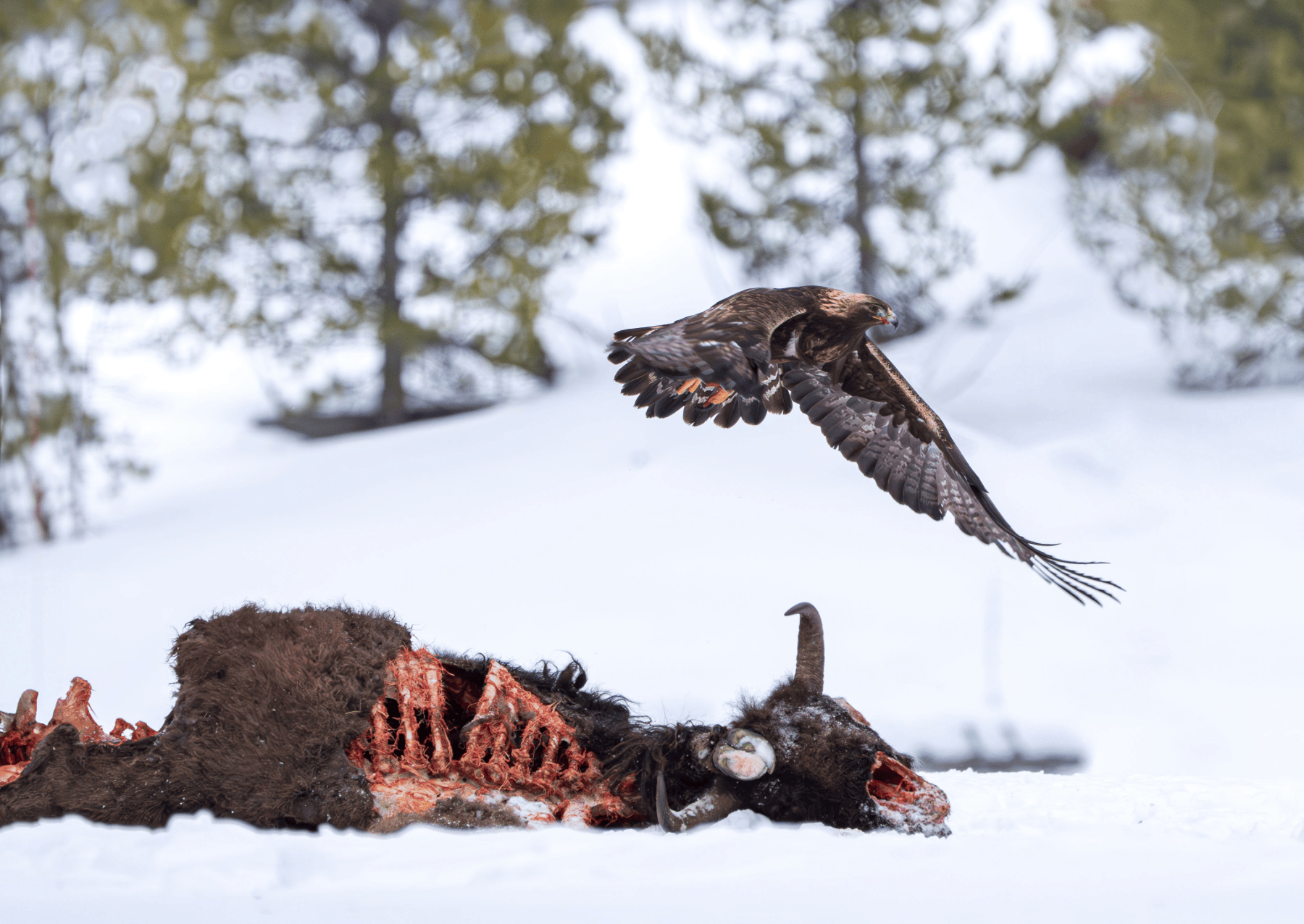
Each profile pairs full-color photography with detailed explanatory text regarding the animal’s ecological niche. For instance, the golden eagle is categorized as a hypercarnivore, relying on a diet consisting of at least 70 percent meat, often scavenging or hunting in harsh winter conditions where energy expenditure must be meticulously balanced against caloric intake. Similarly, the leopard seal, native to Antarctic waters, employs hunting strategies more commonly associated with pelagic sharks than with other pinnipeds, positioning itself as an undisputed apex predator in its marine environment.
Chronology and Origins of the Phenomenon
The trajectory leading to the publication of Nature is Metal began well before its official release date in October 2026. The project originates from the digital media brand of the same name, founded by Ettore R. Paolucci, widely known online as Rick.
- 2015–2018: The digital brand emerged as a viral phenomenon across social media platforms, capturing public interest by sharing unedited, authentic imagery of wildlife interactions that traditional nature programming often edited out for family-friendly viewing.
- 2019–2023: As the digital community expanded rapidly—surpassing 7.5 million subscribers on Instagram and over 1.23 million subscribers on YouTube—the demand for a curated, long-form medium became apparent. Paolucci collaborated with writer and creative director Hans Aschim to synthesize years of digital curation into a structured, educational format.
- October 2026: Hachette Book Group formally releases Nature is Metal: It’s A Life-Eats-Life World, translating the digital brand’s ethos into a physical volume designed for natural history enthusiasts and researchers alike.
Supporting Data and Biological Context
The ecological phenomena documented in the book are grounded in established wildlife biology and behavioral ecology. Predation and scavenging are fundamental drivers of ecosystem health, regulating prey populations and facilitating nutrient cycling.
- Stoat Metabolism: Stoats possess an elongated, slender body plan that requires a high metabolic rate. To survive, an individual stoat must consume significant amounts of food daily, often leading to opportunistic and frenzied killing behaviors beyond immediate caloric needs, a phenomenon known in biology as surplus killing.
- Resource Scarcity Adaptation: The inclusion of polar bears highlights the behavioral shifts induced by environmental stress. Under extreme food scarcity, polar bears have been documented engaging in intraspecific predation, including the consumption of cubs, illustrating how survival instincts override typical social structures when habitats are compromised.
- Avian Specialization: Birds of prey, such as the red-tailed hawk and the stygian owl (known regionally in Brazil as coruja-diabo or the "devil’s owl"), demonstrate specialized morphological adaptations. Their binocular vision, silent flight mechanisms, and specialized talons represent millions of years of evolutionary refinement directed entirely toward efficient capture and dispatch of prey.
Creator Perspectives and Collaborative Insights
The creation of Nature is Metal reflects a partnership between a self-taught digital storyteller and a professional writer rooted in outdoor environments. Ettore R. Paolucci built his platform on the premise that modern audiences appreciate transparency regarding the realities of ecosystems. By refusing to sanitize nature, his platform cultivated an audience that values biological accuracy over idealized portrayals.
Hans Aschim, based in Vancouver, British Columbia, brought narrative structure and editorial cohesion to the project. Drawing from his experiences with outdoor exploration in the Coast Mountains, Aschim’s contributions help contextualize the raw imagery within broader ecological principles, ensuring that the book functions as both a visual compendium and an educational resource.
Broader Impact and Scientific Implications
While the title and visual presentation lean into modern vernacular—adopting the descriptor "metal" to signify toughness, intensity, and uncompromising grit—the underlying implications of the work align closely with contemporary conservation science.
Ecologists frequently emphasize that public perception of wildlife heavily influences conservation policy. Historically, public sympathy has been disproportionately directed toward charismatic megafauna or idealized representations of harmless herbivores, sometimes leading to misguided management policies regarding predators. By normalizing the full spectrum of ecological interactions—including the visceral realities of death, competition, and survival—publications like Nature is Metal contribute to a more scientifically literate public. Understanding that apex predators and scavenging species are essential components of balanced ecosystems aids in fostering long-term support for biodiversity preservation and habitat protection.
Ultimately, the book serves as a reminder that ecosystems are complex, highly competitive networks where every organism occupies a specific, often demanding niche. Through its combination of striking photography and grounded biological context, Nature is Metal documents the evolutionary pressures that have shaped life on Earth for millennia.