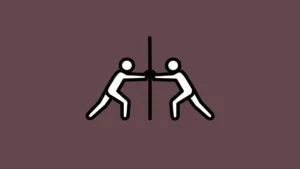




The landscape of modern K-12 education is currently defined by a high-stakes environment where instructional coaches and school administrators are under immense pressure to drive rapid pedagogical shifts. As school districts implement new curricula, standardized testing mandates, and behavioral frameworks, the frequency of "teacher pushback"—a phenomenon where educators resist top-down directives—has become a focal point of concern for school leadership. Elena Aguilar, a veteran consultant and author, posits in her latest work, How to Coach Resistance: Turning Pushback Into Possibility, that the traditional view of resistance as a stubborn character trait in teachers is not only inaccurate but counterproductive. Aguilar argues that resistance is an interpersonal dynamic, often exacerbated by the very coaches tasked with facilitating change.
The release of Aguilar’s ninth book coincides with a period of profound turbulence in the American teaching profession. According to recent data from the National Center for Education Statistics (NCES), teacher turnover rates have remained elevated in the post-pandemic era, with stress and a perceived lack of autonomy cited as primary drivers. When instructional leaders approach a teacher with a mandate for change, the resulting friction often leads to a cycle of defensiveness that halts professional development entirely. By shifting the narrative from "defiant teachers" to "relational dynamics," Aguilar suggests that coaches have the agency to recalibrate these interactions to foster genuine institutional growth.
The Anatomy of Professional Resistance
Historically, school leadership models have treated resistance as an obstacle to be overcome through mandates, compliance measures, or disciplinary warnings. However, contemporary research in adult learning theory indicates that such approaches frequently backfire, deepening the chasm between administration and classroom staff. Aguilar’s framework challenges the "force-on-force" model, where the coach exerts pressure to change a teacher’s practice, and the teacher exerts equal pressure to maintain the status quo.
The psychological underpinnings of this resistance are often rooted in fear—fear of failure, fear of losing professional identity, or fear of an increased workload without adequate resources. When a coach identifies this resistance, the standard response has often been to double down on the instructional requirement. Aguilar suggests that the most effective intervention is for the coach to "drop their hand," effectively de-escalating the power struggle. This is not an act of surrender but a strategic move toward curiosity. By pivoting to an inquiry-based approach—asking about the teacher’s concerns rather than reinforcing the directive—coaches can uncover the root causes of the friction. This shift transforms the coaching relationship from one of supervision to one of partnership.

The ACE Framework: Managing Emotional Labor in Coaching
A critical component of Aguilar’s approach is the ACE framework, designed to help coaches navigate the emotional terrain that frequently precedes pedagogical change. The framework consists of three pillars: Acknowledge emotions, Cultivate compassion, and Expand the story.
The acknowledgment of emotion is often the most neglected step in formal teacher observations. Because professional standards often emphasize technical skill over emotional intelligence, many leaders overlook the fact that a teacher’s resistance is frequently an emotional reaction to feeling overwhelmed or undervalued. Aguilar argues that by creating a safe space for teachers to name their anxieties—whether they are rooted in burnout, fear of judgment, or professional insecurity—coaches validate the teacher’s humanity. This validation is a prerequisite for any meaningful shift in classroom practice.
The second pillar, cultivating compassion, requires a dual-sided application. Coaches must encourage teachers to practice self-compassion, often by prompting them to reflect on how they would advise a colleague in a similar position. Simultaneously, the coach must model this compassion. If a coach approaches a meeting with an agenda of judgment or urgency, the teacher will likely detect that energy, causing them to close off. Only by first practicing self-compassion can a coach provide the necessary psychological safety for the teacher to explore new instructional methodologies.
Finally, expanding the story refers to the cognitive reframing of the situation. Teachers often operate under rigid narratives—such as the belief that their students are incapable of reaching certain benchmarks or that a particular curriculum is inherently flawed. Coaches can help by introducing alternative perspectives, thereby helping the teacher move from a "fixed" mindset to one that considers new possibilities for instruction.
Diagnostic Tools: The Gaps Framework
In many cases, what is labeled as "resistance" is actually a manifestation of an unmet professional need. Aguilar’s Gaps Framework provides a diagnostic tool to categorize the underlying issue, suggesting that "resistance" is rarely a simple refusal to comply. Instead, it often stems from a deficiency in one of six areas: skill, knowledge, capacity, will, emotional intelligence, or cultural competence.

Data-driven analysis often supports this distinction. For instance, when a teacher pushes back against a new literacy curriculum, leadership may assume a "will" gap—that the teacher is unwilling to adopt the new model. However, a closer investigation might reveal a "knowledge" gap, where the teacher lacks formal training in the specific reading pedagogy required by the new curriculum. By identifying the specific nature of the gap, coaches can provide targeted interventions—such as professional development, resource allocation, or mentorship—rather than resorting to punitive measures.
The impact of this diagnostic approach is significant. By treating the issue as an "area for growth" rather than a "deficit," the power dynamic in the coaching relationship changes. It moves the interaction from a corrective one to a supportive one, which is statistically more likely to result in sustained behavioral change.
The Necessity of Principled Resistance
While much of Aguilar’s work focuses on mitigating unproductive friction, she makes a vital distinction regarding "righteous resistance." Not all pushback is the result of fear or skill gaps; sometimes, teachers offer resistance because they recognize that a proposed policy or mandate is fundamentally flawed or harmful to student well-being.
In such instances, Aguilar asserts that resistance is not only appropriate but necessary for the health of a school system. When a teacher objects to a mandate that is developmentally inappropriate—such as long durations of sedentary, direct instruction for kindergarteners—the coach’s role should not be to enforce compliance. Instead, the coach should act as an advocate, helping the teacher navigate the system to voice their concerns effectively. This requires a level of courage and integrity from both the coach and the educator, as they may need to collectively challenge policies originating from higher-level district or state authorities.
Broader Implications for School Leadership
The implications of this approach extend beyond individual teacher-coach interactions. If school districts shift toward an inquiry-based model of leadership, the potential for systemic improvement is immense. The current culture of accountability often forces administrators into a "policing" role, which erodes trust. If leadership prioritizes the development of emotional intelligence and relational trust, the collaborative potential of a school staff can be unlocked.

Furthermore, this framework is increasingly relevant as the complexity of the classroom environment grows. With the rise of diverse student populations and the integration of advanced technology, teachers are facing unprecedented demands. The traditional hierarchical model of school management is struggling to keep pace with these challenges. Aguilar’s work suggests that the future of school leadership lies in the ability to facilitate, rather than dictate.
As districts look for ways to improve teacher retention and instructional quality, the shift toward a more nuanced understanding of professional resistance may provide a viable path forward. By treating the teacher as an active partner in the improvement process, schools can foster a culture where challenges are met with collaborative problem-solving. This approach does not eliminate the need for high standards or rigorous instruction; rather, it provides the relational and psychological infrastructure necessary for those standards to be met in a sustainable way.
In conclusion, the work of Elena Aguilar serves as a call to action for the educational leadership community. It challenges the status quo by reframing the teacher-coach relationship as a dynamic system. By embracing curiosity, utilizing structured diagnostic tools, and acknowledging the emotional labor involved in teaching, schools can transform the energy currently spent on conflict into a catalyst for student success. The transition from "managing resistance" to "coaching for possibility" is not merely a pedagogical preference; it is a critical necessity for the future of the teaching profession.