



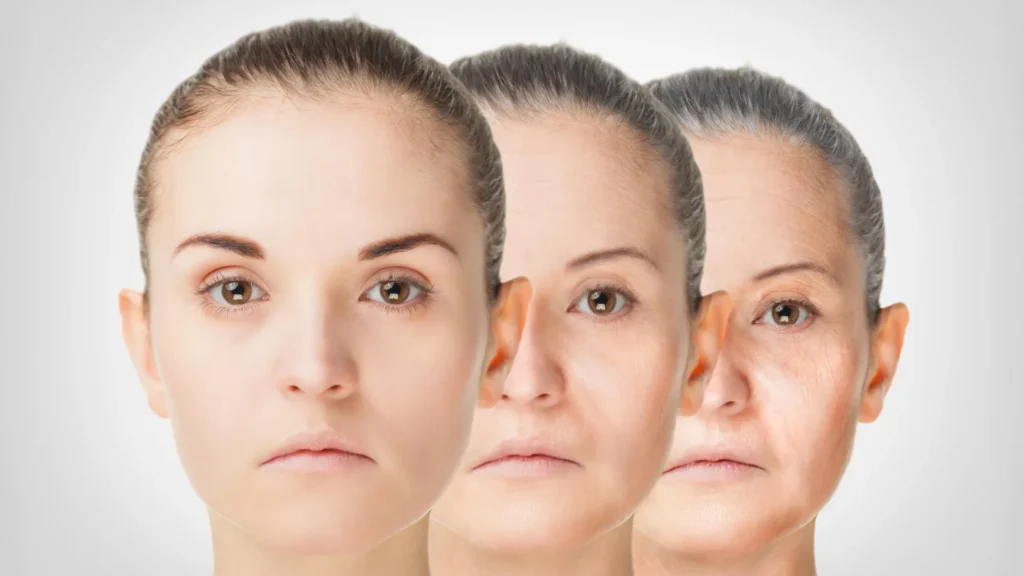
The quest to unlock the secrets of human longevity has traditionally focused on the peripheral mechanisms of aging—the gradual wear and tear of organ systems, the accumulation of cellular waste, and the decline of stem cell potency. However, a burgeoning body of research centered on the hypothalamus, a primitive yet potent region of the brain, suggests that the master clock of aging may reside within our cranial vault. Recent scientific breakthroughs, headlined by the discovery of the protein Menin, are fundamentally altering the discourse on how we perceive the transition from youth to old age, raising the prospect that the biological decline often accepted as inevitable may, in fact, be a malleable process.
The pivotal research, which first gained international attention in March 2023 with its publication in the journal PLOS Biology, was spearheaded by Dr. Lige Leng of Xiamen University. By investigating the hypothalamus—the command center for body temperature, hunger, circadian rhythms, and hormonal balance—Leng’s team identified a critical link between neuroinflammation and systemic deterioration. Their work revealed that the protein Menin, previously recognized for its tumor-suppressing capabilities, acts as a guardian of the hypothalamus. As Menin levels plummet during the aging process, the brain loses its ability to suppress inflammation, triggering a cascade of physiological decline that manifests as thinning skin, weakened bones, reduced metabolic efficiency, and cognitive impairment.
The Chronology of Discovery and Scientific Evolution
The identification of Menin as a "longevity protein" did not occur in a vacuum; it followed years of incremental progress in neuroscience. By 2023, the scientific community had begun to coalesce around the theory that the hypothalamus serves as a critical node in a larger systemic network. When Leng’s team observed that Menin levels selectively declined in hypothalamic neurons—but notably not in supporting cells like astrocytes—they hypothesized a causal rather than correlative relationship.
To test this, the researchers utilized genetically modified murine models. By selectively disabling Menin, they observed that the mice did not merely show markers of aging; they accelerated into a state of physical frailty. The subsequent experiment, in which Menin was artificially restored in the ventromedial hypothalamus of 20-month-old mice, yielded results that were described by observers as "striking." Within 30 days, the treated subjects exhibited systemic rejuvenation, including increased bone density and improved cognitive performance.
The timeline of discovery expanded significantly between 2024 and 2026. Following the initial Menin findings, researchers at the Washington University School of Medicine published data in 2024 demonstrating that distinct neural circuits linking the hypothalamus to fat tissue could be stimulated to extend lifespan. In 2025, a massive genomic study of 1.2 million mouse brain cells in Nature further mapped the "vulnerability zones" within the hypothalamus, confirming that the area surrounding the third ventricle is a epicenter for age-related gene dysregulation. By 2026, studies in the journal Cell introduced the role of Mimecan, a protein facilitating muscle-to-brain communication, further cementing the view that aging is a multi-systemic dialogue orchestrated by the brain.
The Mechanism of Menin and the D-Serine Clue
At the heart of the Menin discovery lies a nuanced biochemical pathway involving the amino acid D-serine. The researchers found that when Menin is abundant, it ensures the expression of the enzyme PHGDH, which is essential for the biosynthesis of D-serine. D-serine is not merely a structural protein component; it is a critical co-agonist for NMDA receptors, the "gatekeepers" of synaptic plasticity, learning, and memory.
When Menin levels decline, the production of D-serine falters, starving the hippocampus of the chemical signals required for long-term potentiation. The researchers demonstrated that supplementing the drinking water of aged mice with D-serine for just three weeks could partially restore cognitive function. However, this supplementation did not address the systemic physical markers of aging—such as bone density loss—that were corrected by restoring Menin directly. This discrepancy provides a vital insight: Menin functions as a "master regulator" that influences multiple downstream pathways, whereas D-serine is a specific mediator of cognitive health.
Implications and the Cautionary Gap in Human Application
While the potential for therapeutic intervention is high, the medical community remains measured. The transition from murine models to human clinical trials is fraught with biological complexity. Previous attempts to use D-serine in humans have produced mixed results. A 2016 clinical trial involving 50 healthy older adults showed improvements in spatial learning, but these gains were inconsistent across other cognitive metrics.
Furthermore, the 2025 study in Cellular and Molecular Life Sciences introduced a critical caveat: in models of Alzheimer’s disease, an excess of D-serine was actually linked to neurotoxicity. This suggests that the brain’s signaling environment is highly sensitive to the balance—rather than the sheer abundance—of these molecules. The "Goldilocks" effect appears to be in play; while deficiencies drive aging, artificial modulation requires precision to avoid triggering adverse pathways.
The Broader Impact: A New Paradigm for Gerontology
The cumulative evidence from 2023 to 2026 represents a paradigm shift in how we understand longevity. For decades, the "free radical" theory of aging and the "telomere attrition" model dominated the field. While these remain relevant, the emerging "hypothalamic control" model posits that the brain may actively dictate the rate of decay in peripheral organs.
This perspective has profound implications for the pharmaceutical and biotech industries. If the hypothalamus is the "master switch," future interventions may not necessarily focus on systemic therapies—which are often plagued by off-target side effects—but rather on targeted gene delivery or pharmacological agents designed to stabilize hypothalamic proteins like Menin.
However, the path forward is marked by significant hurdles. Scientists must still determine why Menin levels decline in the first place. Is it a programmed genetic event, or is it an environmental consequence of cumulative stress and inflammation? Furthermore, the long-term safety of modulating brain chemistry to reverse aging is currently unknown. The risk of unintended consequences, such as the disruption of normal hormonal balance or metabolic regulation, necessitates a cautious, evidence-based approach.
Future Directions for Research
Looking ahead, the research community is poised to investigate the potential for cross-species validation. The 2026 studies regarding biological rhythms and Mimecan signaling provide a roadmap for future clinical exploration. Experts suggest that the next phase of inquiry must focus on:
- Longitudinal Mapping: Identifying whether Menin levels in humans correlate with age-related cognitive and physical decline in a manner consistent with mouse models.
- Delivery Systems: Developing non-invasive methods to safely increase the expression of target proteins in the hypothalamus without systemic interference.
- Synergistic Pathways: Understanding how Menin, Mimecan, and other newly discovered proteins interact within the hypothalamus to create a coherent regulatory network.
Dr. Leng and his colleagues remain optimistic, viewing their work as the opening of a door rather than a final solution. "We speculate that the decline of Menin expression in the hypothalamus with age may be one of the driving factors of aging," Leng noted in follow-up discussions regarding the 2023 findings. "It acts as a key protein connecting genetic, inflammatory, and metabolic factors."
As the scientific community continues to dissect these intricate neural circuits, the dream of "healthspan extension"—increasing the number of years lived in good health rather than just the total number of years lived—seems increasingly plausible. Whether Menin will prove to be a viable target for human therapy or merely a fascinating relic of biological evolution remains to be seen. What is clear, however, is that the brain is no longer viewed as a passive passenger in the aging process; it is, quite possibly, the driver.
The integration of data from molecular biology, neuroscience, and gerontology over the last three years underscores a singular, transformative realization: the biological clock is not a fixed, immutable countdown, but a dynamic, chemical equilibrium. By learning to tune the signals emanating from the hypothalamus, humanity may one day find the means to temper the harsh effects of time, turning the tide on what was once considered the inevitable erosion of the self. As research continues to refine our understanding of the Menin pathway and its counterparts, the focus shifts from merely managing the symptoms of age to addressing the underlying regulatory failures that define our biological existence.