


Sony has officially unveiled its 2026 home entertainment lineup, marking a significant evolution in its strategy to unify the living room experience under a single, cohesive brand identity. By further integrating its BRAVIA television and audio divisions, the Japanese electronics giant aims to eliminate the friction of mismatched components, offering consumers a modular "language" of sound and vision. This latest refresh builds upon the "Cinema is Coming Home" initiative first introduced in 2024, emphasizing a seamless synergy between hardware and software. The 2026 collection is headlined by the BRAVIA Theater Bar 5 and Bar 7, a suite of new subwoofers and rear speakers, and the BRAVIA 3 II LED TV, which serves as an accessible yet high-performance anchor for the ecosystem.
The Strategic Evolution of the BRAVIA Brand
For decades, Sony’s BRAVIA brand was synonymous exclusively with high-end liquid crystal and OLED displays. However, following a corporate restructuring and a shift in consumer behavior toward integrated smart home ecosystems, Sony began transitioning BRAVIA into a comprehensive home cinema label. This transition reached a turning point in 2024 when the company rebranded its soundbars and home theater systems under the BRAVIA Theater moniker.
The 2026 lineup represents the second generation of this unified approach. Market analysts suggest that Sony’s move is a direct response to competitors like Samsung and LG, who have long leveraged proprietary "Q-Symphony" and "WOW Orchestra" features to lock consumers into single-brand ecosystems. Sony’s 2026 strategy focuses on modularity, allowing users to start with a foundational soundbar and progressively add specialized subwoofers and surround speakers as their budget and space allow.
Technical Analysis of the BRAVIA Theater Bar 5 and Bar 7
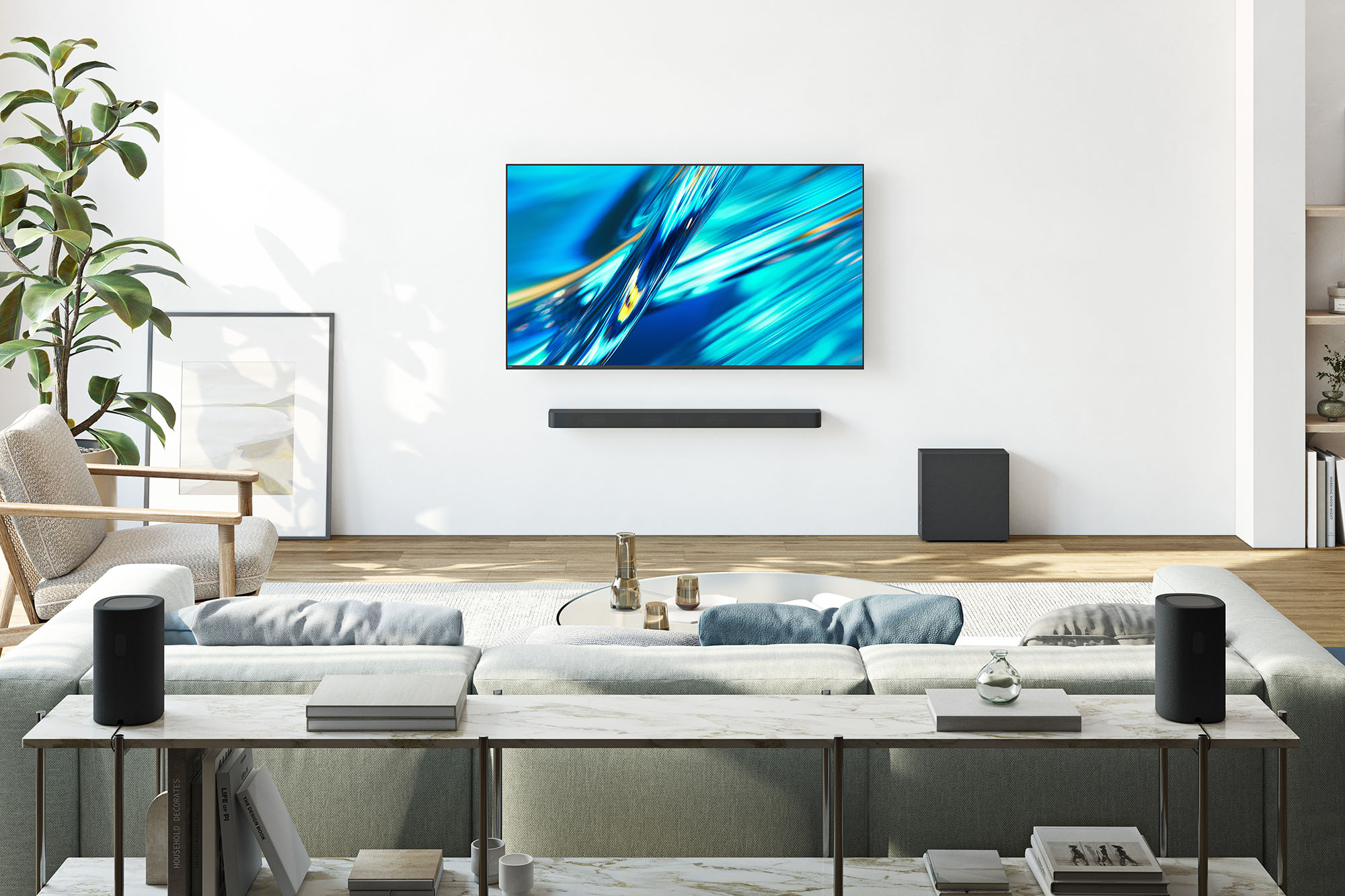
The core of the audio refresh lies in two distinct soundbar models designed to cater to different room sizes and performance requirements. The BRAVIA Theater Bar 5 serves as the entry point into the new ecosystem. It features a 3.1-channel configuration, which includes a dedicated center channel for dialogue clarity and is bundled with a wireless subwoofer. This model is engineered for smaller living spaces or secondary rooms where a massive footprint is impractical, yet improved audio fidelity over standard TV speakers is desired.
In contrast, the BRAVIA Theater Bar 7 is a more sophisticated 9-unit array designed for primary home theaters. It incorporates side-firing and up-firing drivers to create a genuine three-dimensional soundstage. Central to the Bar 7’s performance is Sony’s proprietary 360 Spatial Sound Mapping technology. This system uses built-in microphones to calibrate the sound based on the room’s unique acoustics, creating "phantom speakers" that simulate a full surround-sound environment even without physical rear units. Both the Bar 5 and Bar 7 support industry-standard immersive formats, including Dolby Atmos and DTS:X, ensuring compatibility with modern streaming services and physical media.
Modular Audio Expansion: Subwoofers and Surround Sound
Recognizing that bass response and true surround sound are often the most subjective aspects of a home theater, Sony has introduced four new add-on components for 2026. This modular approach allows for a "tiered" upgrade path:
- BRAVIA Sub 7: A compact unit featuring a 130mm driver, designed for users who want a tactile bass presence without the bulk of a traditional subwoofer.
- BRAVIA Sub 8: A mid-range option with a 200mm driver, offering significantly more air movement and lower frequency extension suitable for action-heavy content.
- BRAVIA Sub 9: The flagship subwoofer, utilizing dual 200mm vibration-canceling opposing drivers. This design allows for deep, tight low-end frequencies while minimizing the physical cabinet rattle that can distract from the viewing experience.
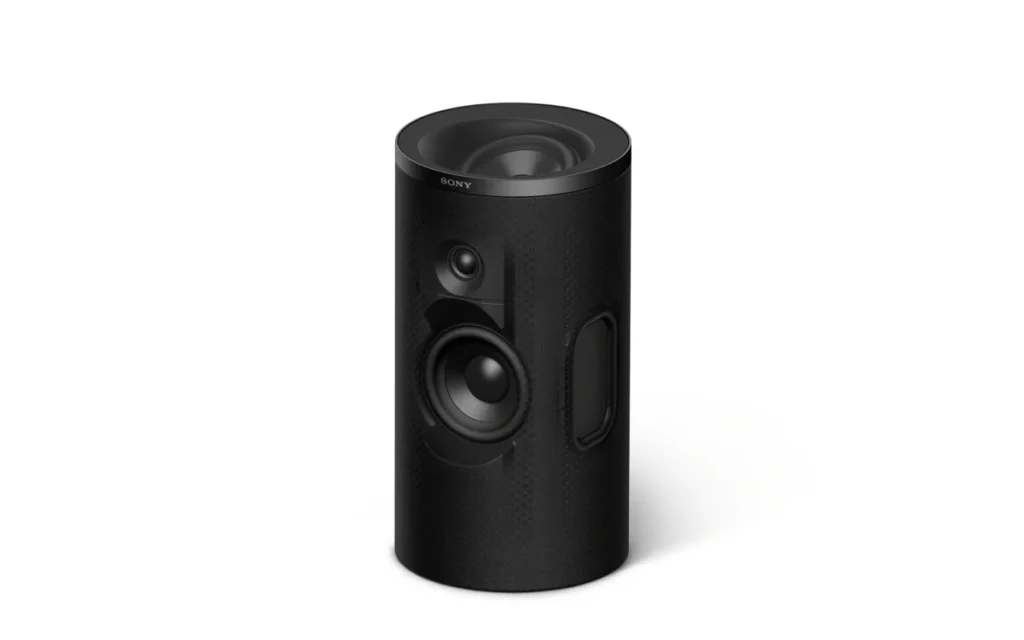
- BRAVIA Rear 9: These wireless surround speakers feature 80mm up-firing drivers, specifically designed to enhance the height channels of Dolby Atmos soundtracks.
A notable update for the 2026 hardware is the support for dual-subwoofer configurations. Historically a feature reserved for high-end AV receivers, the ability to pair two subwoofers with a single soundbar allows for more even bass distribution across a room, eliminating "dead zones" where low frequencies might otherwise cancel out.
The BRAVIA 3 II LED TV: High-Performance Mid-Tier Integration
While Sony’s flagship Mini-LED and OLED sets often garner the most headlines, the new BRAVIA 3 II LED TV is positioned as the strategic "middle seat" of the 2026 lineup. Available in sizes ranging from 43 inches to a massive 100 inches, the BRAVIA 3 II is designed to offer premium processing power at a more accessible price point.
The television is powered by Sony’s XR Processor, which utilizes cognitive intelligence to cross-analyze focal points on the screen and optimize color, contrast, and clarity in real-time. The inclusion of XR Triluminos Pro ensures a wide color gamut, while refined noise reduction algorithms maintain image integrity during fast-moving scenes. For gamers, the BRAVIA 3 II includes four HDMI 2.1 ports, supporting 4K resolution at 120Hz, Variable Refresh Rate (VRR), and Auto Low Latency Mode (ALLM)—features that are essential for maximizing the performance of the PlayStation 5 and other current-generation consoles.
Software Integration and the Role of AI
The 2026 BRAVIA ecosystem relies heavily on software synergy to differentiate itself from third-party audio solutions. When a BRAVIA Theater Bar is connected to a compatible BRAVIA TV, several exclusive features are activated:
- Acoustic Center Sync: This technology allows the TV’s internal speakers to act as the center channel for the entire system, ensuring that dialogue appears to originate directly from the actors’ mouths on the screen rather than from a bar positioned below the display.
- Voice Zoom 3: Using AI-driven sound separation, this feature identifies human speech and allows the user to independently adjust dialogue volume without affecting background music or sound effects.
- Google TV with Gemini: The smart TV interface has been updated with Google’s Gemini AI, offering more personalized content recommendations and improved natural language processing for voice commands.
- Inclusive Remote: Sony has redesigned its remote control for 2026, featuring higher-contrast buttons, clearer spacing for users with visual impairments, and a built-in "finder" function that allows the remote to emit a chime if it is lost.
Pricing, Availability, and Market Context
Sony has provided a detailed pricing structure for the 2026 rollout, indicating a clear strategy to capture both the entry-level and premium segments of the market.
Home Audio Pricing:
- BRAVIA Theater Bar 5: $349.99
- BRAVIA Theater Bar 7: $869.99
- BRAVIA Sub 7: $329.99
- BRAVIA Sub 8: $499.99
- BRAVIA Sub 9: $899.99
- BRAVIA Rear 9: $749.99
BRAVIA 3 II TV Pricing:
The TV series starts at $599.99 for the 43-inch model, scaling up to $3,099.99 for the 100-inch variant. Presales are expected to begin shortly, with wide availability scheduled for the spring of 2026.

Industry analysts view this pricing as a calculated move. By pricing the Theater Bar 5 at roughly $350, Sony is positioning itself as a viable alternative to brands like Sonos and Bose, which have traditionally dominated the mid-range soundbar market. Meanwhile, the $3,100 price tag for a 100-inch display reflects the industry-wide trend toward larger "wall-sized" screens as a replacement for traditional projection systems.
Analysis of Implications for the Home Cinema Market
The 2026 Sony lineup underscores a broader shift in the consumer electronics industry: the move away from specialized, standalone components toward integrated "walled gardens." While Sony maintains compatibility with other brands via standard HDMI eARC connections, the full suite of features—such as Acoustic Center Sync and the unified settings menu—is only available to users who remain within the BRAVIA ecosystem.
This strategy is likely to bolster brand loyalty, as consumers who purchase a BRAVIA TV are now incentivized to purchase BRAVIA audio equipment to unlock the hardware’s full potential. Furthermore, the modular nature of the subwoofers and rear speakers suggests that Sony is looking to increase the "lifetime value" of each customer, providing an easy path for incremental upgrades over several years.
From a technical standpoint, the inclusion of Gemini AI and the refined XR Processor indicates that the "specs war" in the television market has shifted from raw brightness and resolution to intelligent processing and user experience. As 4K resolution becomes the standard even in budget models, manufacturers must rely on AI-driven upscaling and ecosystem integration to justify premium price points.
Conclusion
Sony’s 2026 BRAVIA announcement is more than just a product refresh; it is a consolidation of the company’s vision for the future of home entertainment. By aligning the Theater Bar series with the BRAVIA 3 II television, Sony has created a scalable system that addresses the needs of casual viewers and cinephiles alike. As these products hit the market in the spring of 2026, they will serve as a litmus test for whether consumers prefer the convenience of an integrated ecosystem over the traditional hobbyist approach of mixing and matching audio-visual components. For now, Sony has provided a compelling argument that when it comes to the modern living room, the whole is indeed greater than the sum of its parts.