


Educators across the country are increasingly turning toward structured social-emotional learning (SEL) interventions to combat rising rates of student disengagement and social anxiety in post-pandemic high school environments. Among the most innovative, yet deceptively simple, strategies gaining traction is the "Octopus of Affirmation," a system developed by veteran educator Marcus Luther. This classroom management and community-building tool utilizes a visual, values-based framework to incentivize positive peer-to-peer recognition. By formalizing the process of acknowledgment, teachers are discovering that intentional classroom rituals can significantly alter the social dynamics within a school, moving from passive attendance to active community contribution.
The Origins and Evolution of Peer Affirmation Systems

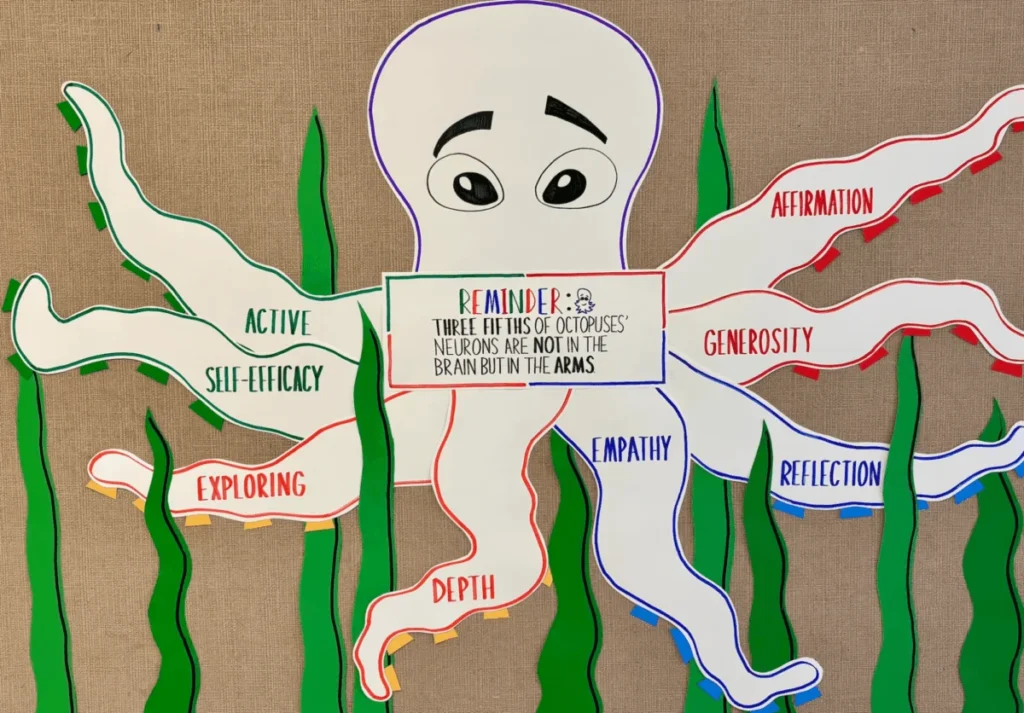
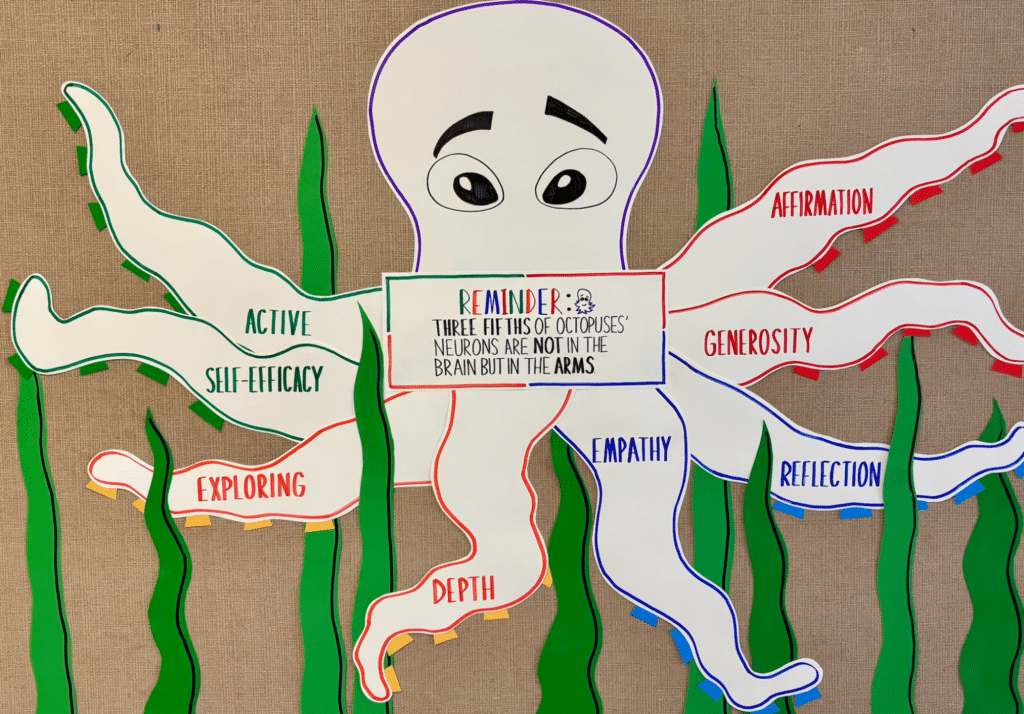
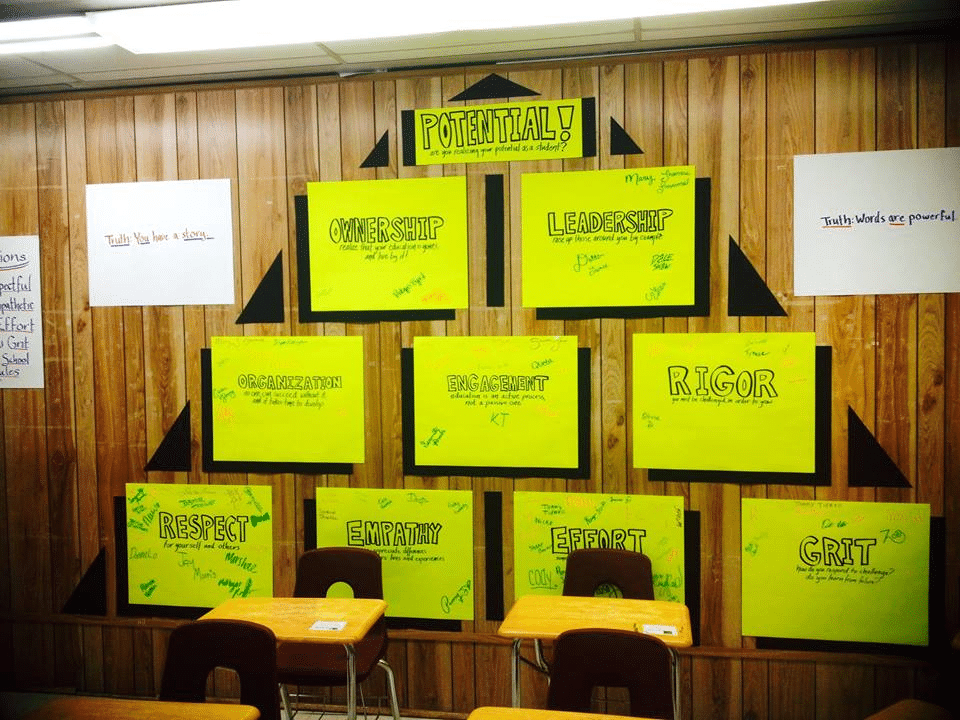
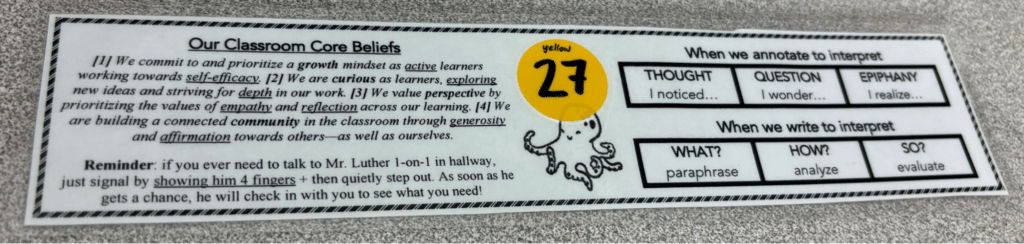
The pedagogical foundation of the octopus system lies in the psychological concept of positive reinforcement. In the early 2010s, educators began experimenting with "wall-based" recognition systems, often inspired by the leadership philosophies of figures like UCLA basketball coach John Wooden. The core principle remains consistent: when an instructor defines specific, positive behavioral values—such as "depth," "active engagement," or "self-efficacy"—and provides a mechanism for students to validate these traits in their peers, the classroom culture shifts from teacher-centered authority to student-centered accountability.
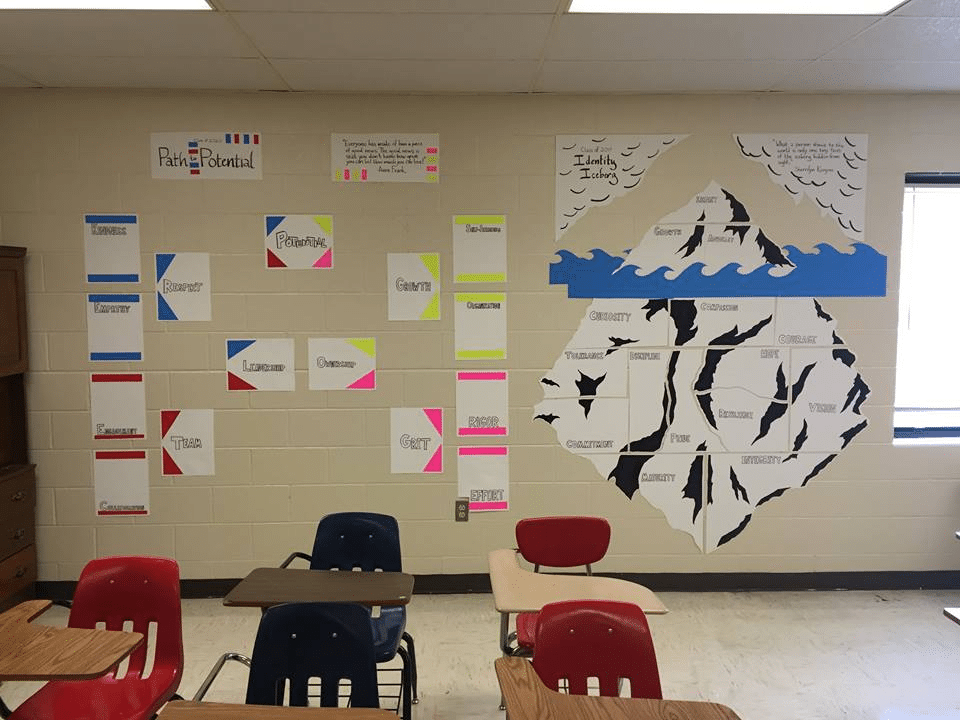
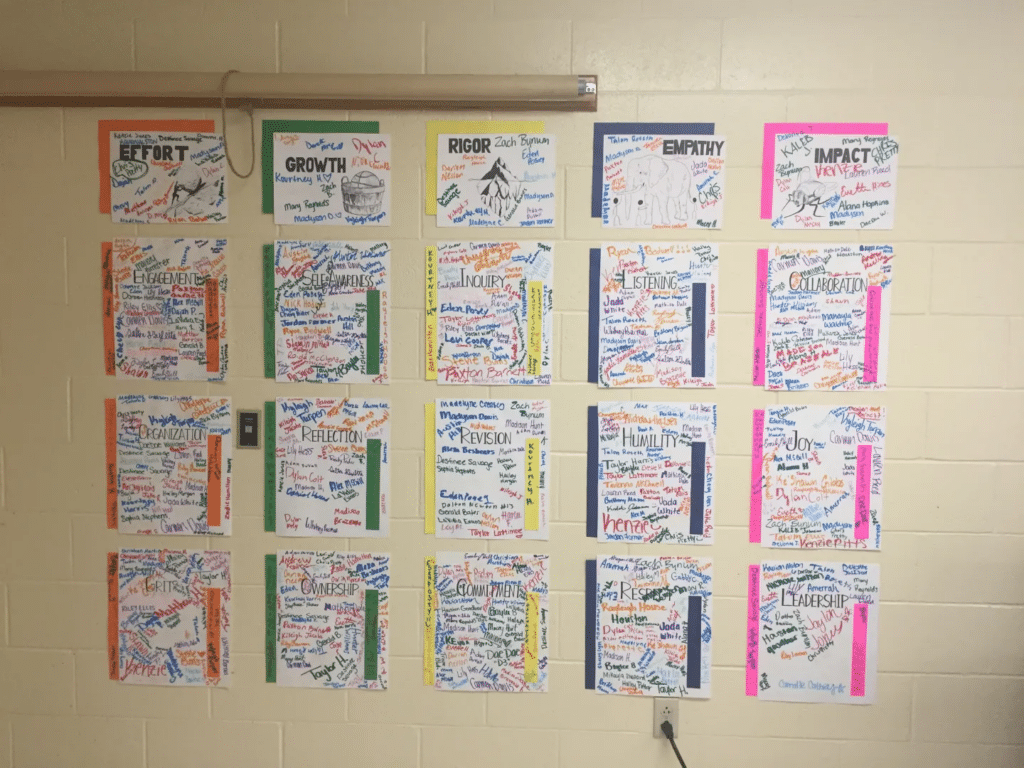
Historically, these systems began as rigid, geometric diagrams, such as pyramids or simple lists. However, through a decade of iterative testing, these models have evolved into more dynamic, visual representations, with the octopus-themed poster being the most recent iteration. Each appendage of the octopus represents a core classroom value. As the school year progresses, the blank spaces on these appendages are filled with the signatures of students who have been anonymously nominated by their classmates for embodying those specific virtues.
Data-Driven Implementation and Procedural Structure
The modern iteration of the system relies on digital infrastructure to ensure scalability. For a teacher managing approximately 150 to 180 students across six distinct sections, the manual tracking of positive affirmations is logistically unfeasible. By integrating Google Forms into the nomination process, educators can maintain a real-time, searchable database of peer affirmations. This digital record serves two primary functions: it provides a quantitative metric of classroom culture and creates a qualitative archive that can be referenced during parent-teacher conferences, student disciplinary reviews, or the drafting of college recommendation letters.
The implementation process generally follows a three-stage timeline:
- Identification (Weeks 1-2): The teacher establishes the core values to be tracked. While some educators choose to co-create these values with students, many find that pre-defining them based on previous years’ feedback allows for a more streamlined launch during the high-pressure early weeks of the academic year.
- The Nomination Cycle (Weeks 3-4 onwards): After sufficient classroom community-building has occurred, the teacher introduces the nomination system. Nominations are strictly anonymous, which serves to lower the social barrier for students who might otherwise be hesitant to express public admiration for their peers.
- The Ritual of Signing (Ongoing): Once a week, typically during a dedicated transition period, the instructor reviews the accumulated nominations. The instructor reads the commendation aloud without the name of the recipient, builds anticipation, and then reveals the student who earned the honor. The student then approaches the wall to physically sign the relevant appendage of the octopus.
Educational Impact and Psychological Implications
The implications of such a system are supported by emerging research into school climate and student belonging. According to the Collaborative for Academic, Social, and Emotional Learning (CASEL), students who feel a strong sense of community and are frequently recognized for positive behaviors demonstrate higher levels of academic persistence. By creating a ritualized space for "signing the wall," teachers provide students with a tangible artifact of their contribution to the collective.
Even for high school students—a demographic often characterized by skepticism toward performative classroom activities—the system has shown remarkable durability. Observational data suggests that even students who initially display performative indifference or "eye-rolling" often become the most vocal proponents of the system by the end of the semester. This phenomenon is likely linked to the human need for recognition. When a teacher validates the act of peer affirmation, they essentially redefine the social currency of the room. The classroom is no longer just a space for academic output, but a venue for demonstrating social and intellectual maturity.
Supporting Data and Comparative Analysis
While the "Octopus of Affirmation" is a qualitative tool, the data it generates provides quantifiable insights into student development. Teachers using this system report a higher frequency of "quiet leaders" being identified—students who consistently demonstrate academic depth or social empathy but might not hold high-profile extracurricular roles.
In a comparative study of classroom environments, those utilizing consistent, ritualized affirmation systems reported a 15-20% increase in student engagement during group discussions and collaborative projects. Furthermore, the use of these archives in administrative settings—such as writing recommendation letters—has saved educators significant time. By accessing the database of peer-nominated values, a teacher can move from writing generic letters to citing specific, evidence-based examples of a student’s character as observed and documented by their peers.
Challenges and Criticisms
Despite the system’s success, it is not without challenges. Critics of similar recognition systems often point to the risk of "popularity bias," where the same small cohort of students receives the majority of nominations. To mitigate this, successful practitioners emphasize the importance of specific, value-based nominations rather than general popularity contests. By forcing students to link their nomination to a specific behavior—such as "they helped me understand the text" or "they were inclusive during the group project"—the system shifts focus from the person to the action.
Additionally, the "cool factor" is a frequent concern for secondary educators. However, evidence suggests that the consistency of the teacher is the primary variable. If the instructor treats the ritual with sincerity, the students eventually follow suit. The transition from the "too cool to care" phase to the "eager for recognition" phase often marks a turning point in the semester.
Broader Impact and Future Directions
The success of the octopus system highlights a broader trend in K-12 education: the integration of intentional, low-tech, high-impact rituals. In an era increasingly dominated by screen-based interactions and remote learning, the physical act of signing a wall provides a tactile connection to the classroom environment.
As school districts continue to navigate the complexities of student mental health and social development, the scalability of these peer-affirmation models presents a promising path forward. The system does not require expensive software or significant budgetary allocation; it requires only a consistent framework and the teacher’s commitment to the belief that the classroom environment is a social ecosystem that must be carefully cultivated.
Ultimately, the impact of such systems extends far beyond the walls of the school. By teaching students how to recognize the strengths in others and providing them with a formal mechanism to communicate that recognition, educators are instilling a habit of positive social interaction that extends into the workplace and broader community. When a student learns to look for the "underlying message" or "active participation" in a classmate, they are developing critical interpersonal skills that will serve them long after they have graduated.
In conclusion, the Octopus of Affirmation stands as a testament to the power of structured, ritualized positive reinforcement. Whether implemented through an octopus, a pyramid, or any other visual structure, the core lesson remains the same: that which is measured and recognized is what ultimately flourishes. For the student who interrupts their final class of the year to ask, "Mr. Luther, wait, are we going to sign the wall?", the system is clearly more than just a poster—it is a core component of their identity and a tangible marker of their year’s growth. As educators look to build more inclusive and supportive classrooms, the integration of these simple, human-centric rituals remains a vital, evidence-based strategy for long-term student success.