



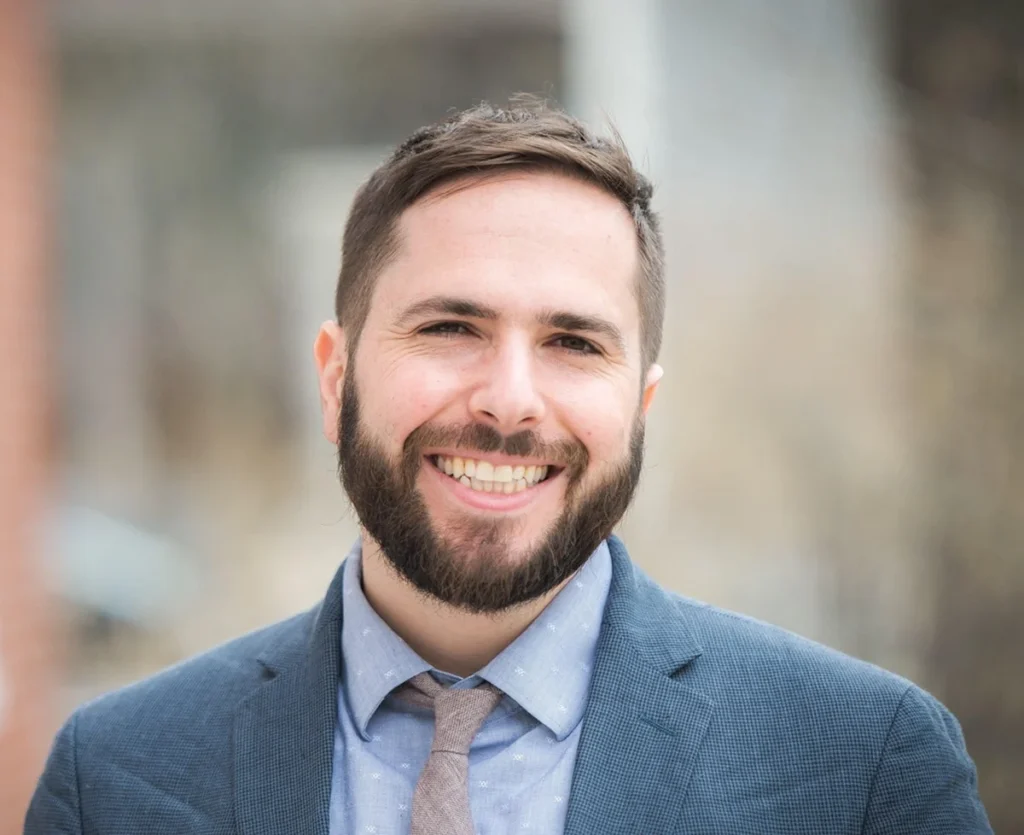
The perennial challenge of school improvement often follows a predictable, if ultimately futile, cycle: a district or school leadership team identifies a performance gap, mandates a standardized solution, expects immediate adoption across the board, and then expresses frustration when the initiative fails to produce sustainable results. This "innovation churn" has become a hallmark of the modern American educational landscape. However, new research presented by Dr. Jal Mehta of the Harvard Graduate School of Education and Dr. Max Yurkofsky, an assistant professor of educational leadership at the University of Richmond, suggests that the persistent failure of these programs is not due to a lack of effort, but a fundamental misunderstanding of how complex systems change. In their recent book, A Chance to Solve Their Own Problems, Mehta and Yurkofsky argue that when schools shift from top-down mandates to a model of adaptive, ground-up problem solving, the results can be transformative.
The historical context of this issue dates back to the era of high-stakes accountability, beginning most notably with the No Child Left Behind Act of 2001 and continuing through the Race to the Top initiatives of the Obama administration. For over two decades, the dominant logic in educational reform was that schools—often viewed as underperforming entities—required external, evidence-based interventions to force compliance and efficiency. This period saw the proliferation of standardized curricula, scripted instruction, and rigorous data-monitoring systems. While these efforts occasionally boosted narrow test scores, they rarely fostered a culture of sustainable innovation. By the 2020s, many districts reached a state of "initiative fatigue," where teachers and administrators became increasingly skeptical of any new mandates, viewing them as temporary hurdles to be endured rather than meaningful opportunities for professional growth.
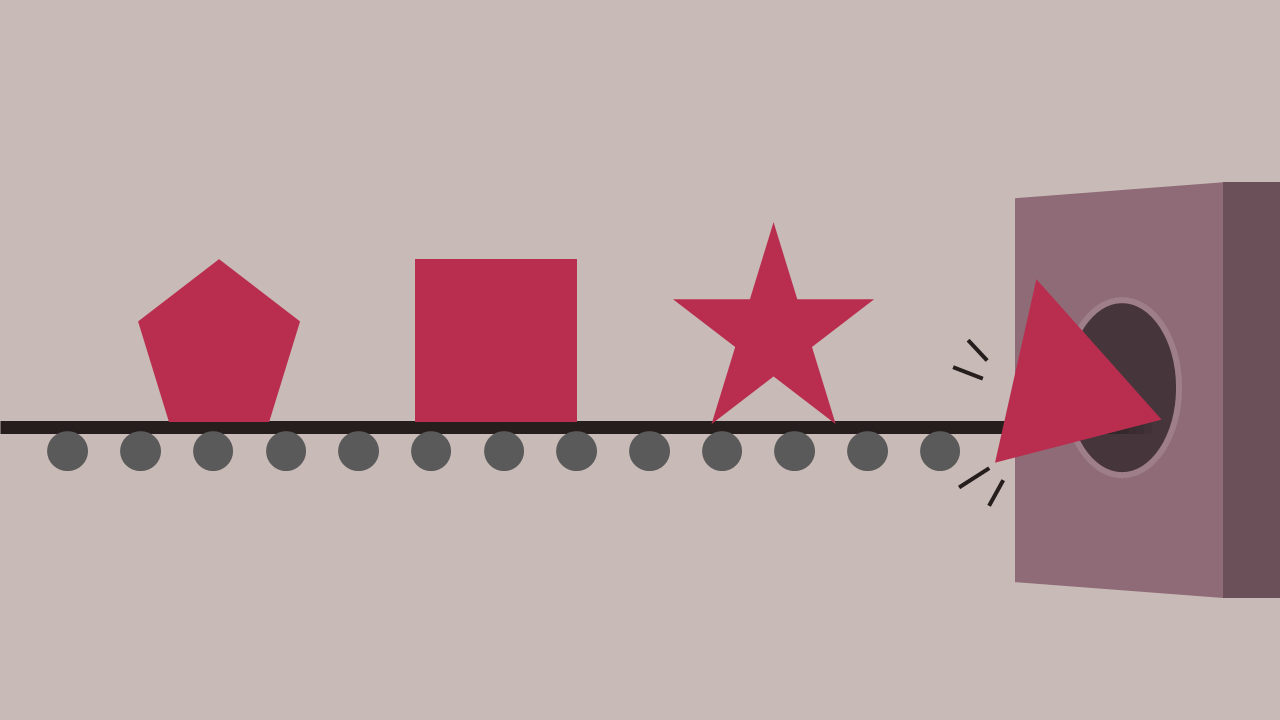
Recent data underscores the volatility of these improvement efforts. A 2023 report from the RAND Corporation on the American School District Panel noted that nearly 70% of school leaders cited the implementation of new initiatives as a primary driver of staff burnout. Furthermore, longitudinal studies suggest that the "half-life" of a typical school-wide reform program is often less than three years, as leadership turnover and shifting political priorities frequently lead to the abandonment of one program in favor of the next.
The fundamental disconnect, as identified by Mehta and Yurkofsky, lies in the distinction between "tame" and "wicked" problems. Tame problems—like updating a scheduling system—have clear, linear solutions. Wicked problems—such as improving literacy rates across a diverse student population—are deeply intertwined with social, pedagogical, and systemic factors that cannot be solved with a one-size-fits-all product. When administrators attempt to treat teaching and learning as a technical problem to be solved through compliance, they strip educators of their professional agency.
The research conducted for A Chance to Solve Their Own Problems involved intensive case studies across multiple districts, observing how schools handled the transition from traditional, directive management to more decentralized, inquiry-based frameworks. One key finding is the danger of "process fetishism." Many districts adopt popular improvement methodologies, such as Plan-Do-Study-Act (PDSA) cycles or Design Thinking, but treat them as rigid bureaucratic requirements. In these instances, the focus shifts to documenting that the process was followed, rather than evaluating whether the underlying problem was actually resolved.
The authors identify three essential building blocks that must be present for any real improvement to take hold: mindsets, routines, and practices. Mindsets refer to the psychological alignment of the faculty; for instance, if teachers do not believe that secondary literacy instruction is part of their professional identity, no amount of curriculum training will bridge the gap. Routines are the structural scaffolding—such as protected time for professional learning communities—that ensures collaboration is a habit rather than an occasional event. Practices encompass the actual technical expertise and pedagogical tools required to move the needle. The study indicates that when one of these elements is missing—such as having a strong mindset but no clear instructional practices—the system stalls.
Leading educators and researchers have begun to weigh in on these findings. Dr. Sarah Jenkins, a former district superintendent and current policy advisor, noted that the research aligns with the growing sentiment that "teachers are not just implementers; they are the designers of the student experience." According to Jenkins, the shift toward a "support-based" leadership model is gaining traction in districts that are successfully navigating post-pandemic academic recovery. However, she cautions that moving toward this model requires a high degree of trust that is often absent in high-pressure, budget-conscious environments.
The economic implications of this shift are also significant. Millions of dollars are spent annually on external consulting, proprietary software, and off-the-shelf curriculum packages that often fail to account for the unique demographics and culture of individual schools. If, as Mehta and Yurkofsky suggest, the most effective solutions are those generated by the educators working on the ground, the financial burden of school improvement could be reallocated from top-down vendor contracts to the cultivation of internal capacity and local expertise.
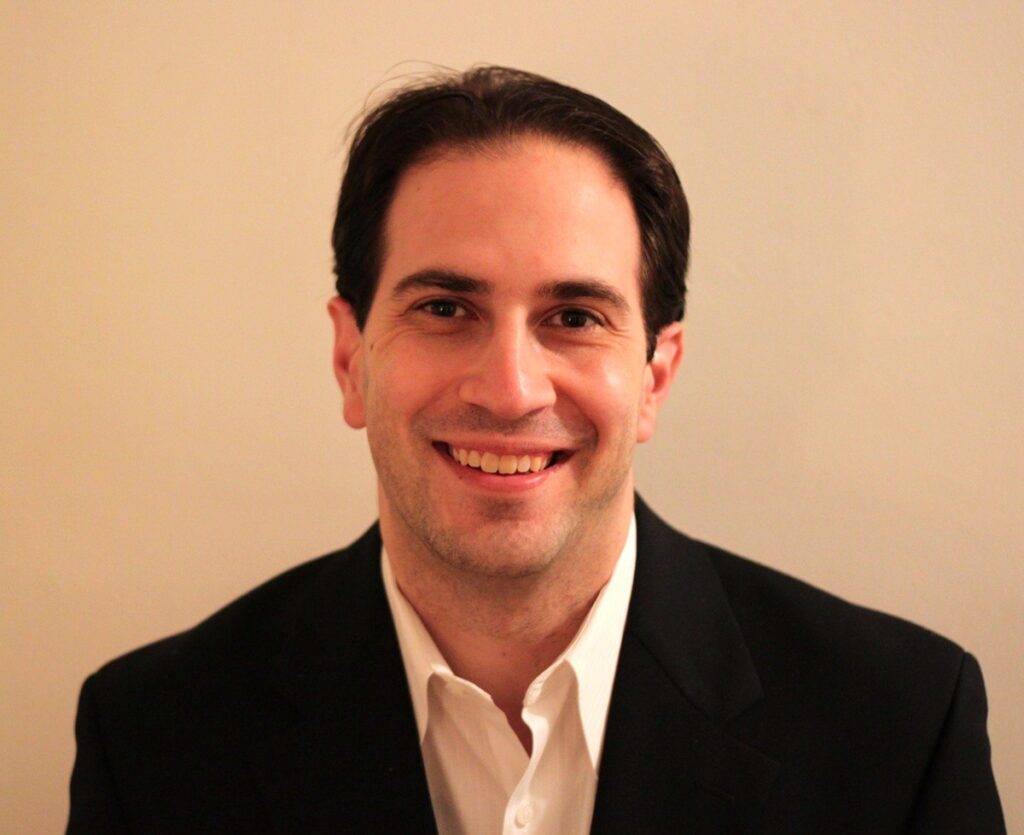
The transition from a command-and-control structure to an adaptive one is not without risk. It requires school leaders to relinquish the appearance of absolute control. When a principal admits they do not have the answer to a specific classroom challenge and invites teachers to investigate the cause, they are creating a culture of vulnerability. This, according to the research, is the exact environment where true learning occurs. It is an environment where failure is not punished but treated as a data point in an ongoing experiment.
For district administrators and school boards, the takeaway is clear: the quest for the "perfect program" is a distraction. The most successful systems are those that provide a clear vision of their goals while granting autonomy to the practitioners to define the path toward those goals. This necessitates a radical re-evaluation of time management. If teachers are overwhelmed by administrative tasks and back-to-back classes, they lack the mental bandwidth to engage in the deep, collaborative work of problem-solving. Protecting this time is, in itself, a significant policy decision that reflects a commitment to long-term systemic health over short-term compliance metrics.
In conclusion, the path forward for American schools likely rests on the restoration of professional trust. By viewing teachers as intellectual partners rather than technicians tasked with executing a script, schools can move away from the exhausting cycle of failed reforms. As Mehta and Yurkofsky suggest, the most effective improvement effort is not a specific program, but the development of a school’s internal capacity to identify, analyze, and resolve its own challenges. This transition requires patience, a tolerance for ambiguity, and the courage to stop searching for easy, off-the-shelf solutions in favor of the harder, more rewarding work of collective learning. As the educational community continues to grapple with the aftermath of historic disruptions in learning, this focus on local, iterative problem-solving may be the only sustainable way to ensure that schools truly improve for the benefit of their students.