


The delicate interplay between wilderness and human civilization has once again taken center stage as the European Wildlife Photographer of the Year (EWPY) competition concluded its 26th annual showcase. Selected from a staggering pool of more than 26,000 entries submitted by amateur and professional photographers across 46 countries, 107 winning and highly commended images were unveiled to celebrate the majesty, resilience, and fragility of the continent’s natural heritage.
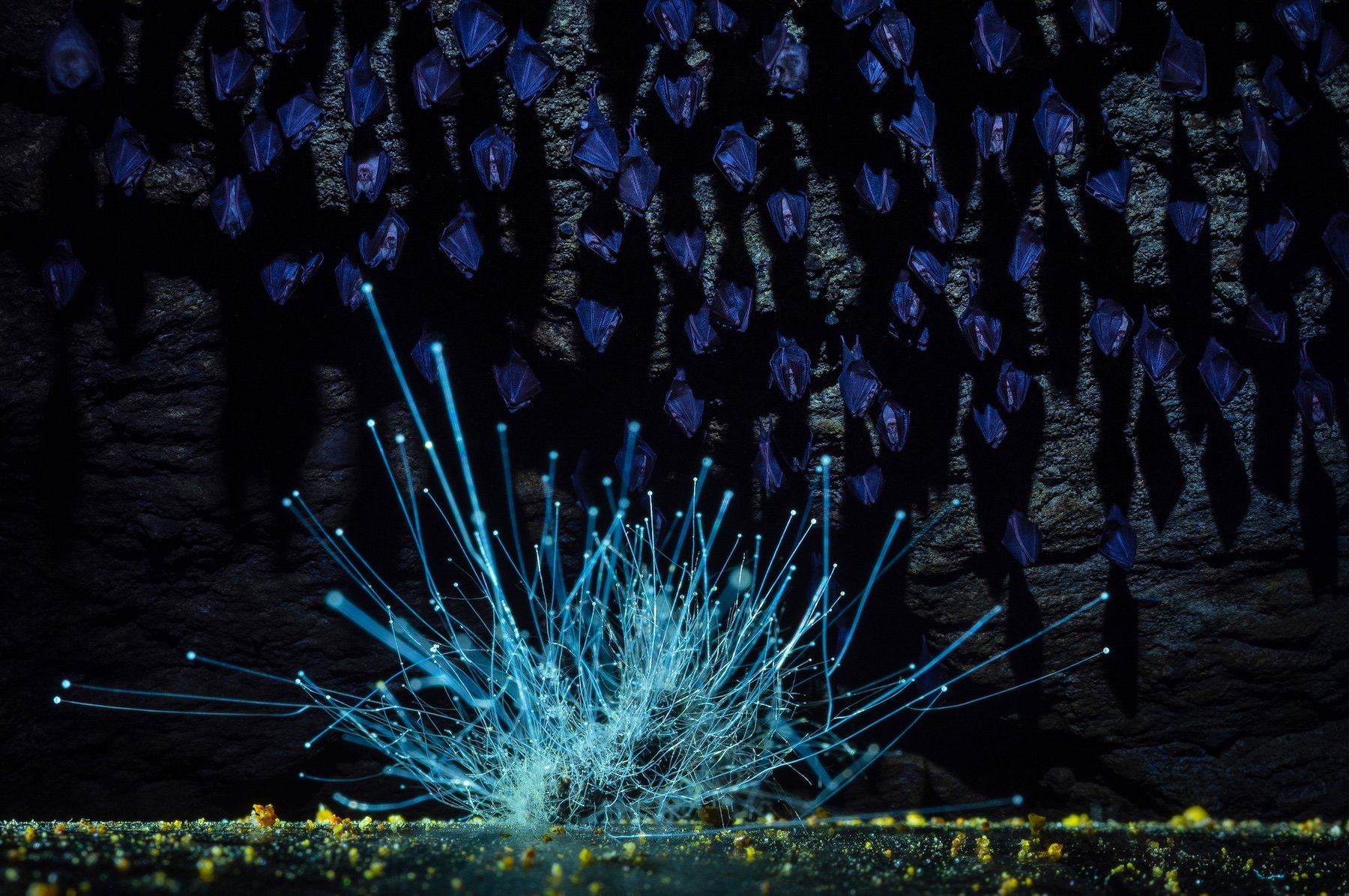
Hungarian photographer Imre Potyő secured the competition’s highest honor, the overall grand prize, for his macro photograph titled “Hidden Worlds.” Potyő’s victory marks the culmination of a 13-year personal project documenting the subterranean ecosystems of the Börzsöny Mountains in Hungary.
A Deep Dive Into the Award-Winning Imagery
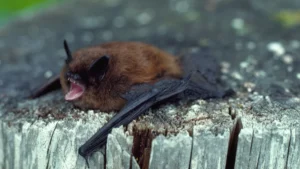
Potyő’s winning composition offers a rare glimpse into restricted-access mine tunnels where lesser horseshoe bats (Rhinolophus hipposideros) hibernate. While these bats remain in a deep slumber for much of the winter, they occasionally rouse to hunt flying insects entering the dark subterranean environment. Over time, their accumulated droppings form a dense layer of guano that supports specialized life. Utilizing a macro lens, a long exposure, and a focus-shift technique during a controlled, non-disruptive bat count, Potyő captured a whitish pin mold thriving on the guano in the foreground, with the hibernating bats resting peacefully in the background.
Beyond the overall winner, the competition recognized excellence across nine primary categories and two special categories, capturing moments that range from the humorous to the heartbreaking.
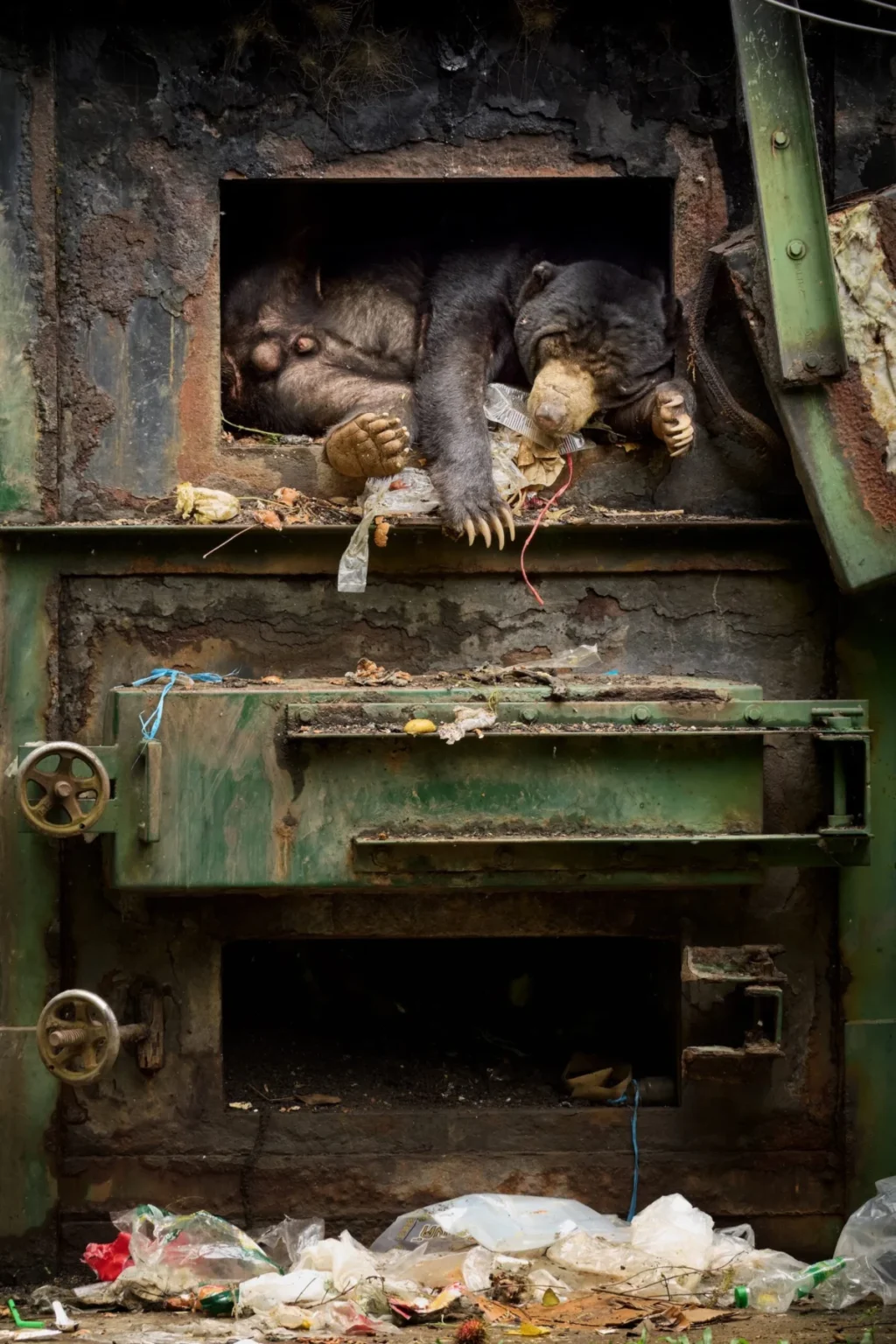
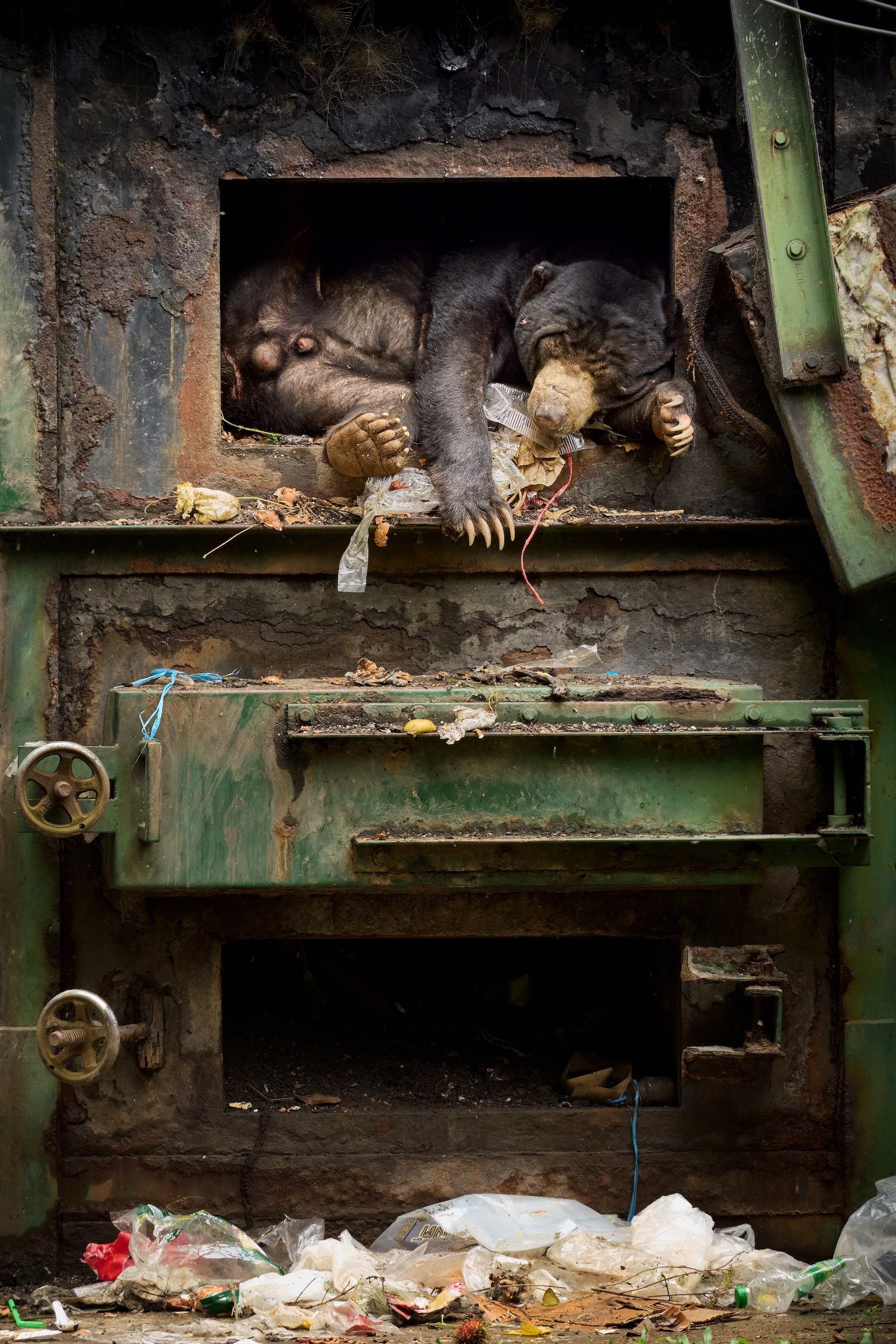
In the “Humans and Nature” category, Czech photographer Petr Bambousek won with an image titled “Evolution.” While visiting Thailand’s Kaeng Krachan National Park, Bambousek sought to photograph a wild Malayan sun bear (Helarctos malayanus). Instead of finding the bear foraging in its expansive 3,000-square-kilometer natural habitat, he discovered it regularly visiting the park’s visitor center, eventually climbing into a waste incinerator to sleep. The irony of the animal resting inside one of humanity’s discarded structures, bearing a manufacturer’s label reading "Evolution," provided a poignant commentary on the complex relationship between wildlife and modern infrastructure.
Another striking entry in the “Humans and Nature” category was submitted by Norwegian photographer Audun Rikardsen, titled “Barbecued golden eagle.” Rikardsen documented the accidental electrocution of a golden eagle (Aquila chrysaetos) that had bridged two power lines near his home in northern Norway. The image underscored a pervasive, global hazard for large raptors whose expansive wingspans frequently trigger fatal power grid interactions.
Similarly, Italian photographer Lukas Schaefer captured the delicate dynamics of human-wildlife proximity in “Helping hands,” depicting a capercaillie (Tetrao urogallus) displaying on a ski resort slope during mating season, a behavior that ultimately highlights how human recreational spaces increasingly overlap with delicate wildlife territories.
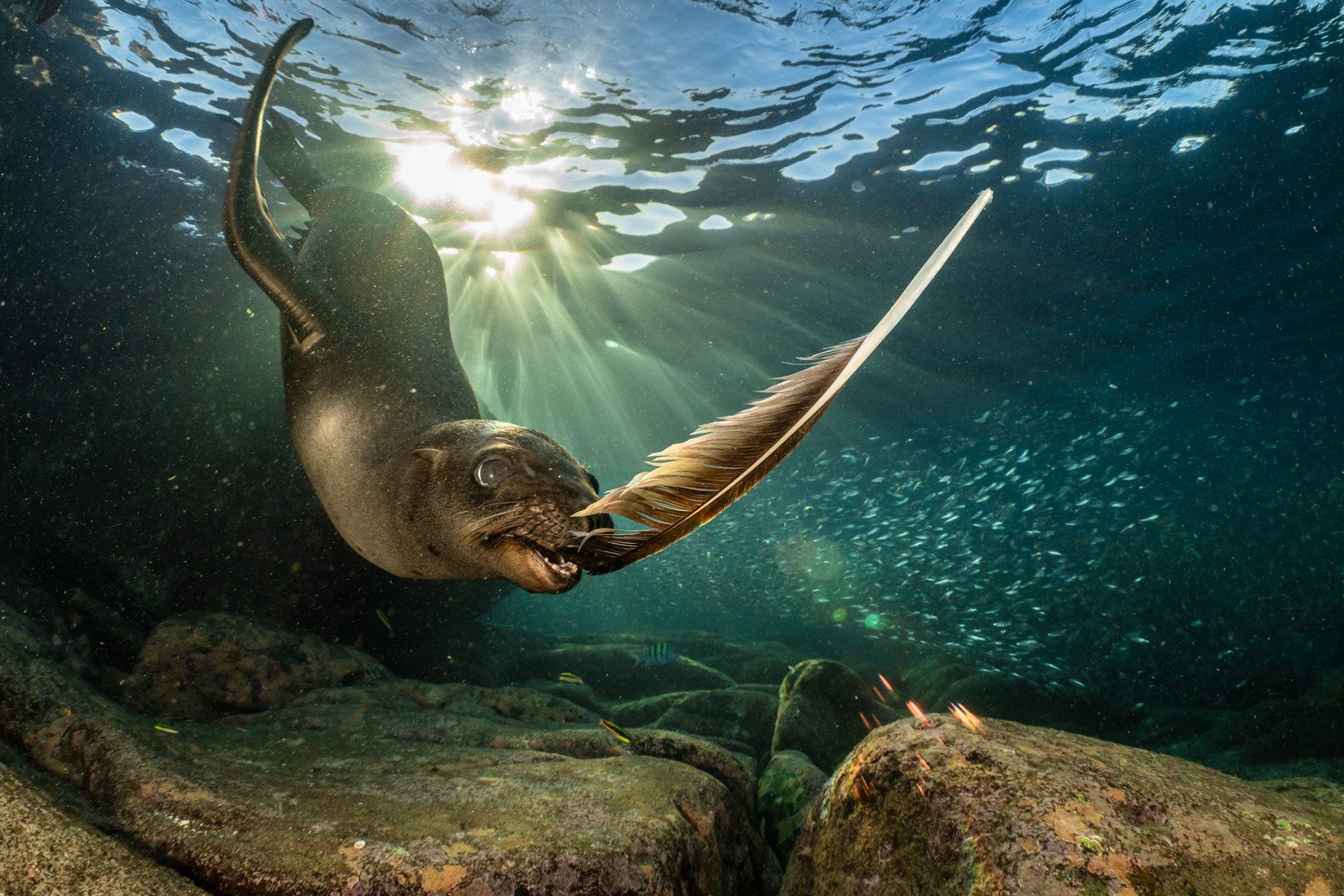
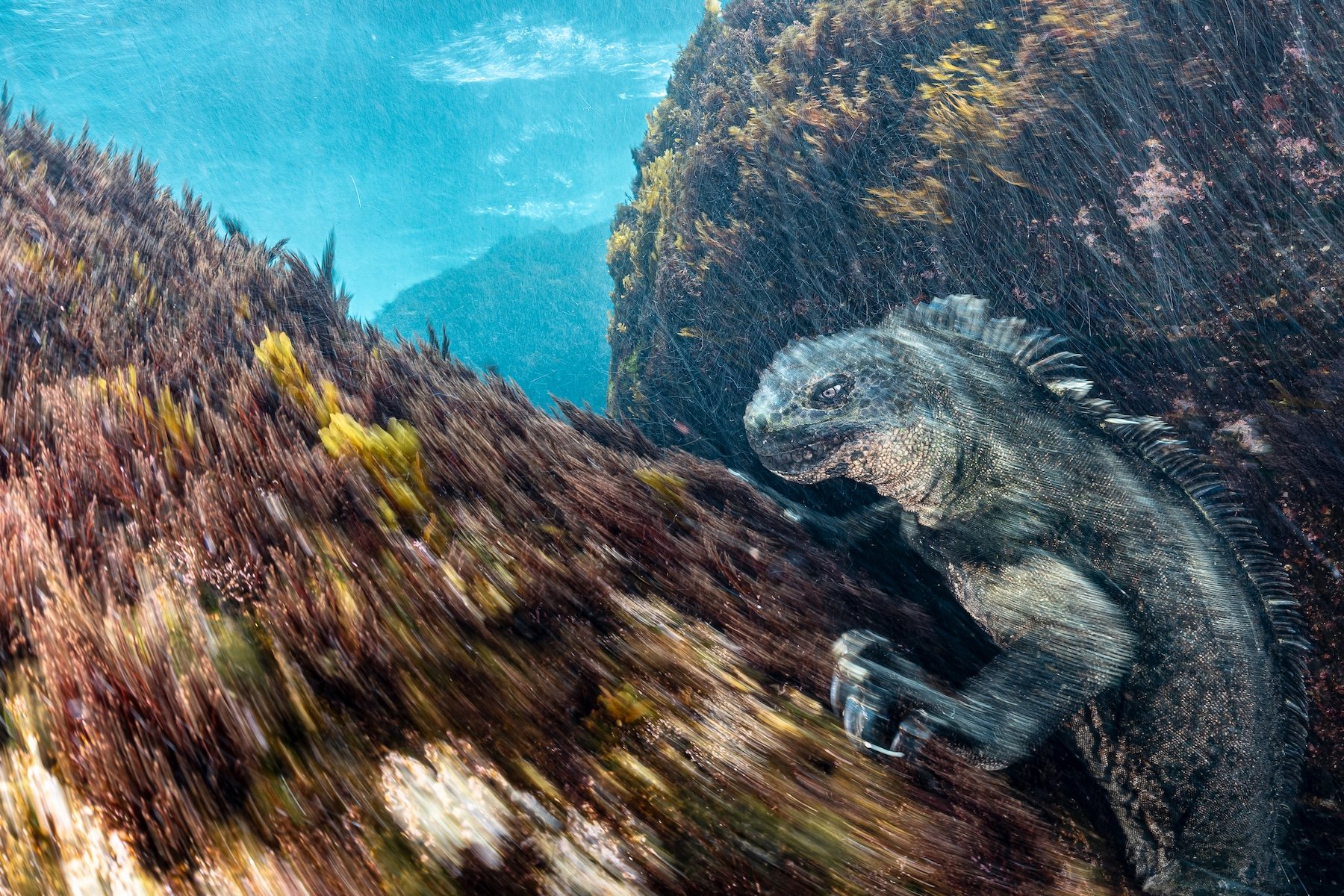
The natural world’s resilience was equally visible in other categories. Henley Spiers of the United Kingdom captured a California sea lion pup playing with a feather in Mexico’s Espiritu Santo Island National Park in “Playing by necessity.” This behavioral adaptation serves as a vital survival strategy for juveniles lacking the stamina for deep-water hunts, set against the backdrop of an area threatened by climate change and fishing gear entanglement. Spiers also earned recognition for “Turbulent feeding patch,” depicting a Galápagos marine iguana grazing against powerful oceanic surges.
Chronology and Evolution of the Competition
Established more than two decades ago by the Gesellschaft für Naturfotografie (GDT)—the German Society for Nature Photography—the EWPY has steadily grown into one of the most prestigious environmental photography contests in the world. The 2026 iteration demonstrates a sustained upward trajectory in both participation and international reach, pulling submissions from nearly five dozen nations.
The evaluation process involves rigorous multi-stage judging by an independent panel of conservationists, biologists, and master photographers. Entries are judged not only on technical execution, artistic composition, and originality, but also on the ethical standards maintained during image capture. Photographers must strictly adhere to protocols ensuring that wildlife is not stressed, baited improperly, or subjected to habitat disruption.
Official Responses and Conservation Perspectives
The announcement of the 2026 winners coincided with strong statements from environmental authorities regarding the vital role visual storytelling plays in modern conservation policy.
Sabine Riewenherm, President of the German Federal Agency for Nature Conservation (BfN), emphasized the philosophical alignment of the participating photographers. “All the photographers taking part in this competition share a common outlook: they move through the world with open eyes and are committed to a harmonious coexistence of people and nature,” Riewenherm stated. “Through their work, they draw attention to the beauty of our planet, but also to its vulnerability. I am deeply grateful to these photographers for their outstanding contribution, as they play a vital role in raising awareness for nature and its protection.”
Conservation scientists echo these sentiments, noting that visual documentation serves as an indispensable tool for bridging the gap between scientific data and public empathy. Images such as Fabian Thorand’s documentation of free-roaming European bison (Bison bonasus) in Poland’s Białowieża National Park demonstrate the tangible successes of rewilding initiatives. Once extinct in the wild across Europe by the early 20th century, European bison populations have rebounded to more than 7,200 individuals, largely due to protected translocations and habitat preservation.
Broader Implications and Future Outlook
The implications of the 2026 European Wildlife Photographer of the Year awards extend far beyond aesthetic appreciation. By documenting both ecological triumphs—such as successful rewilding programs and adaptive animal behaviors—and severe anthropogenic threats, including infrastructure hazards, habitat fragmentation, and climate pressure, the exhibition acts as a visual barometer for the health of European and global ecosystems.
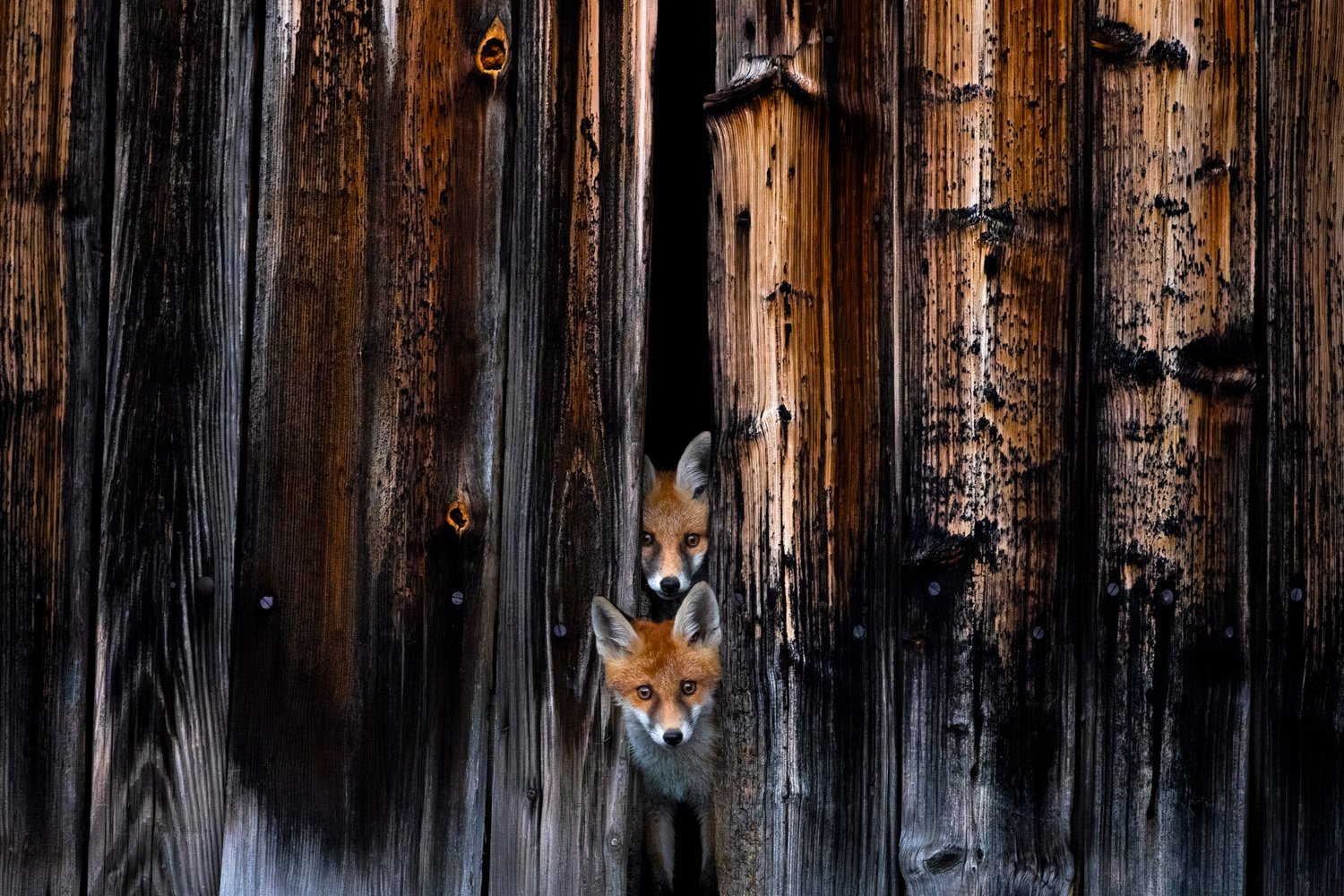
As human populations continue to expand into traditional wildlife corridors, the images captured by artists like Marc Siegle—whose work “Little housemates” depicted a family of red foxes attempting to coexist in a Swiss village before facing displacement—force a societal re-evaluation of how shared spaces are managed. The overarching consensus among conservationists and competition organizers is clear: safeguarding biodiversity requires moving past viewing wildlife as transient intruders, recognizing them instead as permanent neighbors whose survival dictates the long-term stability of the planet.