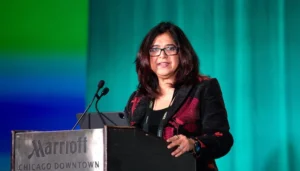


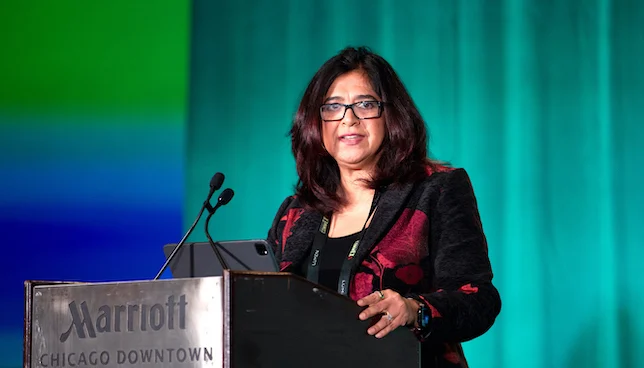
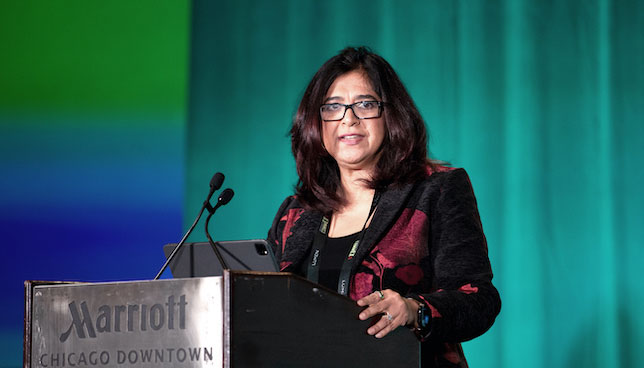
October marks a significant convergence of milestones for the nonprofit technology and networking sector as Internet2 celebrates its 30th anniversary alongside the one-year presidential and chief executive tenure of Tripti Sinha. Entering its fourth decade, the organization remains the foundational digital backbone supporting the complex collaborative needs of higher education, scientific research, and federal laboratories. In a reflective Q&A session with journalist Mary Grush, Sinha discusses the historical genesis of the R&E (research and education) community’s proprietary network, the evolution of its membership base over the last thirty years, and her strategic vision for shepherding the enterprise into an era defined by breakthrough technologies and global interconnectivity.
The Genesis of a Dedicated Research Network
The operational origins of Internet2 trace back to a pivotal transition period in the mid-1990s. Following the systematic retirement of the National Science Foundation’s NSFNET—an initiative that initially linked regional academic networks to the nation’s premier high-performance computing centers—the global internet began shifting rapidly toward widespread commercialization. Recognizing that commercial infrastructure could not reliably or securely sustain the massive data throughput, low-latency requirements, and specialized collaborative demands of advanced academic research, higher education institutions mobilized.
Visionary leaders within the academic community realized that relying on nascent commercial providers would bottleneck scientific discovery. Consequently, a coalition of research universities joined forces to design, fund, and govern a dedicated, high-capacity network backbone exclusively engineered for the nation’s scholarly and scientific endeavors. This grassroots mobilization laid the groundwork for Internet2, establishing a cooperative model that prioritized open science, high-speed data transfer, and secure academic collaboration over commercial viability.
Evolution and Expansion of the Internet2 Community
What began in 1996 as a collaborative venture among roughly 30 pioneering research universities has transformed into a sprawling, multi-sector consortium. Over the past three decades, Internet2’s mandate and constituency have expanded far beyond traditional higher education classrooms to encompass a diverse ecosystem of innovation.
As of October 2026, Internet2 boasts an active membership of 517 distinct entities. This comprehensive roster includes:

- 352 higher education institutions ranging from community colleges to flagship research universities
- 62 industry partners collaborating on next-generation networking and security solutions
- 46 regional research and education network members bridging local and national topologies
- 34 federal affiliates representing critical government science and defense agencies
- 23 nonprofit affiliates contributing to specialized research domains
This broad coalition allows Internet2 to function as a vital hyper-scale backbone, facilitating massive data flows for astronomy, genomics, particle physics, and climate modeling. The network underpins complex grid computing infrastructures, enabling researchers across disparate geographical locations to analyze petabytes of experimental data in real time.
Leadership Transition and Strategic Continuity
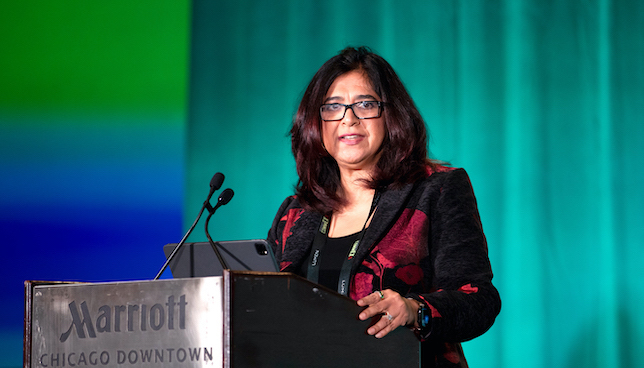
Tripti Sinha’s ascension to the presidency and CEO role on October 15, 2025, represented a natural continuation of decades of dedicated service within the community. Having previously served as the Chief Technology Officer at the University of Maryland, Sinha was an active participant during Internet2’s formative years, contributing directly to the architectural and policy decisions that shaped its foundational decades.

Her first year at the helm has been defined by rigorous strategic planning aimed at future-proofing the organization against rapidly shifting technological paradigms. In discussions with the community over the past year, Sinha has emphasized the importance of maintaining trust, agility, and robust security frameworks. By aligning the collective intelligence of its 517 member organizations, Internet2 has continuously modernized its network infrastructure to support emerging computational demands, such as distributed artificial intelligence training models, quantum networking experiments, and ultra-high-definition collaborative visualization tools.
Broader Implications for Global Research and Education
The milestone anniversary and leadership transition arrive at a critical juncture for global technology policy and infrastructure development. As data-intensive scientific instruments—such as the Vera C. Rubin Observatory and the High-Luminosity Large Hadron Collider—generate unprecedented volumes of telemetry and observational data, the demand for resilient, high-bandwidth research networks has never been higher.
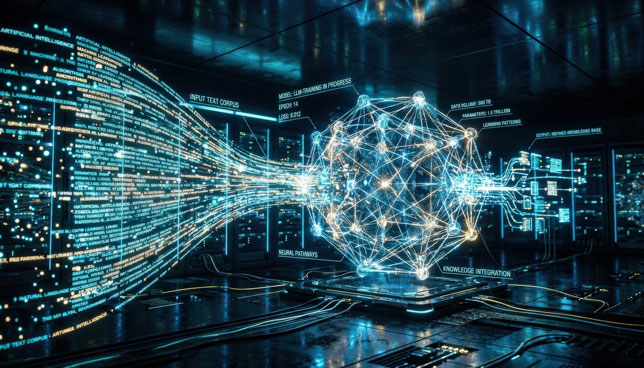
Internet2’s sustained ability to provide an uncompressed, dedicated digital highway ensures that United States researchers remain globally competitive. Furthermore, the organization’s ongoing collaborations with international R&E networks facilitate seamless trans-oceanic data transfers, cementing the interconnected nature of modern scientific inquiry.
Looking forward, Sinha and her leadership team are focused on integrating upcoming breakthrough technologies into the core architecture of Internet2. By fostering a collaborative environment where higher education, federal agencies, and private industry can experiment with next-generation protocols—such as software-defined networking, advanced trust and identity federations, and quantum-secured communications—Internet2 is well-positioned to navigate the next thirty years of technological disruption. The organization’s enduring success underscores the power of cooperative academic governance in building and sustaining critical digital infrastructure for the public good.