


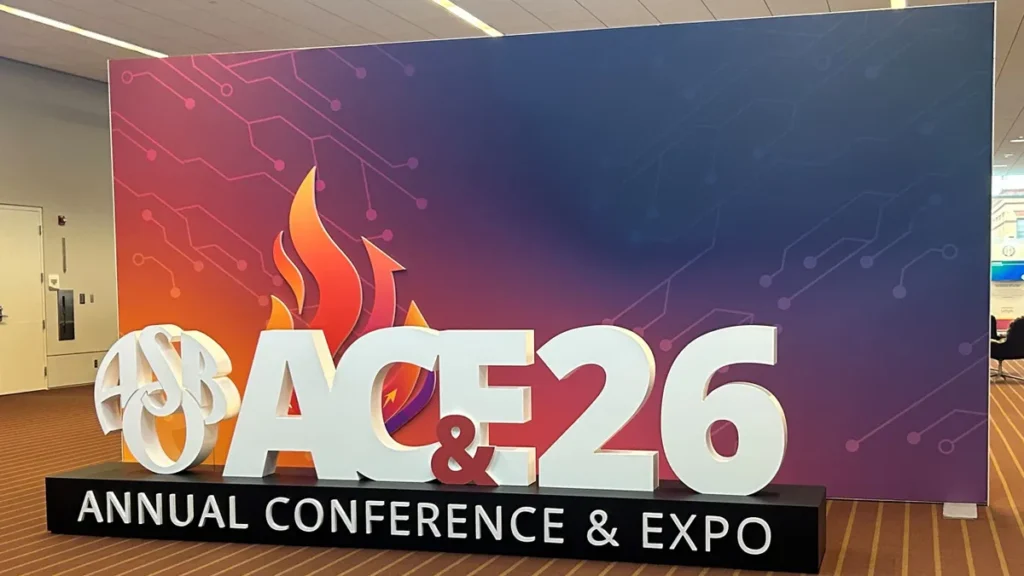
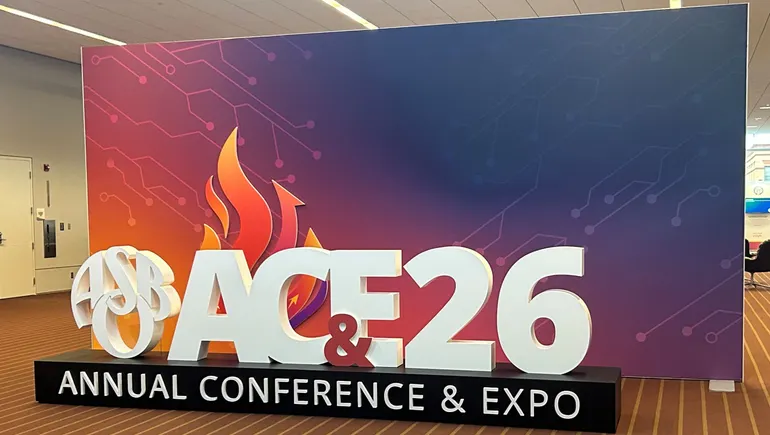
As K-12 public education navigates an increasingly complex financial landscape marked by shifting demographics, the expiration of federal pandemic relief funds, and the rapid expansion of alternative schooling models, approximately 750 of the nation’s top school business officials converged in Pittsburgh, Pennsylvania. Held from October 14 to October 16, 2026, the Association of School Business Officials International (ASBO) Annual Conference & Expo served as a critical forum for finance leaders seeking innovative strategies to safeguard district stability, manage shrinking revenues, and prove return on investment to skeptical taxpayers and state legislators.
The three-day event underscored a stark reality facing public school districts nationwide: traditional funding mechanisms are failing to keep pace with operational costs, and the proliferation of universal school choice programs is accelerating student enrollment declines. For district CFOs, chief business officials, and state education department leaders, the conference was less about celebrating past achievements and more about crisis management, strategic advocacy, and operational reinvention.
Main Facts and the Current Landscape of K-12 Finance
At the core of the discussions in Pittsburgh was the dual pressure of declining enrollment and stagnant or inadequate state funding. Over the past several years, public school districts across the United States have seen student populations shrink, driven by falling birth rates, demographic shifts, and the migration of students toward private schools, charter schools, and homeschooling networks fueled by newly enacted state voucher and education savings account (ESA) programs.
Because state funding formulas are predominantly tied to student enrollment—often calculated through metrics like Average Daily Attendance (ADA)—fewer students directly translate to reduced state allocations. However, districts cannot easily downsize fixed costs; maintaining school buildings, keeping transportation routes running, and meeting baseline administrative and special education mandates require substantial capital regardless of whether a classroom is at full capacity.
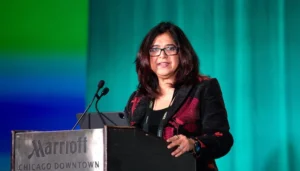
During an October 14 panel discussion featuring prominent school business officials, Anya Randle, deputy assistant superintendent at the Louisiana Department of Education, laid bare the mounting friction between public systems and alternative schooling models.
“Our battle is fighting school choice, getting adequate funding, and addressing a decline in public school enrollment,” Randle told attendees.
This financial squeeze has forced education finance leaders to rethink how they operate, moving away from passive bookkeeping toward aggressive fiscal planning and community engagement. Randle emphasized that the traditional posture of school business officials—silently managing spreadsheets behind closed doors and handing final ledgers over to state auditors—is no longer viable in an era where public education funding is fiercely contested.
Chronology of the Event: A Three-Day Deep Dive into Fiscal Strategy
The 2026 ASBO Annual Conference & Expo was meticulously structured to guide attendees through immediate crisis mitigation and long-term fiscal sustainability.
Day One: Confronting Systemic Funding Shortfires
The conference kicked off on October 14 with high-profile panel sessions addressing macroeconomic pressures on education budgets. Sessions heavily focused on the post-ESSER (Elementary and Secondary School Emergency Relief) fiscal cliff, as districts officially operate without the cushion of federal pandemic stimulus money.
Panelists detailed how states are struggling to absorb the operational costs previously funded by federal dollars, leading to painful budget balancing acts that often involve staff layoffs, program cuts, and deferred facilities maintenance. State-level leaders like Randle discussed the policy battles unfolding in state capitals, where lawmakers are grappling with how to fund expanding private school choice programs without destabilizing the public K-12 infrastructure that serves the vast majority of children.
Day Two: Innovation, Efficiency, and Return on Investment
On October 15, the focus shifted from policy grievances to tactical, ground-level innovation. Sessions highlighted case studies from districts that successfully identified millions of dollars in operational savings without sacrificing classroom instruction.
Notably, school business officials from Indiana shared strategies for conducting comprehensive operational audits, renegotiating vendor contracts, and leveraging technology to streamline administrative overhead. These sessions provided attendees with actionable frameworks for finding strategic savings in tight budgets—skills that have become mandatory for survival as inflation continues to impact energy, transportation, and personnel costs.
Concurrently, a prominent district leader from Delaware led a well-attended workshop on establishing rigorous data-tracking processes. The session focused on how school finance teams can explicitly demonstrate that district investments are directly driving improved student academic outcomes. In an era of heightened public scrutiny and demands for fiscal accountability, proving that every dollar spent yields tangible educational benefits has become a vital tool for maintaining community trust and passing local bond measures.

Day Three: Future-Proofing District Operations
The final day of the conference, October 16, centered on long-term forecasting, technological integration in financial management, and legislative advocacy training. Attendees participated in workshops designed to help them build resilient multi-year budget forecasts capable of withstanding economic downturns and sudden legislative funding shifts. Experts also emphasized the importance of leveraging artificial intelligence and advanced data analytics to track spending patterns and predict future enrollment trends with greater accuracy.
Supporting Data and Economic Realities
The urgency displayed by attendees in Pittsburgh is firmly rooted in broader economic and demographic data. According to data from the National Center for Education Statistics (NCES), public school enrollment nationwide dropped significantly during the COVID-19 pandemic and has struggled to return to pre-2020 baseline levels in many states.
Simultaneously, the legislative landscape has shifted dramatically. As of 2026, more than a dozen states have enacted universal or near-universal voucher programs, allowing public tax dollars to follow students to private and religious schools. While proponents argue that competition drives educational quality and gives families necessary flexibility, public school advocates and finance officials point out that these programs draw essential per-pupil revenue away from local school districts that still carry the fixed costs of maintaining neighborhood schools.
Compounding these revenue challenges are rising labor costs. Driven by widespread teacher shortages and competitive pressures from the private sector, school districts across the country have had to raise salaries and enhance benefits packages to retain qualified educators and support staff. While these wage increases are necessary to address the teacher shortage crisis, they place an immense strain on district budgets that are simultaneously facing declining enrollment-based revenues.
The Imperative of Narrative Control and Public Advocacy
A recurring theme throughout the ASBO conference was the necessity for finance leaders to step out of the back office and become active public storytellers. For decades, school business officials were viewed strictly as technicians—accountants who balanced books, managed payroll, and ensured compliance with state and federal regulations.
However, speakers like Anya Randle argued that this insular approach leaves public education vulnerable to external narratives that may mischaracterize how tax dollars are utilized.
“We can’t hide behind the Excel spreadsheets or just give the auditors the documents,” Randle emphasized during her conference address.

If district finance leaders fail to proactively articulate their financial realities, challenges, and successes to the public, Randle warned, “someone else may be telling our story for us, and it may not be an accurate story.”
This call to action reflects a broader cultural shift within school business administration. Modern CFOs are increasingly expected to be master communicators capable of translating complex financial data into compelling narratives for school boards, local media, taxpayers, and state legislators. By openly discussing the impacts of school choice, inflationary pressures, and the loss of federal relief funds, finance leaders aim to build stronger coalitions of support for public schools.
Broader Impact and Implications for the Future of Public Education
The discussions and strategies shared at the ASBO 2026 conference carry profound implications for the trajectory of American public education over the next decade. As districts grapple with a permanently altered financial ecosystem, the traditional model of school budgeting—largely based on incremental adjustments to the previous year’s spending—is giving way to strategic, data-driven resource allocation.
The pressure from school choice and enrollment declines is forcing public school systems to evaluate their core value propositions critically. Districts that successfully adapt will be those that can transparently demonstrate educational efficacy, modernize their operational efficiencies, and engage their local communities in honest dialogues about resource constraints and priorities.
Furthermore, the insights gained in Pittsburgh highlight the growing complexity of the school business official’s role. No longer just stewards of compliance and payroll, today’s K-12 finance leaders are strategic architects navigating a high-stakes environment where financial acumen must be paired with political savvy, public relations skill, and visionary leadership.
As districts nationwide look toward the remainder of the 2026–27 academic year and begin drafting budgets for the future, the lessons imparted at the ASBO Annual Conference & Expo will serve as a vital playbook for weathering fiscal storms and advocating for the long-term sustainability of public education.