

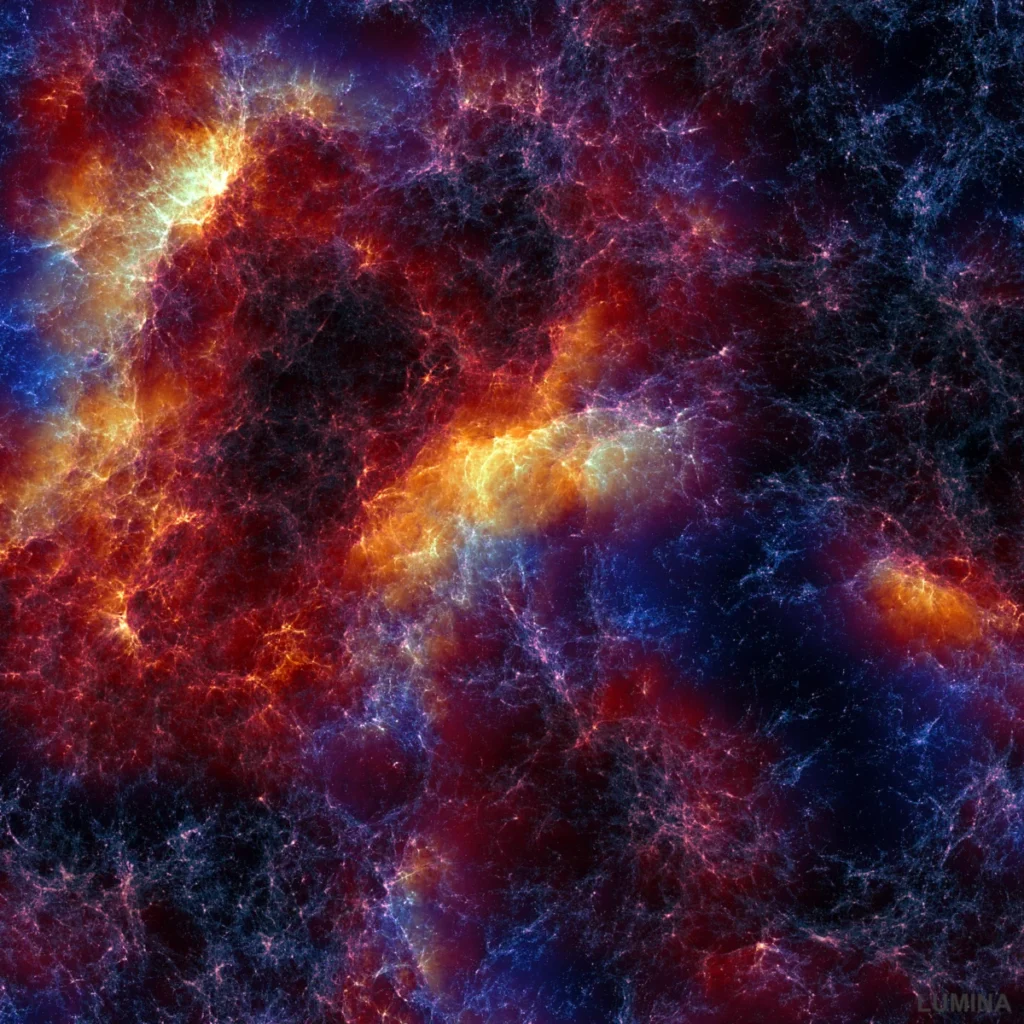
Astrophysics has entered a transformative era, propelled by advanced space-based observatories and computational models capable of replicating the cosmos on a scale previously thought impossible. Researchers at the Center for Astrophysics | Harvard & Smithsonian have unveiled Lumina, recognized as one of the largest and most detailed cosmological radiation-hydrodynamics simulations ever created. Published in the Monthly Notices of the Royal Astronomical Society, this breakthrough model bridges a critical knowledge gap, allowing scientists to visualize the first two billion years of the universe with staggering clarity.
The development of Lumina marks a watershed moment in computational cosmology. By harnessing the raw processing power of more than 15,000 graphics processing units, an international team of researchers successfully tracked the complex, interdependent relationships between ordinary matter, dark matter, and radiation following the Big Bang. As observational instruments like the James Webb Space Telescope (JWST) and the upcoming Nancy Grace Roman Space Telescope peer deeper into the cosmic dawn, tools like Lumina provide the theoretical backbone necessary to interpret unprecedented volumes of deep-space data.
Main Facts and Technical Scope
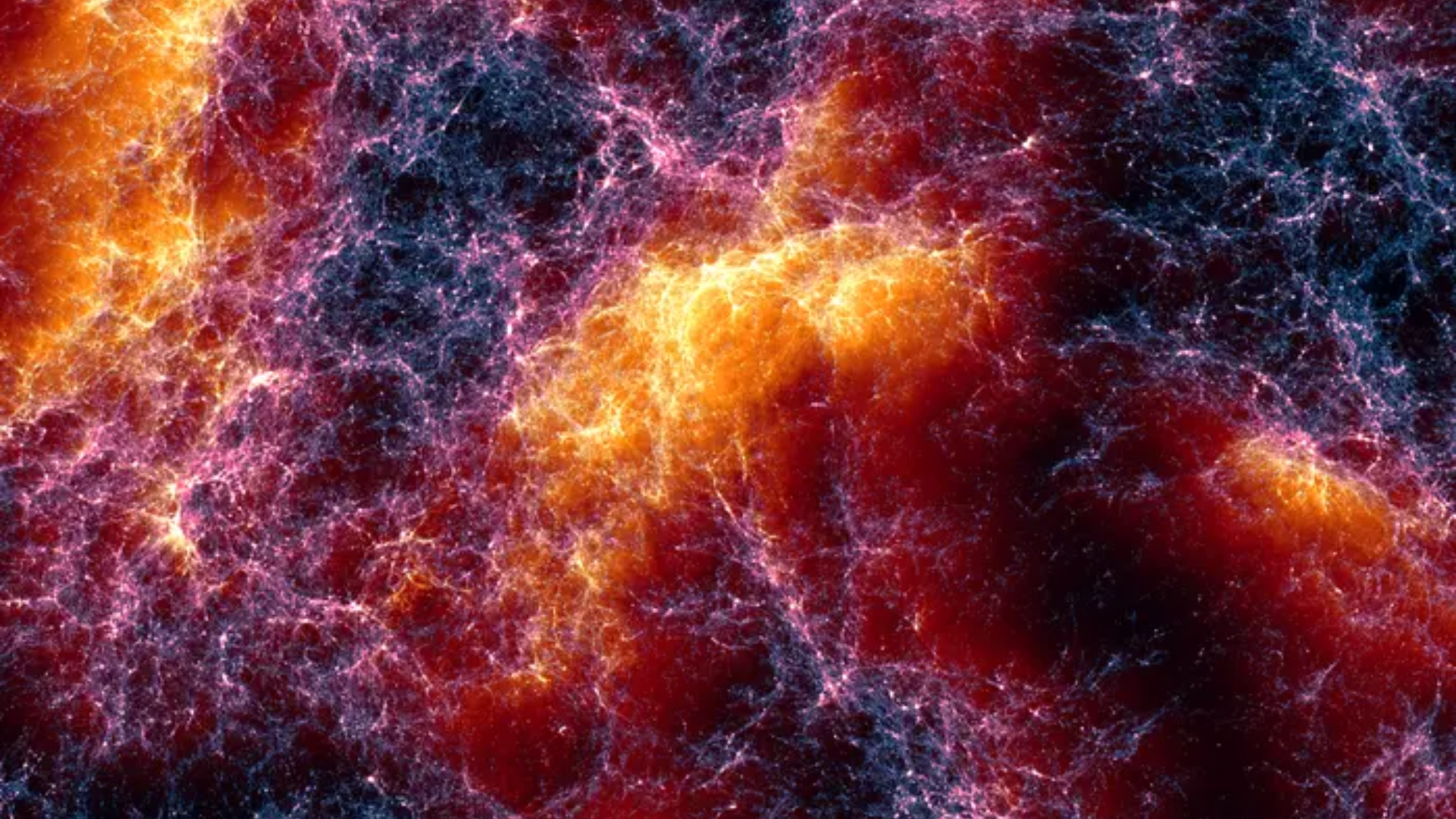
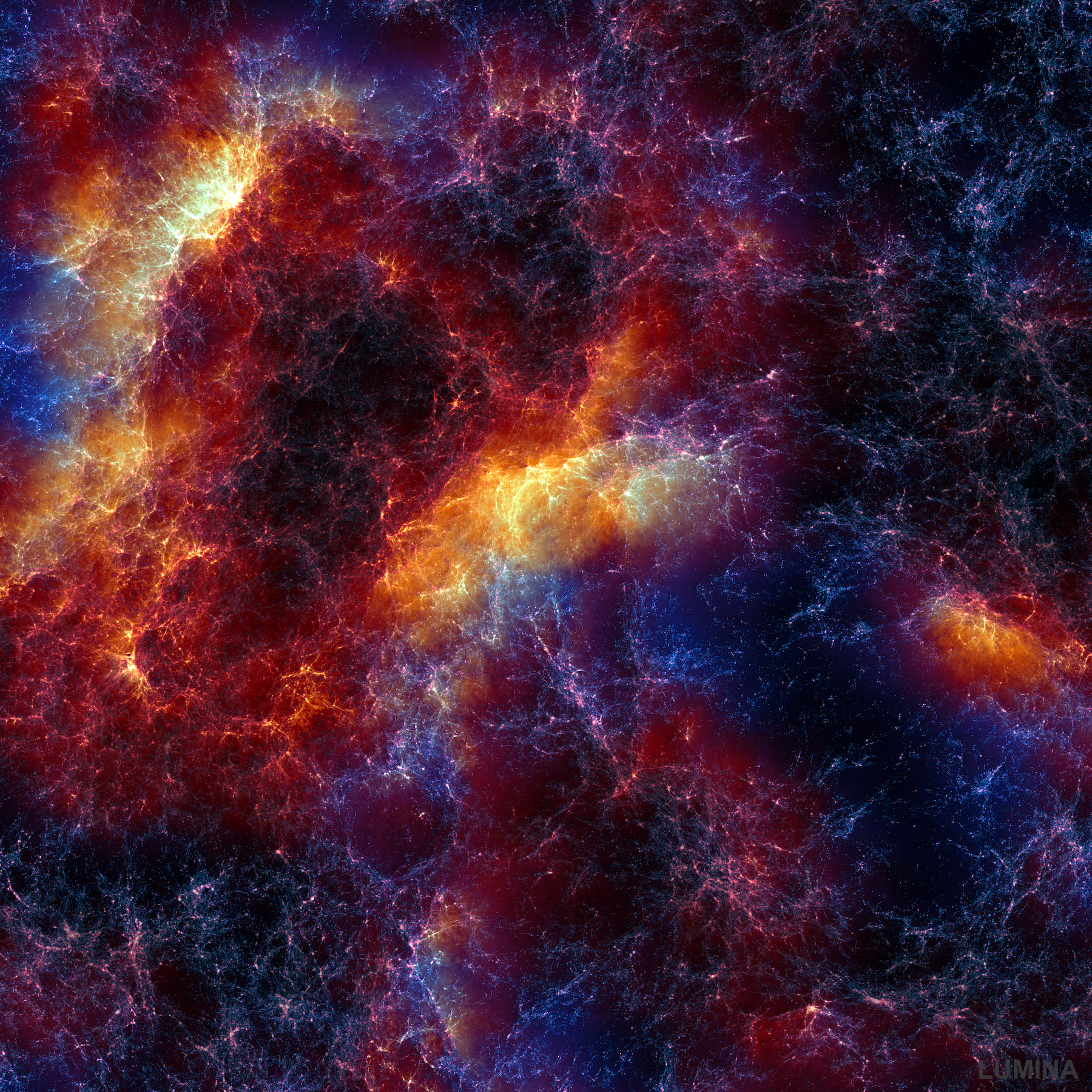
Lumina is not merely a visual rendering; it is a sophisticated radiation-hydrodynamics simulation that models the physical laws governing the formative stages of the universe. Spanning a simulated cosmic web approximately 650 million light-years across, the model traces how primordial gas, invisible dark matter, and intense radiation interacted to seed the very first stars and galaxies.
Unlike previous simulations that often sacrificed fine-scale resolution to capture large volumes—or vice versa—Lumina achieves a rare balance. It tracks macroscopic structures, such as galaxy clusters and vast cosmic filaments, while simultaneously resolving the smaller luminous objects driving the transformation of intergalactic gas.
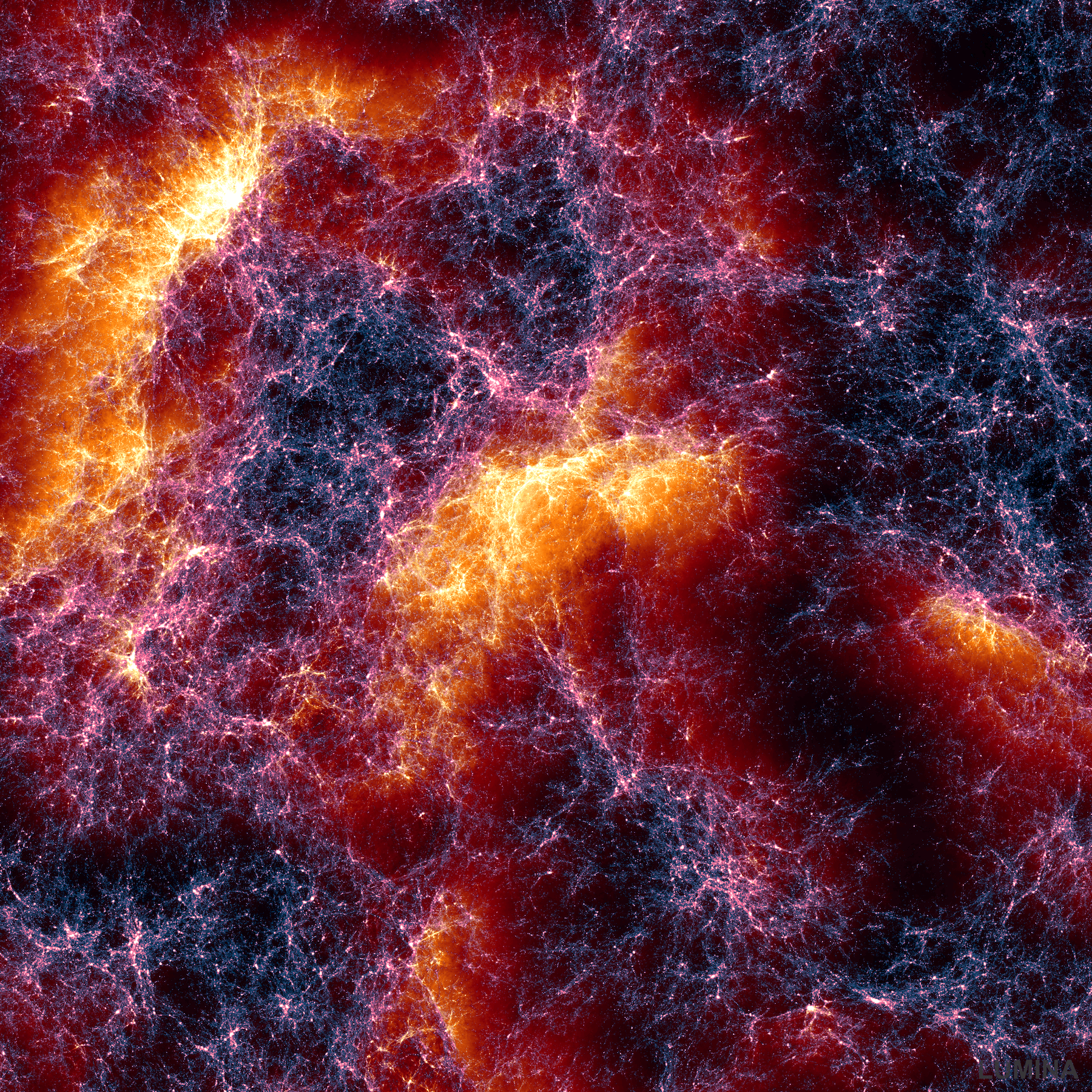
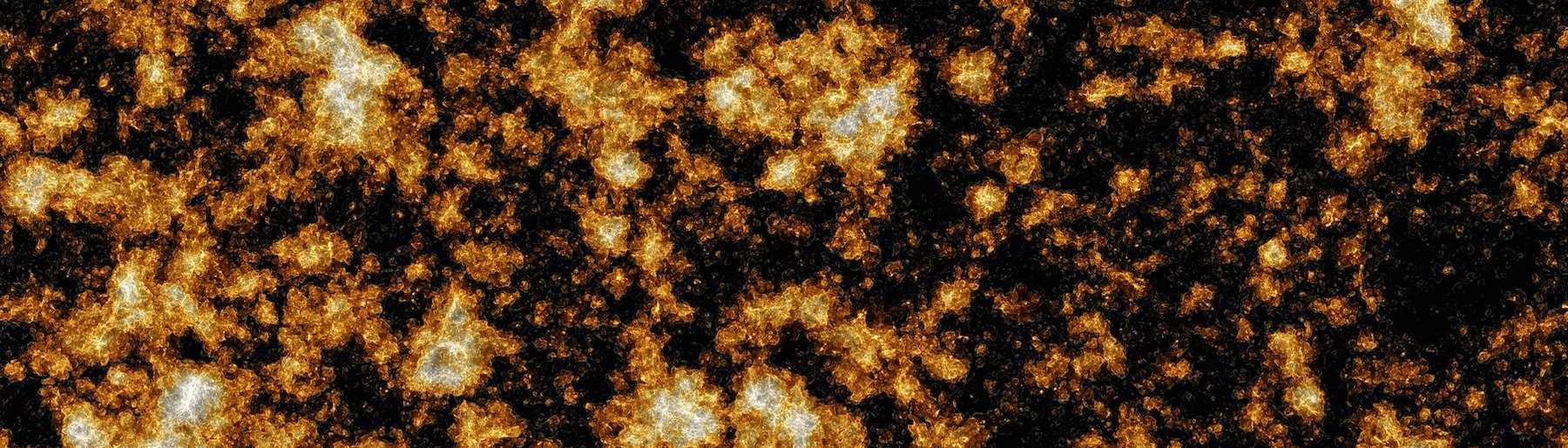
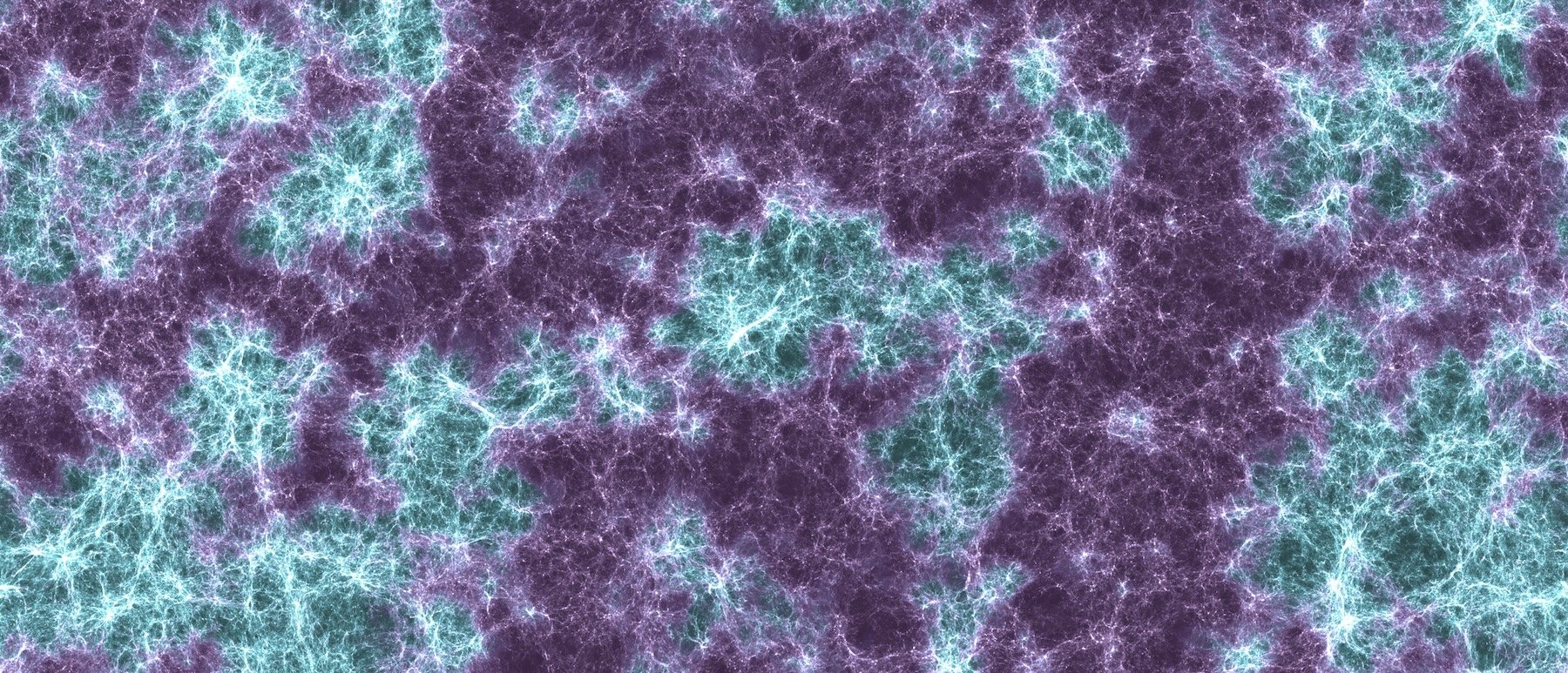
A central focus of the simulation is the tracking of cosmic phase transitions, specifically the reionization of hydrogen and helium. During the universe’s infancy, neutral gases absorbed ultraviolet light, shrouding the cosmos in a dense fog. The ignition of the first massive stars and early black holes produced energetic radiation that systematically ionized these gases, converting them into their modern, transparent forms. Lumina offers scientists a dynamic, frame-by-frame visualization of how these elements—hydrogen rendered in luminous gold regions and helium mapped in striking cyan—evolved across expansive cosmic volumes.
Chronology and Development Timeline
The path to creating Lumina spans years of rigorous theoretical refinement, algorithm optimization, and high-performance computing deployment.
The foundational framework for cosmological simulations of this magnitude dates back decades, evolving alongside the exponential growth of supercomputing infrastructure. However, modeling the epoch of reionization—the complex era when the universe transitioned from opaque to transparent—remained a formidable computational hurdle due to the simultaneous need to track radiative transfer, gas dynamics, and gravitational collapse on vastly different scales.
In the years leading up to the launch and initial operations of the James Webb Space Telescope in 2022, the scientific demand for predictive theoretical models intensified. Observational data returned by JWST consistently pushed the timeline of early galaxy formation further back than traditional models predicted, creating an urgent need for advanced simulations.
Responding to this challenge, the research team at the Center for Astrophysics | Harvard & Smithsonian, alongside collaborating institutions, spent several years writing, testing, and scaling the software architecture that would become Lumina. The utilization of over 15,000 GPUs allowed the team to execute complex parallel processing computations, culminating in the final simulation dataset and its subsequent publication in late 2026.
Supporting Data and Computational Mechanics
Modern cosmological simulations require immense computational resources to translate fundamental physics into observable predictions. The universe is governed by non-linear equations of fluid dynamics and gravity, complicated by the thermodynamics of radiative cooling and heating.
To construct Lumina, researchers relied on advanced hydrodynamical codes capable of solving the equations of magnetohydrodynamics alongside Monte Carlo radiation transport algorithms. The dataset accounts for:
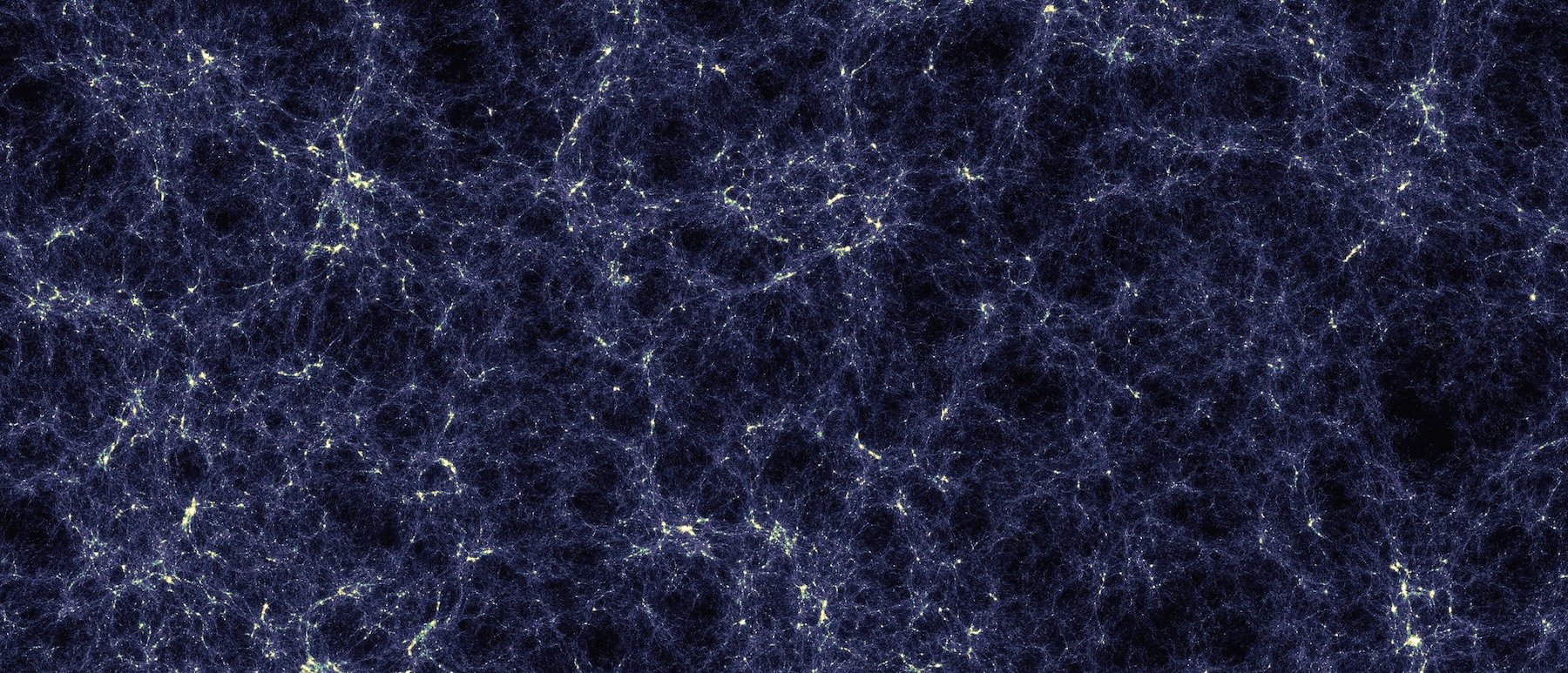
- Dark Matter Distribution: Tracing the gravitational scaffolding of the universe, represented visually as fine, intricate filaments that guide the flow of ordinary matter.
- Gas Dynamics: Highlighting regions of high-velocity gas streaming between nascent galaxy clusters, visualized through warm orange and yellow gradients.
- Elemental Ionization States: Mapping the spatial and temporal evolution of hydrogen and helium as they undergo single and double ionization driven by early stellar radiation.
By processing trillions of particles and grid cells across thousands of specialized processors, the simulation generates petabytes of data that can be sliced, analyzed, and visualized from macro-scale cosmic webs down to individual galactic environments.
Official Responses and Researcher Insights
The implications of the Lumina project extend far beyond computer science, directly addressing fundamental questions regarding the evolution of the universe.
Oliver Zier, a computational astronomer and Institute for Theory and Computation (ITC) Fellow at the Center for Astrophysics | Harvard & Smithsonian, as well as the lead author of the study, emphasized the synergy between modern observation and theoretical modeling.
"With JWST, the early universe has become an exciting new frontier in astrophysics," Zier noted in an official statement. "To understand what we are seeing with this telescope, we need to translate our theories into detailed predictions. After several years of work, with plenty of ups and downs, it is incredibly rewarding to see the simulation results and watch our predictions come to life in video."
Aaron Smith, an assistant professor of physics at the University of Texas at Dallas and co-author of the study, echoed these sentiments, highlighting the unprecedented scope of the achievement.
"We feel incredibly fortunate to be building simulations like Lumina," Smith said. "For the first time, we can follow along as both hydrogen and helium changed into their modern form across such an enormous volume of the universe, while still resolving the galaxies and other luminous objects driving that transformation."
Broader Impact and Implications for Modern Physics
The deployment of Lumina arrives at a crucial juncture for observational astronomy. As space telescopes capture light emitted over 13 billion years ago, astronomers frequently encounter anomalies—such as galaxies that appear far more massive or mature than standard cosmological models predict.
Lumina serves as a vital diagnostic sandbox for these celestial discoveries. By comparing real-world observational data against the predictions generated by Lumina, researchers can rigorously test whether our current understanding of the laws of physics remains robust. Discrepancies between the simulation and actual telescope observations may indicate standard model limitations, potentially pointing toward new physics, unconventional dark matter properties, or previously unaccounted-for astrophysical feedback mechanisms.
Furthermore, the public release of the Lumina project datasets and visual media provides an educational resource, translating complex mathematical equations and supercomputer calculations into intuitive representations of our cosmic origins. As researchers continue to mine the simulation data, Lumina will undoubtedly inform observational strategies for upcoming missions, guiding the trajectory of observational and theoretical astrophysics for years to come.