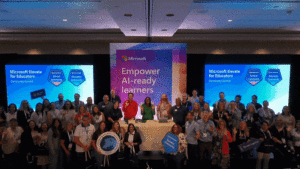



Microsoft Corporation has unveiled a series of expansive commitments designed to bolster the Presidential AI Challenge and the federal AI Education Executive Order, signaling a pivotal shift in the integration of artificial intelligence within the United States educational system and labor market. During a high-level meeting of the White House AI Education Task Force on September 4, 2025, Microsoft leadership, including Vice Chair and President Brad Smith, LinkedIn CEO Ryan Roslansky, and Microsoft Chairman and CEO Satya Nadella, outlined a roadmap intended to democratize access to advanced AI tools. The initiative seeks to bridge the widening gap between rapid technological advancement and the current capabilities of the domestic workforce, ensuring that students, educators, and job seekers possess the necessary competencies to navigate an AI-driven economy.
The announcement comes at a critical juncture as the federal government intensifies its efforts to establish a national strategy for AI literacy and safety. By aligning its corporate resources with the goals of the Presidential AI Challenge, Microsoft aims to facilitate the widespread diffusion of AI technology, which the company identifies as a prerequisite for equitable economic growth. The strategy is built upon three foundational pillars: the empowerment of the academic community through cutting-edge software, the systematic development of AI-specific skill sets through hands-on learning, and the creation of direct pathways to employment by linking digital credentials with real-world job opportunities.
A Strategic Framework for National AI Literacy
The cornerstone of Microsoft’s new commitment involves a multi-layered approach to education and professional development. Satya Nadella, in a video address to the White House Task Force, emphasized that the transformative potential of AI can only be realized if the technology is accessible to the broadest possible segment of the population. This "diffusion of innovation" requires not only the provision of software but also a fundamental reimagining of how skills are acquired and verified in the digital age.
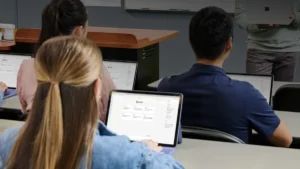
Microsoft’s plan focuses heavily on the role of the educator. By providing teachers with specialized versions of Microsoft Copilot and other AI-assisted pedagogical tools, the company intends to reduce administrative burdens and allow for more personalized student engagement. In the classroom setting, these tools are designed to serve as "tutors for all," providing students with real-time feedback and assistance that was previously unavailable at scale. This initiative is expected to reach millions of students across the U.S., particularly in underserved districts where access to high-level technical resources has historically been limited.
Chronology of Federal AI Policy and Microsoft’s Involvement
The partnership between the White House and Microsoft is the result of several years of escalating policy development regarding emerging technologies. The timeline below illustrates the progression leading to the September 2025 commitments:
- October 2023: The White House issues the landmark Executive Order on the Safe, Secure, and Trustworthy Development and Use of Artificial Intelligence, which laid the groundwork for federal oversight and the promotion of AI education.
- May 2024: The Department of Education releases a comprehensive guide for AI in teaching and learning, urging schools to adopt responsible AI frameworks.
- January 2025: The Presidential AI Challenge is officially launched, inviting private sector leaders to contribute resources toward national digital literacy.
- June 2025: Formation of the White House AI Education Task Force, a collaborative body involving tech executives, labor leaders, and educational experts.
- September 4, 2025: Microsoft announces its specific commitments to the Task Force, marking one of the largest private-sector investments in federal AI initiatives to date.
This chronology reflects a shift from purely defensive regulatory concerns to a more proactive, growth-oriented stance on AI education. Microsoft’s early participation in these discussions has positioned the company as a primary architect of the public-private partnership model that the current administration is championing.
Supporting Data: The Growing AI Skills Gap
Recent economic data underscores the urgency of Microsoft’s mission. According to research conducted by LinkedIn and Microsoft’s 2024 Work Trend Index, approximately 75% of knowledge workers globally are already using AI at work. However, there remains a significant "attainment gap" between those who use AI casually and those who possess the formal certifications required by high-growth industries.
Internal LinkedIn data suggests that job postings mentioning "AI" or "Generative AI" have increased by more than 300% over the past two years. Furthermore, workers who list AI skills on their profiles are seeing a nearly 20% higher rate of recruitment outreach compared to those who do not. Despite this demand, a 2025 survey of US educators revealed that only 22% felt adequately prepared to teach AI concepts to their students. Microsoft’s commitment to providing structured curricula and teacher training is specifically designed to address these statistical deficiencies.
By targeting both the supply side (students and job seekers) and the infrastructure side (teachers and schools), Microsoft aims to stabilize a labor market that is currently being disrupted by automation. The company projects that its new training modules could assist in certifying upwards of one million Americans in foundational AI competencies within the next 18 months.

Official Responses and Cross-Sector Collaboration
The reaction from the White House and the broader business community has been largely positive, highlighting the necessity of corporate accountability in the tech sector. The First Lady, who has been a vocal advocate for vocational training and community colleges, praised the initiative for its focus on practical application. Members of the AI Education Task Force noted that Microsoft’s willingness to integrate LinkedIn’s professional networking capabilities with Microsoft’s educational software creates a "closed-loop" system where learning directly informs hiring.
Ryan Roslansky, CEO of LinkedIn, remarked during the meeting that the future of the American workforce lies in a "skills-first" philosophy. He argued that traditional degrees, while valuable, must be supplemented by verifiable, granular digital skills. Through the new commitments, LinkedIn will expand its "Learning Paths" to include specialized AI certifications that are recognized by thousands of employers, thereby reducing friction in the hiring process for those transitioning from academic environments to the workforce.
Brad Smith, Microsoft Vice Chair and President, reiterated the company’s commitment to "AI for Good," stating that the technology should be used to augment human capability rather than replace it. Smith’s involvement suggests that Microsoft views these educational commitments not just as a corporate social responsibility (CSR) initiative, but as a strategic necessity for maintaining US competitiveness on the global stage.
Technical Implementation: Copilot in the Classroom
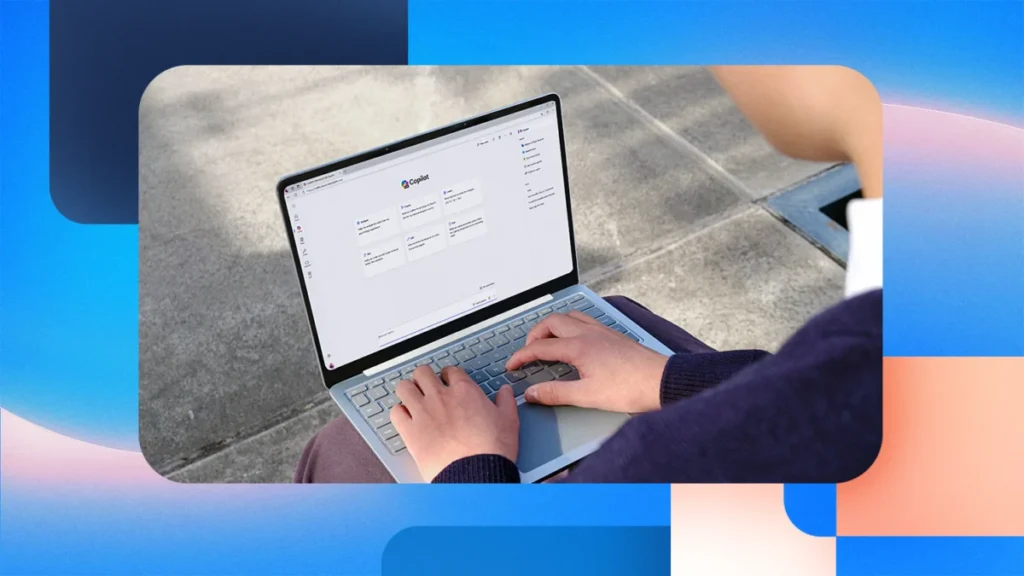
A significant portion of the Microsoft commitment involves the deployment of Microsoft Copilot for Education. This platform is a specialized version of the company’s AI assistant, built with enterprise-grade data protections to ensure student privacy and compliance with the Family Educational Rights and Privacy Act (FERPA).
The implementation will include:
- AI-Powered Lesson Planning: Tools that allow teachers to generate customized lesson plans, quizzes, and rubrics based on specific state standards.
- Interactive Student Tutors: AI interfaces that help students brainstorm ideas for essays, debug code in real-time, or practice conversational foreign languages.
- Administrative Automation: Systems designed to handle routine grading and attendance tasks, theoretically returning hundreds of hours of instruction time to teachers annually.
Microsoft has also pledged to provide these tools at a subsidized rate or via grants to Title I schools, ensuring that the "AI divide" does not mirror the "digital divide" of the early internet era.
Analysis of Broader Impact and Long-term Implications
The implications of Microsoft’s commitment extend beyond the classroom. By standardizing AI education through its platforms, Microsoft is effectively setting the benchmark for what "AI literacy" means in the United States. This move consolidates the company’s influence within the public sector and ensures that the next generation of workers will be proficient in Microsoft-centric ecosystems.
From a geopolitical perspective, this initiative is a response to the aggressive AI investments being made by other global powers. The US government’s reliance on Microsoft to spearhead this educational drive highlights the unique role of American big tech in national security and economic policy. If successful, the program could serve as a blueprint for other nations looking to modernize their workforces.
However, the success of this initiative will depend on the actual adoption rates among teachers who are already facing burnout and resource shortages. While the technology is promising, the human element—the willingness and ability of educators to integrate these tools into a traditional curriculum—remains the most significant variable. Microsoft’s focus on "training the trainer" suggests that the company is aware of this hurdle and is prioritizing pedagogical support over mere software distribution.
As the Presidential AI Challenge continues to evolve, the integration of LinkedIn’s economic graph with Microsoft’s educational tools will likely become the standard for how public-private partnerships operate in the 21st century. The September 4 announcement marks the beginning of a concerted effort to ensure that the "Age of AI" is defined by opportunity rather than displacement, providing a roadmap for a more resilient and technologically proficient American workforce.