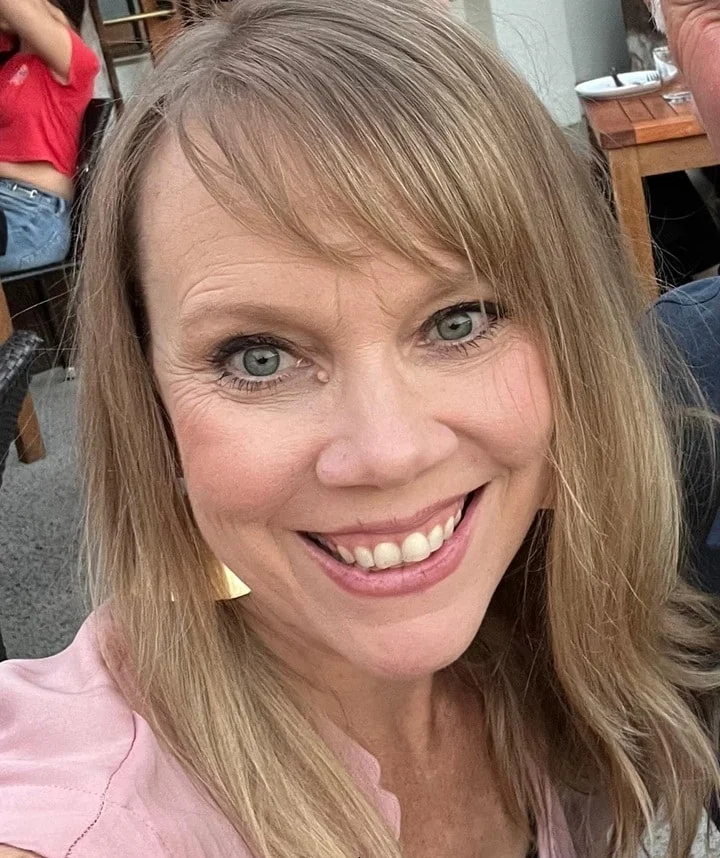




A groundbreaking approach to writing instruction, developed through a doctoral dissertation, is demonstrating remarkable success in shifting students from formulaic, disengaged writing to authentic, deeply reflective expression. Spearheaded by educator Nashwa Elkoshairi, this methodology, centered on inquiry-based freewriting and Culturally Responsive Leadership (CRL), addresses long-standing challenges in English language arts education, particularly the struggle to foster genuine student voice amidst pressures from standardized testing and rigid curricula. The initiative posits that when students are empowered to explore ideas relevant to their lives without the immediate burden of perfection, their confidence and cognitive abilities flourish, a critical development in an era increasingly dominated by artificial intelligence and shrinking attention spans.
The Foundational Challenge: Lifeless Writing and Lost Confidence
For years, educators have grappled with the pervasive issue of student writing becoming a "transactional activity" rather than a meaningful act of communication and discovery. Traditional teaching methods, often driven by the need to meet state report card expectations and prepare students for standardized assessments, frequently rely on formulaic structures like the five-paragraph essay, RACES (Restate, Answer, Cite, Explain, Summarize), and strict rubrics. While these scaffolds can offer initial guidance, they often become restrictive traps, stifling creativity, critical thinking, and individual expression. Students learn to "check a box" and earn a grade, resulting in writing that is generic, predictable, and devoid of personal connection.
This reliance on rigid structures, coupled with punitive grading practices, has a detrimental effect on student confidence. Marked-up papers and low scores contribute to a self-perception of being "bad writers," leading to disengagement and a reluctance to take risks. Efforts to introduce student choice, such as choice boards for format or presentation, often prove to be superficial, masking the same underlying routine of strict rubrics and teacher-centric expectations. The core problem, as identified by Elkoshairi during her early teaching career, was a fundamental lack of ownership and trust in students’ innate voices. This became the central question of her PhD dissertation: How can students be empowered to claim ownership of their writing and cultivate trust in their unique perspectives?
A Paradigm Shift: Embracing Freewriting’s Liberating Potential
Elkoshairi’s research delved into the practices of renowned educational theorists and writing pedagogues, including Peter Elbow, Peter Macrorie, and John Dewey, who advocated for reflective and freewriting methods. These scholars emphasized that authentic writing, as seen in literature and academic texts, involves expression, critical thinking, and grappling with complex ideas, a stark contrast to the formulaic exercises often assigned in classrooms.
Freewriting, at its core, is an open and continuous writing practice where individuals commit their thoughts to paper without interruption, self-correction, or pre-planning. The primary objective is discovery, allowing writers to unearth ideas they may not have consciously recognized. This emphasis on process over product liberates writers from the paralysis of perfectionism, encouraging a free flow of consciousness. Adapting these foundational principles, Elkoshairi integrated structured freewriting within an inquiry-based learning cycle, aiming to foster deeper engagement and cognitive development.
The results of this adaptation were transformative. Students who initially struggled to produce even 150 words of surface-level thought progressed to generating over 500 words of "transformational reflection" by the end of the academic year. For the first time in Elkoshairi’s teaching career, writing became a student-centered activity, demonstrating that these practices, though initially implemented in a virtual setting, are universally applicable across diverse learning environments.
The Imperative of Voice in the AI Age
The contemporary educational landscape, characterized by the ubiquity of artificial intelligence tools and social media, presents unique challenges to the development of authentic student voice and critical thinking. With AI-generated text becoming increasingly accessible, there is a growing risk that students will lose confidence in their own intellectual capabilities, opting to delegate thinking and writing tasks to algorithms. This trend, Elkoshairi argues, is less about laziness and more about years of internalizing the belief that they are "not good writers."
Inquiry-based freewriting offers a powerful counter-narrative. By providing accessible topics rooted in students’ identities and lived experiences, it allows them to build writing fluency and recognize the inherent value and strength of their own thoughts. Formulaic approaches, while offering initial scaffolds, ultimately suppress curiosity, creativity, and identity. They lock students into predetermined structures, leaving no room for divergent thinking. Structured freewriting, conversely, opens cognitive pathways, inviting students to take risks, own their ideas, and engage in genuine self-expression without the threat of penalty. The shift from compliance to curiosity transforms writing into an inviting space for exploration.
Culturally Responsive Leadership: Setting the Stage for Authentic Inquiry
Before implementing the inquiry-based freewriting process, Elkoshairi recognized the necessity of establishing a learning environment that prioritizes safety, inclusion, and belonging. Traditional school structures often do not inherently align with culturally responsive approaches, making it imperative for educators to actively disrupt inequities in voice and representation.
Drawing upon the principles of Culturally Responsive Leadership (CRL), as described by researchers like Muhammad Khalifa, Elkoshairi translated broader leadership commitments into practical classroom practices. CRL emphasizes critical self-reflection and extends to how educators support students, shape environments, and engage families. For her middle school students, Elkoshairi established four grounding practices to create the necessary conditions for authentic inquiry:
- Building a Safe and Inclusive Community: Fostering an environment where all students feel valued, respected, and safe to express themselves.
- Valuing Student Identity and Experience: Integrating students’ diverse backgrounds, cultures, and personal narratives into the curriculum.
- Promoting Student Agency and Choice: Empowering students to make meaningful decisions about their learning and expression.
- Cultivating a Growth Mindset: Encouraging students to view challenges as opportunities for learning and development, rather than indicators of fixed ability.
These foundational conditions were crucial in preparing students for the reflective work demanded by inquiry-based freewriting, ensuring that authentic thinking could emerge and thrive.
Inquiry-Based Freewriting in Action: A Detailed Unit Example
The inquiry-based freewriting routine is anchored by a driving question, designed to spark curiosity and relevance for middle schoolers. This question is not a mere standards-based task but a human-centered inquiry that fuels deeper exploration. For instance, questions like "How do stories connect us?" or "What drives the choices we make?" serve as conceptual anchors, with ELA standards taught through the analysis of media within the inquiry cycle.
A sample unit focusing on the driving question, "Why does friendship matter?", illustrates the four-week instructional process:

Week 1: Setting the Question and Building Background
- Entry Freewrite: Students begin with an initial freewrite on the driving question, drawing upon their personal experiences and opinions. This provides a baseline assessment of their thinking. Optional prompts are available as scaffolds, but students are encouraged to write freely.
- Informational Texts: The class then engages with informational texts about friendship, exploring topics such as the science of friendship, cultural perspectives, and the role of friendship in adolescent development. This phase builds foundational knowledge and introduces various authors’ purposes and perspectives.
Week 2: Shifting Into Literature and Point of View
- Literary Exploration: The driving question remains, but the focus shifts to literature. Students analyze short stories, excerpts from novels, or poetry that explore themes of friendship, point of view, and unreliable narration.
- Skill Development: Activities include identifying literary devices, analyzing character motivations, and understanding how perspective shapes narrative. Assessments can range from traditional multiple-choice questions to performance-based tasks, all while maintaining rigorous standards and anchoring the work in meaning.
Week 3: Writing the Narrative, Applying the Standards
- Narrative Project: Students embark on a writing project directly inspired by their readings and reflections. This performance assessment integrates various ELA standards, culminating in a narrative scene exploring friendship through perspective and point of view.
- Creative Process: Students engage in brainstorming, drafting, revising, and editing, focusing on elements such as description, dialogue, and style. The project serves as a demonstration of their ability to transfer reading analysis skills into their own creative writing, assessed via a standards-based rubric.
Week 4: Exit Freewrite and Synthesis
- Exit Freewrite: Students revisit the original driving question, "Why does friendship matter?" This time, their writing is informed by weeks of reading, discussion, and creative expression.
- Deep Reflection: With optional prompts available, students synthesize personal experiences with insights gleaned from texts, naturally explaining how their thinking has evolved, been challenged, or confirmed. The exit freewrite becomes a powerful space where academic standards and personal identity converge, demonstrating advanced skills in explanation, synthesis, and reflection through a human-centered lens.
Crucially, the freewrite assessments are intentionally low-constraint, focusing on personal reflection and meeting a gradually increasing word count. Spelling and conventions are deemphasized to prioritize the flow of ideas. This low-stakes environment empowers students to take ownership of their thoughts, naturally weaving together narrative, informational, and early research elements without explicit prompting.
Student Responses and Feedback Mechanisms
Initial resistance to freewriting was common, as students were accustomed to precise instructions and predictable grading. One student candidly remarked, "My first freewrite was pretty short, and I didn’t really know what I was doing." Another admitted, "I didn’t like them in the beginning, but the more units we went through, the better the units got, and the more I liked the freedom." This early tension highlighted students’ reliance on external structures and their discomfort with ambiguity.
However, as the weeks progressed, a profound shift occurred. Students reported increased confidence, loosened writing, and deeper engagement. One student reflected, "After reading my previous free writes, I can tell how much I have grown as a writer. As the year progressed, the flow and depth of my writing also progressed. This is because I let my thoughts go. I wrote what I was feeling, without the pressure of being perfect. There were no limits, which made my writing so much easier to read and write."
Others noted a growing trust in their own thinking processes. "I started to understand the questions more and was able to write more thought-out freewrites," one student observed. "I also think that throughout this year I have grown in my ability to just write what I’m thinking." This intentional shift from surface-level thoughts to deeper self-awareness was a recurring theme. "I tried to not only describe my thoughts, but I started to try to analyze my thoughts deeper and I tried to identify patterns and look for ways to improve those patterns," another student explained.
The depth of thinking and writing in the freewrites often surpassed that in more structured assignments. Students felt that freewriting not only helped them grow as writers but also as individuals, consolidating learning in personally meaningful contexts and uncovering hidden ideas. One student articulated this discovery: "As I was writing, I would sometimes go into an unexpected direction, as if the freewrite itself was leading me further and further down an unexplored alley, and I was surprised at times what thoughts came to me even as I was writing." This sentiment was echoed by another, who exclaimed, "I LOVED the freewrites! The prewrites challenged me to begin thinking about the unit, but the postwrites helped me reflect on everything we learned. The freewrites helped me learn a lot, not only as a student, but as a person as well… I know I’ll use it outside of school too."
Feedback in this student-centered model prioritizes building confidence and fostering relationships. Elkoshairi’s approach involves addressing students by name, highlighting positive thinking and writing moves, and narrating moments of critical thinking or synthesis. By connecting with their writing as if in conversation and modeling vulnerability through sharing her own experiences, she built trust and demonstrated the power of their ideas.
Broader Implications: Extending Inquiry-Based Freewriting Across Disciplines
The success of inquiry-based freewriting suggests its potential for widespread application beyond English language arts. Its focus on big ideas and conceptual growth makes it suitable for all content areas, where students can begin by exploring prior knowledge and beliefs, then revisit essential questions to demonstrate how their understanding has evolved. This structure inherently promotes knowledge consolidation and connection to lived experience.
Examples of essential questions adaptable for other subjects include:
- Math: "How can mathematics help us understand the world around us?" or "What patterns exist in the universe, and how do we describe them?"
- Science: "How do living systems interact with their environment?" or "What ethical considerations arise from scientific advancements?"
- Social Studies: "How do historical events shape identity and societal structures?" or "What are the responsibilities of a citizen in a globalized world?"
- CTE/STEM: "How does design thinking solve real-world problems?" or "What innovative solutions can technology offer to societal challenges?"
- Arts/PE: "How does art reflect culture and personal expression?" or "What role does physical activity play in overall well-being and community?"
By integrating inquiry-based freewriting across disciplines, educators can foster a holistic approach to critical thinking and self-expression, preparing students not just for academic success but for engaged citizenship in a complex world.
Conclusion: Trusting Students, Empowering Voices
The journey from formulaic instruction to inquiry-based freewriting, refined through extensive research and practical application, underscores a fundamental pedagogical truth: students flourish when given the space and trust to grow. Nashwa Elkoshairi’s work highlights that part of this growth involves educators learning to trust their students’ inherent capabilities and voices. The profound impact observed in her 8th-grade classroom, where students transitioned from reluctant compliance to confident curiosity, offers a compelling model for revitalizing writing instruction. By prioritizing authentic inquiry, cultivating culturally responsive environments, and embracing the liberating power of freewriting, educators can empower students to carry their strong, self-aware voices far beyond the classroom, fostering a generation of critical thinkers and articulate individuals.
This transformative approach not only reshapes academic outcomes but also nurtures personal growth, demonstrating the profound impact of pedagogical innovation rooted in student well-being and intellectual autonomy. The acknowledgements of her professors — Dr. Trumble, Dr. Wake, Dr. Herring, and Dr. Dailey from the University of Central Arkansas — reflect the personal and academic support crucial for such pioneering work, emphasizing the importance of mentorship in fostering educational leadership and innovation.