



The demands of the teaching profession, from meticulous lesson planning and administrative tasks to dynamic classroom management and consistent communication, require a complex array of executive functioning skills. For many educators, particularly those who identify as neurodivergent—a term encompassing conditions like ADHD, autism spectrum disorder, dyslexia, and Tourette’s syndrome—these inherent demands, compounded by systems not designed with their cognitive differences in mind, can present significant challenges. However, a growing understanding reveals that neurodivergent teachers are not merely overcoming obstacles; they are invaluable assets, bringing unique strengths such as innovative thinking, deep empathy, and authentic engagement to their school communities. Recognizing and strategically supporting these educators is not only an act of equity but a crucial investment in the resilience and adaptability of the entire educational ecosystem.
The Evolving Landscape of Neurodiversity and the ‘Lost Generation’ of Educators
Historically, the understanding and diagnosis of neurodevelopmental conditions were far less comprehensive than they are today. In the 1980s and 1990s, ADHD was predominantly associated with hyperactive boys, often overlooking girls and individuals who presented with inattentive symptoms. Similarly, autism spectrum disorder was more narrowly defined, primarily diagnosed in early childhood, and often missed in individuals with less outwardly noticeable traits or those who developed sophisticated "masking" strategies. This limited diagnostic lens created a "lost generation" of neurodivergent adults, many of whom entered professions like teaching without a formal diagnosis or even self-awareness of their unique cognitive profiles.
For these educators, now in their 30s, 40s, and 50s, the realization of their neurodivergence often comes later in life. This can be triggered by a child’s diagnosis, exposure to contemporary discussions on neurodiversity through social media or podcasts, or simply a persistent, unspoken struggle with aspects of their professional and personal lives. This belated understanding can bring immense relief, providing a framework to reinterpret lifelong patterns of overwhelm, inconsistency, and burnout. As one educator might reflect, "Oh, that’s why things always felt harder for me than for my colleagues." However, this self-discovery can also be accompanied by a profound sense of grief for decades spent self-blaming, for the exhaustion of constantly trying to conform to neuronormative expectations, and for the absence of support that could have made their journey smoother.

The irony for many in this generation is palpable: they were trained to identify and support neurodivergent traits in their students, meticulously collecting data, documenting behaviors, and implementing interventions, yet they rarely applied the same analytical lens to their own experiences. The constant reinvention of lesson plans late into the night, the struggle with paperwork deadlines, or the daily drain of sensory overload were often internalized as personal failings rather than systemic mismatches. This reinterpretation of one’s own narrative is both liberating and destabilizing, fundamentally shifting how they perceive their work, their students, and the institutional structures they navigate daily.
Despite increased societal awareness of neurodiversity, stigma persists, particularly in professional environments. Admitting difficulties with executive functioning, attention regulation, or sensory processing can be perceived as a sign of incompetence in a profession that often equates "having it all together" with professionalism. Consequently, many neurodivergent teachers continue to mask their struggles, fearing that disclosure could jeopardize their careers or lead to misinterpretations of their capabilities. This pressure to conform further exacerbates burnout and prevents individuals from accessing the accommodations that would allow them to thrive.
The Distinct Strengths of Neurodivergent Educators
Far from being a deficit, neurodivergence often correlates with a unique set of strengths that are profoundly beneficial in an educational setting. When schools foster environments where these differences are understood as variations in cognition rather than impairments, neurodivergent teachers can truly flourish.
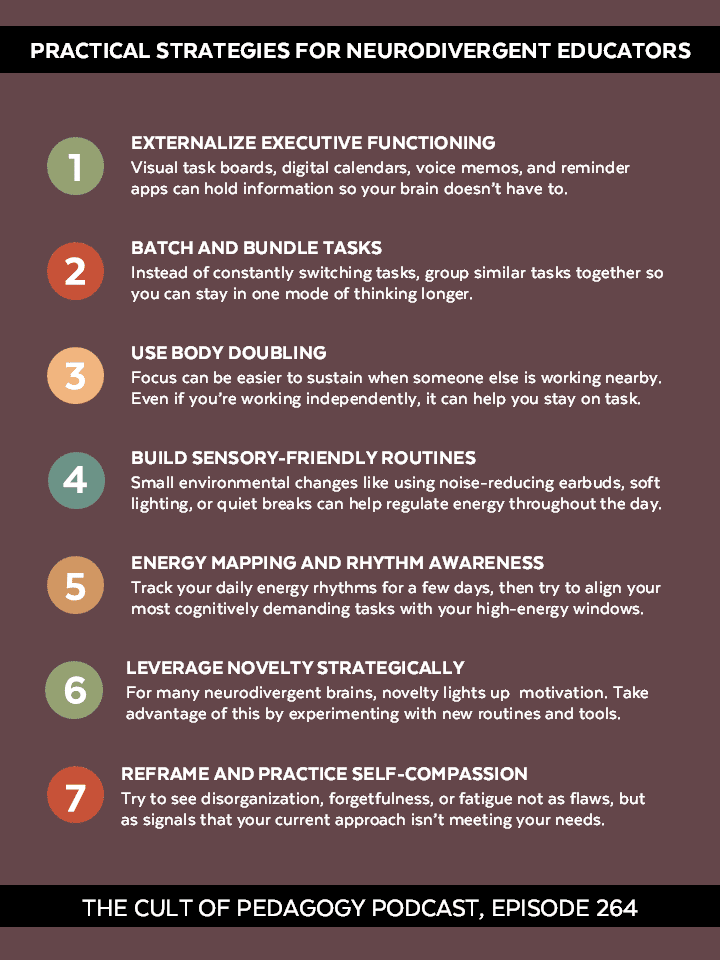
- Innovative Problem-Solving: Many neurodivergent individuals possess divergent thinking skills, allowing them to approach problems from unusual angles and generate creative solutions. This translates into innovative lesson designs, novel classroom management strategies, and fresh perspectives on curriculum development.
- Deep Empathy and Understanding: Having personally navigated educational systems that were not always accommodating, neurodivergent teachers often possess an innate empathy for students who learn differently or struggle with conventional expectations. They are uniquely positioned to understand and advocate for neurodivergent students, creating more inclusive and supportive learning environments.
- Authenticity and Relatability: When neurodivergent educators feel safe to be themselves, they model authenticity for their students. This can be particularly powerful for neurodivergent students who see themselves reflected in their teachers, fostering a sense of belonging and reducing feelings of isolation.
- Hyperfocus and Passion: Individuals with ADHD, for instance, can experience hyperfocus on topics of intense interest, leading to deep subject matter expertise and an infectious enthusiasm that captivates students. Autistic educators might bring a meticulous attention to detail and a commitment to accuracy that enhances instructional quality.
- Systems Thinking and Pattern Recognition: Some neurodivergent profiles excel at recognizing patterns and creating intricate systems. This can be invaluable for organizing complex information, developing structured routines, and designing clear, predictable classroom environments that benefit all learners.
- Resilience and Adaptability: Having spent a lifetime navigating a neurotypical world, many neurodivergent educators develop extraordinary resilience and adaptability, constantly devising strategies to cope and succeed. This problem-solving mindset makes them highly adaptable to the ever-changing demands of the teaching profession.
These strengths, when nurtured, contribute significantly to a dynamic and inclusive school culture. They challenge the notion of a singular "right" way to teach or learn, providing students with diverse role models and demonstrating that cognitive diversity is a powerful asset.
When Systems Fail Neurodivergent Teachers: The Structural Mismatch
Despite these compelling strengths, traditional school environments frequently operate on routines and expectations tailored for the neurotypical majority. This often creates a profound mismatch for neurodivergent educators, leading to increased stress, fatigue, and potential burnout.
- Executive Functioning Overload: The sheer volume of tasks requiring planning, organization, prioritization, and sustained attention—from lesson sequencing and grading to managing student data and communicating with parents—can be overwhelming. Traditional systems often assume inherent, consistent executive function, failing to provide scaffolding or flexibility.
- Sensory Overload: Classrooms and school hallways are often cacophonies of sound, light, and movement. Fluorescent lighting, constant chatter, bells, and unexpected noises can be highly dysregulating for individuals with sensory sensitivities, leading to fatigue and diminished capacity.
- Unpredictable Transitions and Multitasking: The school day is characterized by frequent transitions between classes, meetings, and different types of tasks. This constant "gear-shifting" and expectation of seamless multitasking can be particularly draining for neurodivergent brains that thrive on sustained focus within a single domain.
- Social and Communication Demands: The teaching profession is inherently social, requiring constant interaction with students, colleagues, parents, and administrators. For autistic educators or those with social communication differences, navigating complex social cues, managing interpersonal dynamics, and engaging in frequent informal interactions can be exhausting.
- Rigid Scheduling and Bureaucracy: Inflexible schedules, stringent adherence to deadlines for administrative tasks, and complex bureaucratic processes can be significant hurdles. These systems often prioritize uniformity over individual needs, hindering the ability of neurodivergent teachers to leverage their strengths effectively.
- Performance Metrics and Evaluation: Standardized evaluation criteria may inadvertently penalize neurodivergent traits. For example, a teacher who excels at engaging students but struggles with meticulous record-keeping might be unfairly judged if evaluation emphasizes administrative compliance over pedagogical impact.
The paradox lies in schools valuing qualities like creativity and empathy in theory, yet struggling to implement practices that support the very individuals who embody these traits. When flexibility and understanding are absent, neurodivergent strengths can become chronic stressors, contributing to the high rates of teacher attrition.
Empowering Neurodivergent Teachers: Practical Strategies for Sustainability
While systemic change is paramount, individual neurodivergent educators can implement various strategies to mitigate daily challenges, preserve energy, and make their profession more sustainable. These are not one-size-fits-all solutions but offer a starting point for personalized experimentation.
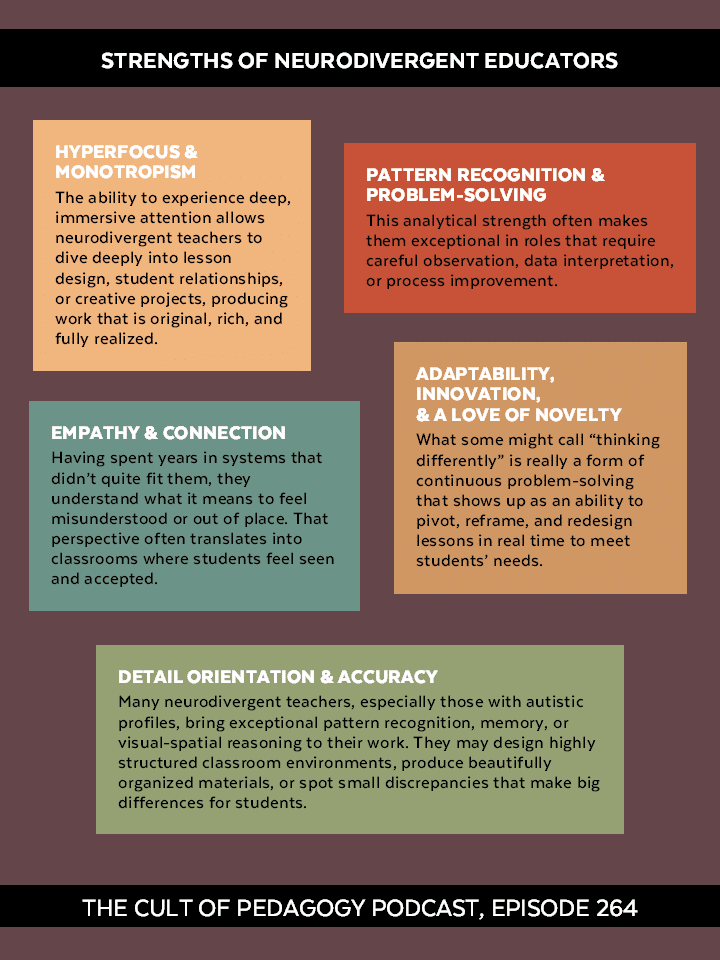
- Externalize Executive Functioning: Rather than relying solely on internal memory, offload tasks onto reliable external systems. Utilize digital calendars, reminder apps, visual task boards, or even voice memos to capture ideas and deadlines. Automation tools like IFTTT (If This Then That) can streamline routine digital tasks, freeing up cognitive load. The goal is to move mental clutter into tangible, manageable forms.
- Batch and Bundle Tasks: Minimize cognitive "gear-shifting" by grouping similar tasks. Dedicate specific blocks of time for grading all similar assignments, planning lessons for an entire week, or responding to emails. This allows the brain to stay in one mode of thinking longer, reducing the energy drain associated with constant context-switching.
- Leverage Body Doubling: The presence of another person working nearby, even on separate tasks, can significantly improve focus and task initiation for many neurodivergent individuals. Seek out a colleague for shared planning periods, or utilize virtual co-working sessions for tasks like grading, report card writing, or administrative paperwork.
- Cultivate Sensory-Friendly Routines: Implement small, intentional environmental adjustments. Use noise-reducing earbuds or headphones during planning periods or even certain classroom activities if appropriate. Opt for natural light or lamps over harsh overhead fluorescents. Integrate brief movement breaks, stretching, or grounding exercises between transitions to regulate energy and sensory input throughout the day.
- Map Energy Rhythms: Track personal energy and focus levels throughout the day and week. Identify peak performance times and periods of natural decline. Align cognitively demanding tasks (e.g., lesson planning, providing complex feedback) with high-energy windows, and reserve lower-energy periods for less intense administrative work or routine tasks. This self-awareness aids in strategic pacing and burnout prevention.
- Integrate Strategic Novelty: For brains that thrive on newness, introduce small variations to routine tasks. Experiment with new lesson formats, rearrange classroom layouts periodically, or try out new digital tools. The key is to use novelty as a motivational fuel when feeling stuck, rather than allowing it to become a distraction, returning to familiar structures for grounding when needed.
- Practice Self-Compassion and Reframe Challenges: View patterns of disorganization, forgetfulness, or fatigue not as personal failures but as signals that current strategies or systems are not adequately meeting needs. Embrace self-compassion, recognizing that "professionalism" does not equate to perfection. This mindset fosters experimentation without shame and supports the development of sustainable practices that honor individual humanity.
These strategies collectively aim to reduce friction, conserve energy, and allow neurodivergent educators to lead with their strengths, transforming their approach to teaching into a more sustainable and fulfilling path.
A Call for Systemic Transformation: What Schools and Administrators Can Do
True equity for neurodivergent educators necessitates systemic change, moving beyond individual coping mechanisms to create truly inclusive school environments. This is not about lowering expectations but about designing working conditions where every educator can thrive.
- Promote Neurodiversity Awareness and Training: Provide professional development for all staff on neurodiversity, challenging misconceptions and fostering a culture of understanding and acceptance. This includes recognizing the diverse presentations of neurodivergence and its associated strengths.
- Implement Flexible Work Arrangements: Where feasible, offer flexibility in scheduling, meeting formats, and administrative tasks. This could include varied start/end times, remote work options for planning/grading, or alternative communication methods to reduce sensory or social overload.
- Provide Accessible Physical Environments: Address sensory challenges by optimizing lighting, reducing noise, and creating designated quiet spaces. Offer sensory tools (e.g., noise-canceling headphones, fidget tools) as standard accommodations.
- Streamline Administrative Processes: Simplify paperwork, reduce unnecessary meetings, and clarify communication channels. Provide templates, checklists, and digital tools to support executive functioning for all staff.
- Offer Targeted Support and Coaching: Provide access to executive functioning coaching, organizational tools, or mentorship programs specifically designed to support neurodivergent teachers in managing the demands of their role.
- Foster a Culture of Psychological Safety: Create an environment where teachers feel safe to disclose their neurodivergence without fear of judgment or professional repercussions. Leadership should model openness and advocate for accommodations as a standard part of equitable practice.
- Review Performance Evaluation Criteria: Ensure evaluation systems are holistic and focus on pedagogical effectiveness and student outcomes rather than disproportionately penalizing neurodivergent traits that might affect administrative compliance. Consider varied evidence of competence.
- Form Neurodivergent Staff Networks: Establish affinity groups or support networks where neurodivergent educators can connect, share strategies, and advocate for their needs in a supportive community.
Broader Impact and the Future of Education
When schools proactively support neurodivergent educators, the benefits ripple throughout the entire community. Teachers who feel affirmed and empowered are better equipped to model acceptance and self-advocacy for their students. Classrooms become spaces where difference is not just tolerated but understood as a fundamental aspect of human cognition, a source of strength, not a weakness. Students witness adults utilizing visual schedules, taking sensory breaks, or openly discussing their attention patterns, learning that these are not signs of deficiency but effective tools for success.
For school leadership, an empathetic and flexible approach to neurodiversity builds profound trust across the staff. Clear communication, reasonable expectations, and genuine openness foster an environment where all educators feel valued and engaged. Such a culture, prioritizing sustainability over an unattainable ideal of perfection, is more likely to retain its most talented and dedicated professionals, preventing burnout and enriching the collective expertise.
As more educators recognize their own neurodivergence, the conversation shifts from mere awareness to urgent action. Understanding, while critical, must be translated into systemic structures that foster inclusion. Schools that intentionally design for flexibility, clarity, and belonging not only enhance the well-being and effectiveness of their neurodivergent staff but also cultivate an environment where every teacher and every student can thrive, bringing their full, authentic selves to the lifelong journey of learning and discovery. This paradigm shift is not just about accommodating differences; it’s about harnessing the power of cognitive diversity to build stronger, more innovative, and more human-centered educational institutions for the future.