

The Loomis Legacy and the Flagstaff Connection
The narrative of this auction begins shortly after William and Ruth Loomis wed in 1987. Their shared interest in the earth sciences led them to establish Loomis Minerals in Flagstaff, a city known for its proximity to geological marvels like the Grand Canyon and the San Francisco Peaks. Over the next thirty-five years, the couple utilized their location as a strategic hub, traveling to major mineral shows in Tucson and Denver, as well as maintaining contacts with mine owners across the globe.
According to Nic Valenzuela, Heritage’s Director of Fine Minerals, the collection represents a lifetime of discerning acquisition. "William and Ruth Loomis dedicated much of their adult lives to building this enticing collection, and their vast knowledge shines through in the lots that will cross the block in this auction," Valenzuela stated. The auction house emphasizes that the Loomis collection is characterized not just by the size or monetary value of the pieces, but by the "aesthetic perfection" and "crystallographic rarity" of the specimens chosen.
Analyzing the Signature Specimens
The auction features a diverse array of minerals, but several lots have already garnered significant attention from the international collecting community due to their provenance and physical characteristics.
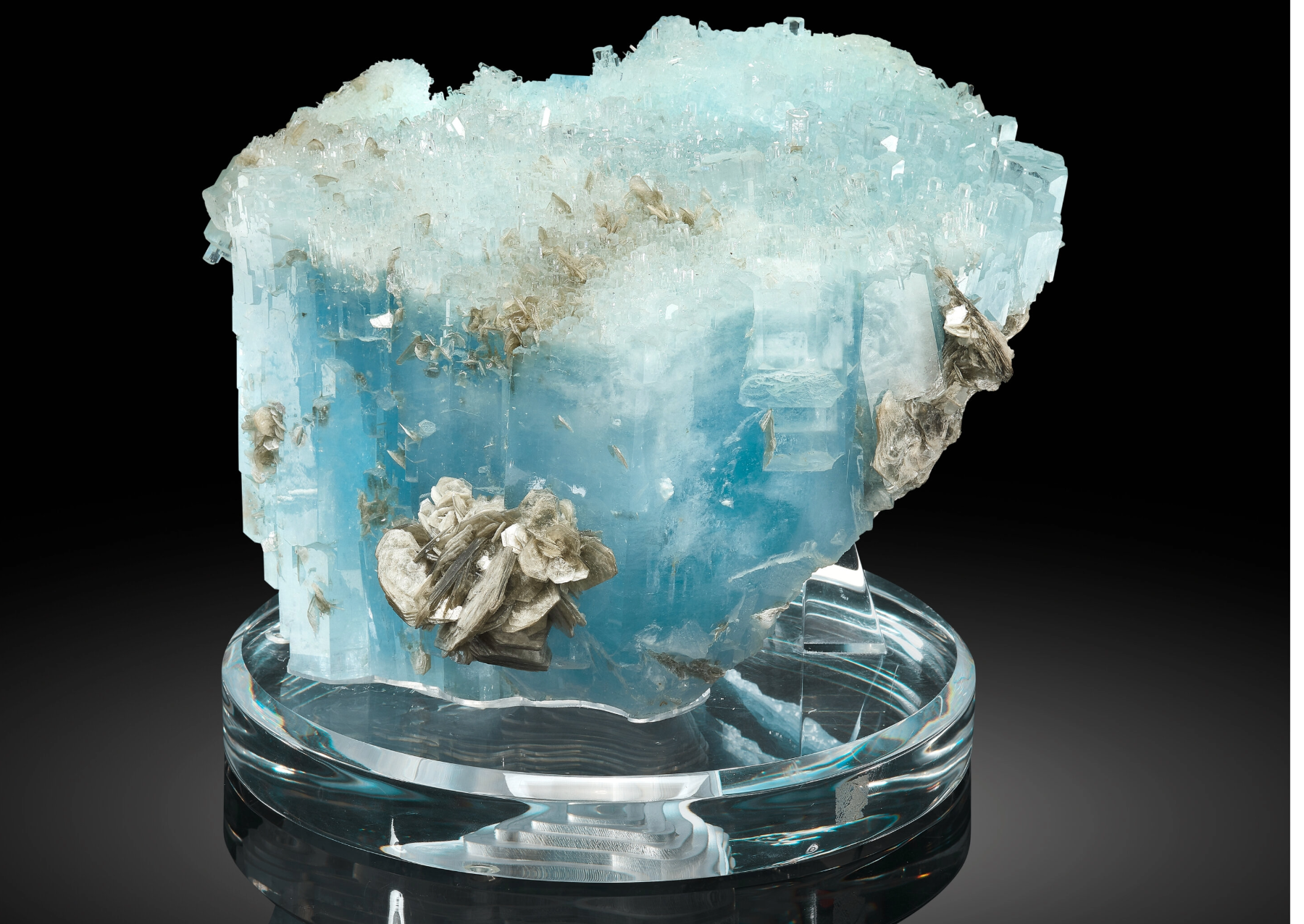
The Nagar Aquamarine: A Study in Blue
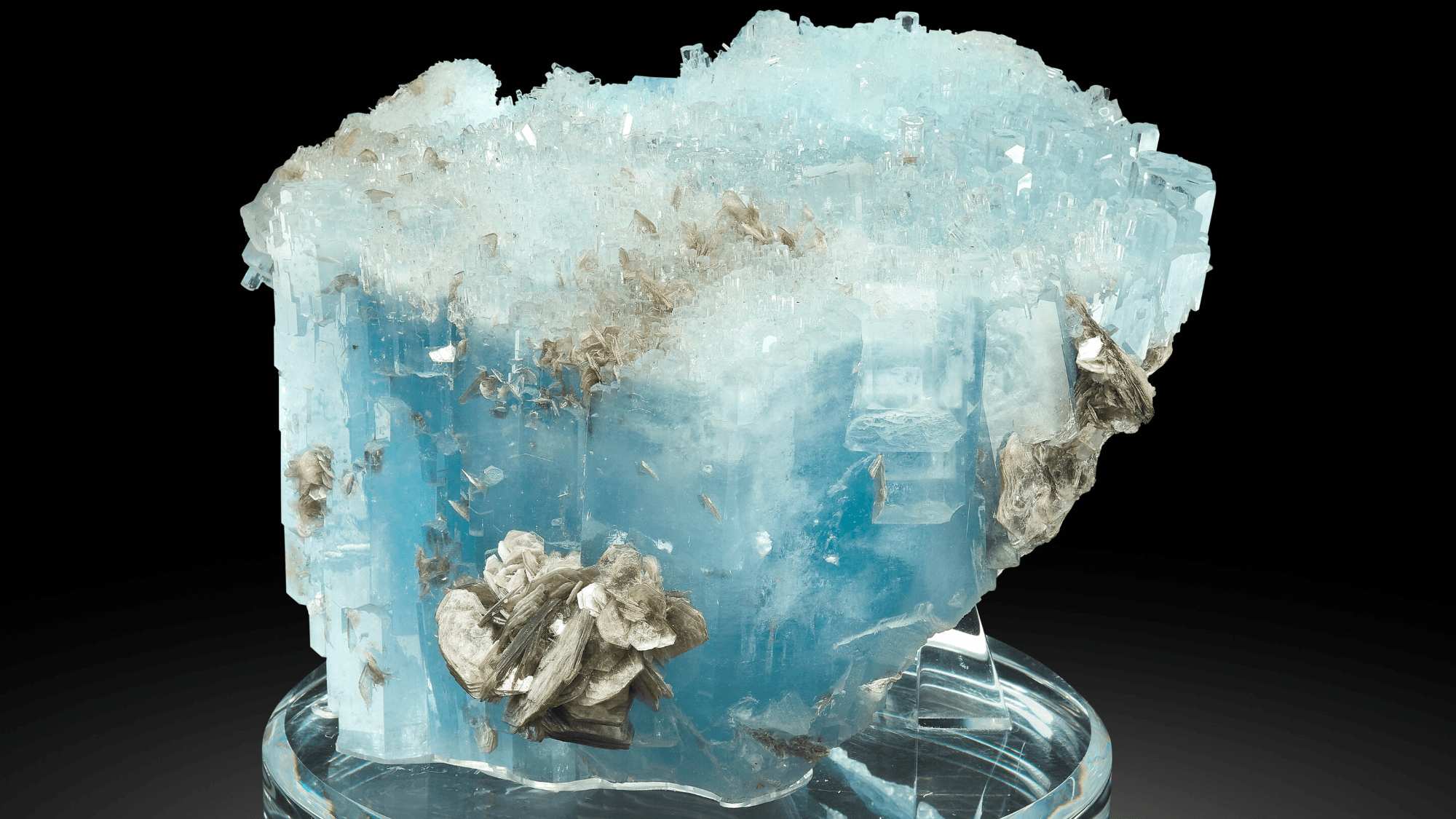
One of the centerpieces of the auction is a massive aquamarine with muscovite discovered in the Nagar District of Gilgit-Baltistan, Pakistan. Pakistan’s Karakoram Mountains are world-renowned for producing high-quality beryl, but the Loomis specimen is noted for its "cabinet-sized" scale and the striking contrast between its vibrant sky-blue crystal and the shiny, bladed muscovite mica associations at its base. The crystal exhibits a glassy luster and distinct color zoning, a feature highly prized by collectors who look for "gemmy" transparency combined with structural integrity.
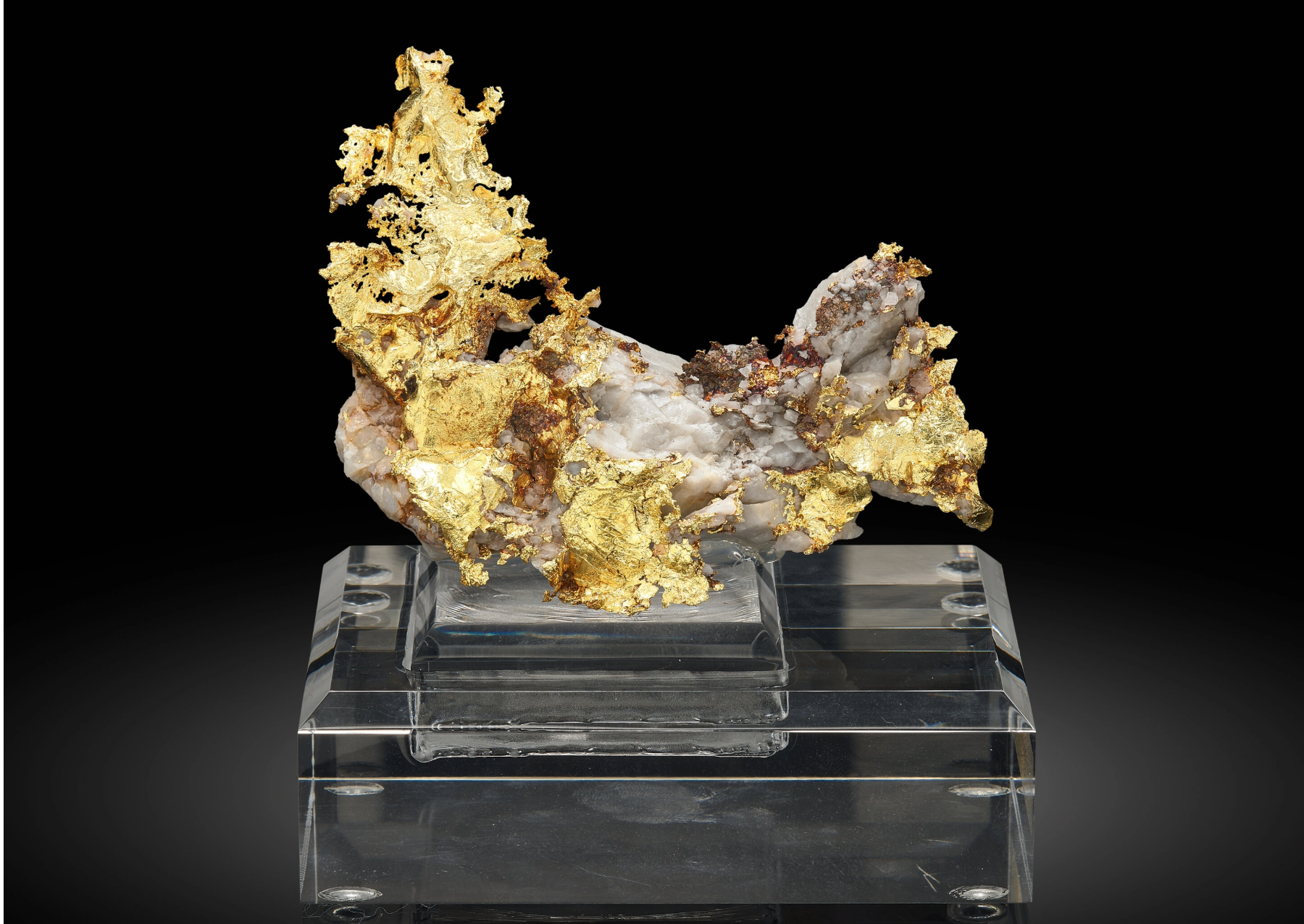
The Harvard Mine Native Gold
Representing the historical and economic weight of mineralogy is a specimen of native gold from the Harvard Mine in Tuolumne County, California. Located in the Jamestown District, the Harvard Mine was among the first major discoveries of the 1848 American Gold Rush. While most gold from this era was processed for bullion, the Loomis specimen is a rare survivor of the "crystallized gold" variety. Measuring 3.66 inches in length, the gold is set against a matrix of white quartz, providing a stark visual contrast that highlights the specimen’s intricate, branching crystalline structure. Experts note that crystallized gold often commands prices significantly higher than the spot price of gold due to its rarity and aesthetic appeal.
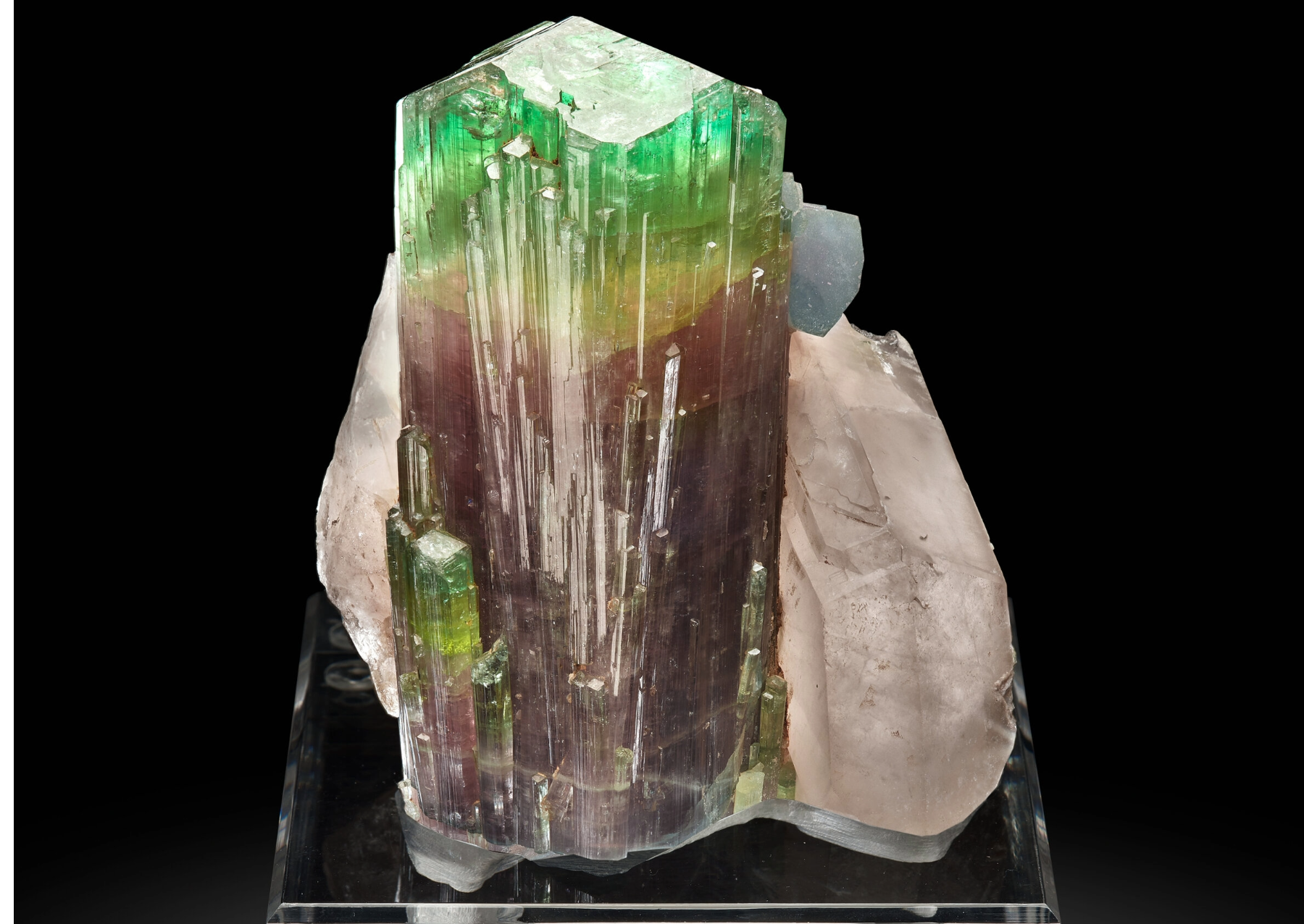
Afghan Elbaite and Tourmaline
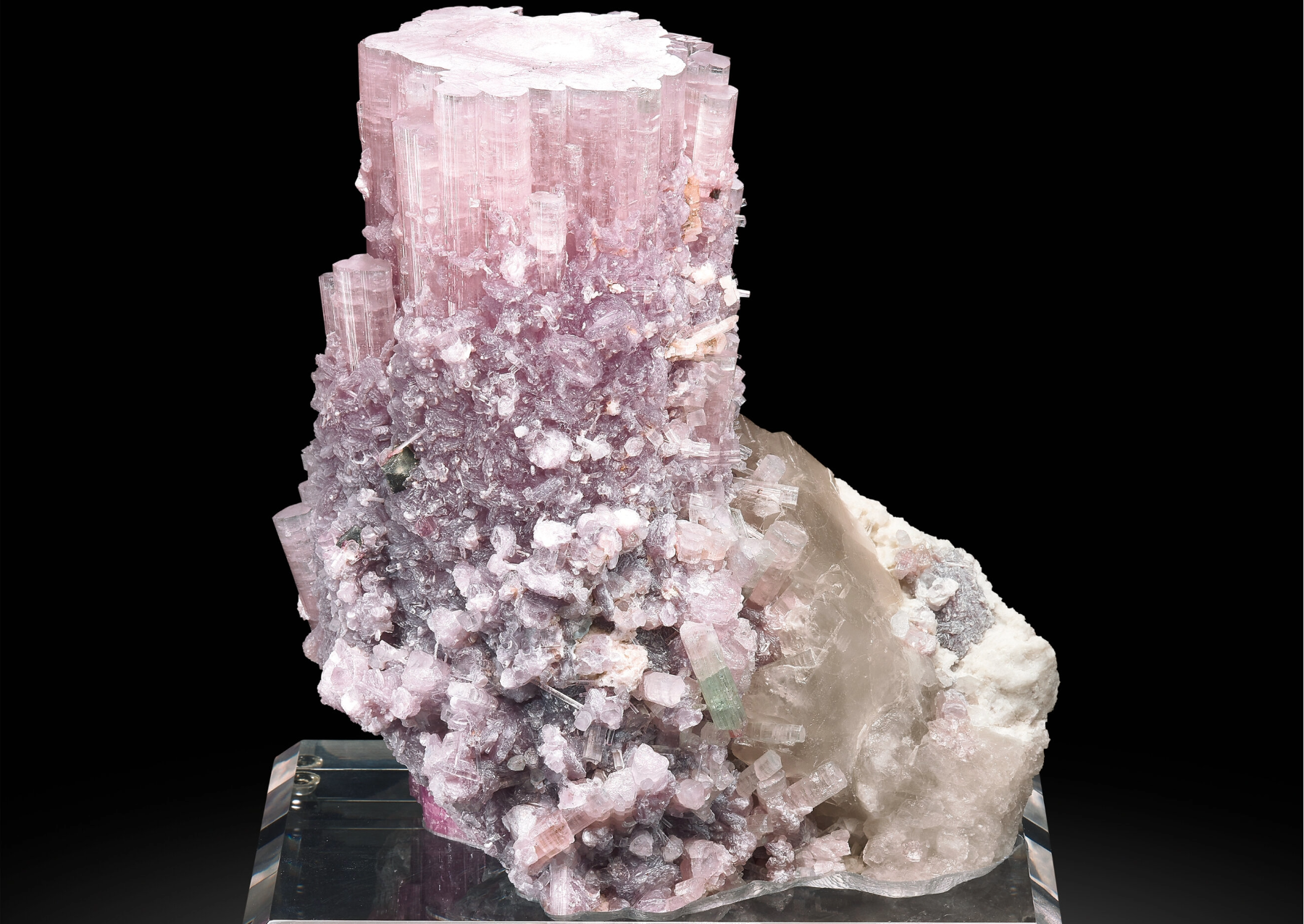
The auction includes approximately 20 tourmaline specimens, with a focus on the Paprok region of Afghanistan. One standout lot is a polychromatic elbaite (tourmaline) paired with quartz. This specimen features a single, heavily striated prismatic crystal that displays a complex series of terminations. The color palette of this piece is particularly diverse, showing layers of deep red and pink at the base, transitioning into yellow, grass-green, and finally blue-green zoning at the tip. Such "watermelon" and "rainbow" tourmalines from the Hindu Kush mountains are considered some of the finest in the world, often requiring dangerous high-altitude mining to extract.
Industrial Curiosities and Geological Rarities
Beyond the traditional gemstones, the Loomis collection includes specimens that bridge the gap between natural formation and industrial history.
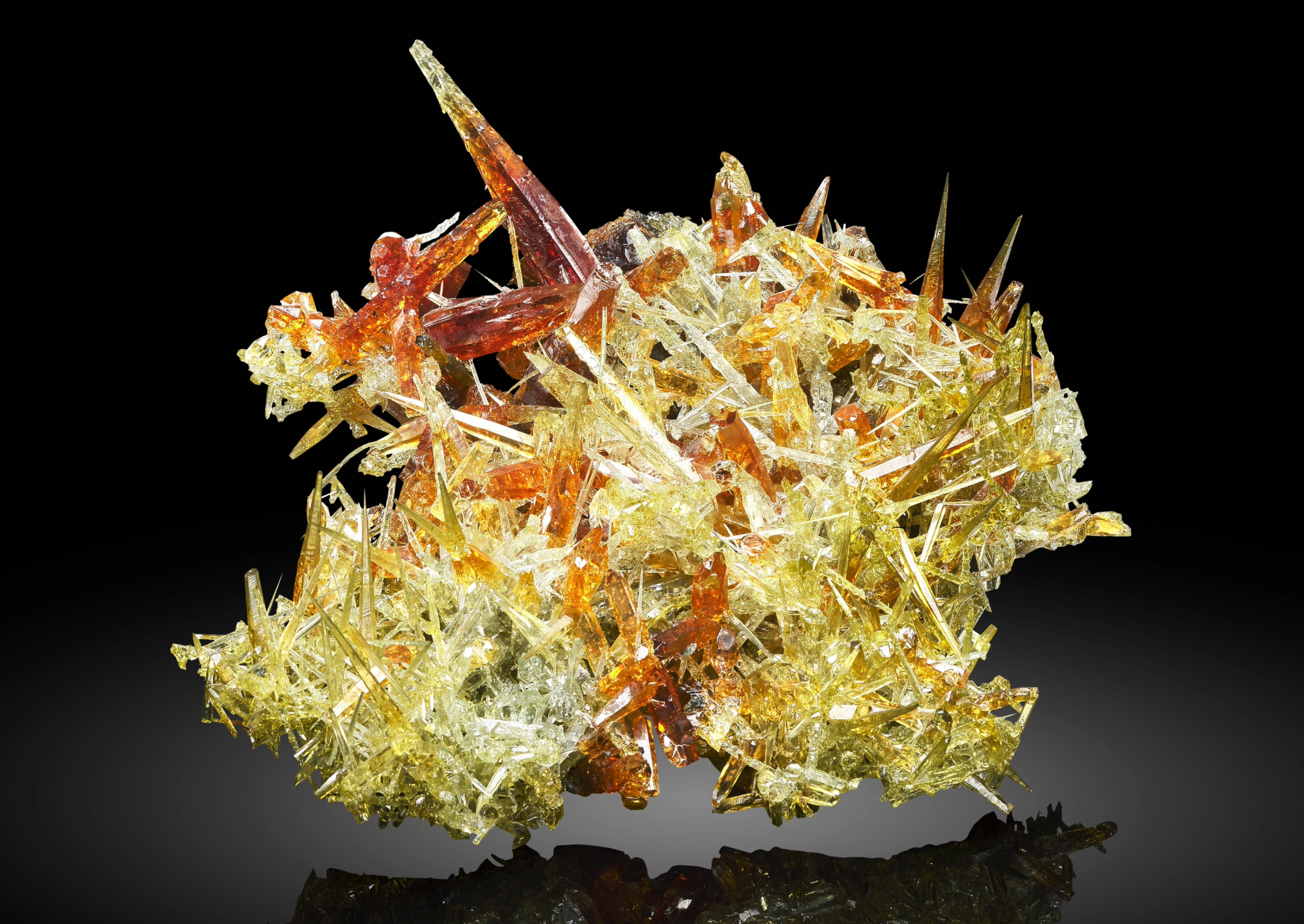
The Polish Zincite Smelter Formations
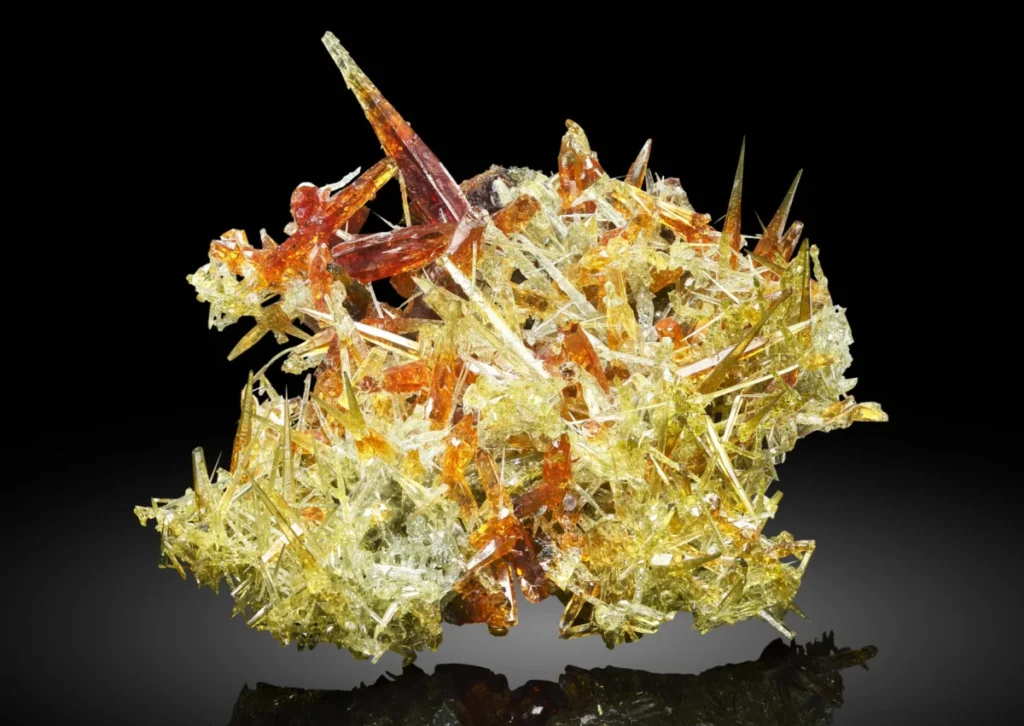
A notable inclusion is a 12-inch zincite specimen from the Silesian Voivodeship in Poland. Zincite is a rare mineral in nature, seldom found in large, well-defined crystals. However, the Loomis specimen belongs to a famous category of "accidental" minerals. This piece was discovered lining the interior of a zinc smelter’s smokestack. As zinc vapors cooled and crystallized within the industrial flue, they formed "jackstraw" clusters of needle-shaped hexagonal crystals. Despite their semi-synthetic origin, these Polish zincites are highly sought after for their brilliant orange and yellow hues and their unique needle-like geometry.
Virgin Valley Opalized Wood
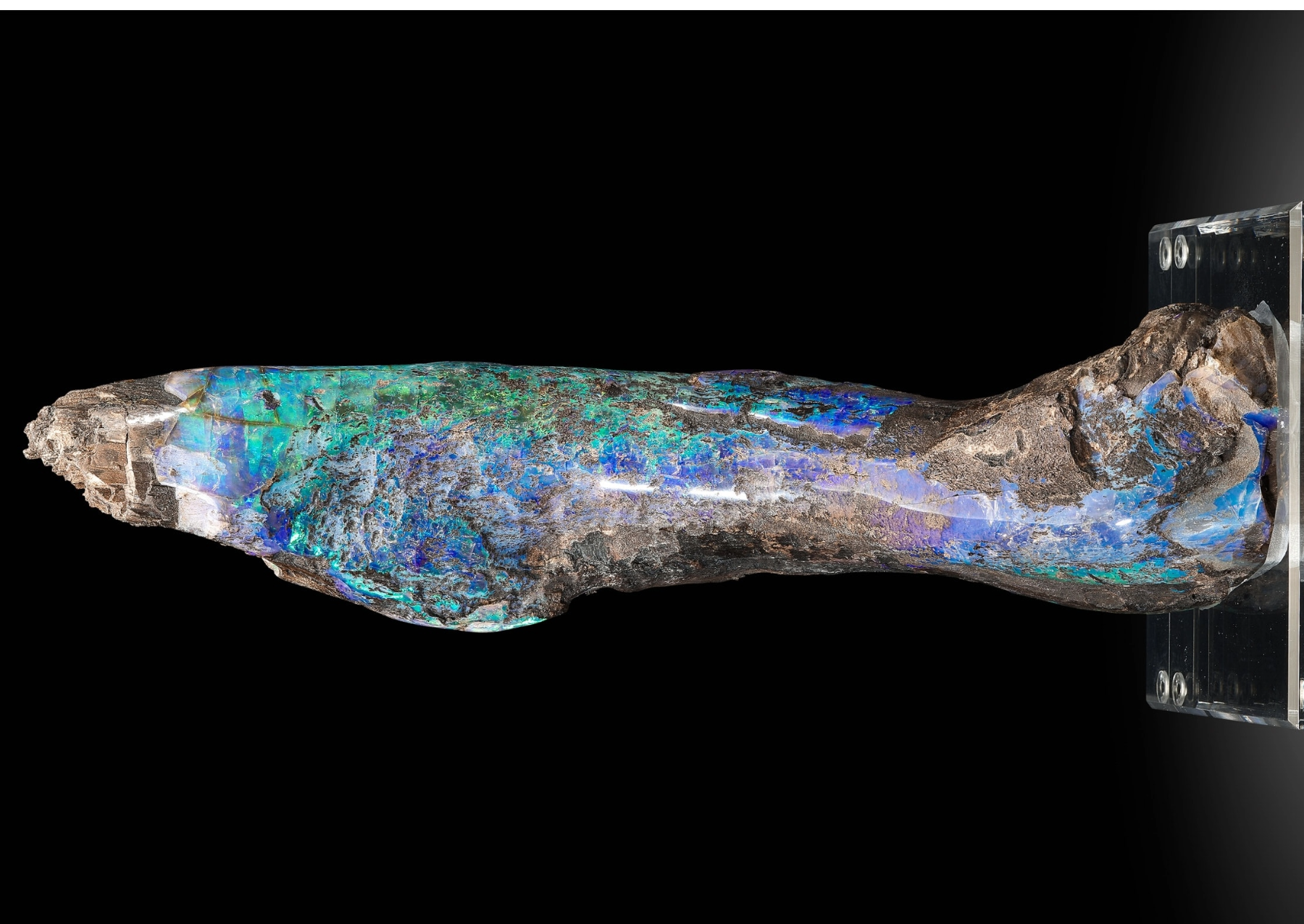
From the high deserts of Humboldt County, Nevada, the auction presents a 12.68-inch piece of opalized wood. The Virgin Valley is famous for its "precious opal" replacements, where ancient wood buried in volcanic ash was gradually replaced by silica-rich water over millions of years. This specific specimen boasts a vibrant field of play-of-color, with large swatches of violet, blue, and green. Unlike standard petrified wood, which is usually replaced by chalcedony, opalized wood retains a high water content and a refractive index that creates an internal "fire," making it a hybrid of fossil and gemstone.
Market Trends and the Valuation of Fine Minerals
The Heritage auction comes at a time of significant growth in the fine mineral market. Historically a niche pursuit for scientists and academics, mineral collecting has evolved into a high-end luxury market. Collectors today often view minerals as "natural sculptures," placing them in contemporary art settings rather than traditional scientific cabinets.
Market data suggests that the value of top-tier mineral specimens has outpaced many traditional investment vehicles over the last decade. Factors driving this growth include:
- Scarcity: Many of the mines that produced the Loomis specimens, such as those in California or specific pockets in Afghanistan, are now exhausted or inaccessible.
- Aesthetics: The "Loomis eye" for curation focused on balance and color, qualities that appeal to interior designers and art investors.
- Provenance: Specimens with a documented history, such as those belonging to the Loomis shop, carry a "pedigree" that ensures authenticity and adds to the resale value.
Chronology of the Collection and Auction Event
The timeline leading to the March 20 auction reflects the meticulous nature of high-end mineral liquidation. After decades of operation in Flagstaff, the Loomis family began the process of cataloging their private holdings for eventual sale.
- 1987: William and Ruth Loomis marry and begin their collecting journey.
- 1980s-2010s: Active acquisition period, focusing on global mines and major mineral symposia.
- Early 2020s: Decision to partner with Heritage Auctions to bring the collection to a global audience.
- Late 2023: Initial appraisal and cataloging by Heritage’s Fine Minerals department.
- March 20, 2024: The Signature® Auction takes place, featuring both floor and online bidding.
Global Significance and Scientific Value
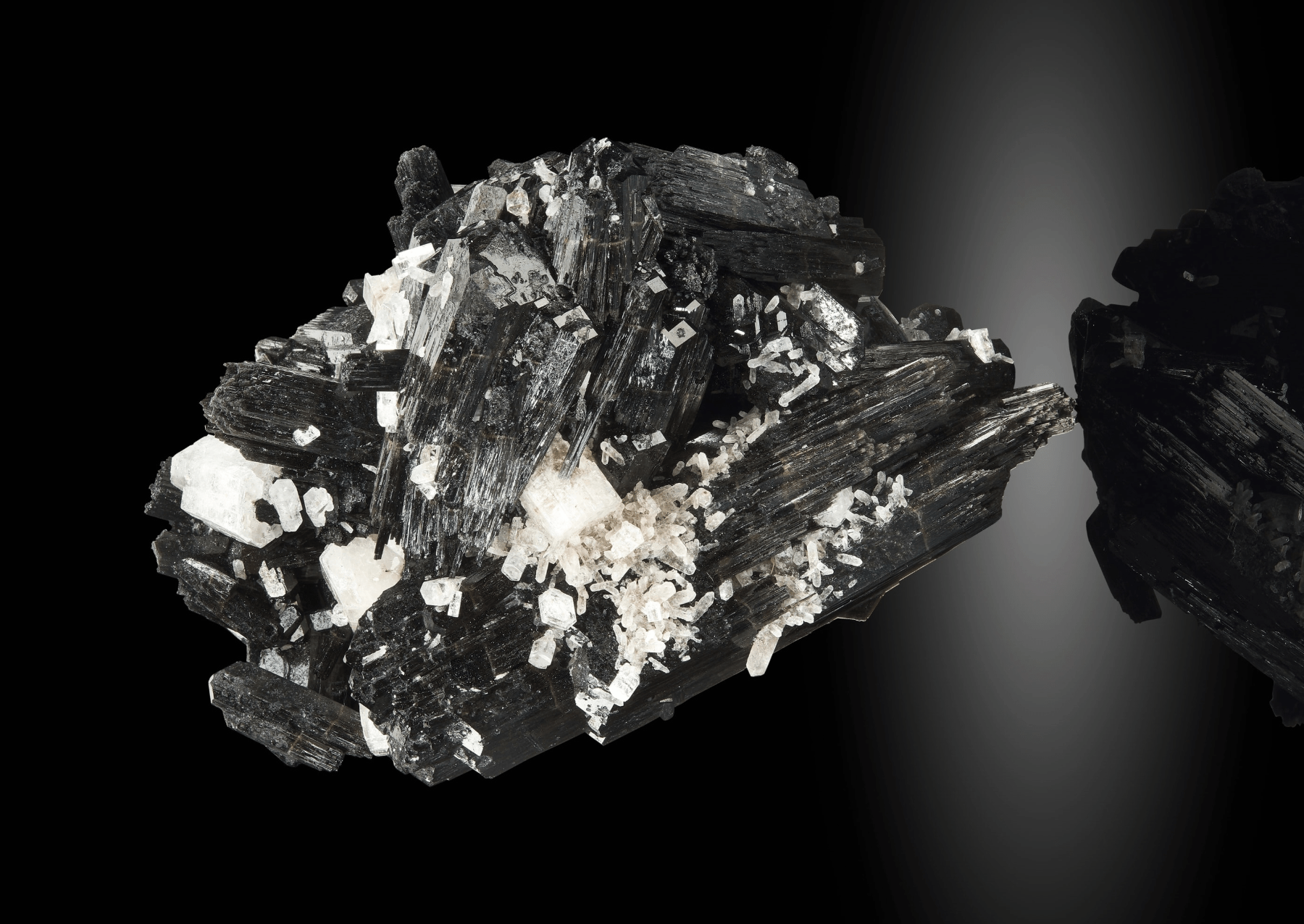
While the auction is a commercial event, the scientific community also monitors such sales closely. The specimens from the Erongo Mountains in Namibia—specifically the schorl (black tourmaline) with goshenite (colorless beryl)—provide important data on the paragenesis of pegmatites in Southern Africa. The intertwining hexagonal crystals of goshenite against the black schorl offer a visual map of the chemical environment present during the cooling of granitic magma.
Furthermore, the inclusion of minerals from diverse geopolitical regions—Pakistan, Afghanistan, Namibia, Poland, and the United States—highlights the global nature of mineralogy. The extraction of these pieces often involves artisanal miners working in remote regions, and their journey from a dark crevice in the earth to a high-gloss auction catalog in Dallas is a testament to the complex supply chains of the gem world.
Conclusion and Future Outlook
The Collection of William and Ruth Loomis Fine Minerals Signature® Auction represents more than just a sale of physical assets; it is a tribute to a partnership dedicated to the wonders of the natural world. As the 200+ lots hit the auction block, they will likely be dispersed into museums, university collections, and prestigious private estates, continuing the legacy of the Loomis name.
The event also serves as a bellwether for the collectibles market in 2024. If the Loomis minerals meet or exceed their estimates, it will reinforce the trend of "alternative assets" gaining ground among diversified investors. For now, the focus remains on the sheer beauty of the specimens—the vibrant blues of the Pakistani aquamarines, the fiery oranges of the Polish zincites, and the historic glint of California gold—reminding observers of the artistic potential found deep within the Earth’s crust. Detailed information on all lots, including high-resolution imagery and scientific descriptions, remains available through Heritage Auctions’ digital platform as collectors prepare for the March 20 event.