


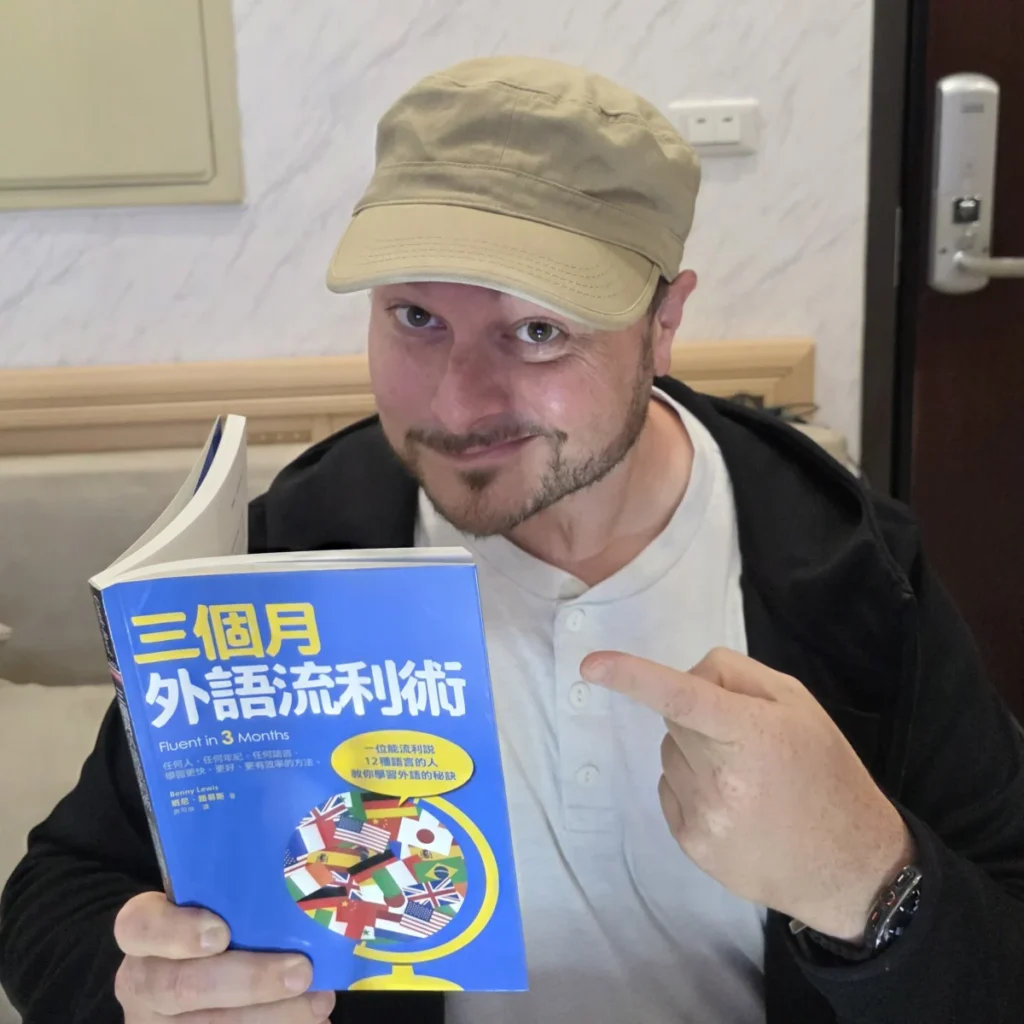
The founder of the internationally recognized language-learning platform Fluent in 3 Months, Benny Lewis, has officially announced his return to Taipei, Taiwan, to initiate a comprehensive revitalization of his Mandarin Chinese proficiency. This move marks a significant cyclical return for the Irish polyglot and author, occurring approximately 14 years after his initial high-profile immersion project in the same city. The project aims to bridge the gap between his previous lower-intermediate status and a more sustainable, permanent fluency, while simultaneously signaling a strategic shift in how language acquisition content is produced and shared in an era increasingly dominated by artificial intelligence.
A Historical Overview of the Mandarin Mission
The origins of this linguistic endeavor date back to 2012, when Lewis launched what would become one of the most documented and debated projects in the history of his platform. The initial "Mandarin Mission" consisted of three months of intensive study in Taipei, followed by two months of exploratory travel through mainland China. Upon the conclusion of that five-month period, Lewis’s verbal proficiency was independently assessed at a B1 level according to the Common European Framework of Reference for Languages (CEFR).
A B1 level, classified as "Lower Intermediate," implies that a learner can understand the main points of clear standard input on familiar matters and can deal with most situations likely to arise while traveling in an area where the language is spoken. While the 2012 project was considered a success in terms of functional communication—enabling Lewis to study Kung Fu in a rural fishing village and conduct interviews with native media personalities—it was not without controversy. Critics within the linguistics community often scrutinized the "fluency" claims, leading to extensive public discourse regarding the feasibility of rapid language acquisition.
In the decade following the initial project, Lewis’s engagement with Mandarin was intermittent. Aside from a brief period of intensive study during the co-authoring of the "Language Hacking Mandarin" coursebook, his usage of the language was largely confined to sporadic interactions at international language exchange events. Consequently, the lack of consistent maintenance led to a gradual decline in proficiency, a common phenomenon in second-language acquisition known as linguistic attrition.
The Catalyst for Revitalization: Regional Influences and the Malaysian Connection
The decision to return to Taiwan was prompted by recent travels through Malaysia during the first quarter of the current year. While navigating the multilingual landscape of Malaysia, Lewis encountered the extensive Chinese diaspora and a significant influx of tourists from mainland China. These interactions served as a catalyst, shifting his focus away from the Malay language and back toward Mandarin.
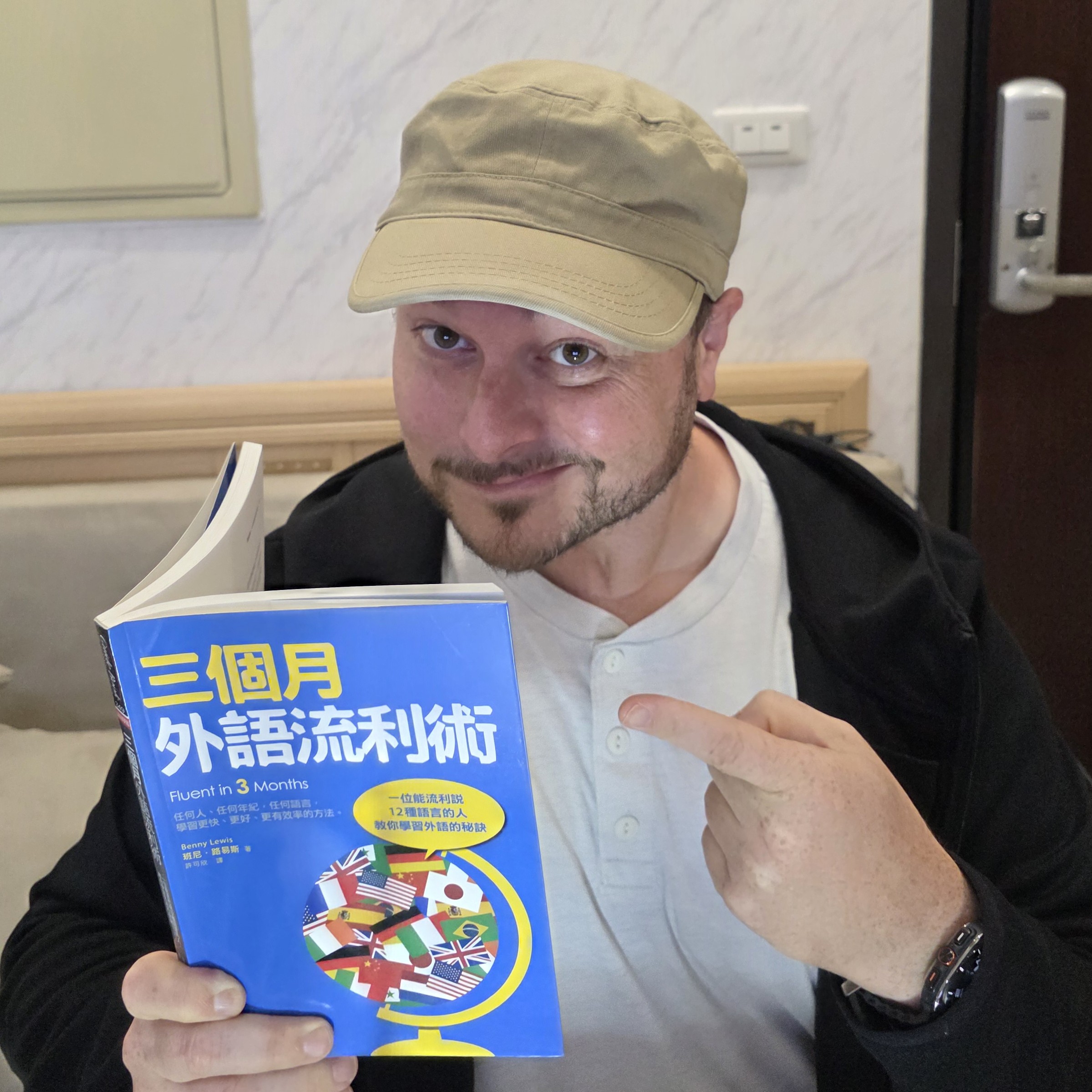
According to Lewis, the necessity of using Mandarin in practical, everyday settings across Southeast Asia reignited his interest in the language. He concluded that a two-month residency in a predominantly Mandarin-speaking environment was the most effective method to regain and surpass his previous intermediate standing. Taipei was selected as the base of operations due to its familiar infrastructure and its status as a hub for Traditional Chinese character usage and Taiwanese Mandarin phonology.
Modern Methodology: Integrating Traditional Study with Technological Advancements
The 2024 iteration of the Mandarin project utilizes a multifaceted pedagogical approach that combines traditional academic study with modern digital tools. Lewis has established a rigorous daily routine designed to address specific weaknesses identified during his previous attempts, notably sentence structure and natural syntax.
Academic and Physical Discipline
The morning regimen begins with the study of specialized grammar texts that accommodate the nuances of Taiwanese Mandarin. This is followed by a significant physical component; Lewis has incorporated a 90-minute daily running routine. Having lost 25 kilograms (approximately 55 pounds) since the height of the global pandemic, he emphasizes that physical health and cognitive performance are intrinsically linked in high-intensity learning environments.
Data Recovery and Spaced Repetition Systems
A unique aspect of this project involves the recovery of historical data. Lewis is utilizing Anki, a spaced-repetition flashcard application, to review vocabulary specifically curated during his 2012 residency. This required a complex technical process of extracting 14-year-old files from legacy backups and converting them to modern software formats. The rationale behind this effort is that the vocabulary acquired during his initial immersion remains the most relevant to his personal conversational style and social interactions.
The Role of AI and Online Tutoring
In contrast to the 2012 project, which relied heavily on in-person classroom instruction, the current mission leverages global tutoring platforms such as Preply. Lewis also utilizes AI-driven conversation tools as a cost-effective supplement to human interaction. This hybrid model allows for a higher frequency of speaking practice, which is essential for overcoming "linguistic rustiness."
Navigating the Linguistic Environment of Taipei
Despite the prevalence of English in many global metropolitan centers, Lewis reports that Taipei continues to offer a robust environment for full linguistic immersion. In practical scenarios—ranging from purchasing espresso at international chains like Starbucks to navigating postal services and local dining—he has observed a consistent requirement to communicate exclusively in Mandarin.

This environmental pressure is a critical component of the "Speak from Day One" philosophy advocated by Lewis. However, the project has encountered modern social challenges. Lewis noted that many language exchange events in Taipei have transitioned from "standing" formats, which facilitate one-on-one dialogue, to "sit-down" group formats. These larger group settings, often characterized by high ambient noise and varying skill levels among participants, present a significant hurdle for intermediate learners attempting to follow complex, multi-person conversations.
Chronology of the Mandarin Revitalization Project
- 2012: Initial "Mandarin Mission" in Taipei and mainland China; B1 level achieved.
- 2013–2021: Period of maintenance and co-authorship of "Language Hacking Mandarin"; gradual linguistic attrition begins.
- January–February 2024: Travel through Malaysia; interactions with the Chinese diaspora inspire a return to Mandarin.
- March 2024: Arrival in Taipei; commencement of the two-month intensive study program.
- April 2024 (Planned): Transition from Taipei-based study to "Deep Travel" across various provinces of Taiwan to test regional dialects and comprehension.
Broader Implications: The Evolution of Content Creation in the AI Age
Lewis’s return to blogging and personal documentation also reflects a broader shift in the digital publishing industry. For over a decade, the Fluent in 3 Months platform shifted toward SEO-optimized (Search Engine Optimization) articles designed to answer specific user queries. However, the rise of Generative AI and "AI snippets" in search engine results has significantly impacted traffic for instructional content.
Industry analysts observe that as AI models increasingly "scrape" and summarize factual advice, the value of generic "how-to" articles has diminished. In response, Lewis is pivoting back to narrative-driven, experiential content. This "human-centric" approach focuses on personal anecdotes, unique travel experiences, and the psychological nuances of learning—elements that are currently difficult for AI to replicate authentically.
By documenting his "Deep Travel" project—which involves visiting every region of Taiwan beyond the capital—Lewis is positioning his brand to offer what he terms "actual human experiences" in a landscape saturated with "AI slop." This move is seen as an attempt to foster a deeper, more personal connection with his audience, moving away from a purely instructional business model to one based on authentic storytelling and real-world application.
Conclusion and Future Outlook
The success of Benny Lewis’s current Mandarin project will likely be measured not just by a formal CEFR evaluation, but by his ability to navigate the complex social and regional landscapes of Taiwan independently. As he prepares to depart Taipei for the more remote regions of the island, the project stands as a testament to the enduring challenges of high-level language acquisition and the necessity of periodic reinvestment in linguistic skills.
For the broader language-learning community, Lewis’s return to his roots offers a case study in how veteran learners adapt to new technologies while contending with the timeless difficulties of memory and immersion. As the project progresses, it will likely provide further insights into the viability of long-term language maintenance and the evolving role of the human creator in a digital world increasingly shaped by artificial intelligence.