


Light serves as the fundamental engine of plant life, yet it remains the most misunderstood variable in indoor gardening. For the novice enthusiast and the seasoned collector alike, the cryptic instructions found on nursery tags—terms such as "bright indirect light" or "medium light"—often lead to more confusion than clarity. According to horticultural experts at the University of Maryland Extension Services, providing the correct quantity and quality of light is the single most critical factor in ensuring the health, growth, and longevity of indoor flora. Without a precise understanding of how light interacts with an indoor environment, plant owners risk the slow decline of their botanical investments. To bridge the gap between vague terminology and biological necessity, one must examine the measurable physics of light, the physiological signs of plant distress, and the modern tools available for accurate environmental assessment.
The Evolution of Indoor Gardening: A Brief Chronology
The practice of cultivating plants indoors has transitioned from a luxury of the elite to a global cultural phenomenon. In the early 19th century, the invention of the Wardian Case in 1829 allowed Victorian-era botanists to protect sensitive tropical species from the coal-smoke-filled air of London. These early terrariums highlighted the necessity of controlled environments, but it wasn’t until the mid-20th century that indoor gardening became accessible to the middle class.
The 1970s witnessed a massive houseplant boom, driven by an aesthetic shift toward naturalism, though many plants perished due to a lack of scientific understanding regarding light requirements. In the 21st century, particularly during the global lockdowns of 2020 and 2021, a new generation of "plant parents" emerged. This modern era is defined by the integration of technology, where LED grow lights and smartphone-based light meters have replaced guesswork with data-driven cultivation. Today, the indoor plant industry is a multi-billion-dollar global market, necessitating a more professionalized approach to home horticulture.
Defining the Four Tiers of Indoor Light
In professional horticulture, light is not merely a visual comfort but a measurable resource. Light intensity is typically measured in two units: foot-candles (the amount of light one foot away from a standard candle) and lux (the metric equivalent, where one foot-candle equals approximately 10.76 lux). Understanding the four primary categories of indoor light requires looking past the window and into the data.
1. Low Light (50–250 Foot-Candles / 538–2,690 Lux)
Low light environments are typically found in north-facing rooms or several feet away from any window. While often marketed as "low-light plants," species like the Snake Plant (Dracaena trifasciata) or the ZZ Plant (Zamioculcas zamiifolia) do not prefer darkness; rather, they possess a lower compensation point—the level at which photosynthesis produces just enough energy to maintain life without necessarily fueling new growth. Experts caution that "low light" is not "no light," as every plant requires photons to prevent cellular collapse.
2. Medium Light (250–1,000 Foot-Candles / 2,690–10,763 Lux)
Medium light is the standard for many popular foliage plants, including Dieffenbachia and various Ficus species. These conditions are usually found near east-facing windows, where the morning sun is gentle and the rest of the day provides steady, ambient illumination. This level of light supports consistent metabolic activity without the risk of leaf scorch.
3. Bright Indirect Light (1,000–2,000 Foot-Candles / 10,763–21,527 Lux)
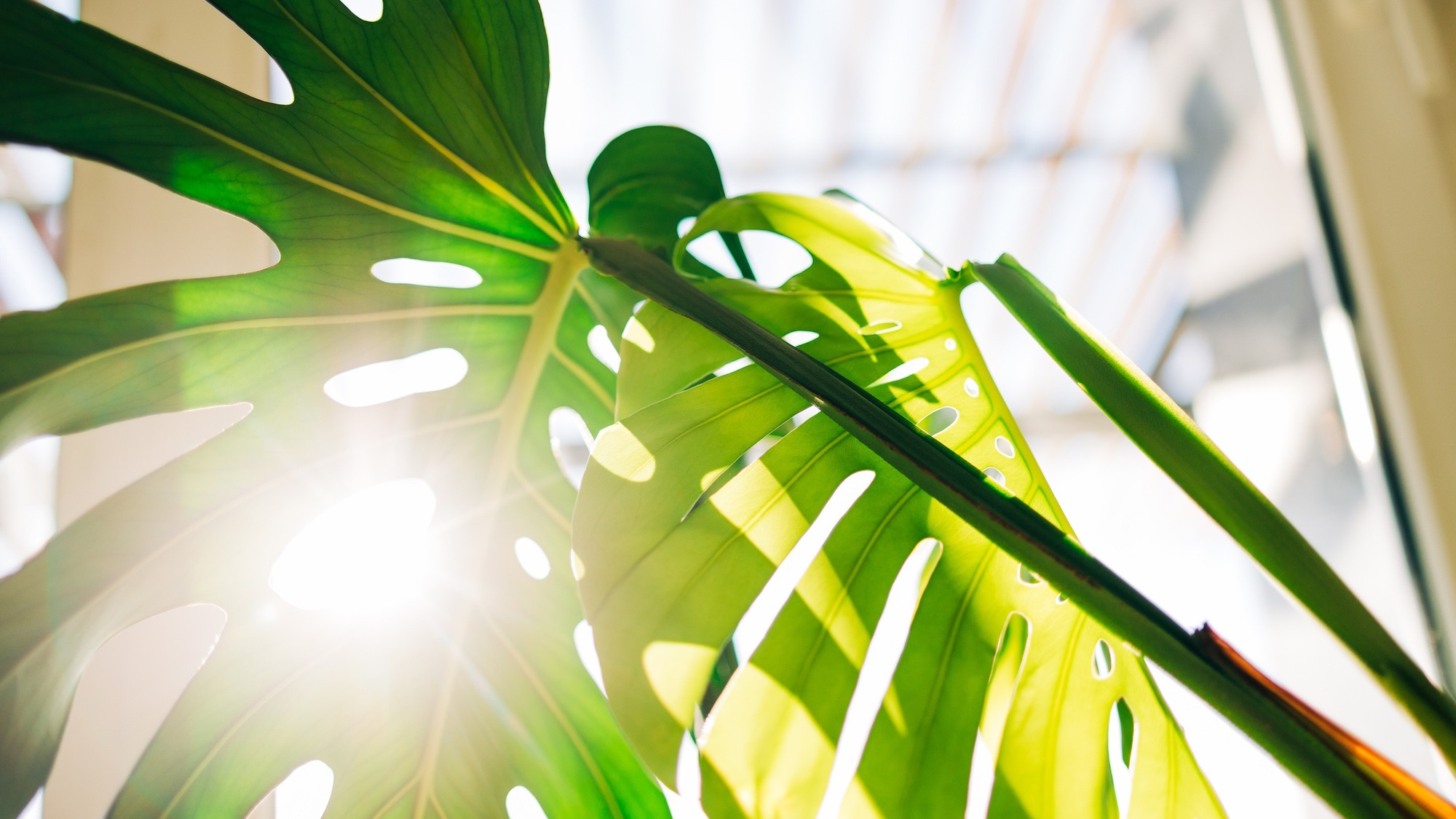
This is the "goldilocks zone" for the majority of tropical houseplants, such as Monstera deliciosa and Fiddle Leaf Figs (Ficus lyrata). It occurs in spaces that are highly illuminated but protected from the sun’s direct path—typically within a few feet of a south- or west-facing window with a sheer curtain to diffuse the rays. In this range, plants can maximize photosynthetic efficiency.
4. Direct Sun (2,000+ Foot-Candles / 21,527+ Lux)
Direct sun is reserved for desert-dwelling species like cacti, succulents, and citrus trees. This level of intensity mimics the unobstructed solar radiation of their native habitats. Indoors, this is only achievable directly on the sill of a south-facing window. Without this intensity, these plants will often undergo etiolation—a process where the plant stretches toward the light, resulting in weakened stems and a loss of aesthetic form.
The Physics of Light in the Home: The Inverse Square Law
A common misconception among indoor gardeners is that a room that "feels bright" to the human eye is sufficient for plant growth. Human eyes are incredibly adaptive, dilating to make dim rooms appear well-lit. Plants, however, are biological sensors that react to the actual density of photons hitting their leaves.
The Inverse Square Law is a crucial concept here: it states that the intensity of light is inversely proportional to the square of the distance from the source. In a practical sense, if you move a plant from one foot away from a window to three feet away, the light intensity does not drop by a third; it drops by a factor of nine. This rapid attenuation explains why a plant sitting just a few feet back from a window may fail to thrive despite the room appearing bright to the owner.
Physiological Indicators of Light Stress
When a plant is receiving inadequate light, it enters a state of physiological stress. According to researchers at the University of Florida’s Institute of Food and Agricultural Sciences (IFAS), owners should monitor for the following "distress signals":
- Etiolation: The elongation of stems with abnormally long intervals between leaves (internodes), as the plant exhausts its energy reserves to reach a higher light source.
- Chlorosis and Leaf Drop: Older leaves may turn yellow and fall off as the plant reallocates limited energy to the newest growth.
- Reduced Leaf Size: New foliage that is significantly smaller than previous leaves indicates a lack of fuel for cellular expansion.
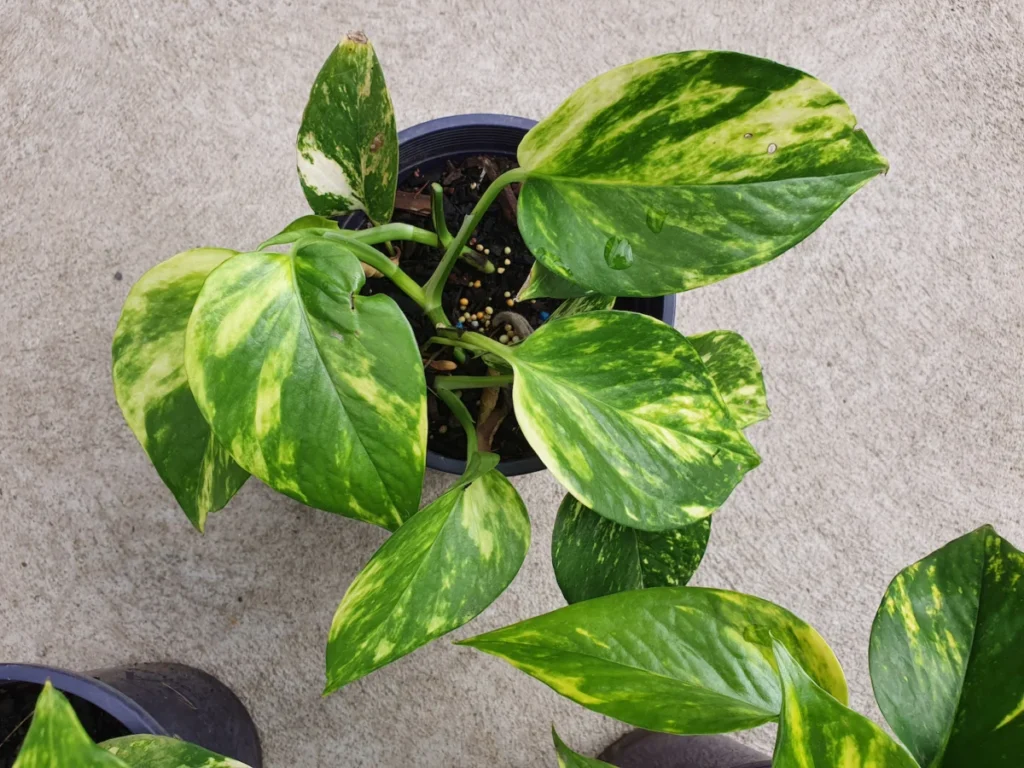
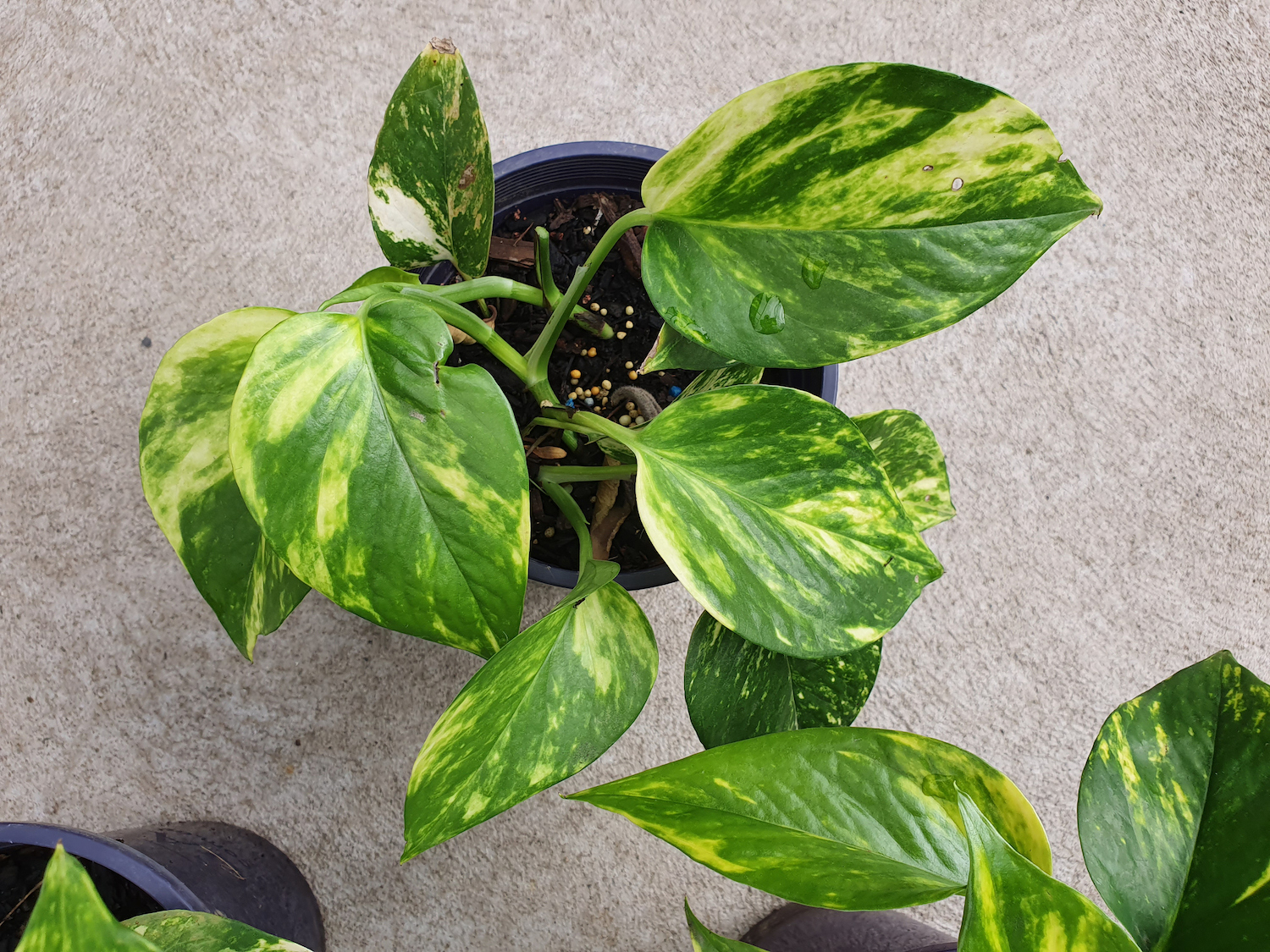
- Loss of Variegation: Many "variegated" plants (those with white or yellow patterns) will revert to solid green in low light to maximize the amount of chlorophyll available for photosynthesis.
Conversely, "phototoxicity" or light burn occurs when a shade-loving plant is exposed to direct sun. This manifests as bleached patches or crispy, brown edges on the leaves, indicating that the light intensity has overwhelmed the plant’s ability to process energy, leading to tissue damage.
Methodologies for Precise Light Assessment
To move beyond visual estimation, three primary methods are used to measure indoor light:
- Digital Light Meters: Specialized handheld devices provide the most accurate readings in foot-candles or lux. These are the gold standard for serious hobbyists.
- Smartphone Applications: While less accurate than dedicated hardware due to variations in phone camera sensors, apps like "Lux" or "Photone" provide a functional baseline for comparing different areas of a home.
- The Shadow Test: A low-tech but effective diagnostic tool. Placing one’s hand between the light source and the plant’s location reveals the intensity. A sharp, crisp shadow indicates bright light; a fuzzy, indistinct shadow suggests medium light; and a faint, blurred smudge indicates low light.
Seasonal and Architectural Variables
The availability of light is not static. Indoor light levels fluctuate based on the Earth’s axial tilt. During the winter solstice, the sun sits lower in the sky, and the duration of daylight is significantly reduced. A window that provides "bright indirect light" in July may only offer "low light" in December.
Furthermore, modern architecture often utilizes Low-E (low-emissivity) glass coatings. While these are excellent for home insulation and UV protection, they can filter out a significant portion of the Photosynthetically Active Radiation (PAR) that plants need. External factors, such as deciduous trees or neighboring buildings, also create a shifting "light landscape" that requires seasonal adjustments to plant placement.
Mitigation and the Role of Supplemental Lighting
For urban dwellers in apartments with limited window access, supplemental lighting is no longer a luxury but a necessity. The development of full-spectrum LED grow lights has revolutionized indoor gardening. Unlike traditional incandescent bulbs, which produce excessive heat and a limited spectrum, LEDs can be tuned to the specific blue and red wavelengths that drive vegetative growth and flowering.
The University of Maryland Extension suggests that for most foliage plants, supplemental lights should be positioned 6 to 12 inches above the canopy and operated for 12 to 14 hours a day to simulate a tropical day-night cycle. This artificial "sunlight" allows for the cultivation of high-light species in even the dimmest basements.
Broader Implications: Biophilia and the Urban Environment
The scientific pursuit of optimal plant light is more than a hobby; it is a response to the "Biophilia Hypothesis," which suggests that humans have an innate tendency to seek connections with nature. As urbanization increases and more people live in high-density environments with minimal green space, the success of indoor gardening becomes a vital component of mental well-being.
The data-driven approach to plant care reflects a broader societal trend toward "precision living," where technology is used to harmonize our indoor environments with our biological needs. By mastering the science of light, individuals can transform their living spaces into functional ecosystems, proving that with the right data and a few well-placed photons, any room can become a thriving sanctuary.