



The average American motorist spends approximately 55 minutes behind the wheel every day, according to data released by the United States Department of Transportation’s Volpe Center. Over a lifetime, this equates to years of cumulative time spent navigating highways, suburban streets, and urban corridors. Despite this extensive experience, a significant portion of the driving public continues to adhere to long-standing myths regarding vehicle maintenance, fuel consumption, and traffic etiquette. These misconceptions are not merely academic; they result in billions of dollars in wasted consumer spending, increased carbon emissions, and unnecessary traffic congestion. By examining peer-reviewed research, government data, and engineering advancements, a clearer picture emerges of how modern vehicles and road systems actually function.
The Octane Obsession: Why Premium Fuel is Often a Sunk Cost
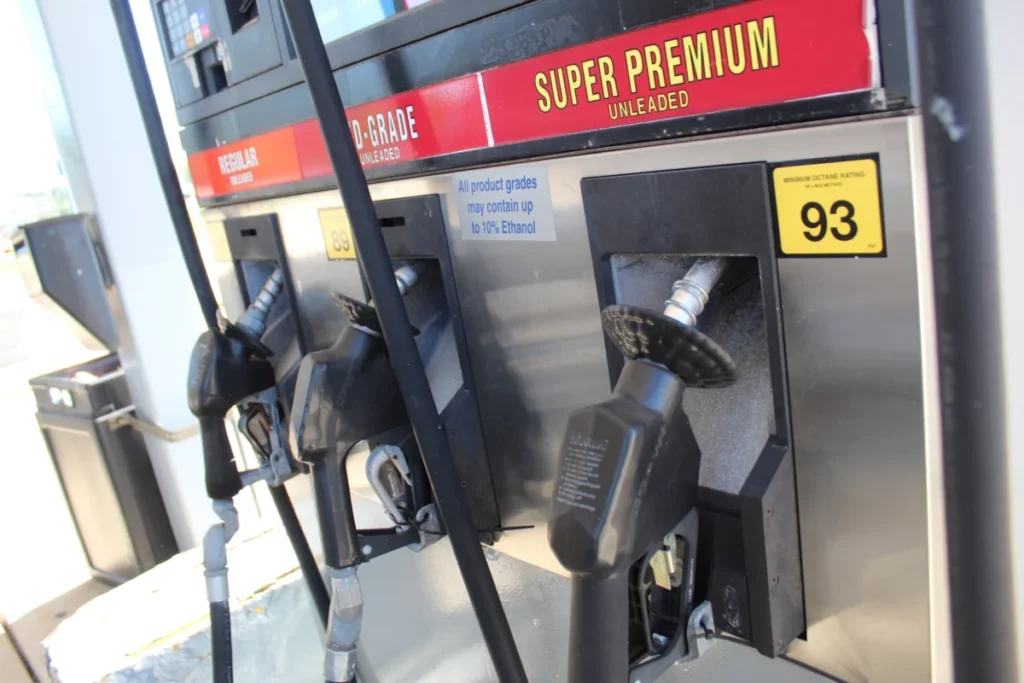
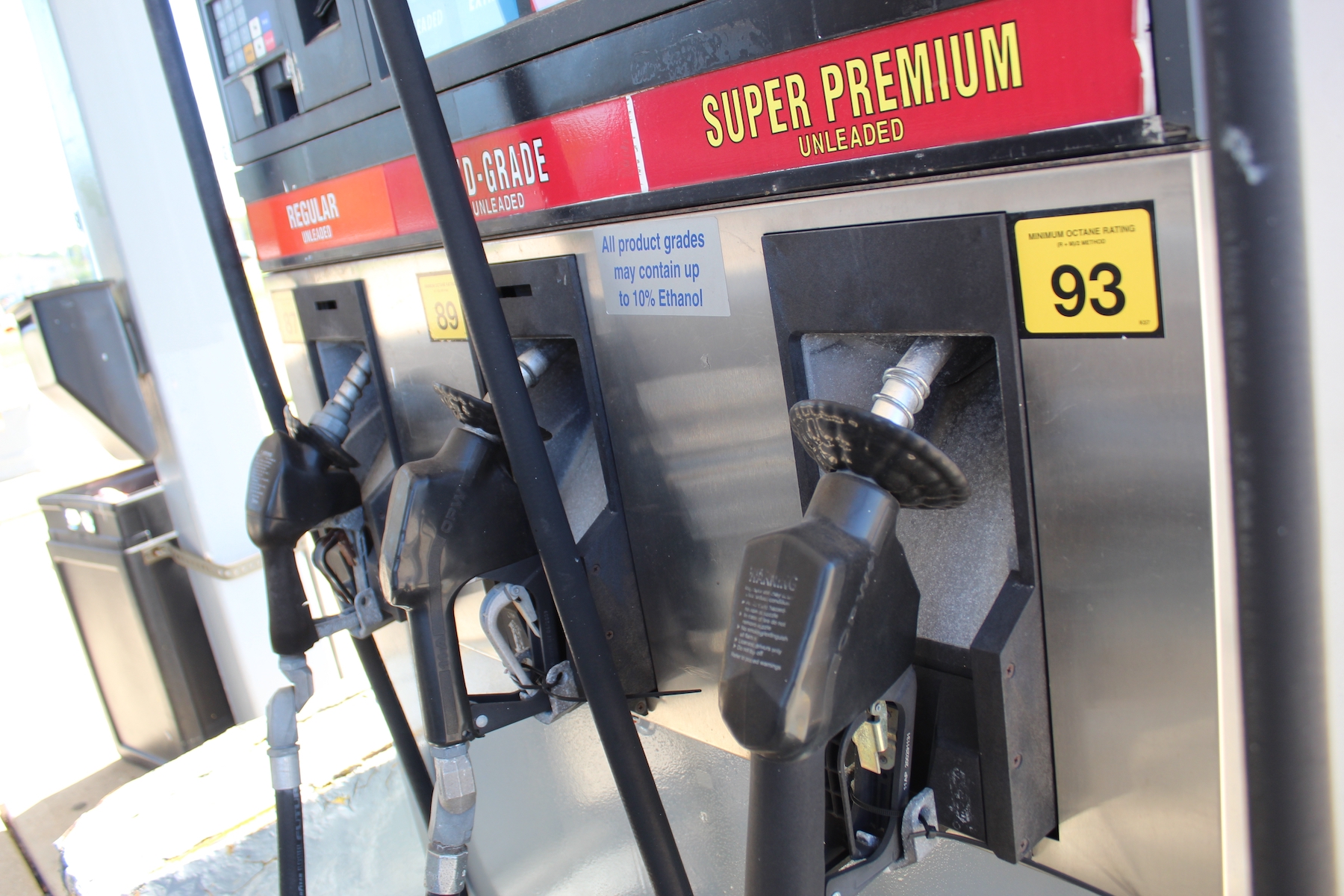
One of the most persistent myths in the automotive world is that "premium" gasoline—typically rated at 91 or 93 octane—is inherently better for a vehicle’s engine than "regular" 87-octane fuel. Many drivers believe that higher-octane fuel provides more energy, improves fuel economy, or cleans the engine more effectively. However, the chemical reality of octane ratings tells a different story.
Octane is not a measure of the energy content of the fuel; rather, it is a measure of the fuel’s resistance to "knocking" or "pinging" during combustion. Knocking occurs when the air-fuel mixture in a cylinder ignites prematurely due to high pressure and heat, rather than from the spark plug’s ignition. High-performance engines with high compression ratios or turbochargers require high-octane fuel to prevent this premature ignition. However, the vast majority of vehicles on American roads are designed for regular 87-octane gasoline.
In 2016, the American Automobile Association (AAA) conducted an exhaustive study to determine if premium fuel provided any benefit to vehicles designed for regular gas. Using a dynamometer to simulate various driving conditions, researchers tested horsepower, fuel economy, and tailpipe emissions. The results were definitive: for vehicles designed to run on regular fuel, using premium gasoline resulted in no significant increase in power, no improvement in fuel economy, and no reduction in emissions. The only measurable difference was the price at the pump, which can be as much as 20 to 50 cents higher per gallon.
The U.S. Federal Trade Commission (FTC) has echoed these findings for decades. In a formal consumer alert, the FTC stated that "in most cases, using a higher octane gasoline than your owner’s manual recommends offers absolutely no benefit. It won’t make your car perform better, go faster, get better mileage, or run cleaner." Unless a vehicle’s manufacturer specifically states that premium fuel is "required"—a common trait in luxury or high-performance sports cars—drivers are essentially subsidizing oil companies for a benefit they never receive.
The Mathematics of Traffic: The Efficiency of the Zipper Merge
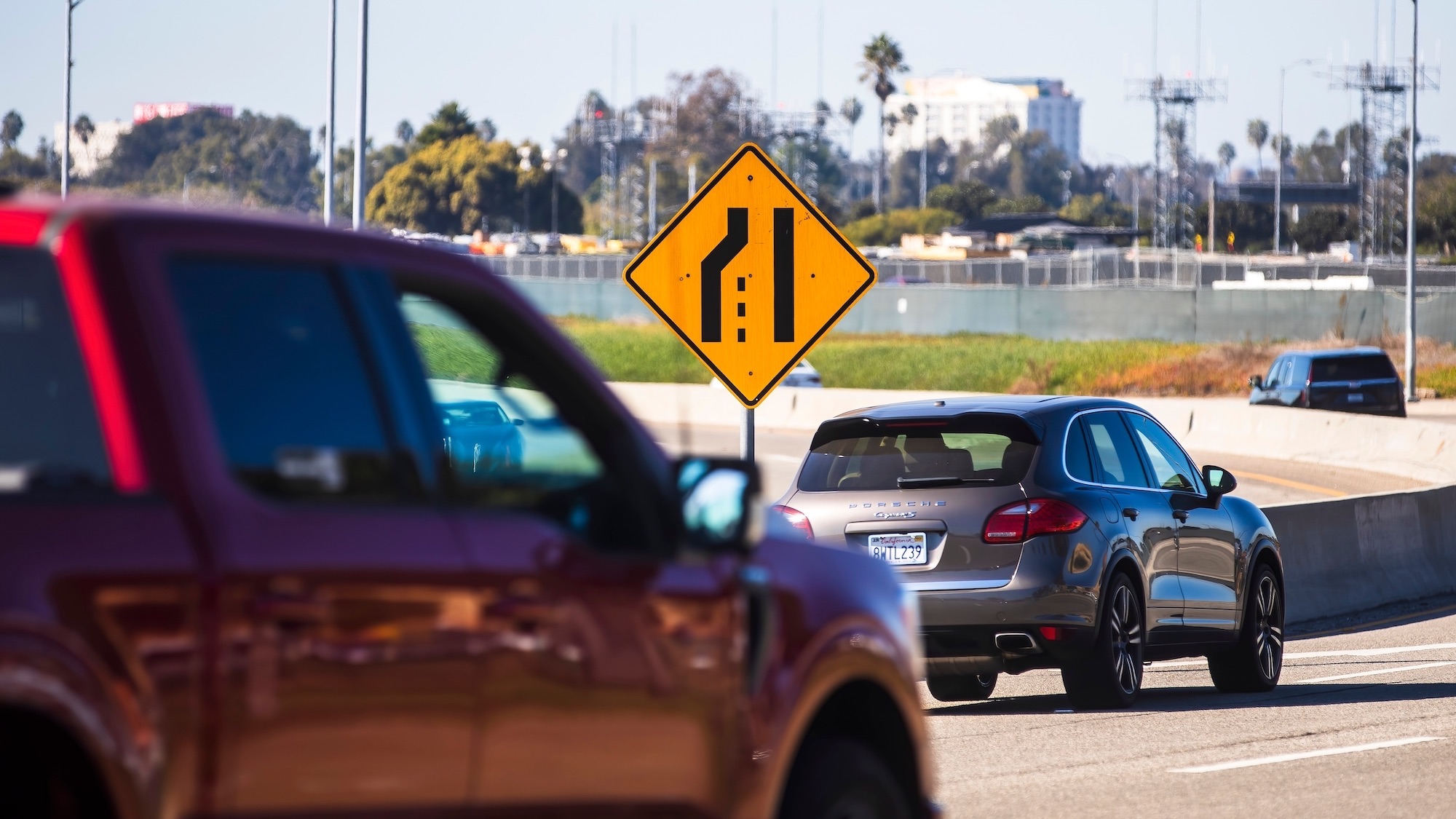
While fuel myths impact the wallet, traffic myths impact safety and time. Perhaps the most contentious issue on modern highways is the proper way to merge when a lane is closed due to construction. The prevailing social norm in many regions suggests that drivers should move into the open lane as soon as they see a "Lane Closed Ahead" sign. Those who remain in the closing lane until the last moment are often viewed as "cheaters" or aggressive drivers.
However, transportation engineers and state Departments of Transportation (DOTs) argue that the "early merge" is actually detrimental to traffic flow. The scientifically backed alternative is the "zipper merge," a system where drivers use both lanes fully until the point of closure, then take turns merging like the teeth of a zipper.
Research from the University of Nebraska as early as 1999 demonstrated that traffic moves significantly faster when the zipper merge is employed. By using the full capacity of both lanes, the length of the traffic backup is reduced by up to 40%. This is crucial for safety, as shorter queues are less likely to extend back into previous intersections or onto on-ramps, reducing the risk of rear-end collisions.
A 2018 study by North Carolina State University found that the zipper merge also improves safety for construction workers. When drivers merge early, the open lane becomes a high-speed corridor while the closed lane remains empty, creating dangerous speed differentials. The zipper merge forces all vehicles to slow to a uniform, manageable speed. Despite these benefits, public perception remains a barrier. In response, states like Minnesota, Kansas, and Missouri have launched public education campaigns. A 2024 analysis by Iowa State University confirmed that when portable "Stay in Lane Until Merge" signs were used in Michigan and Missouri, traffic throughput increased and road rage incidents decreased, as the signs gave drivers "permission" to use the closing lane without fear of social reprisal.
The Gearbox Revolution: The Decline of the Manual Advantage
For decades, automotive enthusiasts and frugally minded drivers insisted that manual transmissions were superior to automatics in terms of both performance and fuel efficiency. In the 1970s and 1980s, this was objectively true. Traditional "slushbox" automatic transmissions relied on heavy torque converters that suffered from significant parasitic power loss, and they typically offered fewer gears than their manual counterparts.
However, the last two decades have seen a technological revolution in transmission engineering. The U.S. Department of Energy (DoE) now confirms that modern automatic transmissions often meet or exceed the fuel economy of manual versions of the same vehicle. Several factors have contributed to this shift:
- Increased Gear Ratios: While manuals are typically limited to five or six speeds, modern automatics frequently feature eight, nine, or even ten speeds. This allows the engine to stay in its most efficient "sweet spot" for longer periods.
- Continuously Variable Transmissions (CVTs): CVTs do not use traditional gears at all, instead using a belt and pulley system to provide an infinite range of ratios, maximizing efficiency.
- Dual-Clutch Transmissions (DCTs): These systems use computer-controlled clutches to shift gears in milliseconds, faster than any human could, with almost no loss of power between shifts.
- Lock-up Torque Converters: Modern automatics use sophisticated electronics to mechanically link the engine to the transmission at cruising speeds, eliminating the "slippage" that once plagued older designs.
According to data from the EPA’s FuelEconomy.gov, the automatic versions of popular models like the Honda Civic or the Volkswagen Jetta now frequently achieve higher MPG ratings than their manual counterparts. This technological parity, combined with the rise of electric vehicles (which do not require multi-speed transmissions at all), has led to the near-extinction of the manual gearbox in the United States, where it now accounts for less than 2% of new car sales.
Chronology of Automotive Efficiency Milestones
The debunking of these myths is part of a broader timeline of automotive evolution focused on efficiency and data-driven operation:
- 1975: The U.S. establishes Corporate Average Fuel Economy (CAFE) standards, forcing manufacturers to move away from inefficient carburetors.
- 1980s-1990s: The widespread adoption of Electronic Fuel Injection (EFI) and Engine Control Units (ECUs) allows cars to adjust to fuel quality in real-time, making "warming up" a car in winter unnecessary.
- 1996: The mandate of OBD-II (On-Board Diagnostics) provides standardized data on engine performance, helping to debunk maintenance myths.
- 2010s: The introduction of "Smart" infrastructure and real-time traffic apps begins to shift driver behavior toward more efficient merging patterns.
- 2020-Present: The transition to Electric Vehicles (EVs) renders many traditional maintenance myths—such as the 3,000-mile oil change—entirely obsolete.
Broader Implications and Official Responses
The persistence of driving myths has real-world economic and environmental consequences. The AAA estimated that in a single year, American drivers wasted $2.1 billion by using premium gasoline in vehicles that did not require it. From an environmental perspective, the congestion caused by improper merging contributes to millions of tons of unnecessary CO2 emissions as vehicles idle in extended traffic jams.
Official responses from government agencies have shifted toward aggressive public education. The Department of Energy regularly updates its "Myths of the Week" series to educate the public on everything from tire pressure to air conditioning usage. Meanwhile, the Federal Highway Administration (FHWA) continues to fund research into "Connected Vehicle" technology, which would allow cars to communicate with one another to automate the zipper merge, removing the human element of "politeness" or "aggression" from the equation.
As automotive technology continues to advance, the gap between "common sense" and scientific reality is likely to grow. The transition from human-operated internal combustion vehicles to software-defined electric and autonomous systems will eventually make many of these debates moot. Until then, however, the data suggests that the best way to be a "good" driver is not to follow tradition, but to follow the research: use the recommended fuel, stay in your lane until the merge point, and trust the efficiency of modern engineering. In doing so, motorists can save money, reduce stress, and contribute to a more efficient national transportation network.